From over 100,000 films, discover the handful you'll love.
Free or premium access to the world's largest documentary library.
386 films(Page 2 of 9)
A wooden ship measuring 30 feet long was discovered 22 feet beneath Ground Zero during construction of a parking garage in Manhattan.
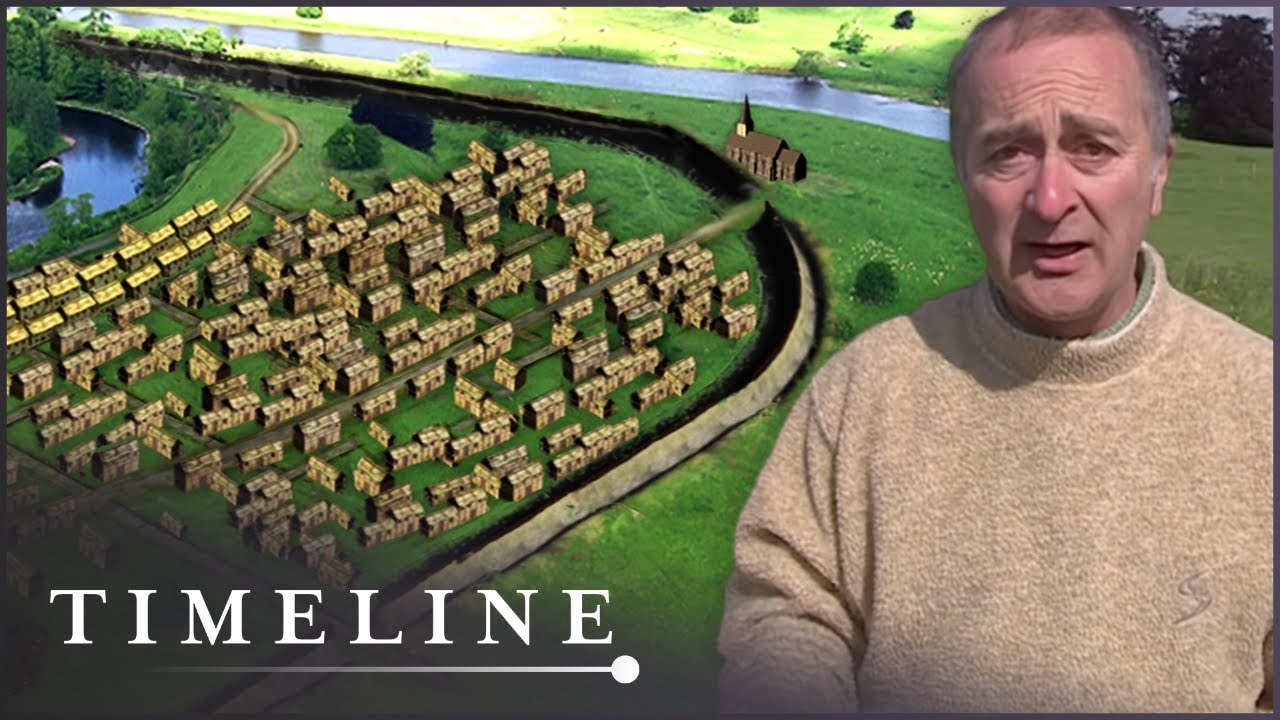
A mile long and half a mile wide, the site of Roxburgh was once one of Scotland's wealthiest cities before it vanished without a trace.
500 degrees Celsius is the temperature reached by the pyroclastic flow that killed many residents of Pompeii during the eruption of Mount Vesuvius in 79 AD.
In 1200 BCE, the collapse of the Bronze Age led to a dark age that lasted for 300 years, marked by invasions from the Sea People.
Roman Britain's connection to the Empire is highlighted through the exploration of Dover Castle's Pharos lighthouse and a newly discovered port at Lympne.
A thirty-foot-wide cavity beneath the Taposiris Magna temple may hold the lost tomb of Cleopatra, according to archaeologist Kathleen Martinez.
An elaborately decorated 5,000-year-old chalk cylinder, found in a Yorkshire burial site, is hailed as Britain's most significant prehistoric art piece in a century.
Pompeii expert Dr. Daisy Dunn evaluates the historical accuracy of the 2014 film, examining key events like the eruption and gladiatorial games.
Iceland's iconic Viking sites, including Stafnes and Thingvellir, are explored by historian Dan Snow, highlighting their historical significance and artifacts.
Archaeologists in Britain investigate Anglo-Saxon graves and artifacts, revealing evidence of a warrior culture marked by violence and ornate burials.
An Anglo-Saxon settlement is discovered in Leicestershire, marking a significant archaeological find after 15 years of searching by Tony Robinson and his team.
Archaeologist Richard Mackinder reveals significant artefacts from the Bosworth Battlefield, shedding light on the pivotal clash between King Richard III and Henry Tudor.
In 2011, archaeologists excavated 40 Viking warriors buried in two boat graves on the island of Sarimar in Estonia, dating back to 650 A.D.
Over 900 artefacts from the Melsonby hoard, possibly the largest Iron Age discovery in Britain, provide invaluable insights into ancient society and trade.
Ancient civilizations are often linked to alien visitors, prompting a critical examination of these theories and their cultural impact on society.
Egyptologist Vassil Dobrev investigates the elusive reign of Old Kingdom pharaoh Pepy and seeks archaeological evidence of his rule in ancient Egypt.
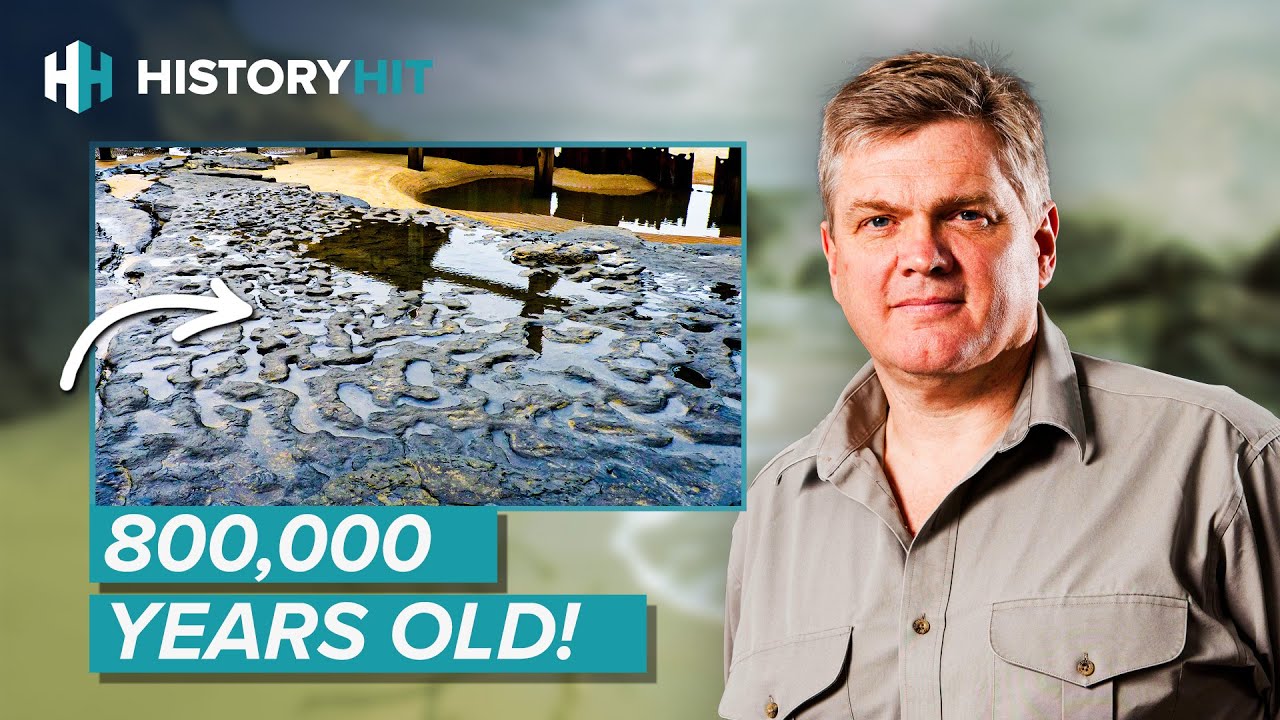
Footprints discovered at Happisburgh beach in Norfolk, dating back 900,000 years, represent the oldest known hominid traces outside Africa.
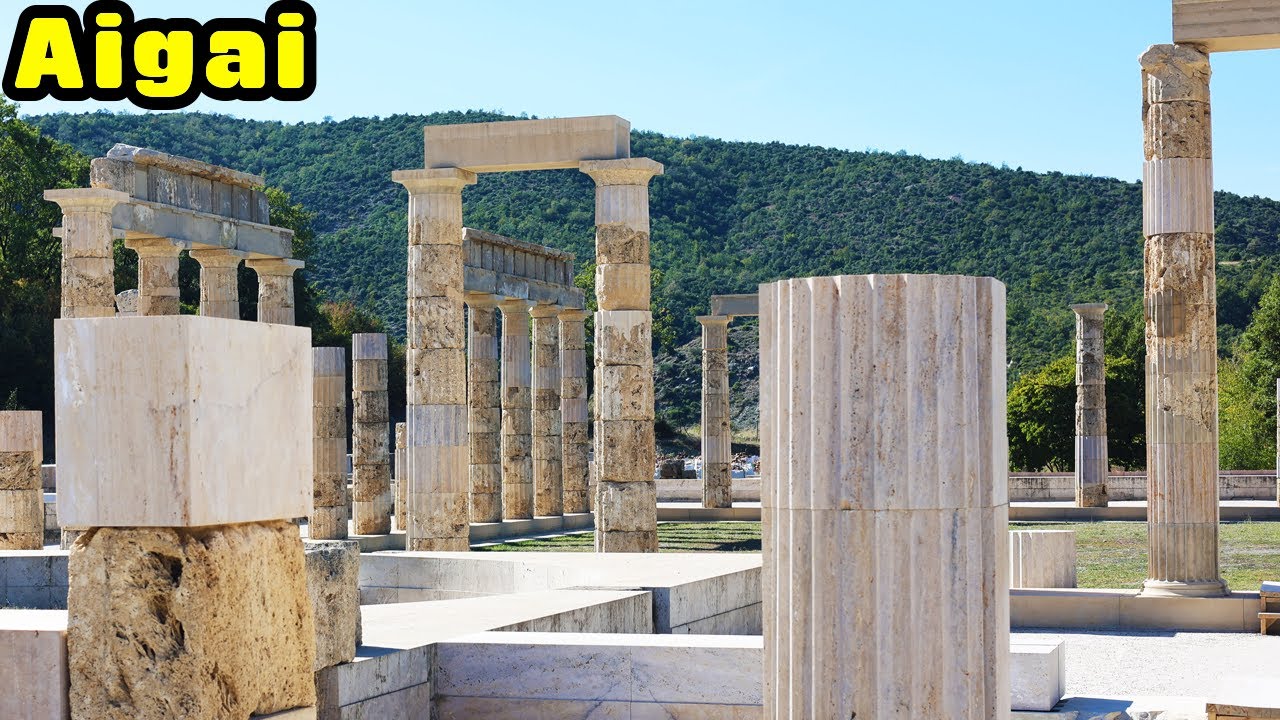
Aigai, the ancient capital of Macedonia, is the historic site where King Philip II was assassinated and Alexander the Great was proclaimed King.
4,300-year-old hunting tools are melting out of ice patches in the Yukon, revealing insights into the lives of ancient human inhabitants.
A hidden Elizabethan blast furnace in Staffordshire reveals insights into medieval England's industrial past during a three-day excavation.
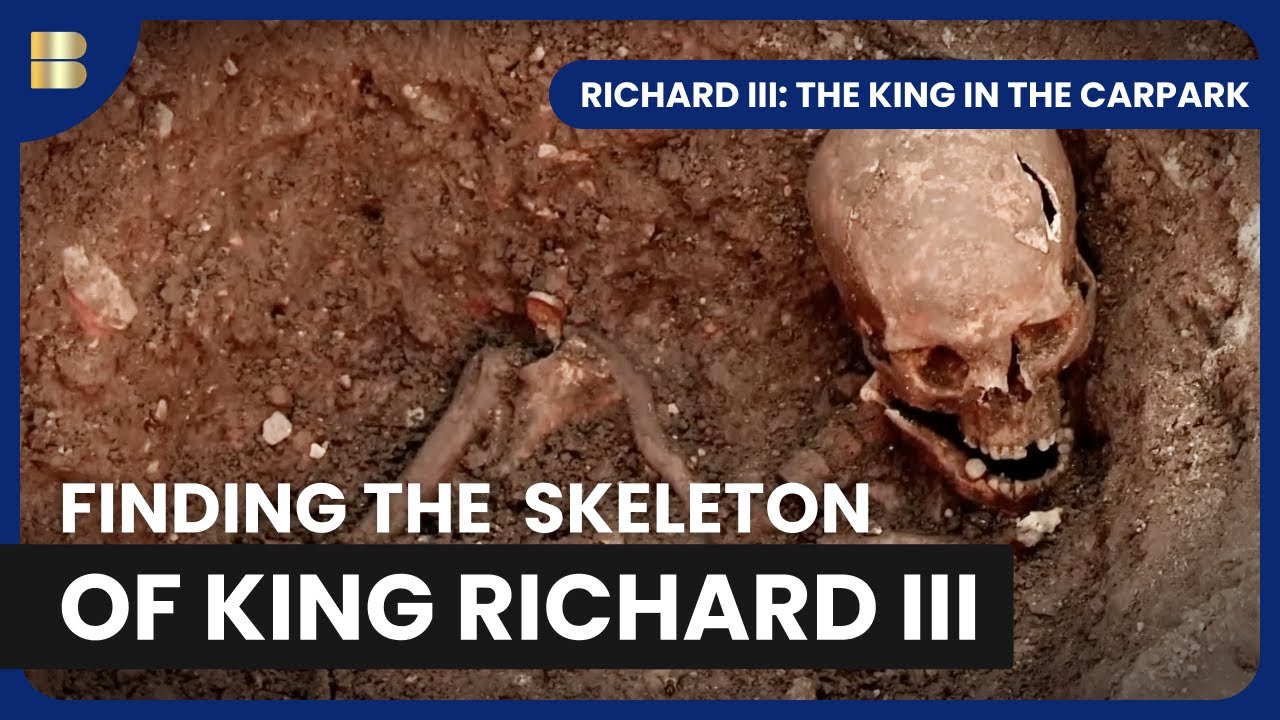
A team of archaeologists unearthed a skeleton in a Leicester car park, believed to be the remains of Richard III, missing for over 500 years.
Aleppo, a key city during the Bronze Age, served as the capital of the powerful kingdom of Yamhad before falling to the Hittite Empire and later reviving.
England's history, from the Stone Age to the Nuclear Age, is explored through significant sites like Stonehenge, Dover Castle, and Kenilworth Castle.
In Northamptonshire, 111 medieval peasant skeletons were found buried beneath an outbuilding at Glendon Hall, revealing insights into their harsh lives and possible origins.
Delphi, once deemed the center of the world by ancient Greeks, features a walking tour of its historic ruins, including the Temple of Apollo and ancient theater.
Alexander the Great's elaborate funeral carriage was stolen in 321 BC, igniting a fierce conflict between rival warlords Ptolemy and Perdiccas.
Persepolis, the ancient Achaemenid ceremonial capital, showcases its rich history and stunning ruins, including the Gate of All Nations and the Hall of 100 Columns.
Carthage, once a formidable rival to Rome, faced total destruction in 146 BC, prompting an archaeological investigation into the reasons behind Rome's extreme reprisals.
At Tadcaster Castle in Yorkshire, experts analyze a 700-year-old skeleton of a medieval woman, revealing insights into her life and the historical context of women in that era.
Melting glaciers in the Alps reveal World War I relics, a WWII Nazi aircraft, a 4,500-year-old mystery box, and a tragic love story from 1942.
Amorites, an ancient Semitic people, are examined through early Sumerian, Elbaite, and Akkadian texts, highlighting their significance in Mesopotamian history.
The lost 9th Legion's trail leads historians and archaeologists to ancient Roman sites in northern England, including a mysterious camp and a bathhouse in York.
In a cave outside Bristol, archaeological evidence reveals the human sacrifices and cannibalistic practices of Iron Age Britain.
Over 2,000 artifacts were discovered at Branodunum, including a rare pewter dish, revealing the fort's significance during Roman occupation.
In Loch Migdale, archaeologists from Time Team investigate a potential crannog and a circular feature that may represent a prehistoric henge.
Carthage, once a formidable rival to Rome, faced total destruction in 146 BC, prompting an archaeological investigation into the reasons behind such extreme Roman reprisals.
Conflicts between the Elamites and Mesopotamia during the Old Elamite Period highlight the unique governance of the Sukkalmah and his co-regents.
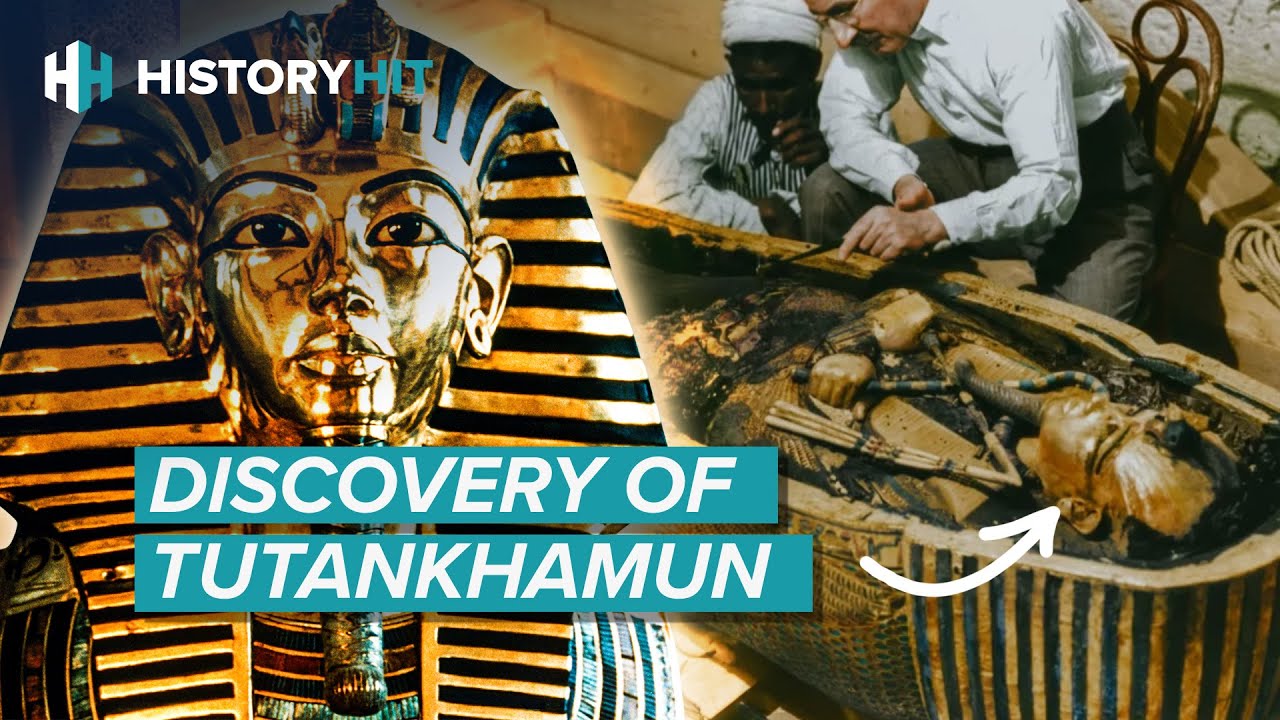
Howard Carter's groundbreaking discovery of Tutankhamun's tomb in 1922 is commemorated through a detailed exploration of its historical significance and artifacts.
In County Armagh, Time Team investigates a site that may be linked to Conchobar mac Nessa, a legendary figure from the Ulster Cycle of Irish mythology.
A man buried on a layer of dead animals in Somerset raises questions about ancient Roman burial practices, alongside the mystery of 97 murdered infants.
The ruins of the Grey family's home, inhabited for nearly 800 years, reveal the history of a 12th-century castle beneath an English hill.
Amarna Letters, a collection of 14th century BCE correspondence, reveals the intricate international relations between Egyptian pharaohs and Levantine kings.
In 2009, workers in Anyang, Henan, discovered an ancient tomb that may belong to Cao Cao, a key figure from China's Three Kingdoms period.
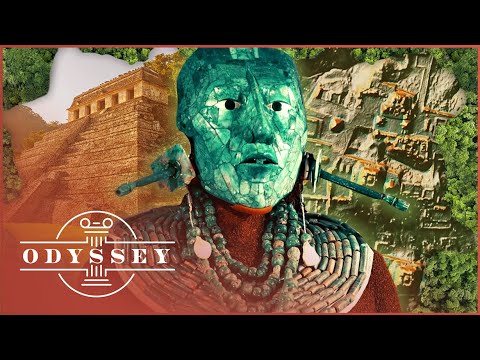
Ancient Mayan cities, long obscured by dense vegetation, are examined by scientists and archaeologists revealing their true scale and complexity.
Angkor Wat, the largest religious structure in the world, is examined through advanced technology to reveal insights about its construction and the lost city nearby.
A young PhD student excavated a field in South Oxfordshire in the 1960s, uncovering stone walls of a Roman building but lacking evidence to identify it.
Pigs rooting in a Dorset field uncovered Roman mosaic floor tiles, leading to an excavation that revealed a heated villa and burial sites.
Pompeii, a prosperous Roman town, was preserved in time by the catastrophic eruption of Vesuvius in 79 AD, revealing the lives of its everyday inhabitants.