From over 100,000 films, discover the handful you'll love.
Free or premium access to the world's largest documentary library.
384 films(Page 4 of 8)
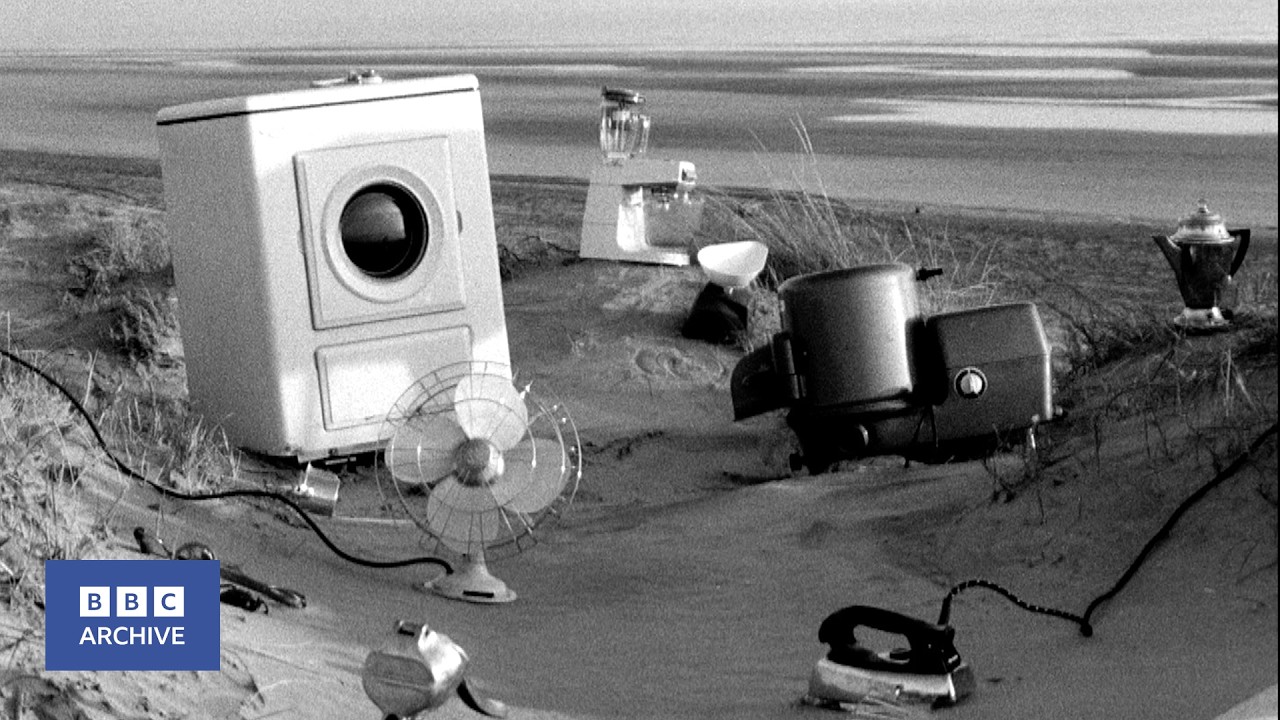
Future archaeologists analyze artefacts from 1962 Britain, piecing together insights about a society that existed before the Catastrophe.
Hurst Castle, a 16th-century coastal fort built by Henry VIII, suffered a significant wall collapse, prompting Dan Snow to assess the damage by kayak.
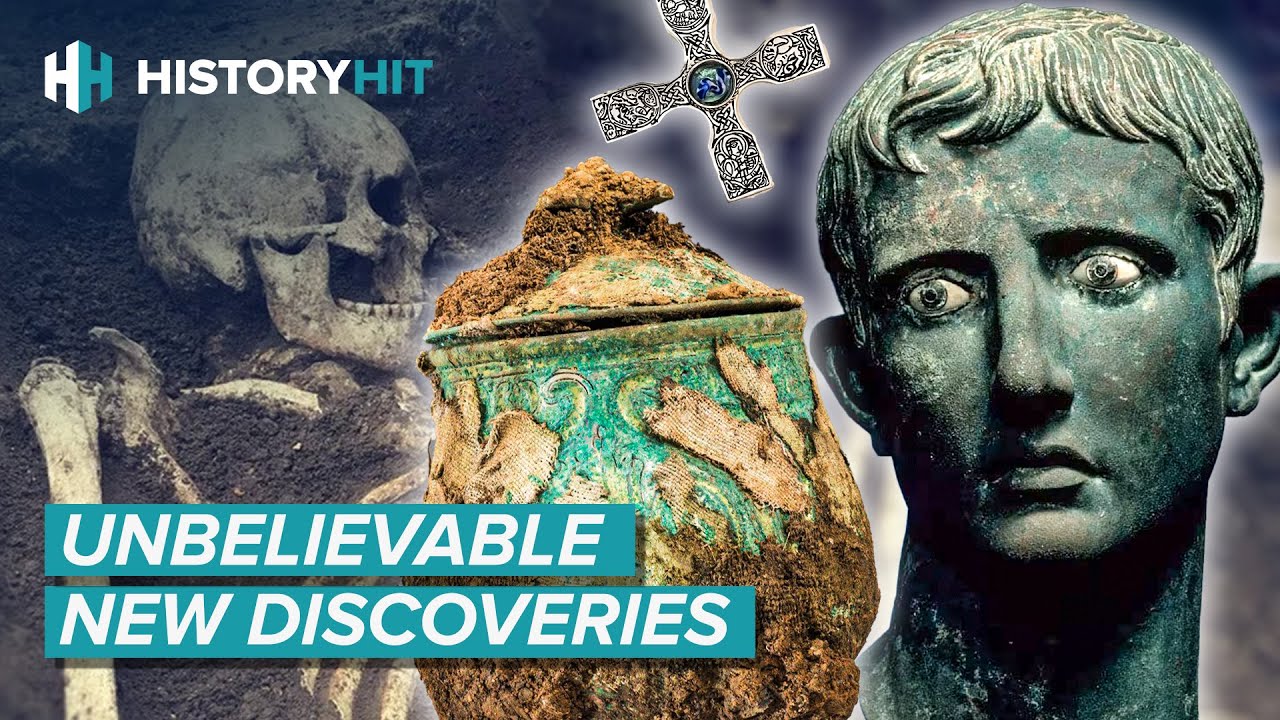
Recent archaeological discoveries showcase remarkable finds, including the Galloway Viking Treasure and the world's oldest Tarkhan Dress, highlighting global historical treasures.
In Portsmouth, archaeologists investigate the remains of a medieval hospital on Governors Green, revealing insights into the city's historical landscape.
Anglo-Saxon skeletons reveal a complex civilization, challenging the perception of the Dark Ages as a time of chaos and violence.
Lothal, an ancient Harappan city in Gujarat, India, showcases significant archaeological ruins and offers a detailed walking tour of its historical sites.
Britain's iconic historic locations reveal hidden secrets, from Hever Castle to the Pendle Witches, showcasing the rich tapestry of the nation's past.
The Time Team excavates Ribchester, Lancashire, revealing Roman military engineering from AD 100.
During a season of excavations, archaeologists search for clues to Ramses II's success, including a temple believed to be the first built during his reign.
Dozens of human bones from at least 20 individuals, including seven newborns, were discovered in a cave in Derbyshire, dating back nearly 5,000 years.
Archaeological findings in Britain, including 800,000- to 1-million-year-old flint tools and Ice Age art, aim to determine when ancient humans first migrated to the region.
The Maya civilization, flourishing from 250-900 CE, showcased remarkable advancements and complex societies before mysteriously declining and abandoning their cities.
The medieval dead could speak, revealing tales of pagan rituals and the struggles of ordinary folk.
Athens showcases a blend of modernity and archaeological wealth, while the Greek islands reveal their unique lifestyles and exceptional quality of life.
A rusted, 40-foot shipwreck is discovered in the St. John's River, revealing hidden aspects of the American Civil War and its impact on society.
In 1924, Anna Mitchell-Hedges found a skull made from a single block of pure quartz crystal in the jungles of Central America.
In AlUla, Saudi Arabia, archaeologists and historians investigate the ancient city of Dadan, exploring its 9th-century BCE heritage and the reasons for its disappearance.
Neanderthals disappeared from Earth nearly 30,000 years ago, leaving behind a genetic legacy that may still exist within modern humans today.
Traprain Treasure, a remarkable collection of over 250 pieces of late Roman silver, reveals insights into power, trade, and diplomacy at the Roman Empire's edges.
In Derwentcote, near Newcastle, Tony Robinson and his team investigate the historical significance of an iron and steel works active from the early 1700s to the 1850s.
Recent archaeological research by Mike Sanders suggests that the Biblical cities of Sodom and Gomorrah may have been real locations with historical significance.
Aerial photos reveal a large curve in the snow near Dinmore Hill, suggesting a connection to one of Britain's largest Iron Age monuments.
Chaco Canyon, an archaeological site in New Mexico, showcases the sophisticated architecture and astronomical alignments of the ancient Anasazi civilization.
In Smallhythe, archaeologists search for evidence of a 15th-century dockyard once frequented by King Henry V, revealing significant medieval shipbuilding activity.
Pompeii, the ancient Roman city, faces new threats as experts utilize advanced technology to reveal the final moments of its citizens and assess volcanic risks.
A team of archaeologists excavates an Elizabethan blast furnace site while exploring medieval furnaces and attempting to smelt their own iron.
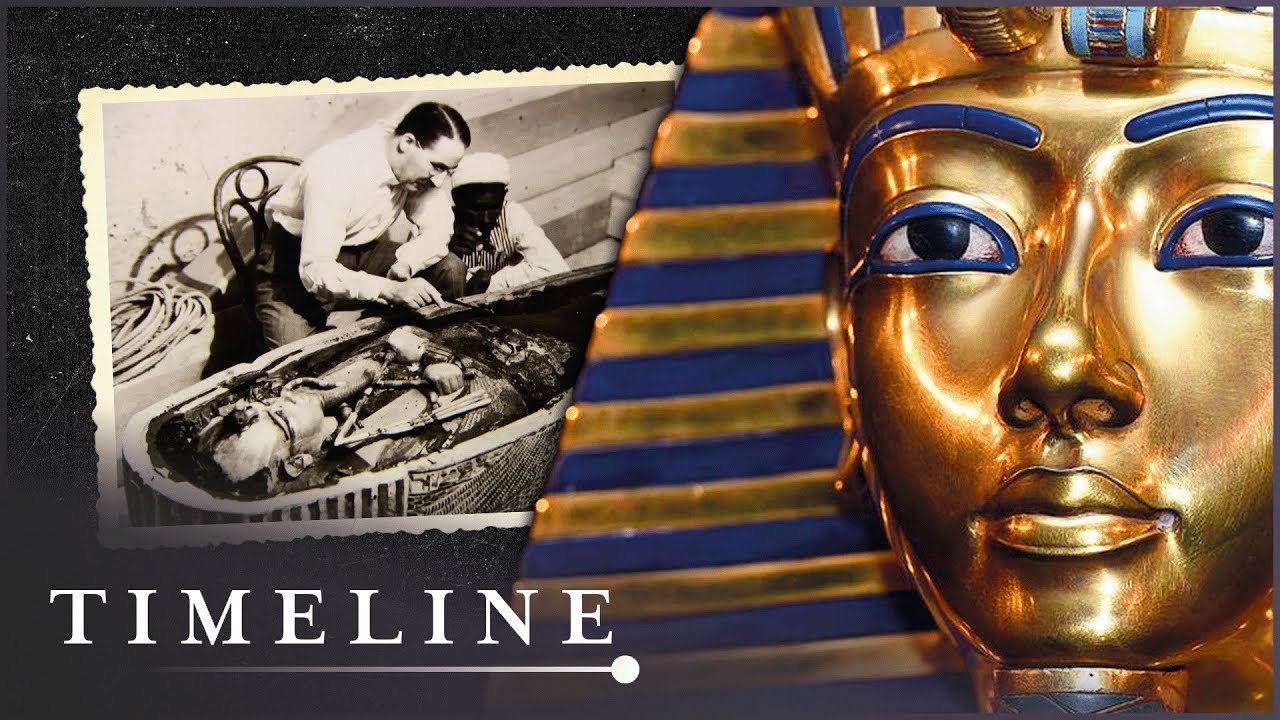
Harry Burton captures Howard Carter's Tutankhamun excavation, making history in photography.
The Akkadian Empire, Sea Peoples, and Maya civilization each faced sudden collapses, leaving historians to explore the complex factors behind their declines.
New archaeological evidence reveals the rise and decline of the Celts in Iron Age Europe, highlighting their transition from prosperous cities to fortified settlements.
In the Durham countryside, archaeologists from Time Team excavate the well-preserved medieval village of Ulnaby to reveal insights into daily life in Medieval Britain.
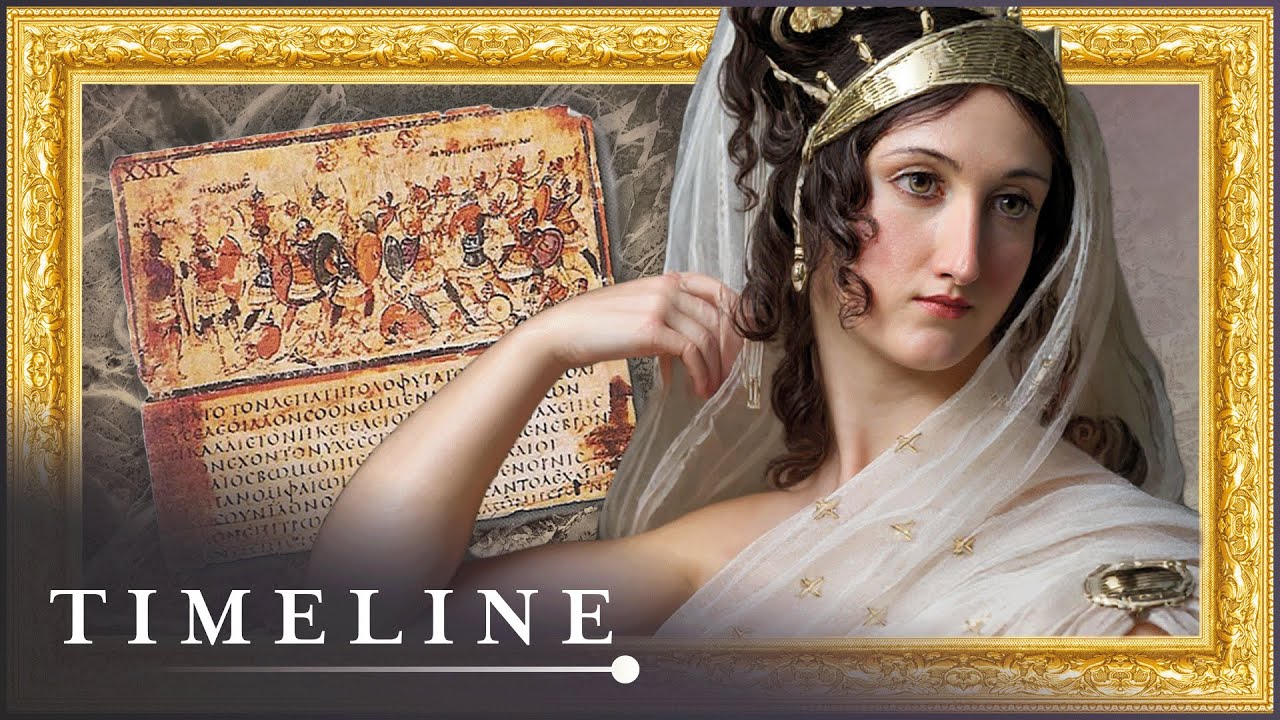
Heinrich Schliemann's excavations at the ancient site of Troy challenge academic skepticism while revealing significant archaeological findings linked to Homer's 'Iliad'.
In ancient Egypt, beer was a significant part of daily life, prompting a collaboration between the Scottish and Newcastle Brewery and archaeologists to explore its original recipe.
Leslie Alcock's excavation at South Cadbury Hill revealed a fortified settlement occupied for 4,000 years, raising questions about the reality of Camelot.
Ancient cuisine is explored through archaeological findings, biblical ingredients sourced in Jerusalem, and a royal meal preparation by Simcha.
Ancient Egyptian art, renowned for its iconic imagery, was crafted by skilled scribes whose techniques and contributions are explored in detail.
Pompeii, a UNESCO World Heritage Site, faces threats from Mount Vesuvius, prompting scientists to explore methods for preserving its archaeological significance.
A thriving Viking civilization in Greenland mysteriously vanished in the 15th Century, prompting archaeologists to investigate the chilling factors behind their disappearance.
A team of experts excavates a WW1 battlefield in northern France to locate a secret tunnel and a 60-foot flamethrower used during the Battle of the Somme.
The Celts, a captivating society that thrived around 2,000 years ago, continue to intrigue historians as they seek to understand their true identity.
Hadrian's Wall, built in 122 AD, marks the northern edge of the Roman Empire and is central to understanding life on its frontier.
Sudan, ancient Nubia, holds many unique treasures yet remains isolated from the world.
Archaeologists Miriam Cooke and Dominic Montserrat explore ancient Egyptian mysteries, including pyramid construction, Pharaoh Akhenaten's reforms, and Tutankhamun's treasures.
A newly discovered town in rural Devon reveals surprising evidence that challenges existing views of Roman Britain.
Egypt's pyramids, including the step pyramid of Djoser and the Bent Pyramid, are examined through aerial and satellite imaging to reveal insights into their construction and history.
Leonard Clark documents over 1,000 shipwrecks in the Magdalen Islands' marine mysteries.
Investigators across Cambodia, Thailand, London, and New York are working to reclaim over 2,000 looted Khmer statues from prominent museums worldwide.
Aerial photos reveal crop marks indicating a Roman fort and town covering 24 acres in North Norfolk, suggesting a significant site of occupation.
Seventeen people connected to the discovery of Tutankhamun's tomb died under mysterious circumstances, fueling rumors of a pharaoh's curse.