From over 100,000 films, discover the handful you'll love.
Free or premium access to the world's largest documentary library.
20584 films(Page 76 of 429)
Extraterrestrial encounters have raised questions about their purpose and hidden agenda, revealing motives that may provoke fear and intrigue.
The machine gun, developed by inventors like Hiram Maxim and exemplified by the German MG08, transformed warfare during WW1 by enabling unprecedented lethality on the battlefield.
Eighty percent of under-18s held in Madagascar's prisons have never been to court, often waiting years for a trial that may never come.
Ramona Wilson's case highlights the tragic pattern of over 1,000 Indigenous women and girls who have gone missing or been murdered along British Columbia's Highway of Tears.
Maud Galant prepares to move from North to South Brehat while Jacques Jolibois manages Paimpol Harbour.
A family's battle with America's mental health care system highlights the hidden challenges and costs associated with seeking proper treatment.
Harvey Weinstein, once a powerful media mogul, was sentenced to 23 years in prison for multiple sexual crimes, marking a significant moment in the #MeToo movement.
Lara, a student in Munich, explores the science of sexual arousal with psychotherapist Dania Schiftan, revealing how conditioning and social narratives shape desire.
A woman rides her motorcycle across the United States, sharing stories of fear, freedom, and the growing community of female motorcyclists.
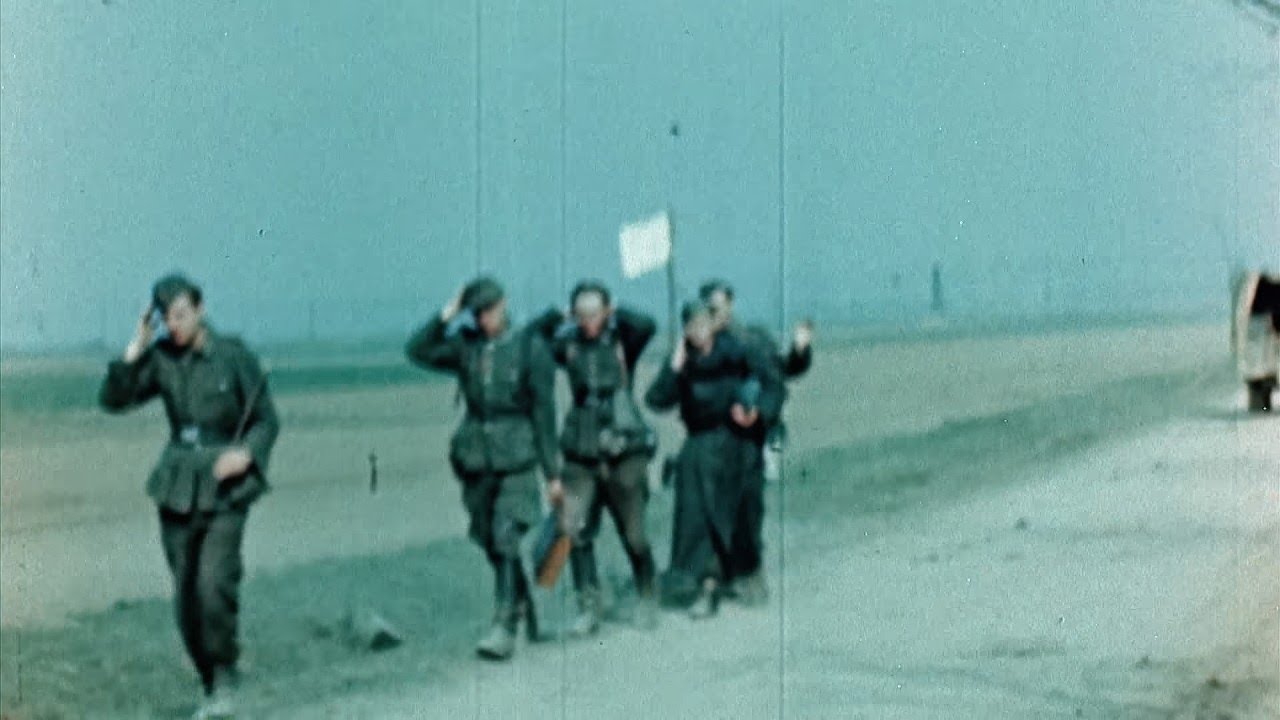
In March 1945, U.S. troops document the fall of Nazi Germany in color, capturing the devastation and surrender through the lenses of George Stevens and Major Kirke B. Lawton.
In May 1995, Ebola emerged from a Zairian rainforest, prompting local Red Cross workers and doctors to confront a deadly outbreak while searching for a cure.
Mary Coley, an African-American midwife in rural Georgia, illustrates midwifery practices and the socioeconomic challenges of the 20th century South.
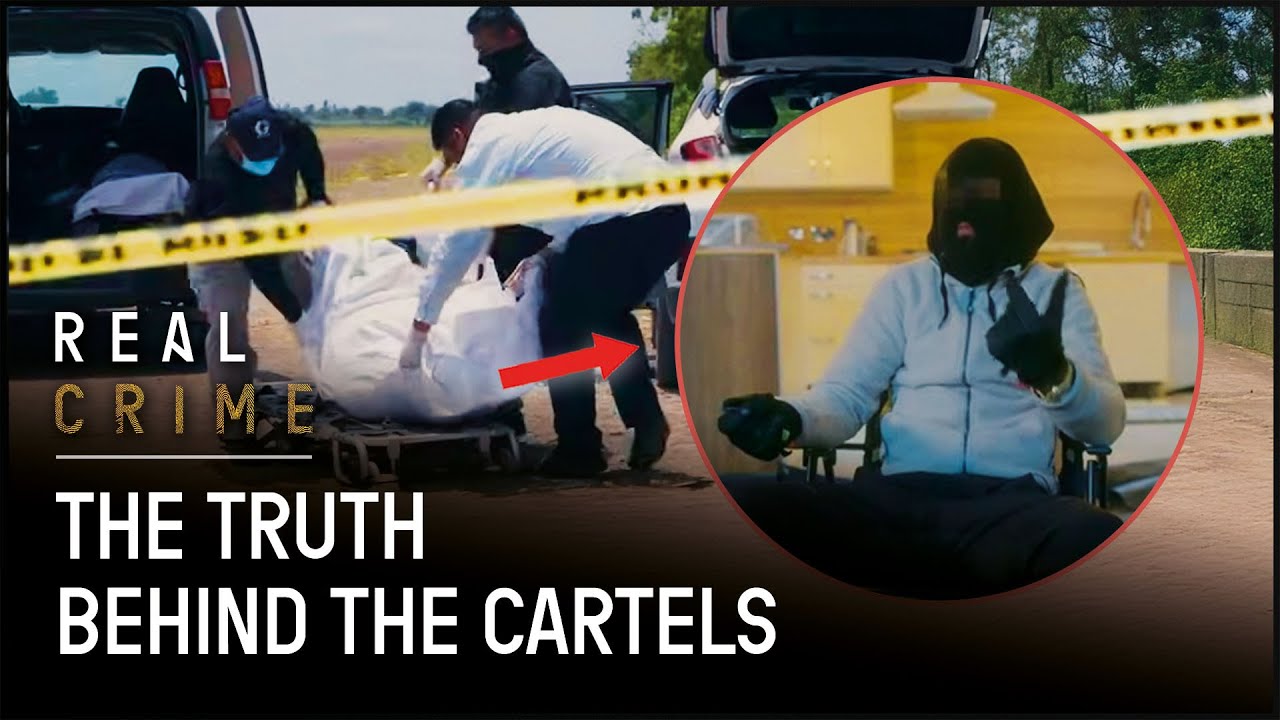
Ben Zand investigates the complex dynamics of global criminal networks, focusing on the Sinaloa Cartel, arms trade in Lebanon, and crack cocaine in Northern England.
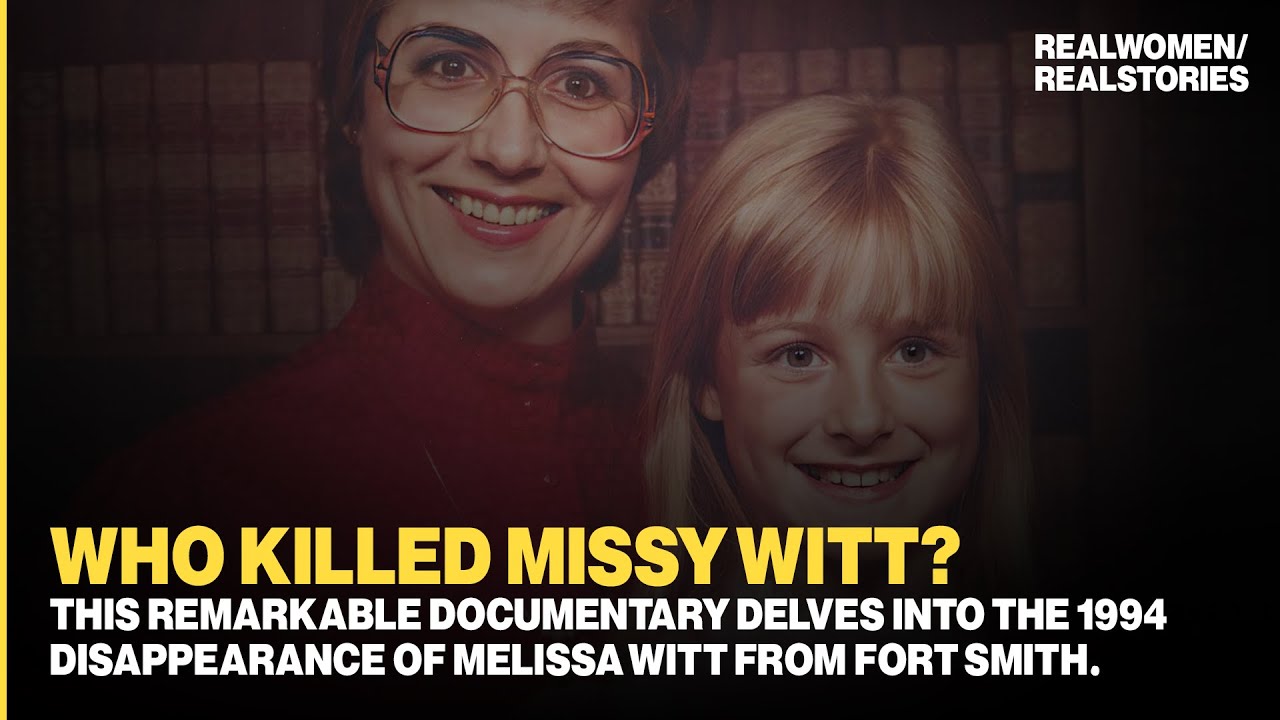
In Fort Smith, Arkansas, the unsolved murder of 19-year-old Melissa Witt in 1994 prompts LaDonna Humphrey's six-year investigation for justice.
U.S. Energy Secretary Chris Wright meets with acting President Delcy Rodríguez in Caracas for the first high-level talks since 2019.
Insect farming in Thailand and Texas highlights the potential of crickets and fly grubs as sustainable, nutritious alternatives to traditional beef protein.
Over 600 journalists have been killed since the United Nations Security Council passed Resolution 1738 in December 2006 to improve their safety in conflict zones.
Children with Prader-Willi syndrome in Britain face extreme food fixation, leading families to implement strict measures to manage their unique challenges.
In Middlesbrough, Reginald Wilson believed he had committed the perfect murder of a doctor, but police investigations revealed his identity and intentions for further violence.
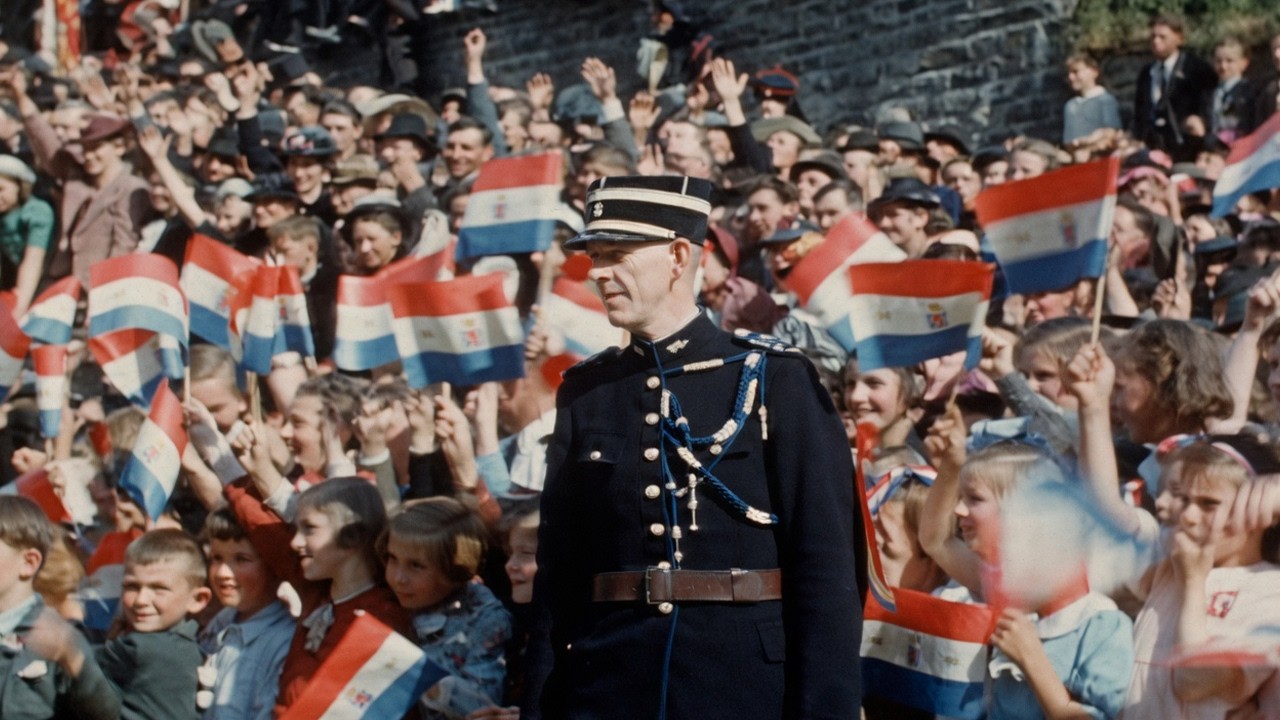
The German occupation of Luxembourg from 1940 to 1944 aimed to forcibly integrate the Grand Duchy into the Third Reich, leading to widespread resistance and collaboration among its people.
Around 6,000 people in the UK have dwarfism, facing daily challenges that require inventive solutions and support from family and friends.
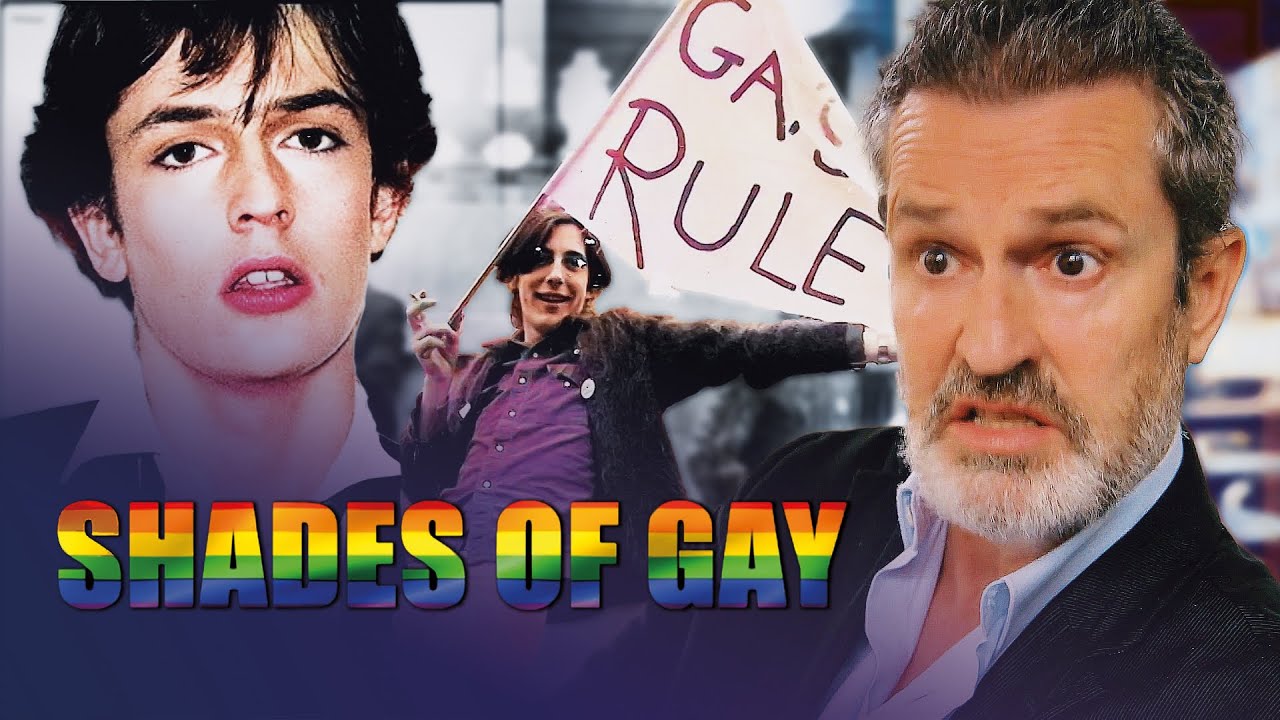
Rupert Everett reflects on 50 years of LGBT progress in Great Britain, highlighting milestones in rights, representation, and public opinion since decriminalization.
A train transports over 1,000 passengers annually through remote areas of Russia, connecting isolated communities to essential services and each other.
Fentanyl's devastating impact on St. Louis highlights a national crisis, revealing the intersection of addiction, racism, and systemic neglect in vulnerable communities.
A 16-year-old boy executed his brother with a high-powered rifle after being influenced by his Ku Klux Klan teacher in Queensland, Australia.
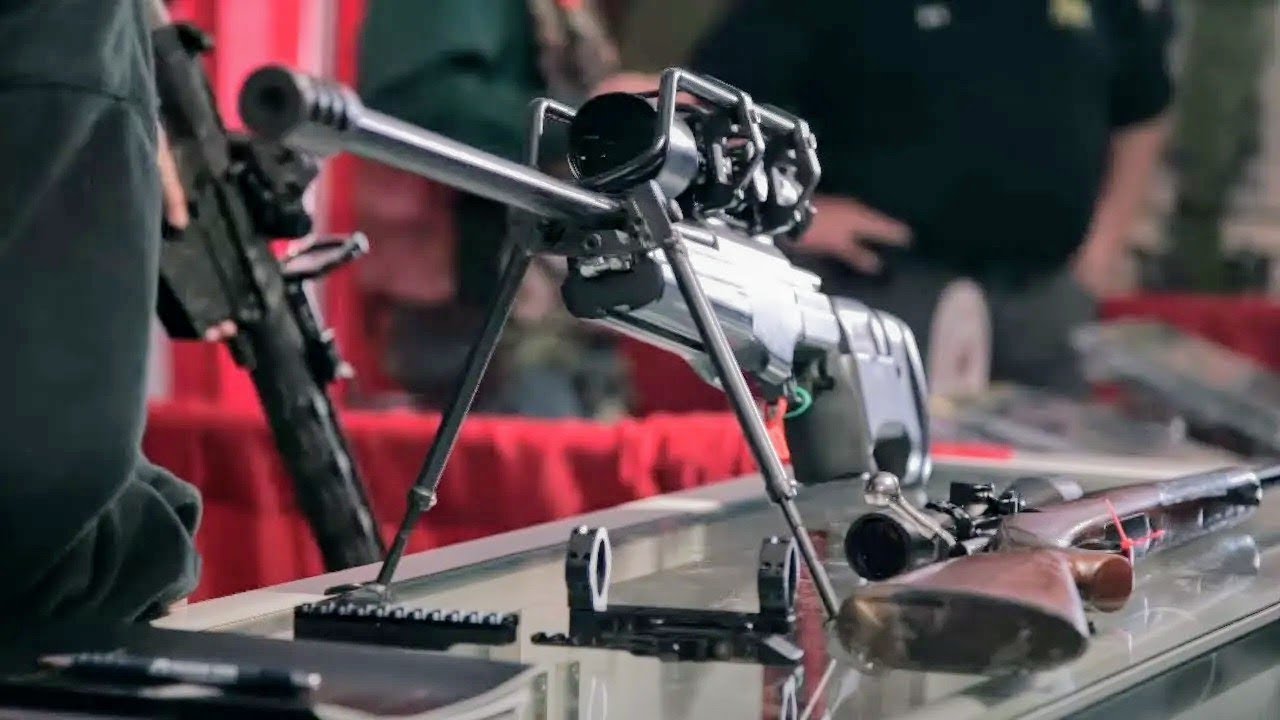
Each year, 33,000 Americans die from gun violence, with many victims sharing their personal stories of loss and pain amid ongoing debates over gun control.
Cyril Maillot delivers mail to remote villages in the Mafate region, hiking for about three hours along damp mountain paths to reach just half a dozen mailboxes.
Kamchatka, a remote Siberian peninsula with a rich wildlife and history of isolation, faces new opportunities as tourism revitalizes its resilient communities.
Kelly Cochran murdered her husband and the man she cheated on him with, later serving dismembered remains to friends at a barbecue in Michigan.
In 2003, an unsolved shooting in Washington, D.C. is linked to two murders a decade later, revealing Charles Severance as an unlikely serial killer who ran for political office.
Anton Mussert, Ioannis Rallis, and Finnish Marshal Gustaf Mannerheim exemplify the complex moral choices faced by collaborators during World War II.
Clergy sexual abuse survivors confront the Catholic Church in a public trial, exposing the systemic failures that allowed such trauma to persist for decades.
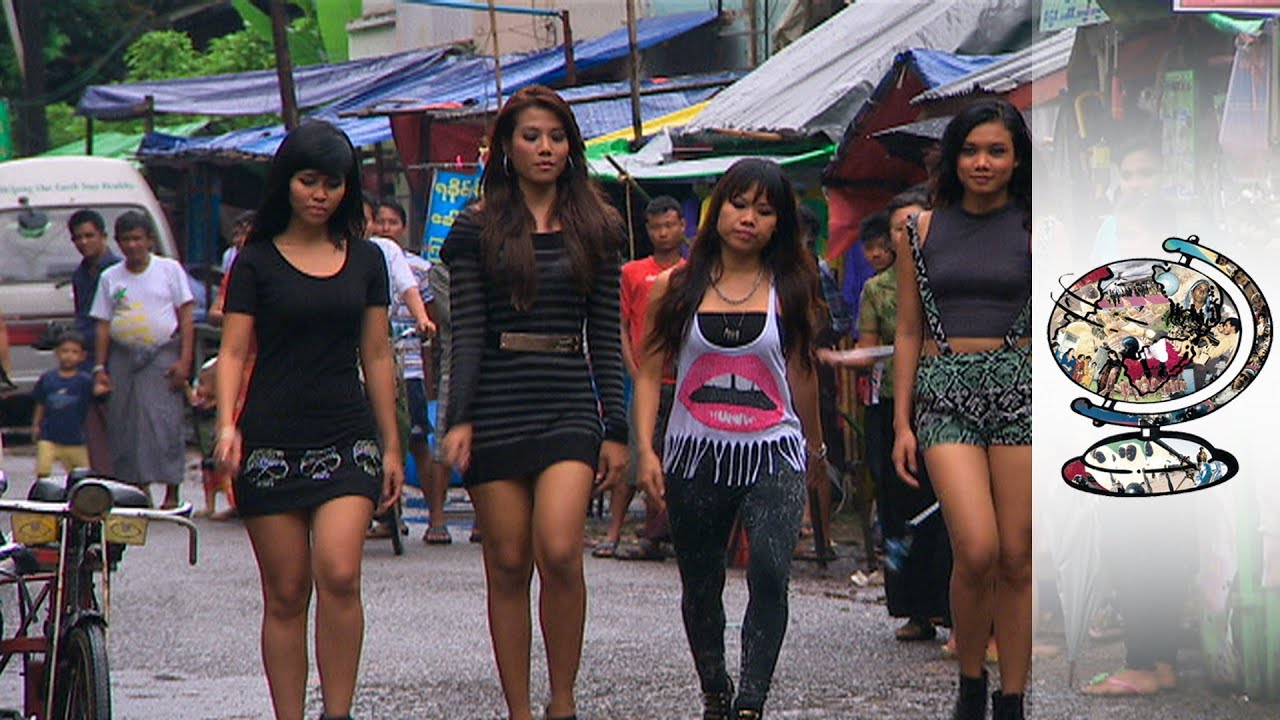
Myanmar experiences a complex transition from military rule to democracy, marked by political arrests, ethnic tensions, and a burgeoning civil society.
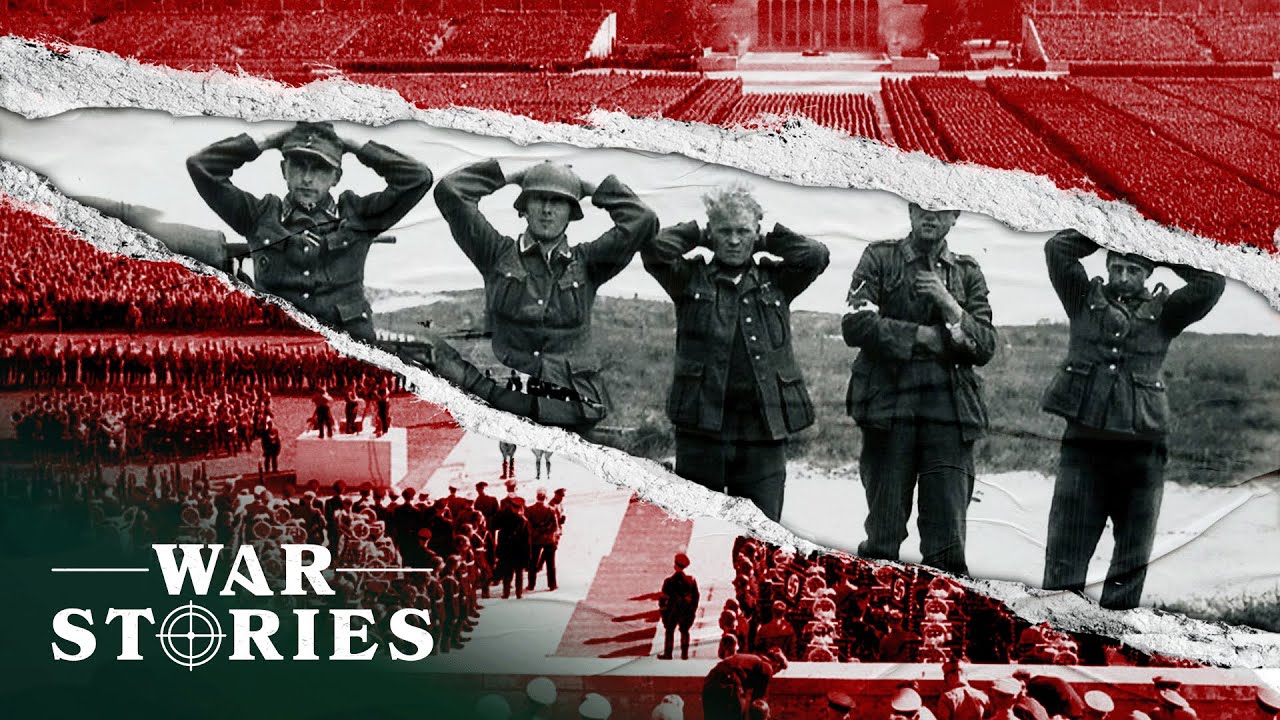
In the final days of World War II, Germany faced a profound reckoning as survivors recount their experiences of defeat and the transition to peace.
The evolution of bomber planes from World War I's ineffective runs to the devastating aerial assaults of World War II illustrates their role as a key military force.
Amber Guiboche, a 20-year-old woman who vanished in 2010 after getting into a red truck in Winnipeg, prompts her family to seek answers and support for MMIWG families.
150 guests from around the world will celebrate Sara and Karim's wedding in Düsseldorf, just weeks after their relationship began on a dating app.
On June 6, 1944, 136,000 Allied soldiers launched the D-Day invasion at Normandy, marking a pivotal moment in the fight against Nazi Germany.
The British Home Guard, formed in 1940 as the Local Defence Volunteers, comprised civilians who trained and improvised to defend against a potential Nazi invasion during World War II.
Jack the Ripper's diary is meticulously analyzed and scrutinized by experts, who assess its authenticity and the implications of its contents.
In the 1960s and 1970s, notorious serial killers like the Zodiac, Son of Sam, Charles Manson, and Ted Bundy instilled fear across America's streets.
Lenka's two-decade struggle with methamphetamine addiction highlights the personal and societal impacts of the drug crisis in the Czech Republic, Europe's largest producer.
Pregnant women in Alabama's Julia Tutwiler Prison face unique challenges, revealing the complexities of motherhood and incarceration.
John Duffy and David Mulcahy, known as the Railway Killers, are re-examined by former Detective Chief Inspector Jackie Malton for their coordinated crimes against women in Britain.
After facing police harassment in Oakland, musician Sunru Carter decides to repatriate to Ghana, retracing his great-grandfather's path from slavery.
Africa Mercy, a converted rail ferry, operates as a floating hospital in Madagascar, relying on over 400 international volunteers to provide essential medical care.
Two young athletes in the United States face life-altering consequences after being wrongfully convicted due to unreliable forensic methods like touch DNA.
Avatac, a 113-meter cargo vessel, carries up to 5,500 tons of supplies to the remote Inuit town of Kuwak in northern Quebec during the short summer season.