From over 100,000 films, discover the handful you'll love.
Free or premium access to the world's largest documentary library.
20584 films(Page 278 of 429)
Three felonies led one teenager to juvenile detention, illustrating the challenges faced by students pushed out of the education system.
A group of lawyers spends a year suing the Department of Homeland Security to assist individuals arrested under Donald Trump's immigration policies.
Dale Richardson leads a unionization effort at Amazon in Bessemer, Alabama, after 10 months of work.
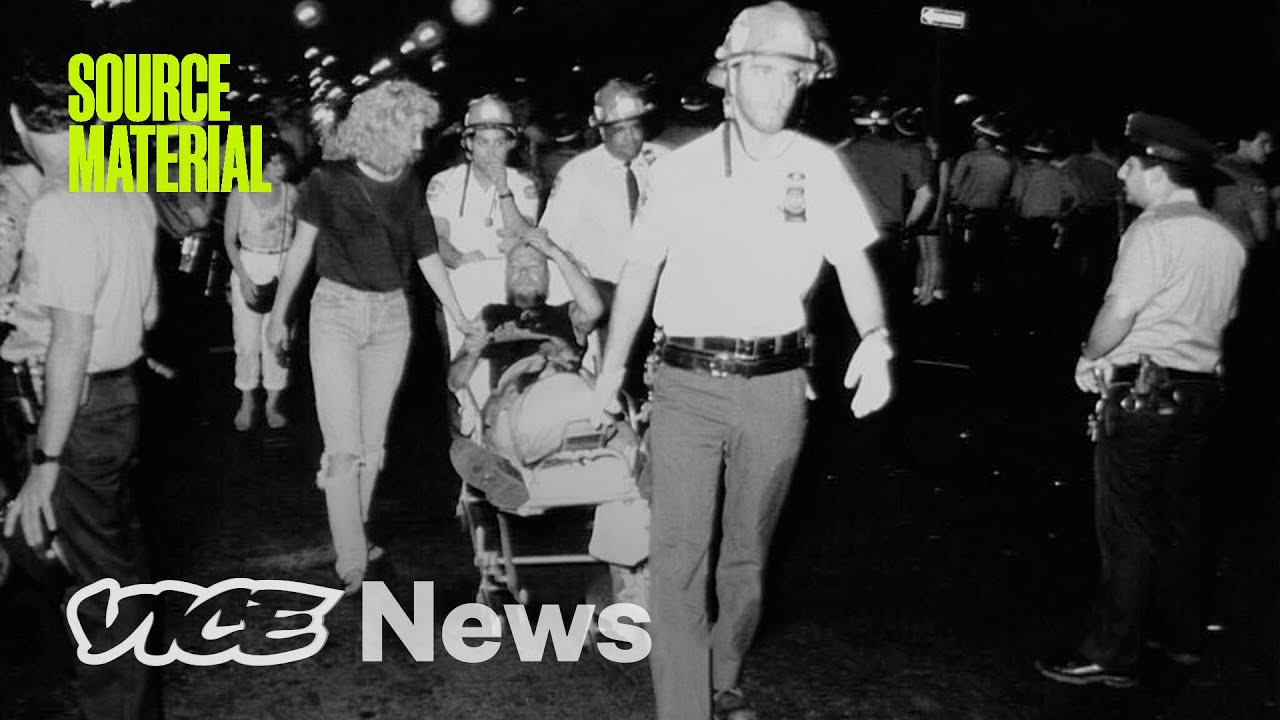
The East Village riot on Aug. 7, 1988, leads to six cops indicted by the New York District Attorney.
Thousands of migrants face freezing conditions at the Belarus-Poland border due to the Lukashenko regime.
Eighty percent of Tokyo's population opposes the Olympics, citing concerns over rising COVID-19 infections and the event's impact on local communities.
Anime Japan, the largest anime convention in the world, highlights the controversial presence of child-like characters in manga, raising ethical questions about exploitation and freedom of expression in Japan's $18 billion industry.
More than half a million signatures were secretly gathered across Burma, marking the beginning of a social movement against the military regime.
The Taang National Liberation Army fights against the Burmese army and Chinese militia in Northern Burma.
Donald Trump's military strategy in Nigeria marks a significant shift in US policy, as airstrikes against insurgents increase while development funding decreases.
Up to 150 people were killed by Indonesian troops during a crackdown on West Papuan protesters in Biak on July 6, 1999.
Reporters covering the White House, including Hugo Lowell of The Guardian and John Fredericks of The John Fredericks Show, face increased access alongside rising harassment.
58 billionaires live in Manhattan, while one in seven Americans rely on food stamps, illustrating the growing wealth gap in the United States.
An estimated 1.8 million children in Yemen are severely malnourished, with 85,000 children under five already thought to have died of starvation.
The National Security Agency (NSA) has shifted its focus from national security to prioritizing its own protection and operational secrecy.
Cuba faces prolonged blackouts and military threats as international convoys deliver aid in response to the US fuel blockade and efforts to destabilize the government.
More than 50,000 children in Uganda live in institutional care, despite 80% having at least one living parent, as unlicensed orphanages thrive without oversight.
Two million Zimbabweans have fled to South Africa to escape the destruction of their homes and livelihoods under Robert Mugabe's controversial cleanup campaign.
International students from Ethiopia, China, and South Asia face visa uncertainty under the Trump administration.
In January 2006, pressure on Chinese children turns them into reclusive internet addicts.
Under apartheid, marrying outside one's race was illegal, but today, mixed-race couples like Pam and Sebastian face ongoing societal challenges in South Africa.
Panelists at the National Conversation on #RightsAndJustice discuss the integration of intersectionality into advocacy efforts for LGBTQ human and civil rights.
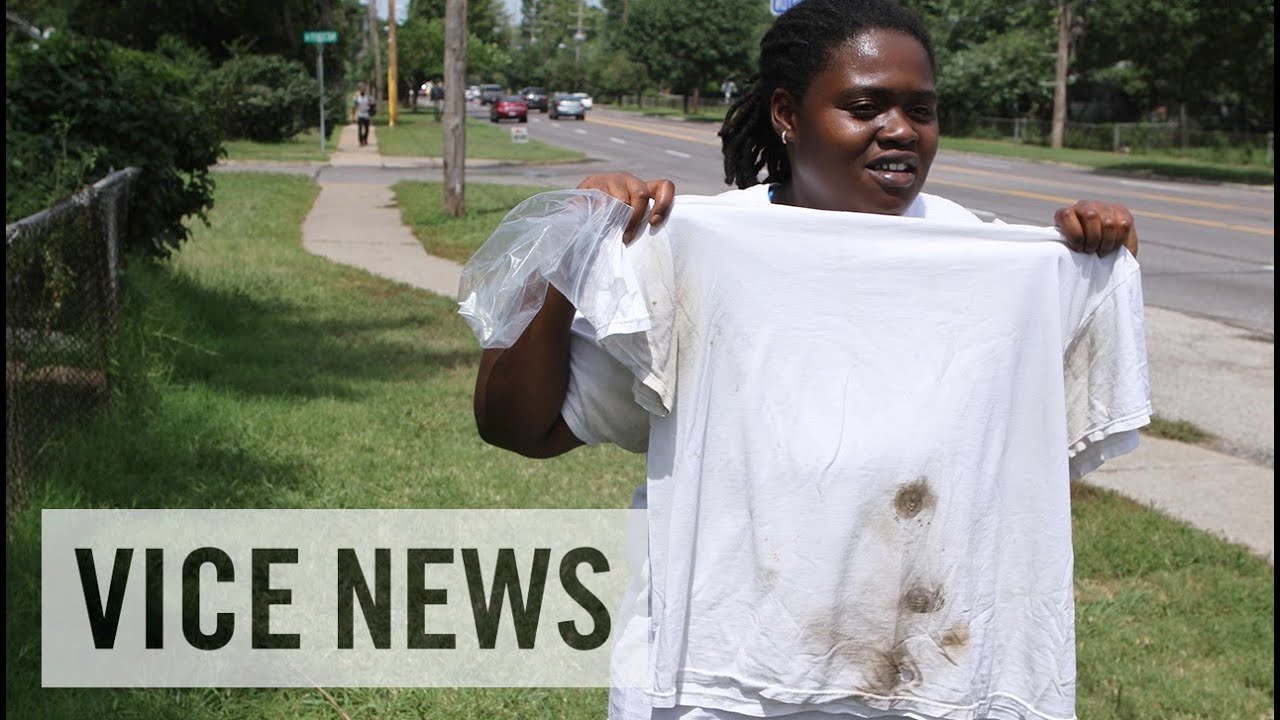
Samantha recounts her injury during a protest in suburban Ferguson, Missouri, amid police violence.
Reza Pahlavi claims that Tehran's influence led to his uninvitation from the Munich Security Conference, criticizing Western appeasement of the Iranian regime.
Terrorism fuels anti-Semitism and Islamophobia in France after the Paris gun attacks.
Lukreta, a women's organization linked to Germany's far-right AfD, combines lifestyle advice with xenophobic propaganda, revealing a network of extremist influence across Europe.
Ten sets of human remains were found in a burial ground near Gilgo Beach, leading police to suspect at least two serial killers are involved.
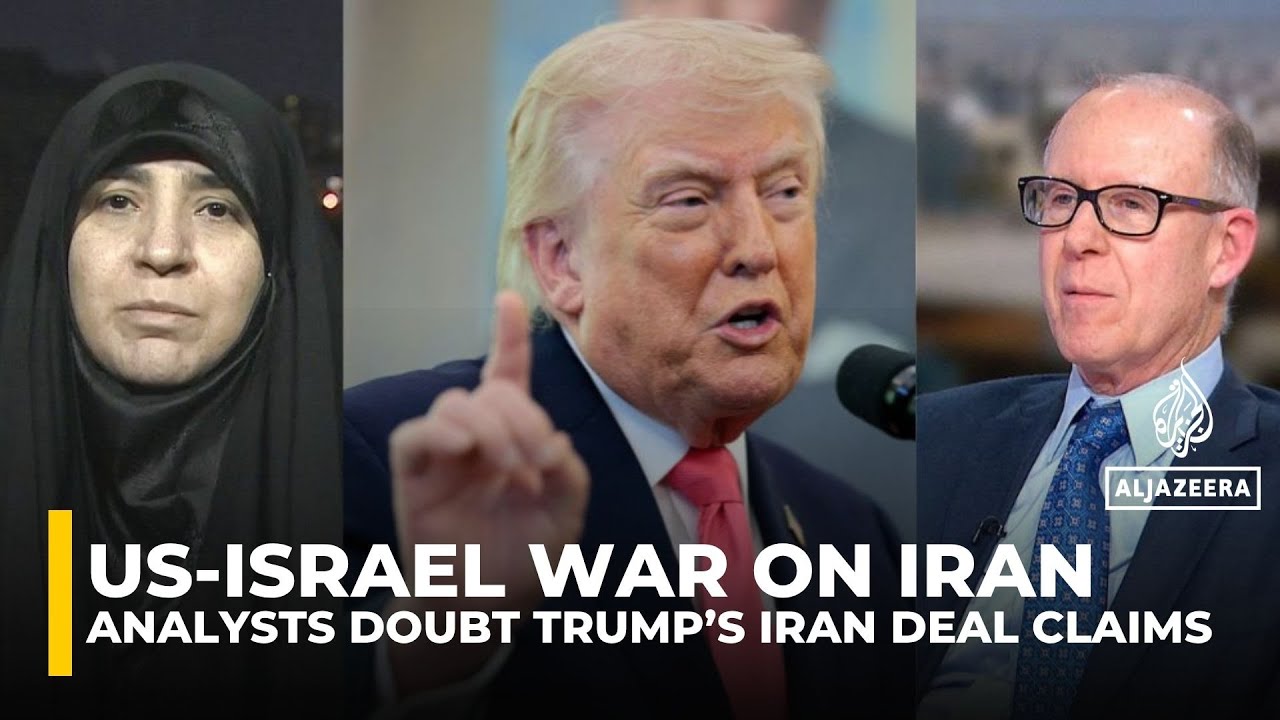
Iranian officials express skepticism over President Trump's claims of potential negotiations, viewing them as a tactical delay amid rising regional tensions.
Iran is nearing a deal with Oman to manage the Strait of Hormuz, a vital shipping route amid ongoing tensions with the United States.
Iran faces a pivotal moment as Tehran reassesses its regional influence amid economic hardship and uncertainty for ordinary Iranians, according to historian Dr. Neda Bolourchi.
Iran's geopolitical tensions escalate as the U.S. and Israel reassess their strategies amid threats of retaliation from Tehran and ongoing conflict in Gaza.
Iran's increasing assertiveness in regional politics is analyzed by Roxane Farmanfarmian and Ali Fathollah-Nejad, highlighting its implications for U.S. relations.
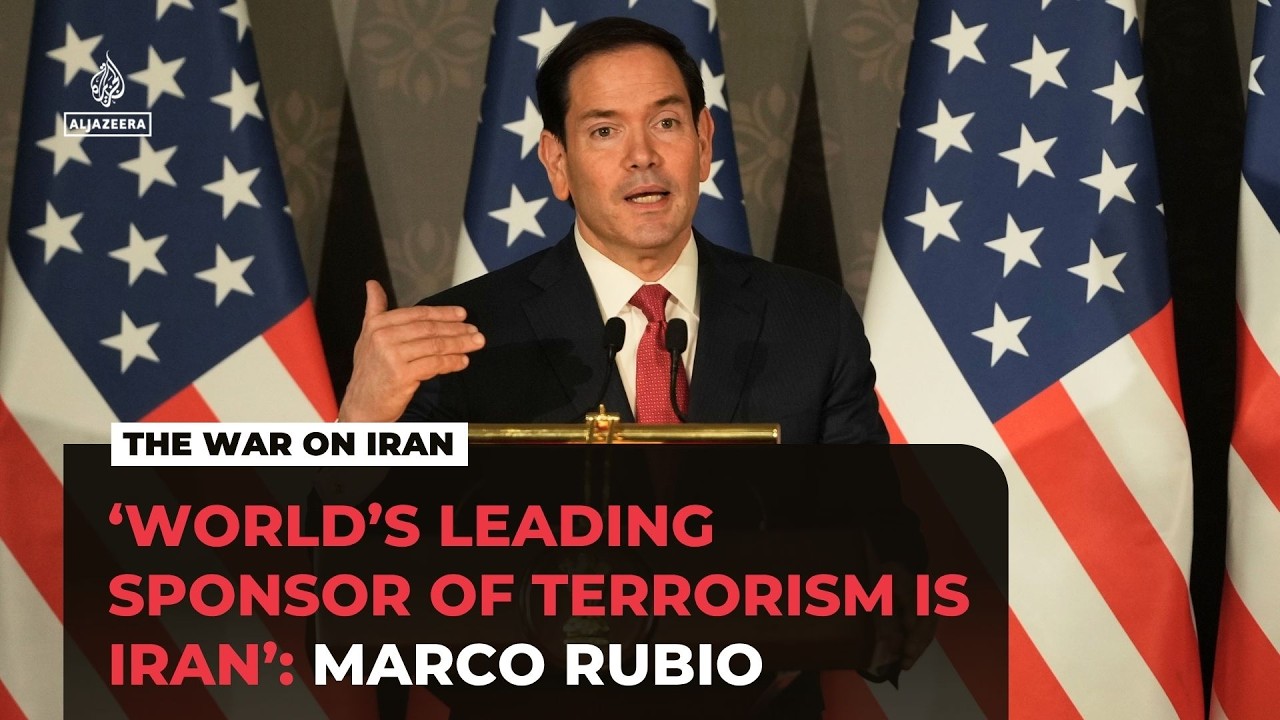
Marco Rubio, during a press conference in New Delhi, accused Iran of being the world's leading sponsor of terrorism, citing its support for Hezbollah and Hamas.
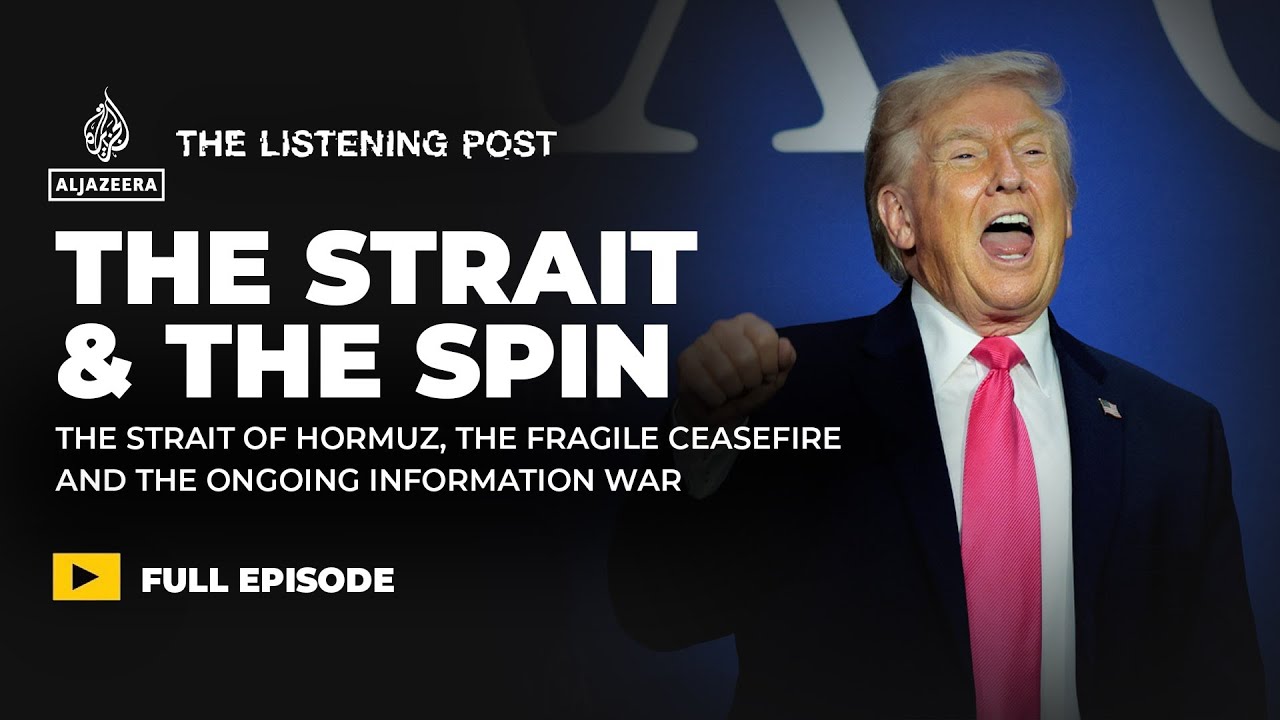
The Strait of Hormuz remains a focal point of tension as a fragile ceasefire between the US and Iran leads to an intensified information war.
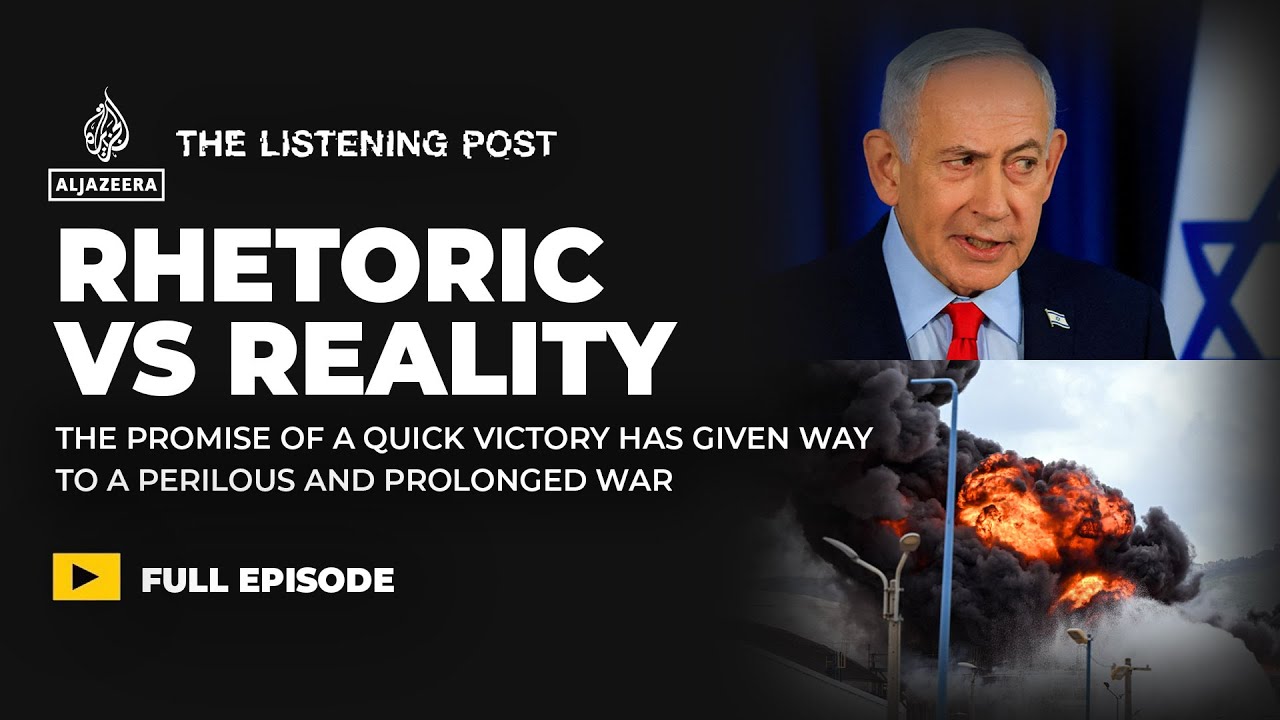
In Israel, a prolonged conflict with Iran has emerged amid increasing censorship and a strategic information war, as highlighted by experts like Daniel Levy and Trita Parsi.
Four weeks into the war on Iran, the White House faces backlash from MAGA supporters as internal divisions emerge over its contradictory messaging.
As the war on Iran escalates with assassinations of political leaders and strikes on energy infrastructure, media coverage faces increasing scrutiny and pressure.
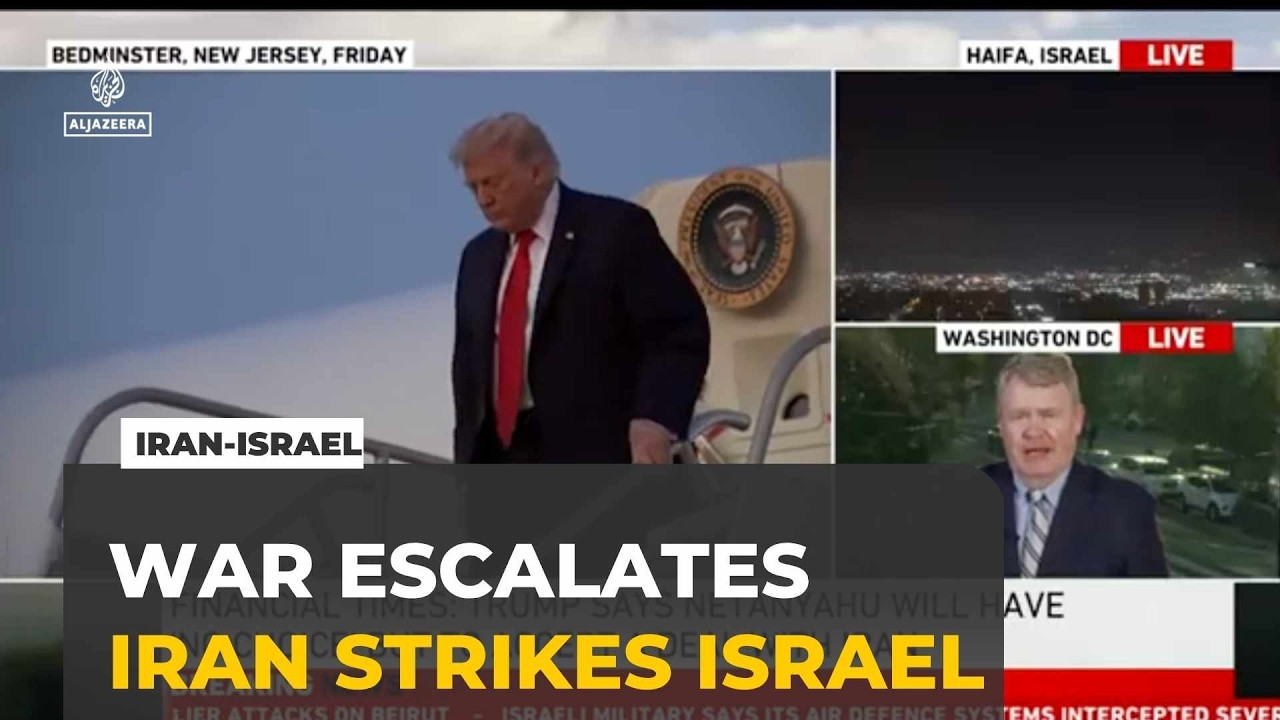
Iran's missile strikes on Israel, described as retaliation for attacks linked to Beirut, have led President Donald Trump to urge Prime Minister Netanyahu for restraint.
Iran's proposal to ease tensions in the Strait of Hormuz is under review by the White House as President Donald Trump assesses US red lines amid ongoing negotiations.
Iran's Revolutionary Guard Corps (IRGC) seized the cargo ships MSC Francesca and Epaminondes in the Strait of Hormuz, alleging unauthorized operations.
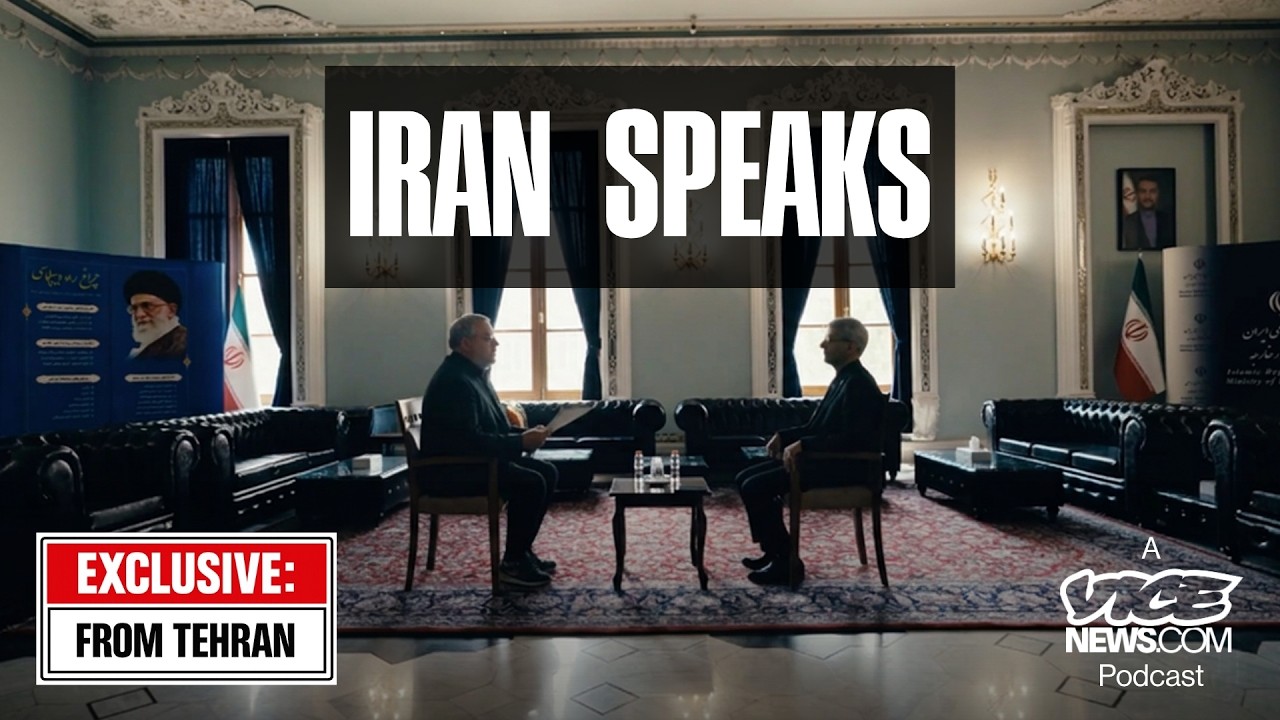
Esmail Baghaei, spokesperson for Iran's Foreign Ministry, discusses Iran's response to U.S. military pressure, nuclear accusations, and regional tensions in an interview recorded in Tehran.
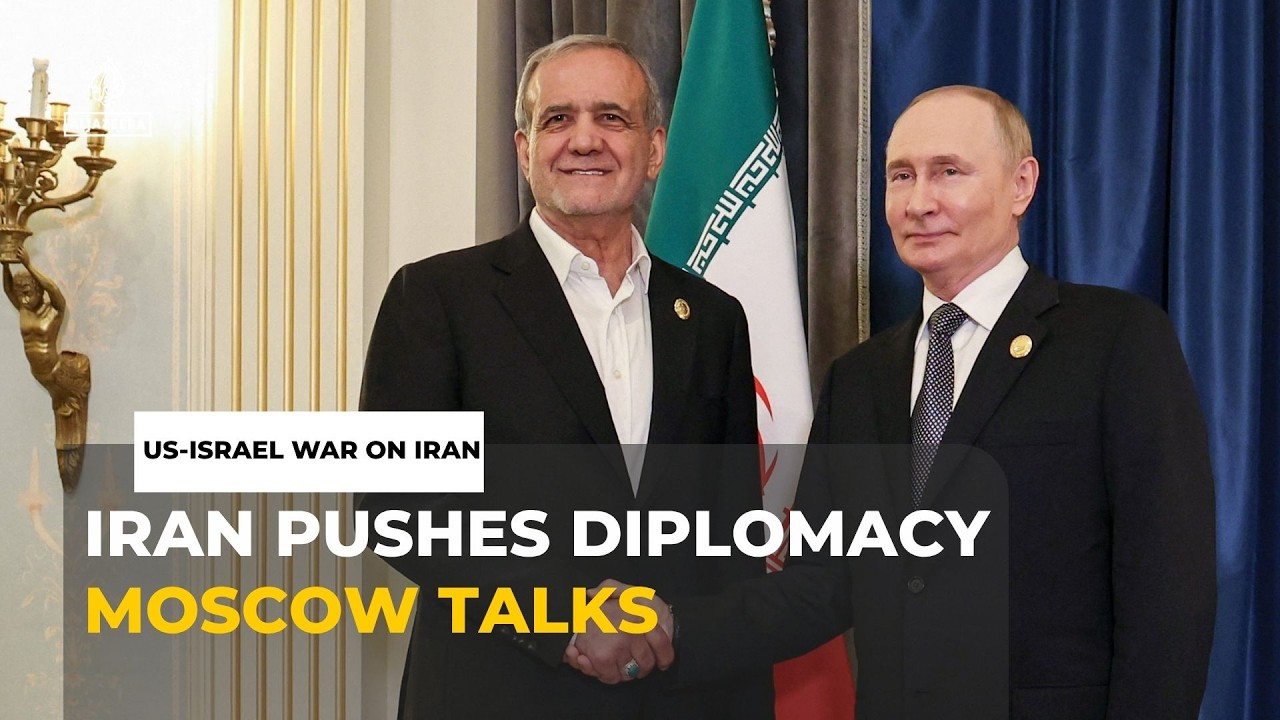
Abbas Araghchi's diplomatic visit to Moscow aims to address rising tensions with the United States and discuss security in the Strait of Hormuz.
Iran's suspension of indirect negotiations with the United States is linked to escalating Israeli strikes in Lebanon, raising concerns of broader regional conflict.
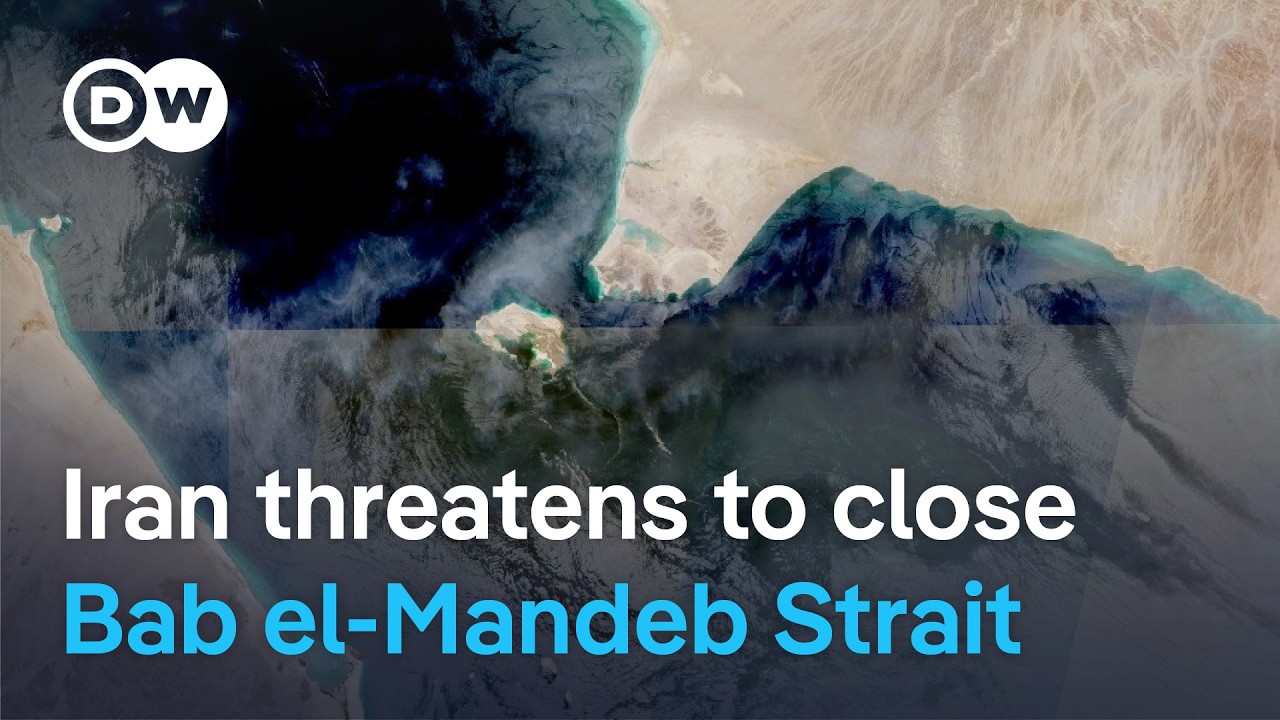
Iran threatens to close the Bab el-Mandeb Strait with the help of Houthi allies in Yemen if the U.S. naval blockade continues, risking global trade disruption.
Iran's military actions have escalated the conflict with the US, resulting in troop deaths and raising concerns about the war's regional implications, according to analyst Robin Wright.
Tensions between the United States and Iran over control of the strategically vital Strait of Hormuz raise questions about global trade and regional diplomacy.
Gulf states like Qatar and Saudi Arabia face increasing missile and drone attacks from Iran, raising questions about the effectiveness of US security guarantees amid shifting geopolitical dynamics.
International legal scholars argue that US and Israeli military actions in Iran, including a strike on a school in Minab, violate the UN Charter and may constitute war crimes.