From over 100,000 films, discover the handful you'll love.
Free or premium access to the world's largest documentary library.
20584 films(Page 64 of 429)
In Ipswich, 19-year-old Luke Durbin was last seen on CCTV on May 11, 2006, leading to a 13-year search by his loved ones to determine if he is missing or murdered.
A young woman is found dead in a case involving a bite mark on her body, leading forensic dentists to help identify her obsessed killer.
Route 132, a perilous 1,612-kilometer stretch from Montreal to the Gaspé Peninsula, poses significant dangers due to sudden snowstorms and high winds.
Hollie Gazzard's tragic story highlights the alarming reality that two people in the UK are murdered each week by their stalkers, driven by obsession and violence.
Keith Harward spent 33 years in prison for a crime he did not commit, convicted based on discredited bite mark evidence before DNA testing exonerated him.
Anita Lopez Keene, a pregnant bride, vanished during a boating trip in Florida, leading to an investigation that revealed her husband Michael Keene's involvement in her murder.
Nguyen Qui Duc, a journalist and former refugee, documented Vietnam's cultural evolution and his personal reflections on home after decades away.
156,000 Allied troops landed on the beaches of Normandy in June 1944 during the largest amphibious invasion in history.
190 inmates are locked up for 22 hours a day in French prisons, where overcrowding and harsh conditions contribute to rising suicide rates.
Tracey Woodford's disappearance in a Welsh town sparked a massive police investigation that ultimately led to the identification of her killer within the community.
Canada's missing and murdered Indigenous women and girls highlight systemic issues of racism, violence, and historical trauma that demand urgent attention.
The Allied invasion of France on June 6, 1944, marked the beginning of the brutal 80-day campaign that included the Battle of the Hedgerows and the destruction of Caen.
A young woman recounts the harrowing experience of witnessing her mother’s murder by her ex-partner, using personal archival footage to share her story.
After World War II, renegade Jewish groups, including the Jewish Brigade and Abba Kovner's faction, sought vengeance against Nazis through kidnappings and assassination plots.
In Oaxaca, Mexico, 13-year-old Luz María and her family navigate a 4.4-kilometer trek daily to access bilingual education in their indigenous community.
At 21, Brian must leave his residential school due to state policy, prompting concerns from his family about his future stability and well-being.
As urban populations surge from 10 percent in the early 20th century to 50 percent today, cities face challenges like pollution and resource scarcity while offering opportunities for sustainable building solutions.
The Monster of Florence case involves the brutal murders of eight young couples between 1968 and 1985, revealing a complex web of cover-ups and conspiracies.
James Burke engages in a candid discussion with seven members of the public, addressing topics like technology, education, and politics in a 1979 BBC interview.
Over 1,000 Indigenous women and girls have gone missing or been murdered in Canada, highlighting a national crisis that demands urgent attention and resolution.
Dubious forensic techniques, including touch DNA and cadaver dogs, have led to wrongful convictions in various criminal cases across the United States.
Around 390,000 Aborigines live in Australia, making up only 2% of the total population, with a significant presence in the Northern Territory.
Ronnie and Donnie Galyon, the world's oldest conjoined twins at 58, face health challenges after a near-fatal illness and require a new home for better care.
A climber recalls their first experience at the Red River Gorge, where they struggled to set up top ropes and learned to embrace vulnerability.
In rural Nepal, students like Zuoh face extreme challenges, walking 10 kilometers daily to attend school with limited resources and a single teacher.
The battleship Bismarck, measuring 250 meters long and weighing over 50,000 tons, was launched by Adolf Hitler on February 14, 1939.
In remote Inelet, Romania, 9-year-old Luminita navigates perilous mountain paths, while 12-year-old William in Peru and sisters Nicol and Niessa in Manila face their own daunting commutes to school.
Khalid Amiry, a former Afghan special forces colonel, leads a fierce resistance against the Taliban in the Panjshir Valley, defying overwhelming odds.
Dr Lina Qasem-Hassan, a Palestinian physician in Israel, navigates the complexities of medical ethics while providing care amid escalating conflict.
Mark Standen, a high-ranking Australian law enforcer, was implicated in an international drug plot that led to a major reevaluation of police trust and operations.
North Korea's athletes prepare for the 2024 Paris Olympics after competing in Rio de Janeiro in 2016.
On December 26, 2004, a magnitude 9.3 earthquake triggered a devastating tsunami in the Indian Ocean, prompting insights from seismologists and survivors.
H.A.A.R.P., a U.S. military project, is scrutinized for its alleged capabilities in weather manipulation and psychological warfare, raising ethical concerns about its technology.
Herm, a small Channel Island, faces unique challenges for its residents, including job scarcity and the necessity for older inhabitants to leave upon retirement.
Life in Gaza is portrayed through the experiences of resilient individuals navigating the challenges posed by ongoing conflict and military presence.
Paul Bernardo and Karla Homolka, known as the "Ken and Barbie Killers," were convicted of the brutal rapes and murders of three young women in Toronto, including Homolka's sister.
Aviation accidents have occurred since the Wright brothers, highlighting the ongoing risks of air travel despite advancements in safety technology.
The Hitler Youth program transformed millions of German children into fanatical soldiers during World War II, exemplified by the survival story of Jewish teenager Solomon Perel.
Life as a soldier in the American War of Independence is explored through personal experiences, battlefield archaeology, and the contrasting roles of the Continental Army and British forces.
Amateur internet sleuths on social media played a pivotal role in the Boston Marathon bombing investigation, leading to significant journalistic repercussions.
Spitman, a controversial figure on London’s council estates, engages young men in bizarre acts for money, raising questions about exploitation and morality.
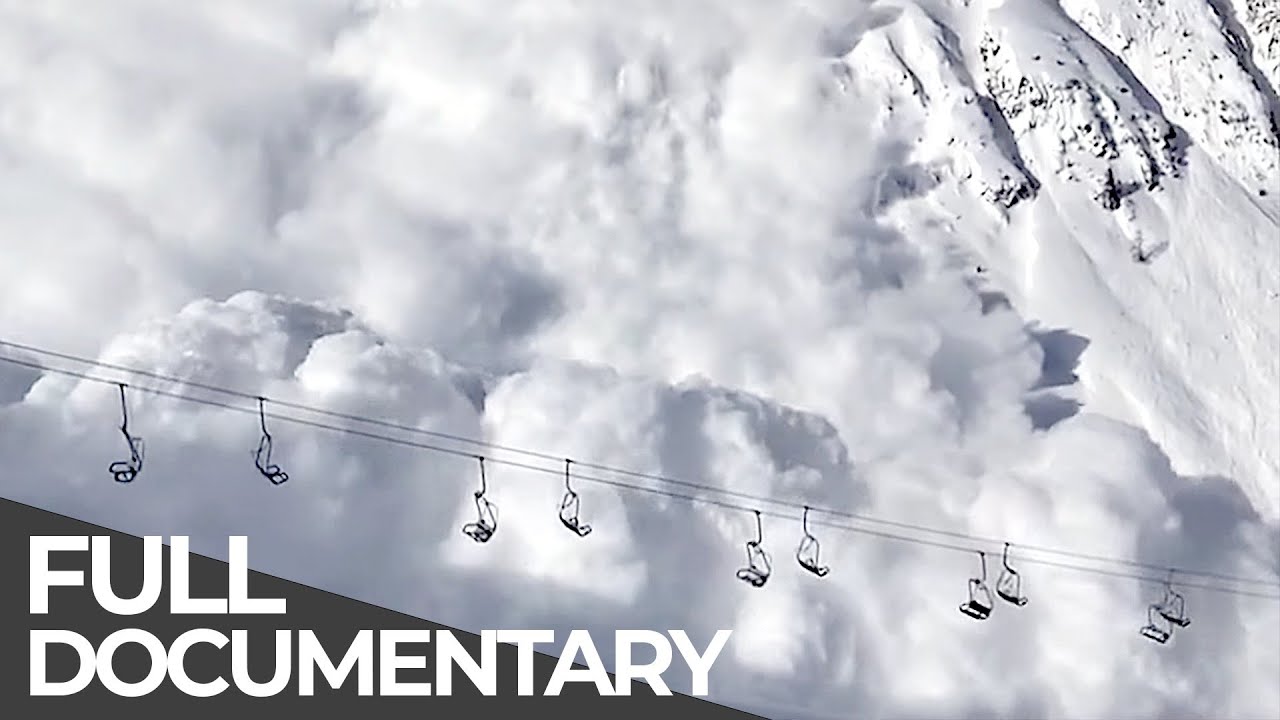
Avalanche blasters, cold weather workers, tornado hunters, iceberg cowboys, and airspace surveillance systems highlight some of the world's most challenging and dangerous jobs.
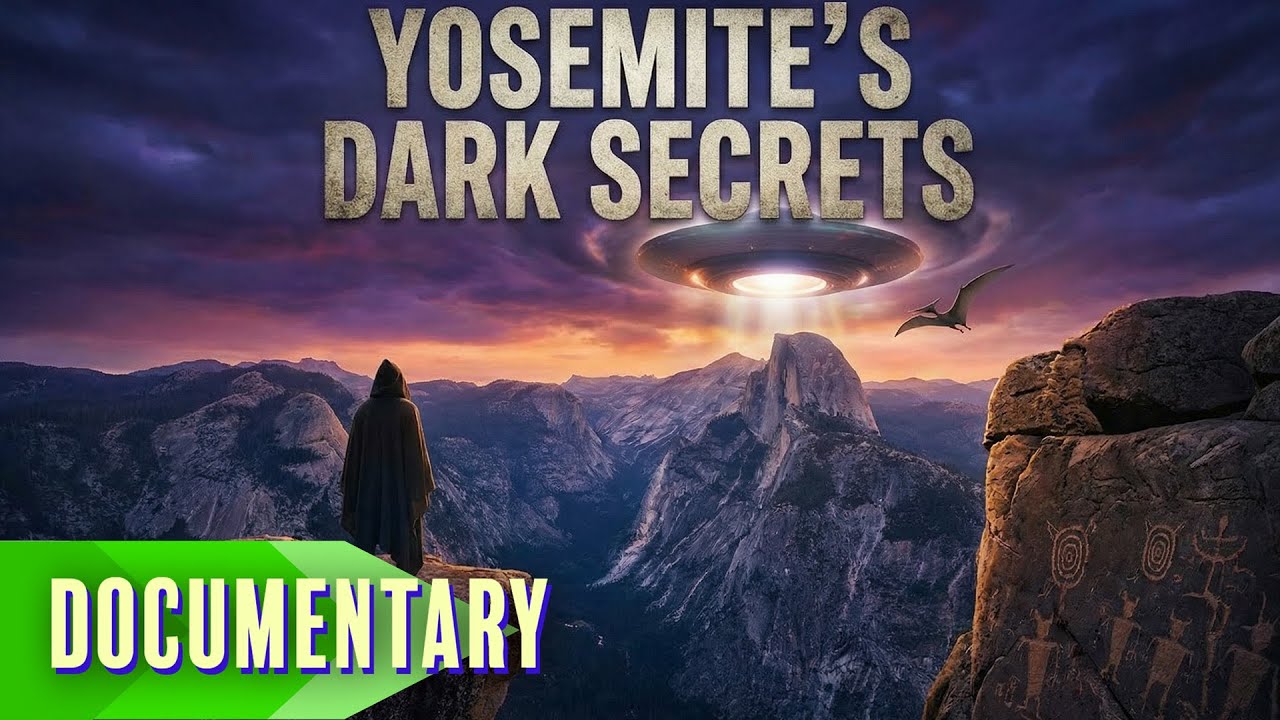
Yosemite National Park is the site of numerous unexplained disappearances, spectral sightings, and reports of a prehistoric creature resembling a pterodactyl.
French sailors formed a resistance under General de Gaulle during World War II, operating submarines like the Rubis to combat German battleships.
Anthony Shore, known as the Tourniquet Killer, murdered one woman and three girls in Los Angeles between 1986 and 1995, prompting forensic psychologists to analyze his case.
Refreshment kiosks in the Ruhr region of North Rhine-Westphalia, once numbering 20,000, now face decline, with only 2,000 remaining operational today.
Every day, around 100 people enter and 100 people leave Bexar County Jail, which houses nearly 4,500 inmates at any given time.
Mums in the early 1970s are examined through children's perspectives, highlighting the contrast between stay-at-home and working mothers in Hackney.