From over 100,000 films, discover the handful you'll love.
Free or premium access to the world's largest documentary library.
20579 films(Page 120 of 429)
Dorothy Cotton, a key figure in the Southern Christian Leadership Conference, reflects on her experiences traveling with Martin Luther King Jr. and his approach to nonviolence.
In the Amazon, the Yanomami tribe's encounter with anthropologists like Napoleon Chagnon and Jacques Lizot led to cultural exploitation and devastating consequences.
Russian conservatism has contributed to a severe HIV-AIDS epidemic, exacerbated by inadequate government response and rampant drug addiction among its citizens.
Asian Americans, the fastest growing demographic in the United States, have a rich history that spans from early arrivals to their significant contributions in contemporary society.
Djouri Bigué, the village chief of Belil Tanfirgan in Niger, organizes a dromedary race to raise funds for building a much-needed school in his community.
Evangelical Christianity thrives in the United States, as host Tevya explores a local pastor's multi-site service featuring a rock band and examines the community's approach to giving.
A retired public servant in Budapest struggles with red tape after failing to apply for a retirement bonus within the prescribed period.
Hackers confront the pervasive surveillance state fueled by social media's exploitation of personal data, highlighting the urgent need for technological resistance.
A discreet army of workers at major shipping ports around the world manages high-value and high-volume shipments to ensure timely deliveries.
Five refugees from Syria, Bosnia, Chile, Germany, and Nigeria share their experiences of fleeing violence and finding new lives in Germany through art.
Israel's first two decades, from 1948 to 1967, are examined through archival footage and commentary from figures like Michael Douglas and Ehud Barak.
UK enforcement agents tackle property disputes, evict squatters, and recover funds for victims, highlighting the complexities of legal reclaiming efforts.
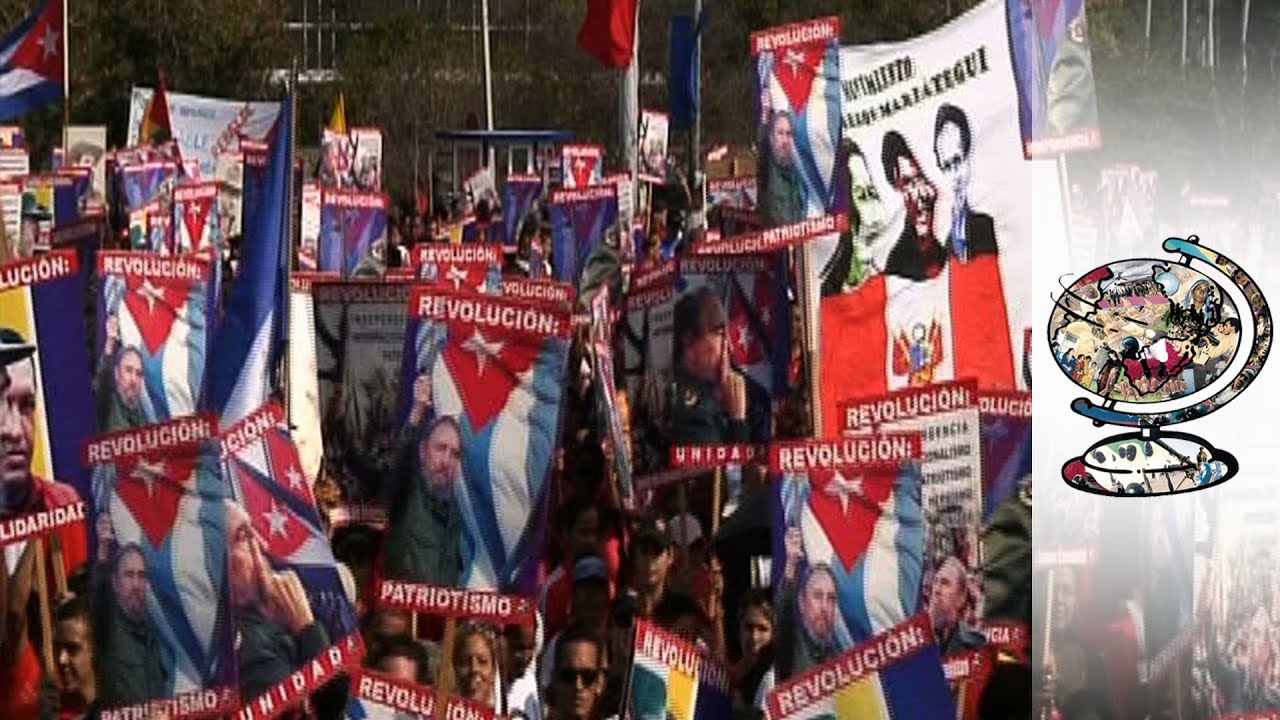
Life in Cuba under Fidel Castro's regime reveals a complex reality of state control, economic challenges, and a push for an energy revolution amidst discontent.
After 22 years of occupation, Israel withdraws from southern Lebanon, revealing the dominance of Syrian intelligence over the Lebanese government.
Susan Wright, dubbed the blue-eyed butcher, was tried for the murder of her husband Jeffrey, who was found buried in their Texas backyard, stabbed 193 times.
In 1971, six death row inmates orchestrated the largest prison break in U.S. history, marking the first successful helicopter escape from a correctional facility.
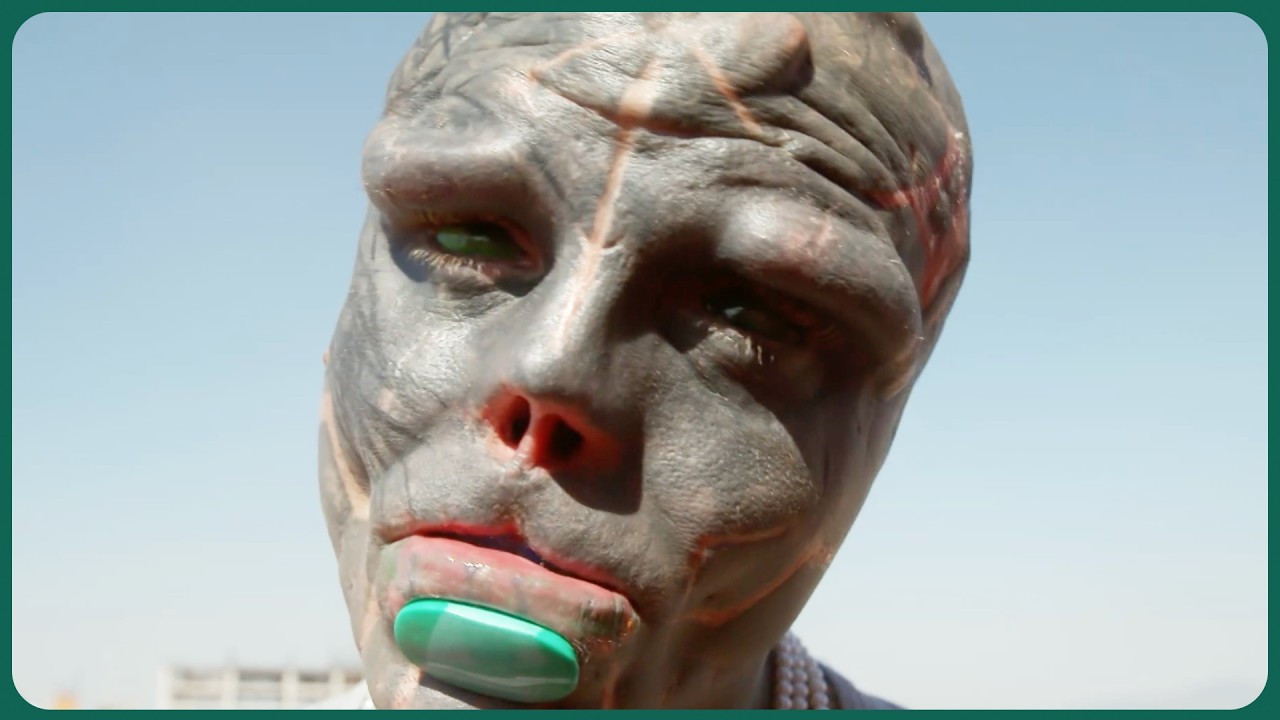
Anthony Loffredo, who has undergone extreme body modifications to resemble an alien, shares his story with journalist Arthur Bruel in Mexico.
Flin Flon, a small Canadian mining town, thrives on its passionate support for the legendary junior hockey team, The Flin Flon Bombers.
American farmers Ralph, Seth, and Cliff Kaehler return to Cuba to reignite trade relations after the US embargo, reflecting on their historic ties with Fidel Castro.
More than 15,000 African American soldiers served in World War II, facing challenges and fighting for liberty against Nazi ideology.
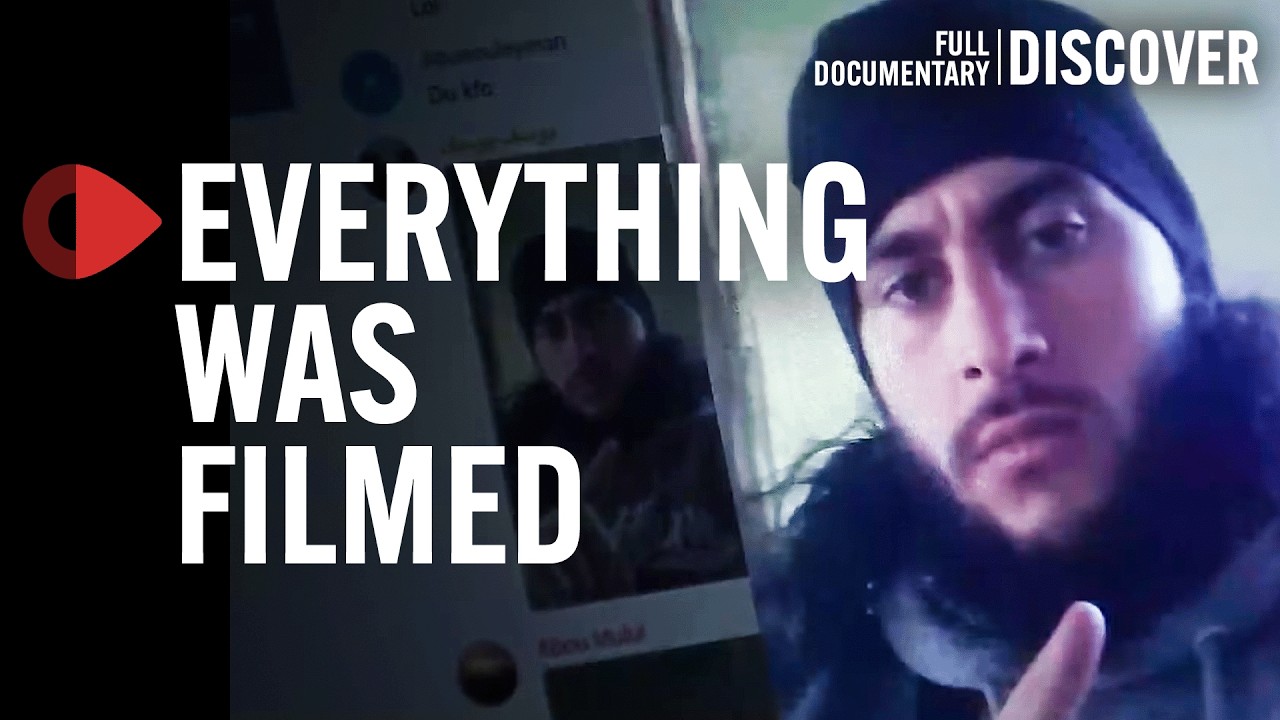
A journalist infiltrated a French ISIS cell for six months, capturing the radicalization and activities of young jihadists preparing for an attack.
Chinbayar seeks guidance from lamas and shaman elders across Mongolia to navigate the conflict between his family's gold mining and the sacredness of the land.
Marketing strategies and belief systems significantly influence health choices and perceptions of disease, highlighting the complex interplay between society and wellness.
Second Battalion, Seventh Marine Regiment faced extreme combat in Afghanistan, only to return home and confront a staggering suicide rate among veterans.
Survivors of incest share their powerful stories of abuse and resilience, highlighting the universal patterns and emotional struggles faced by victims.
Brutal crimes, including robbery and abuse, plagued West Germany after WWII, as citizens struggled to survive amid the chaos and devastation.
Aicha and Ceyda, both from modest backgrounds in Munich, reflect on how their experiences shape their success and drive to support others facing poverty.
The Reichstag Fire of February 27, 1933, served as a pivotal event that facilitated Adolf Hitler's rise to dictatorship, raising questions about the true identity of the arsonist.
In the 1950s, Singapore's open-air prison experiment on Pulau Senang aimed to rehabilitate gangsters but ended in chaos, violence, and a notorious riot.
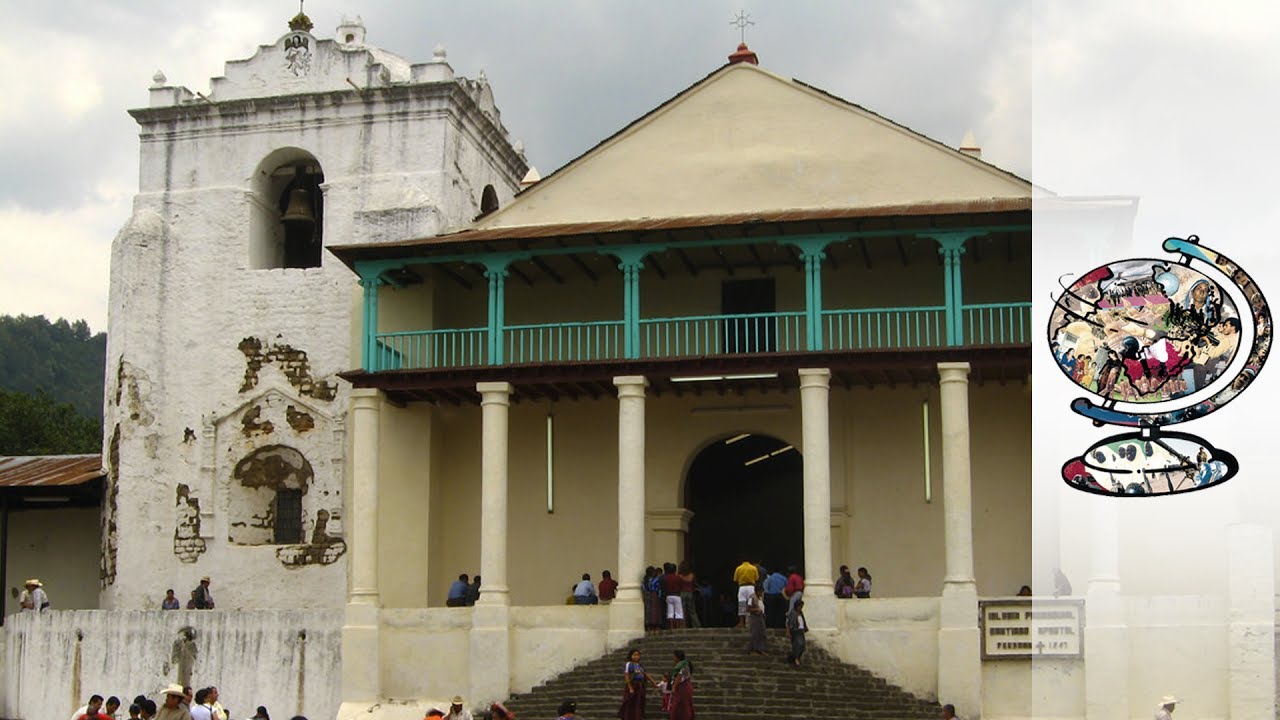
Father Stanley Rother, a missionary priest in Guatemala, was murdered in 1981, prompting an investigation into the violent circumstances surrounding his death.
Ramata Dia, a courageous journalist and mother, explores three decades of women's history in Mali, highlighting their quest for freedom across generations.
Barrington "One-Eyed Baz" Patterson, a notorious figure in cage fighting, shares his brutal past and resilience after a life of street brawls and violence.
Bahr El Ghazal, a region in Sudan, faces extreme violence and famine during the civil war, with aid efforts hampered by the UN's refusal to enter.
Post-war Bosnia faces renewed violence as Serbian residents are systematically intimidated and forced to flee by vengeful Albanian gangs.
Nadiya Hussain explores her lifelong struggle with anxiety and panic attacks while seeking effective treatments and raising awareness about mental health in the UK.
The Ku Klux Klan, formed in the aftermath of the Civil War, is examined for its origins, rituals, and enduring influence on American society.
Demand for sperm and egg donation is increasing among diverse families, raising concerns about regulation and the rights of donor-conceived children.
Japan's strict prison system, characterized by harsh rules and treatment of inmates, raises questions about its effectiveness in maintaining one of the world's lowest crime rates.
Cattle theft has escalated in South Africa, prompting farmers to arm themselves and the military to patrol the border, as tensions rise among communities.
Gun violence in America inflicts profound trauma on survivors and communities, as healthcare professionals battle to save lives amid a relentless crisis.
Afghan women, facing brutal oppression and violence, are rising against injustice, exemplified by courageous young activists determined to enact change.
A shortfall in capital funding for First Nations schools runs at $189 million a year, affecting children's access to safe and suitable education across Canada.
Narendra Modi's rise to power has been shaped by the RSS movement's ultranationalistic ideology, leading to divisive citizenship reforms and widespread oppression of minorities.
In Singapore during the 1960s and 70s, the Wahab-Hassan brothers led a violent criminal empire, culminating in a notorious manhunt and deadly shootout with police.
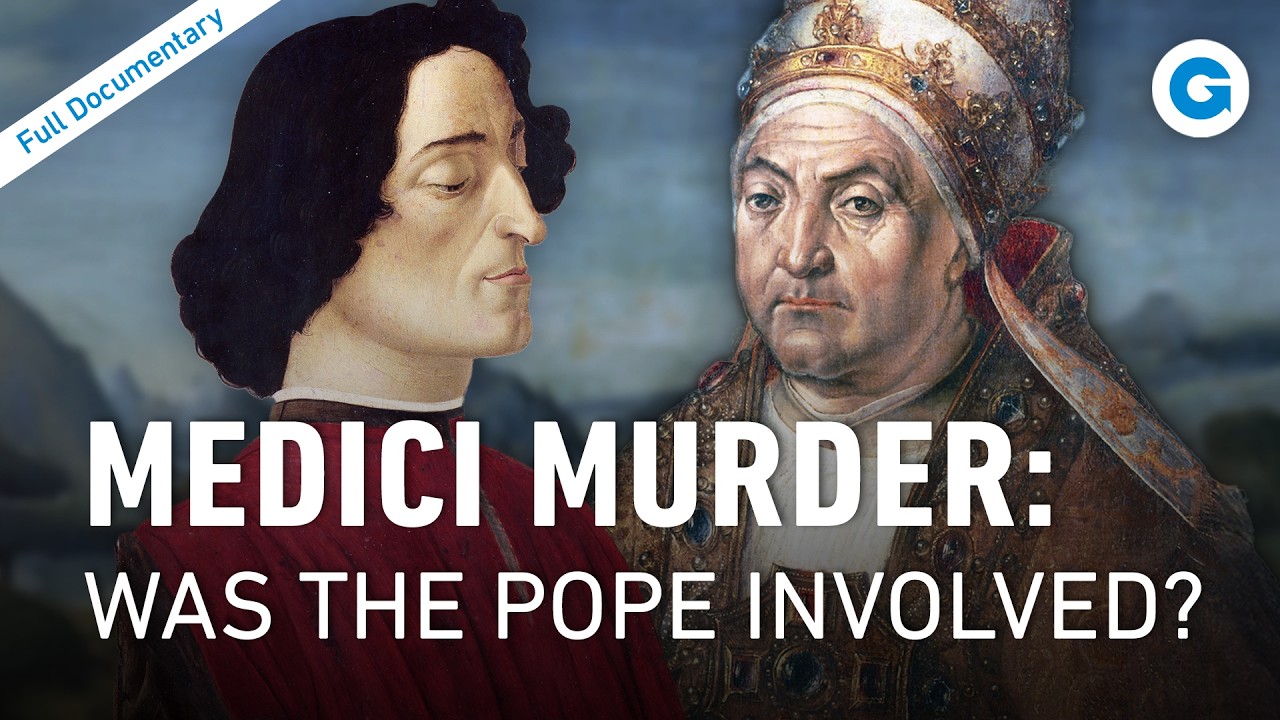
In Renaissance Florence, the Pazzi family's assassination attempt on Medici brothers Giuliano and Lorenzo in 1478 leads to a failed coup and historical repercussions.
Princess Diana, known as the "People's Princess," became an international icon through her humanitarian efforts and fashion influence before her tragic death in 1997.
Caiomhe Butterly, a young peace activist, risks her life as a human shield in Palestine, providing a unique perspective on the struggles of the Palestinian people.
Five canoes carried the last remaining survivors of a great flood thousands of years ago, marking the beginning of the Haida Nation's enduring legacy.