From over 100,000 films, discover the handful you'll love.
Free or premium access to the world's largest documentary library.
179 films(Page 3 of 4)
In 2018, Harvard University scientists conducted a solar geoengineering experiment to test the effects of stratospheric aerosol injection on climate change.
To replace just 2% of all kerosene in the EU with synthetic alternatives by 2030, around 5,000 additional offshore wind turbines would need to be built.
Hydrogen could supply up to 20 percent of global energy needs by 2050, a significant increase from nearly zero today.
The U.S. first commercial nuclear power plant began in 1958, leading to a nuclear energy future.
500 parts per million of natural hydrogen were detected in a Bavarian forest, indicating the potential for significant underground deposits.
Companies from British Airways to Facebook commit to achieving net zero emissions.
Gerard Barron discusses The Metals Company's deep-sea mining as an alternative to traditional methods.
Truck manufacturers face critical decisions between fully electric batteries and hydrogen fuel cells as they strive to meet emissions reduction targets.
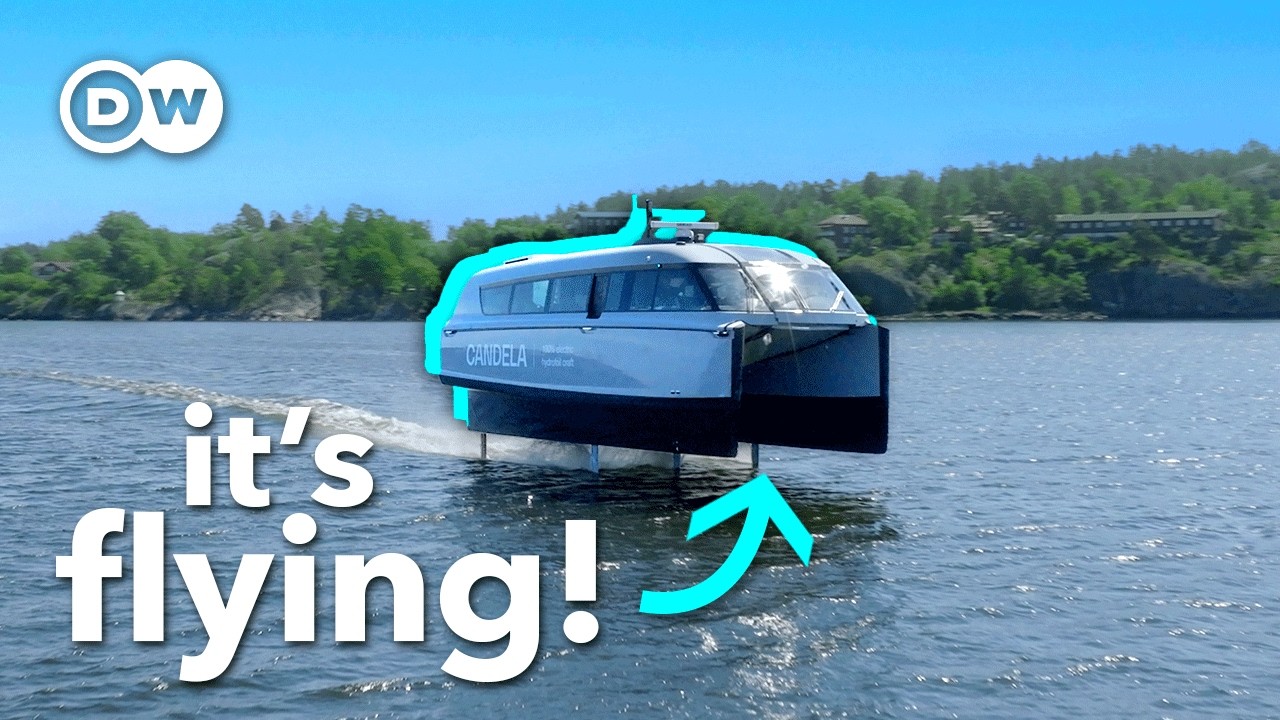
Candela, a Stockholm-based company, is revolutionizing maritime transport with fully-electric hydrofoil ferries that glide above the water's surface.
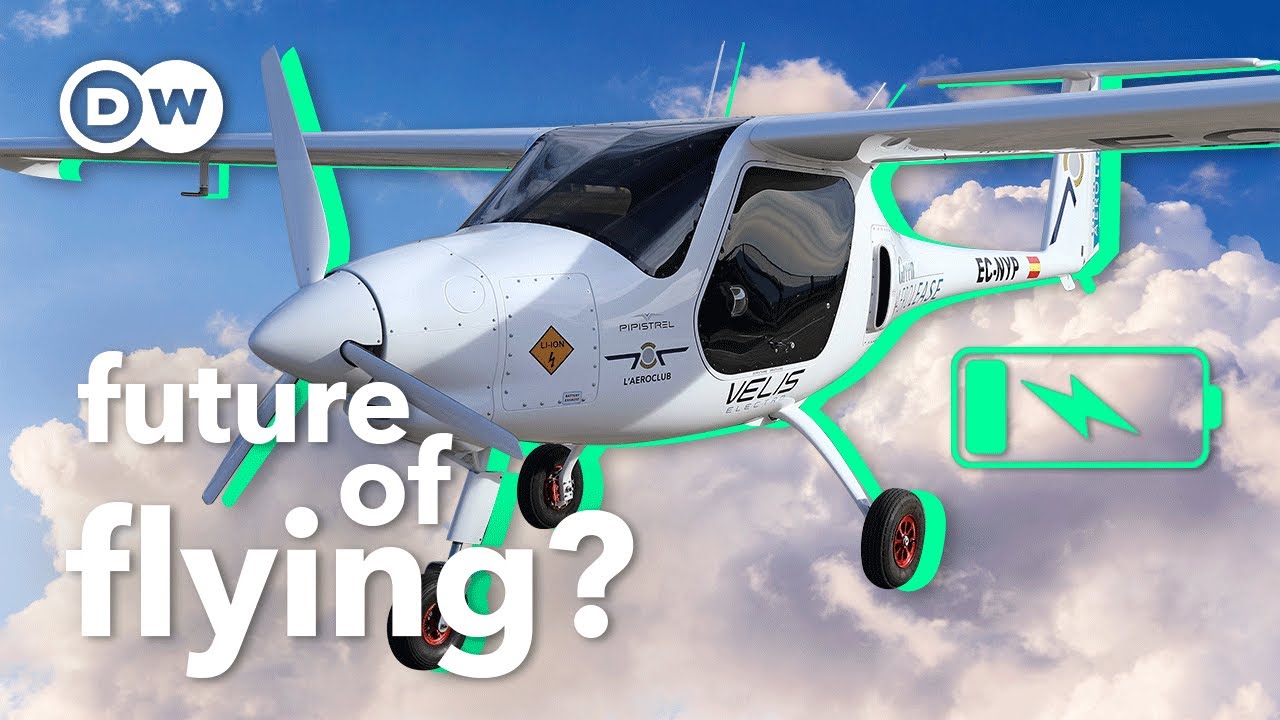
Aviation accounts for around 3% of global emissions, a figure projected to rise to over 24% by 2050 without significant changes in technology.
A carbon fiber chassis for the Alfa Romeo 4C weighs just 143 pounds, but its construction involves a labor-intensive, hand-crafted process.
Carbon capture and storage (CCS) technology has failed to meet its promises, with many companies still relying on it two decades after its introduction.
Almost 30 countries worldwide have implemented a form of carbon tax to address pollution from fossil fuels and combat climate change.
More than 80 startups and projects have pursued small modular reactors, yet only one has been built to date.
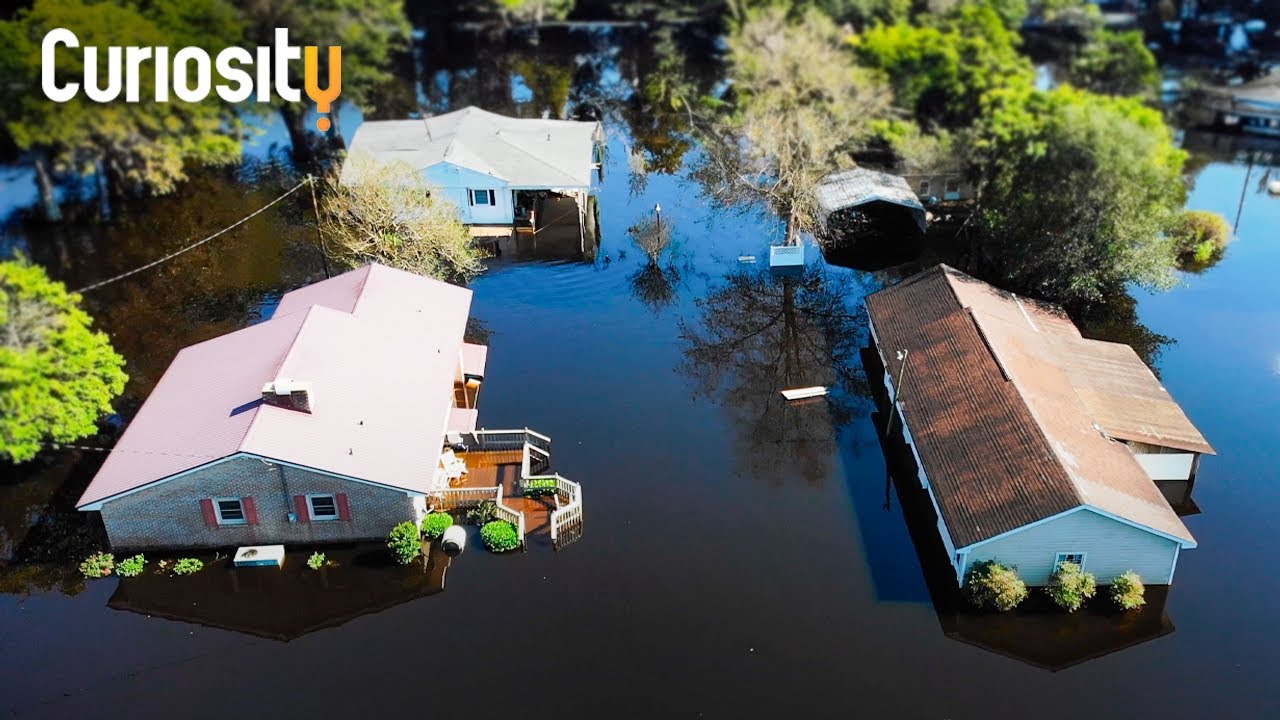
At the end of September, Hurricane Helene caused blackouts in North Carolina, but some electric vehicle owners powered their homes using car batteries.
Steel production contributes over 7% to climate change, prompting exploration of solutions like hydrogen and carbon capture to create greener alternatives.
Since 1990, Sweden has reduced its net greenhouse gas emissions by 80 percent while doubling its economy, becoming a leader in climate action.
The Green New Deal aims to tackle climate change and economic inequality in America and the UK.
Half of all industrial greenhouse gas emissions since the industrial revolution come from the fossil fuel industry, raising questions about the role of natural gas.
Wooden skyscrapers offer an innovative solution to urbanisation and carbon footprint issues.
Glacier Bay, Katmai National Monument, and Mount McKinley National Park are showcased through stunning visuals of Alaska's diverse landscapes and natural beauty.
Melissa Lott states that achieving affordable, reliable, zero-carbon power requires a combination of variable renewables, energy storage, and firm dispatchable power.
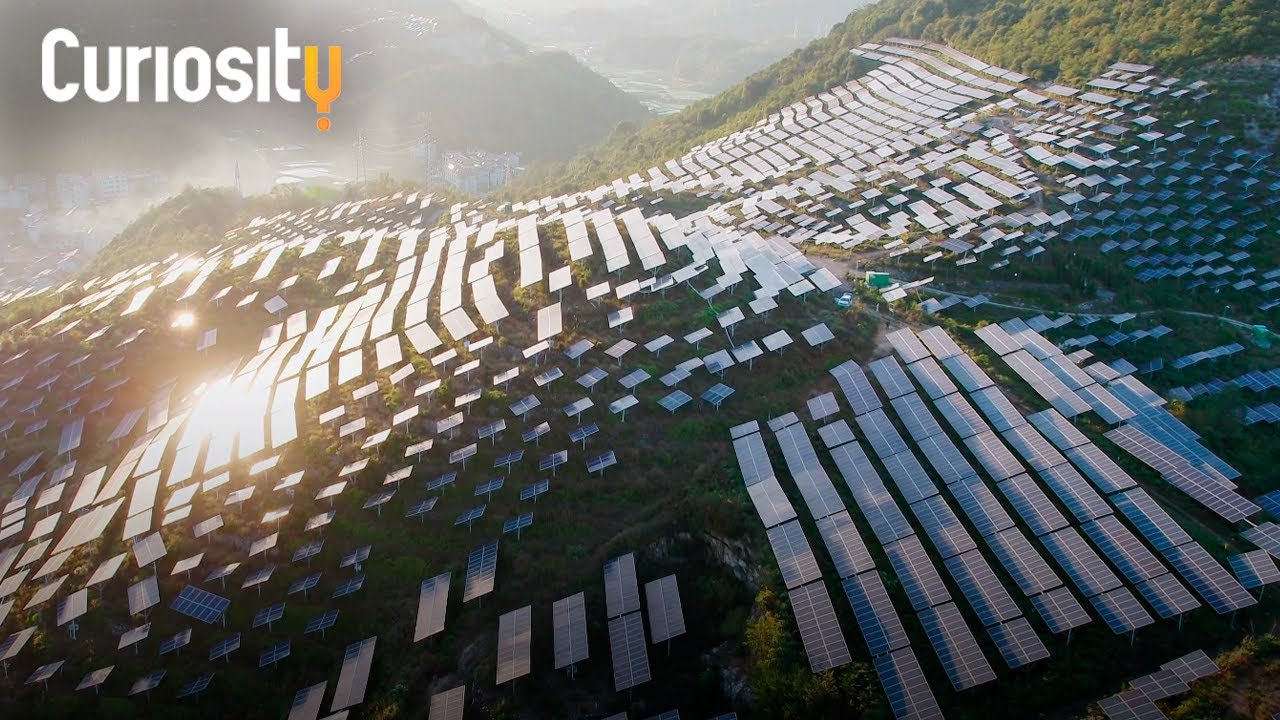
In 2020, renewable energy sources in the United States surpassed coal in energy production for the first time, highlighting a significant shift in the energy landscape.
Arrival has set up one microfactory in the UK and two others in the US, aiming to produce 10,000 vehicles a year within six months.
A single rocket launch can produce 150 times as much carbon dioxide as a transatlantic flight, raising concerns about the environmental impact of increased space travel.
A family in Berlin aims to reduce their carbon footprint by 56 percent over one year, participating in a project with 90 other households.
A 40% chance exists that global temperatures will reach 1.5 degrees Celsius above pre-industrial levels in the next five years.
Somalia faces its worst drought in 40 years, with half the population needing urgent food aid.
Freddy Dodge and his team work to revive a struggling gold mine in Colorado, facing time constraints and natural obstacles to increase profits.
The last decade is measured as the hottest globally, driven by rising carbon dioxide levels.
Mike helps Biochar Now in Colorado create fertilizer from recycled wood to combat global warming.
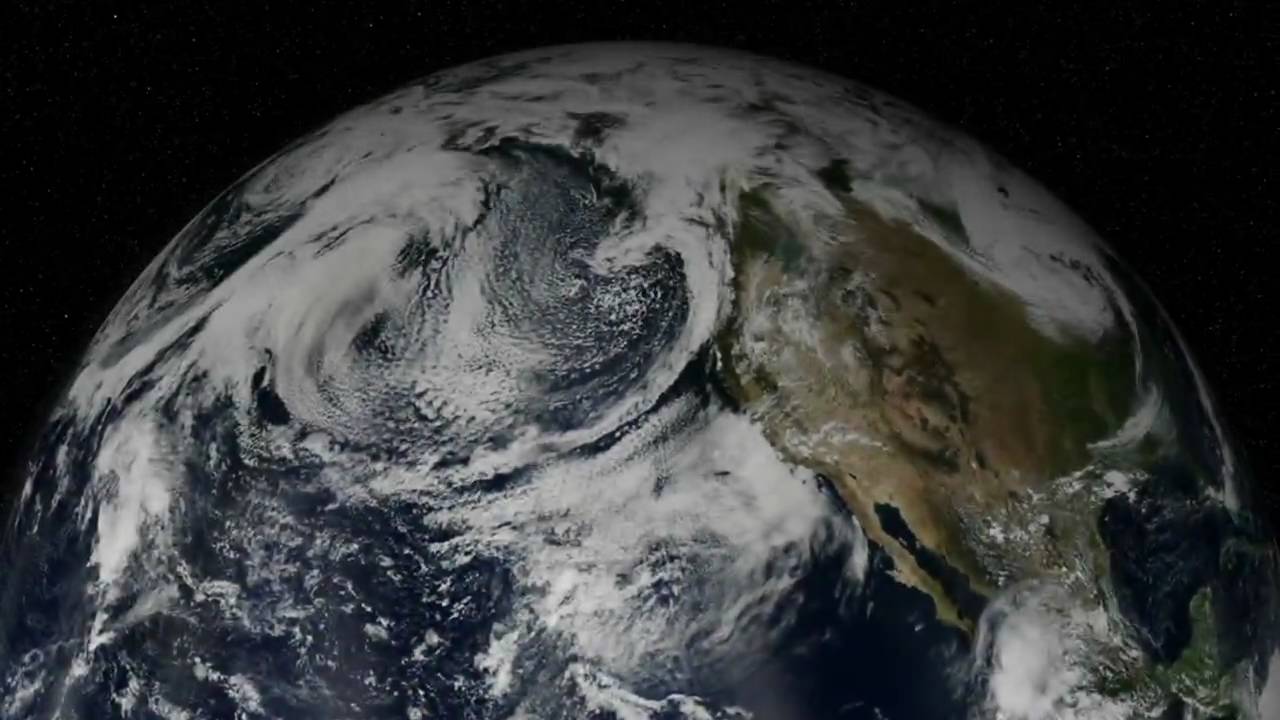
Over 500 tornadoes struck the central plains in April and May 2019, killing 13 people and damaging towns from Texas to Iowa.
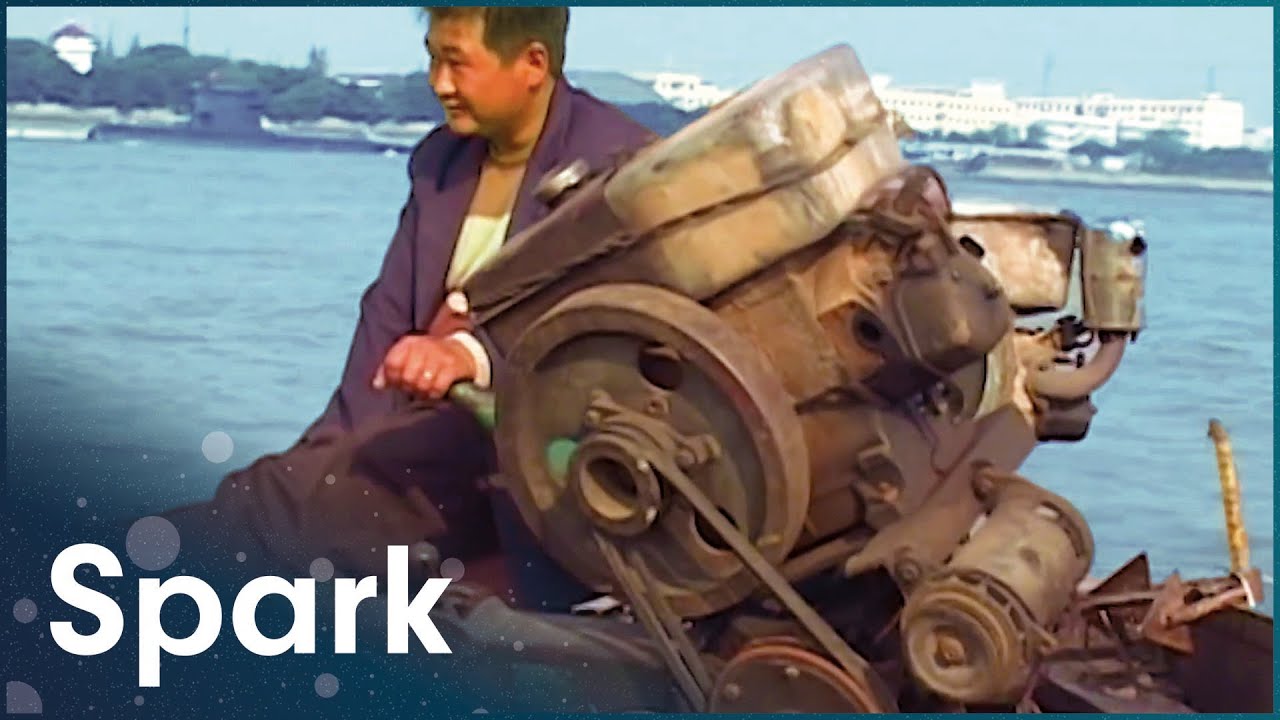
A fisherman can catch up to 50 kilograms of scrap metal in a day, but on a bad day, he may only collect five kilograms.
A quarter of a century ago, Yakuba Sawadogo began transforming barren land in Burkina Faso into fertile soil, impacting thousands in the Sahel region.
Gravity batteries offer innovative solutions for storing excess renewable energy, ensuring a reliable power supply during low solar and wind conditions.
One ton of coal from the North Antelope Rochelle Mine produces 3,700 pounds of carbon dioxide emissions, raising concerns about climate change.
New breakthroughs reveal asteroids as both threats and potential resources for humanity.
One in five of the world's 2,000 largest publicly listed companies committed to net zero emissions targets as of last year.
Greta Thunberg criticizes world leaders at the UN climate summit, including Trump and Merkel.
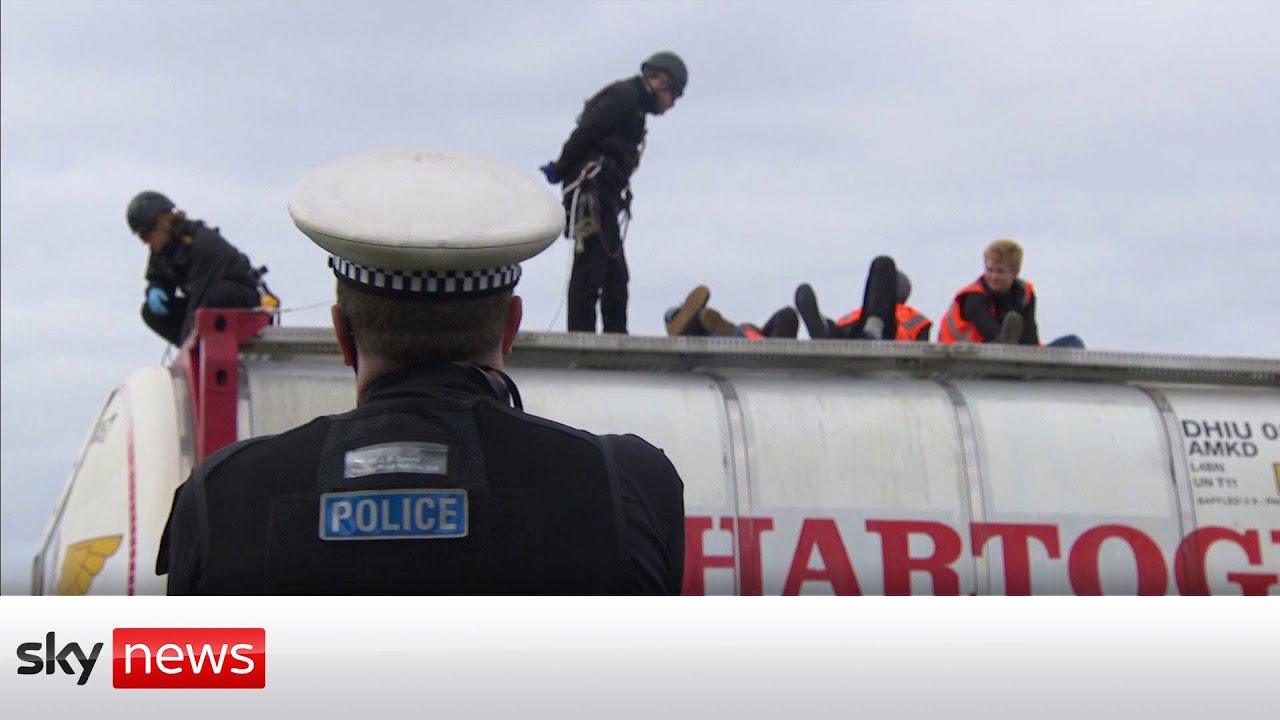
Just Stop Oil activists disrupt operations in Essex to protest fossil fuel production.
Helen and her family fight against the Keystone XL pipeline in Nebraska.
Indigo Rumbolo discusses Just Stop Oil's protests and the urgent climate crisis in the UK.
Innovative solutions for a net zero economy emerge in the sustainability space in 2022.
Betsy Southerland discusses her challenges at the EPA under Scott Pruitt after her July retirement.
Activists vandalize the Aston Martin Showroom in London to protest fossil fuel production.
Apple announced plans to use recycled materials for products while nearing renewable energy goals.
Barack Obama’s climate legacy is complicated by significant fossil fuel investments abroad.
Beijing's Winter Olympics rely on artificial snow, raising serious environmental concerns.