From over 100,000 films, discover the handful you'll love.
Free or premium access to the world's largest documentary library.
179 films(Page 1 of 4)
Lancaster, California, aims to become the first carbon-neutral community in the United States, transforming its economy and infrastructure since 2009.
In Costa Rica, Brazil, and Australia, scientists study complex forest ecosystems to understand their potential in mitigating climate change and species extinction.
Scientists aim to plant over a trillion trees as part of a broader strategy to combat climate change and reduce carbon dioxide levels in the atmosphere.
By 2030, continued fossil fuel consumption could trigger irreversible climate events, threatening humanity's survival and prompting global calls for change.
The ITER project, the largest fusion research initiative in the world, aims to create a Tokamak reactor that will weigh 23,000 tons.
Over 2,500 workers contribute to the construction of a 315-metre-long cruise ship that weighs 80,000 tonnes and can carry more than 7,000 passengers.
149 lamps, each as powerful as a large cinema projector, are used in research to produce green hydrogen from light and water without greenhouse gas emissions.
Afaz Akand, a 75-year-old farmer in Hijli, cultivates jute, a crop that could potentially replace plastic and improve local farmers' incomes.
The United States aims for a 50% reduction in greenhouse gas emissions by 2030 as part of its goal to achieve net-zero carbon emissions by 2050.
577 solar systems and over 3,400 exoplanets have been discovered since the first observation of a planet outside our solar system just over 20 years ago.
Gazi risks his life in Bangladesh's sewers to survive in the world's most populous country.
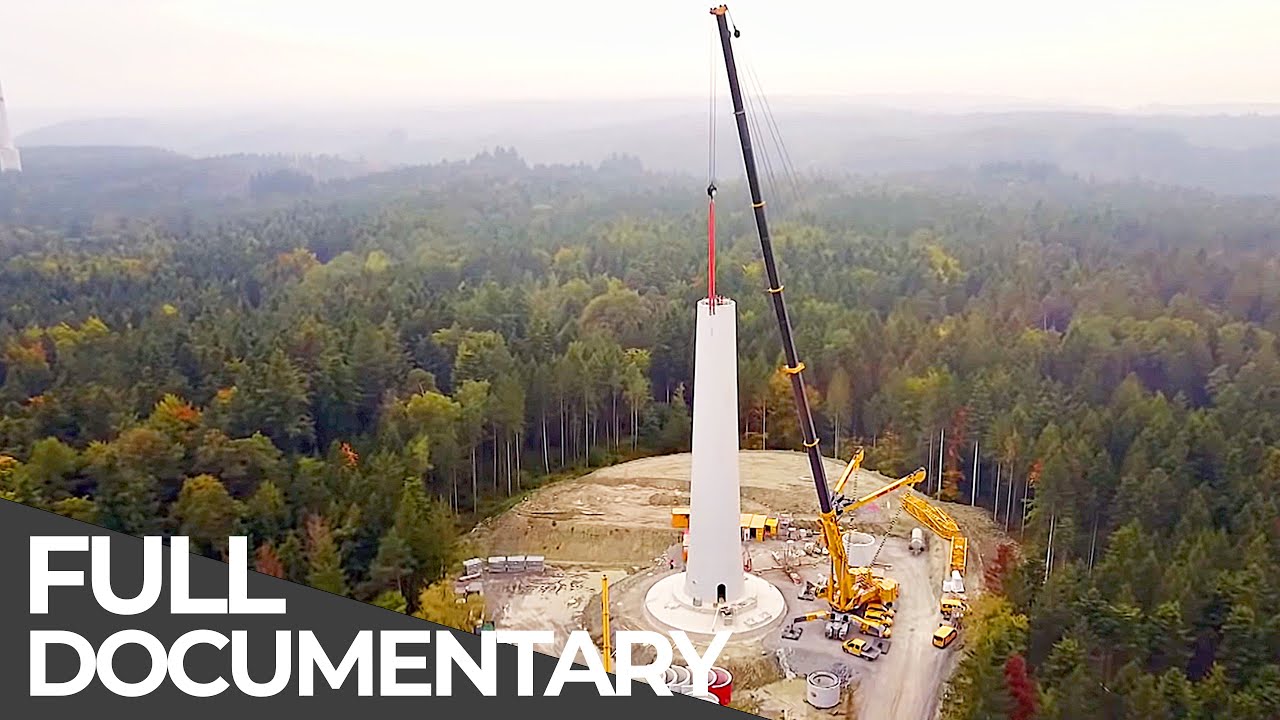
A nine-axle LTM 11200-9.1 crane with a 100-metre telescopic boom lifts components weighing several tons to construct a new wind turbine tower.
Since 1995, astronomers have discovered more than 100 planets orbiting distant stars, raising hopes for finding a new home for humanity.
400 million tons of plastic worldwide releases about 800 million tons of carbon dioxide into the air each year.
Seventy percent of all clothing is made from plastic, primarily polyester, contributing to significant environmental challenges linked to the fashion industry.
Every year, 500,000 Europeans die prematurely due to air pollution, with coal being a significant contributor to this crisis.
Hurricane Gustav caused 13 billion dollars in damage and left two million people without power for weeks across the southern United States.
Close to 56 million tons of clothes are sold every year, with fast fashion brands like Zara producing 65,000 new models annually.
Refrigerators, a staple in modern households, are examined for their environmental impact, highlighting the urgent need for sustainable refrigeration solutions.
Unchecked global warming threatens to drive into extinction one out of every two creatures on Earth, according to the film's analysis of climate change impacts.
One out of every two creatures on Earth faces extinction due to unchecked global warming, which threatens agriculture, sea levels, and civilization itself.
Episode 4 features the export of wind turbine towers and heavy transport logistics in Scotland.
Director Guillaume Lenel discusses asteroid mining as a solution for rare metals from disposable electronics.
315 meters long and weighing 80,000 tons, the Meraviglia is built to accommodate over 7,000 passengers and features advanced environmental technology.
In the 1970s, scientists in Iceland realized they had harnessed only a tiny fraction of the country's geothermal energy potential.
Circularity is the only hope for survival, as it mimics how nature operates and promotes sustainable practices across various systems.
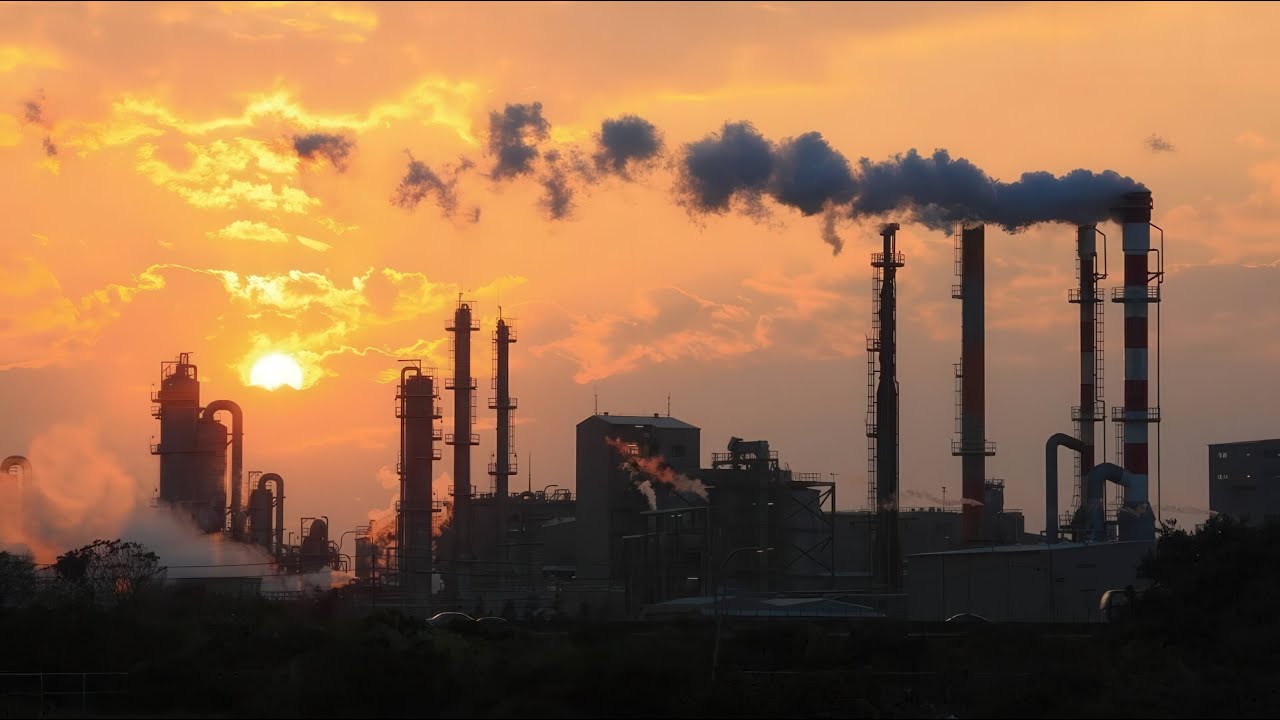
Shell’s refinery in Rotterdam processes crude oil into fuels while adapting to future energy demands.
Global shipping innovates with wind-powered machines to reduce greenhouse gas emissions.
Cow flatulence, particularly methane emissions from cattle, significantly contributes to greenhouse gas levels, prompting Albert Nerenberg to investigate climate change's local impacts.
2012 was the hottest year on record in the United States, marked by extreme weather events and rising sea levels linked to climate change.
A floating solar farm in Singapore can power 16,000 flats and offset 32 kilot of carbon emissions, contributing to a 100% green waterworks system.
Discover the Airbus A350's maiden flight from Munich to Hong Kong and its innovative design.
In 2019, Iceland declared its first glacier dead after losing 35 meters of ice cover in just 130 years, a sign of accelerating climate change.
Hydrogen is examined as a sustainable energy source, exploring production methods, environmental impacts, and applications with insights from the International Energy Agency.
Peter Kalmus reduced his fossil fuel use to one-tenth of the average American, prompting a personal and societal examination of climate action.
Weighing 390 tons fully loaded, the Antonov 124 is one of the largest heavy lift transport planes, capable of carrying cargo up to 120 tons.
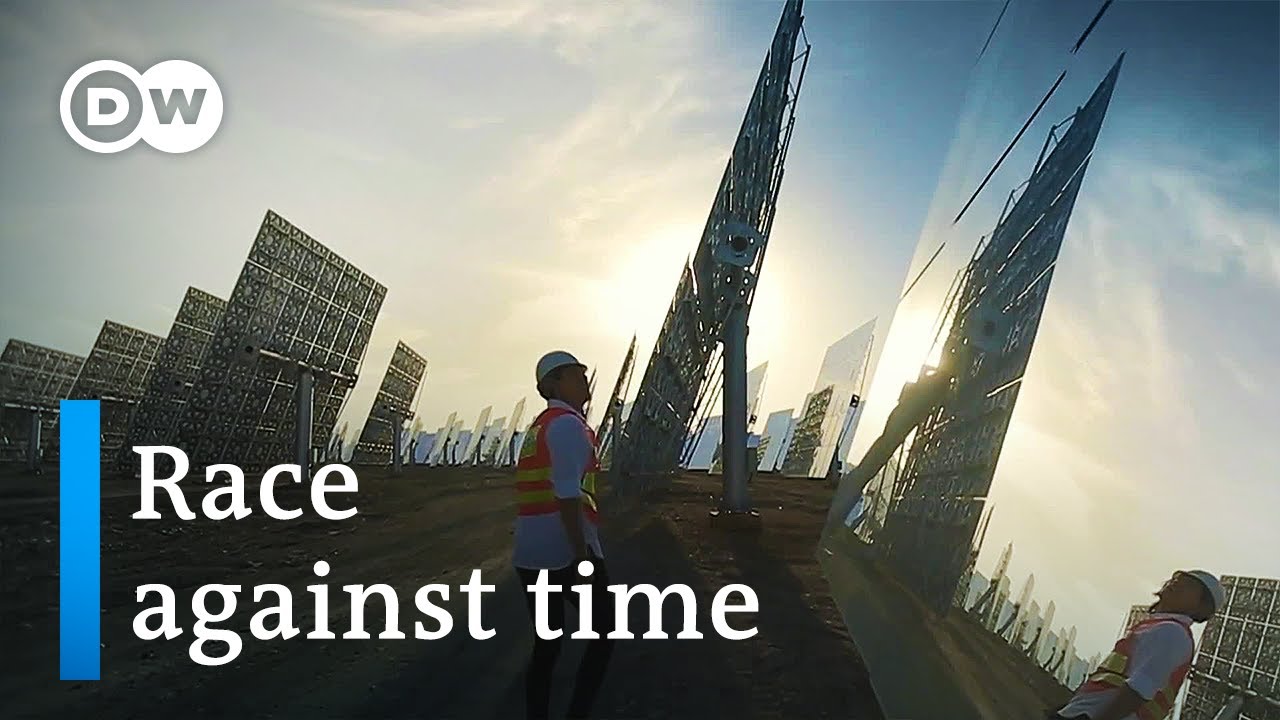
A solar energy project in China's Tengger Desert will supply electricity to over two million homes, marking a significant shift towards renewable energy.
Ten to fifteen new mines are projected to open in Europe over the next decade to support the electric vehicle industry and reduce dependency on imports.
More than 150 families in the Petorca region of Chile rely on water trucks for survival due to severe water shortages linked to avocado farming.
Each morning, Casadi Kasango descends 30 meters into a poorly secured mine shaft in the Democratic Republic of the Congo to extract cobalt for electric vehicles.
Oil companies have known since the 1940s and 50s that carbon emissions contribute to sea level rise, yet they concealed this information from the public.
At least 15 percent of the continental United States has been leased by oil and gas companies for hydraulic fracturing operations.
97% of the world's supply of rare earths is mined in China, which has become the dominant player in this critical market for modern technology.
Niger's Areva mine produces uranium, endangering Arlit's residents and wildlife.
Big Oil companies like ExxonMobil and Shell covered up global warming truths for decades.
Whitehaven, a town in Cumbria, faces a critical decision as it considers plans for a new coal mine, the first approved in Britain in 30 years.
Norway's Sovereign Wealth Fund has grown to about $900 billion, equating to roughly $170,000 for each citizen, raising questions about the future of its oil dependency.
Carbon capture and storage (CCS) is examined for its potential to help industries like steel and cement achieve net zero emissions amid ongoing climate challenges.