From over 100,000 films, discover the handful you'll love.
Free or premium access to the world's largest documentary library.
590 films(Page 9 of 13)
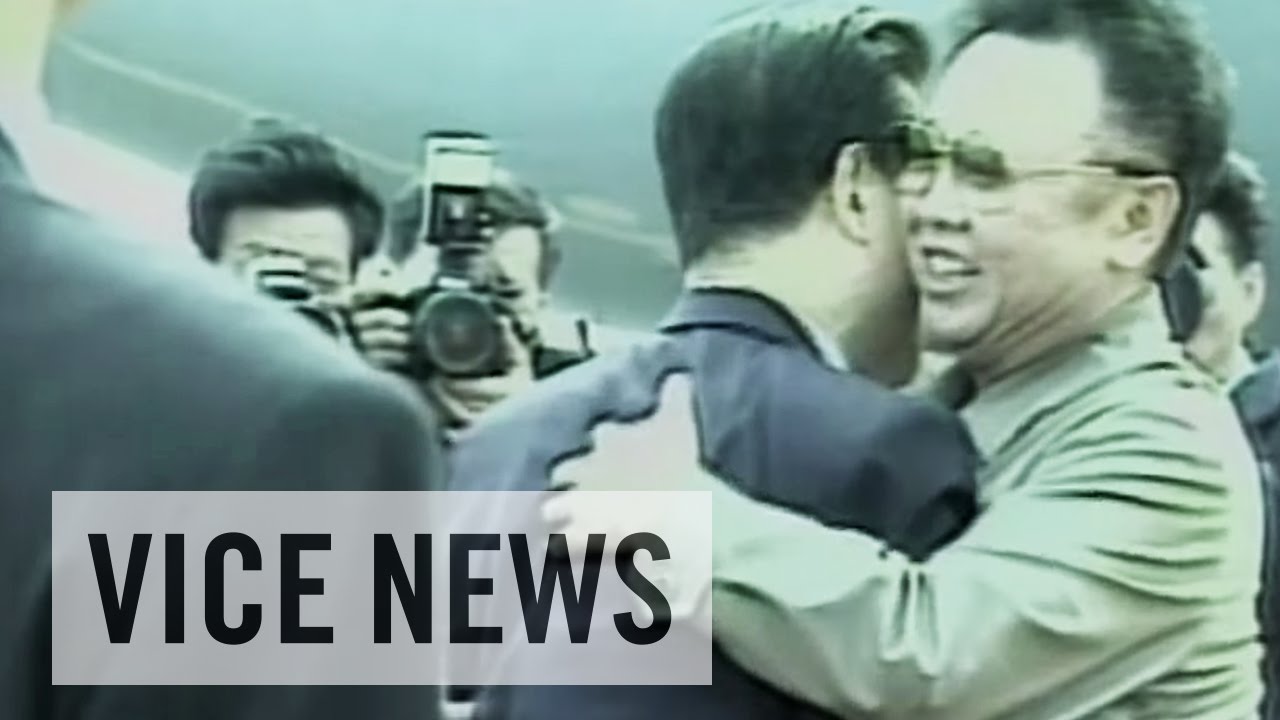
In late 2014, a balloon launch by North Korean defectors from the Human Rights Foundation led to a brief exchange of gunfire along the 38th parallel.
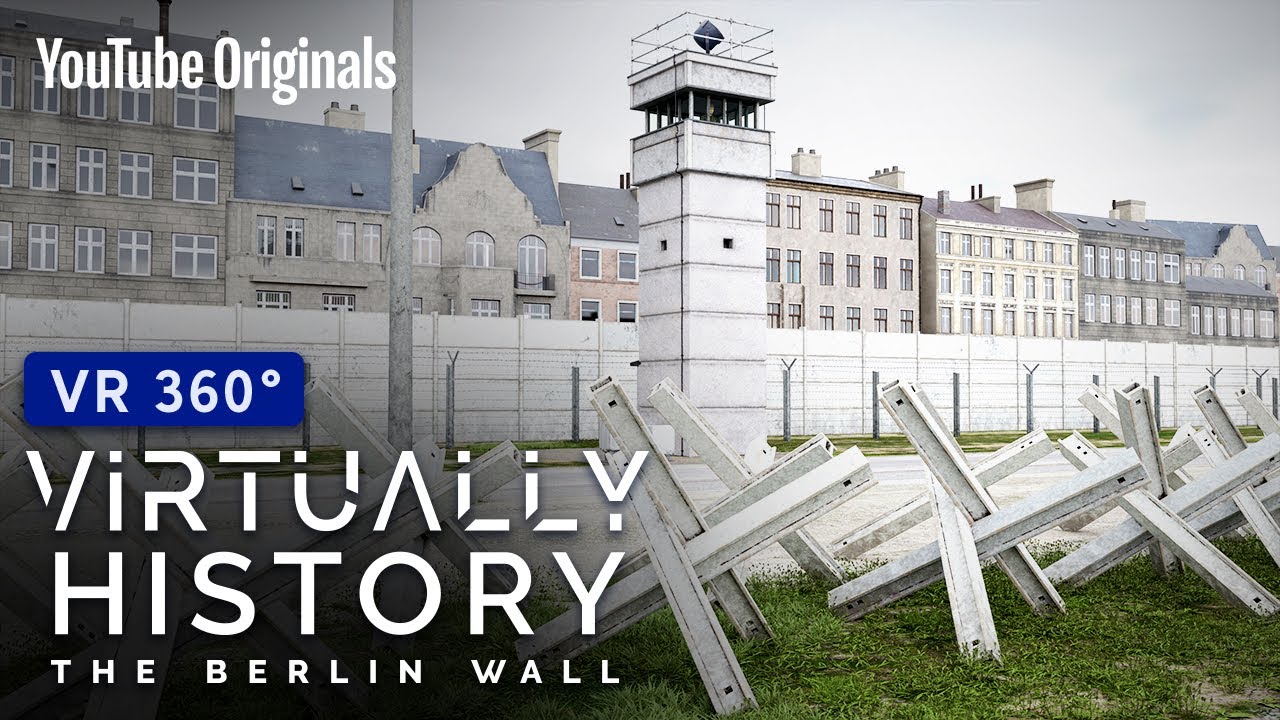
The Berlin Wall becomes a fortified barrier with a deadly Death Strip and Czech Hedgehogs.
On September 13, 1985, Major General Pearson fired a missile from an F-15 at a satellite 345,000 feet above Earth, marking a significant military achievement.
In 1980, the rape and murder of four American churchwomen in El Salvador sparked international outrage and revealed the extent of government cover-ups during the civil war.
America and Russia have pulled out of the INF treaty, raising global stability concerns.
A 1953 coup in Iran, supported by the CIA, has had lasting effects on the relationship between the US and Iran for decades.
The CIA's Gambit satellite system transforms aerial reconnaissance of Soviet military targets in 1963.
The Tarelka, conceived during the Cold War, successfully flies in early tests despite low-tech methods.
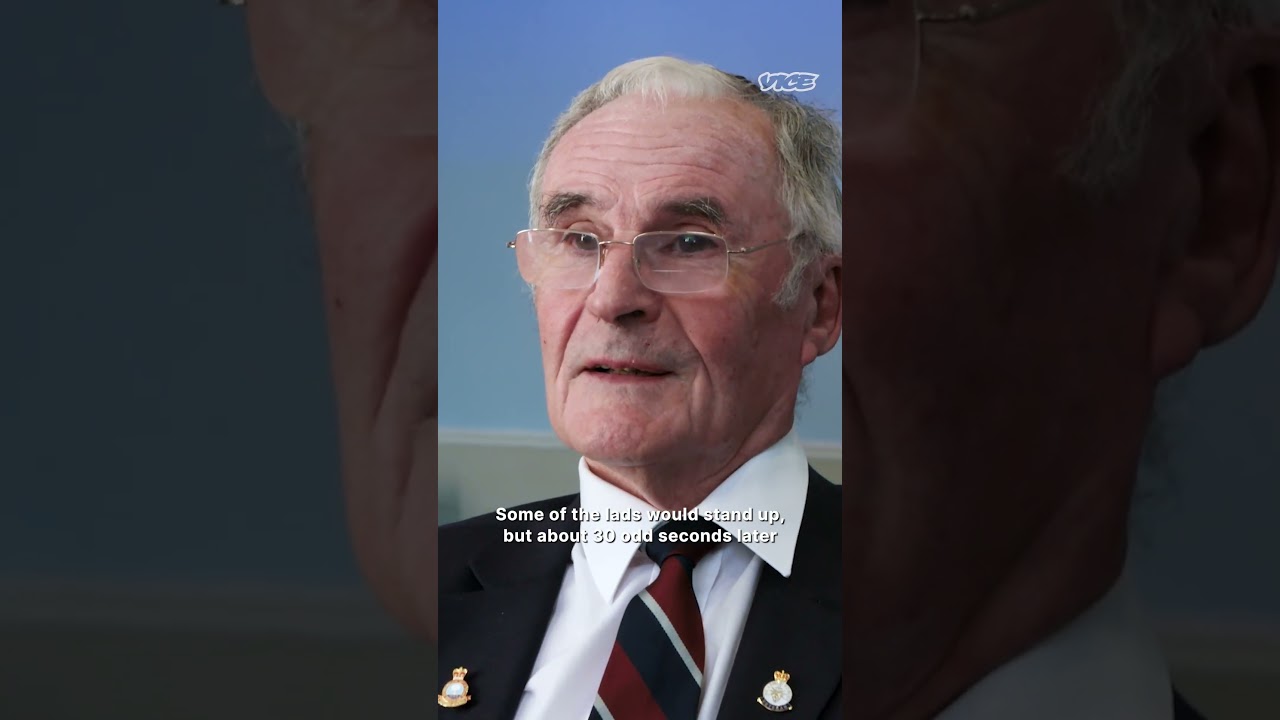
British veterans recount their experiences of nuclear blasts in Australia and the Pacific.
65 million people died in the first 18 months of the HIV/AIDS epidemic, revealing significant gaps in the global response to infectious diseases.
The United States implements the Marshall Plan to rebuild post-war Europe and counter Soviet influence.
Klaus Fuchs, a key figure in the Manhattan Project, provided critical nuclear secrets to the Soviet Union, influencing the dynamics of the Cold War.
Sputnik I's launch in 1957 alarms the U.S. about Russian advancements in the space race.
Over nine days in August 2012, photographer Issa Touma documents the chaos of the Syrian uprising from his apartment in Aleppo.
Veterans Rudy Reyes and Ronnie Adkins reveal how a U.S. Army unit deceives Nazi forces.
Saxitoxin, found in contaminated clams, is 1,000 times more deadly than cyanide and can cause heart failure within minutes.
A one-megaton bomb, 80 times as powerful as the Hiroshima explosion, could destroy a city and kill half a million people in a nuclear attack.
On March 17, 1953, the U.S. Army conducted an atomic test at Yucca Flat, Nevada, as part of its ongoing nuclear weapons program.
Bioweapons development remains a contentious issue, as military mysteries from the World Wars to Vietnam reveal hidden narratives of conflict and secrecy.
On October 9, 1967, Ernesto 'Che' Guevara was captured and killed in Bolivia, marking the end of his guerrilla campaign and solidifying his status as a revolutionary icon.
Almost a quarter of Cambodia's population was killed during the Khmer Rouge regime, with many survivors still grappling with the aftermath today.
In 1954, the CIA and MI6 built a 1,400-foot tunnel under Berlin to tap into East German phone lines for intelligence gathering.
In 1959, the U.S. Army begins construction of Camp Century, the first subterranean military base in the Arctic, to test nuclear missile deployment under ice.
Military veterans recount their first deployment experiences across various conflicts, including World Wars, the Korean War, and the Gulf War, highlighting complex military mysteries.
Steinstücken, a West Berlin exclave surrounded by East Germany, faced unique challenges during the Cold War, affecting residents' daily lives and interactions.
Sixteen nuclear missiles were deployed on Soviet submarines during the Cuban Missile Crisis, prompting a massive U.S. military response and surveillance operation.
A 1.1-ounce listening device, hidden in a carved Great Seal, operated undetected in the US Embassy for six years during the Cold War.
The video connects increased UFO sightings to Cold War military anxiety and the Reendlesham Incident.
UFO sightings surge globally after World War II, raising fears of alien invasion.
An airman on furlough in a town learns that the local community staged a takeover by Communists to illustrate the potential consequences of such an event.
Finland's recent NATO membership marks a significant shift in its historically neutral stance towards Russia, highlighting the complexities of their long-standing relationship.
Harry S. Truman was born on May 8, 1884, in Lamar, Missouri, and rose from humble beginnings to become the 32nd President of the United States.
A B2 stealth bomber cost $2 billion, illustrating the extravagant military spending during the Cold War and its connection to economic influence.
1,400 Cuban exiles landed at the Bay of Pigs on April 17, 1961, facing overwhelming forces of 25,000 soldiers from Fidel Castro's army.
Leonard Kleinrock's work with ARPA during the Cold War was instrumental in developing the foundational technologies that led to the birth of the internet.
Eastern Europe, shaped by a shared history of communism and USSR dominance, now displays a mosaic of diverse cultural and political identities.
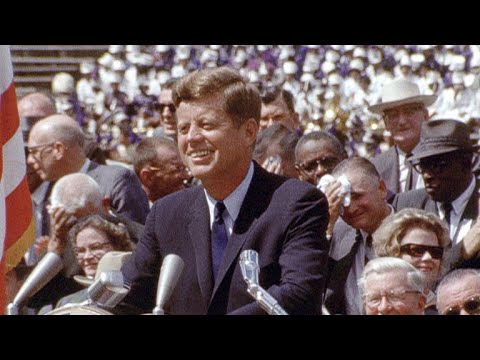
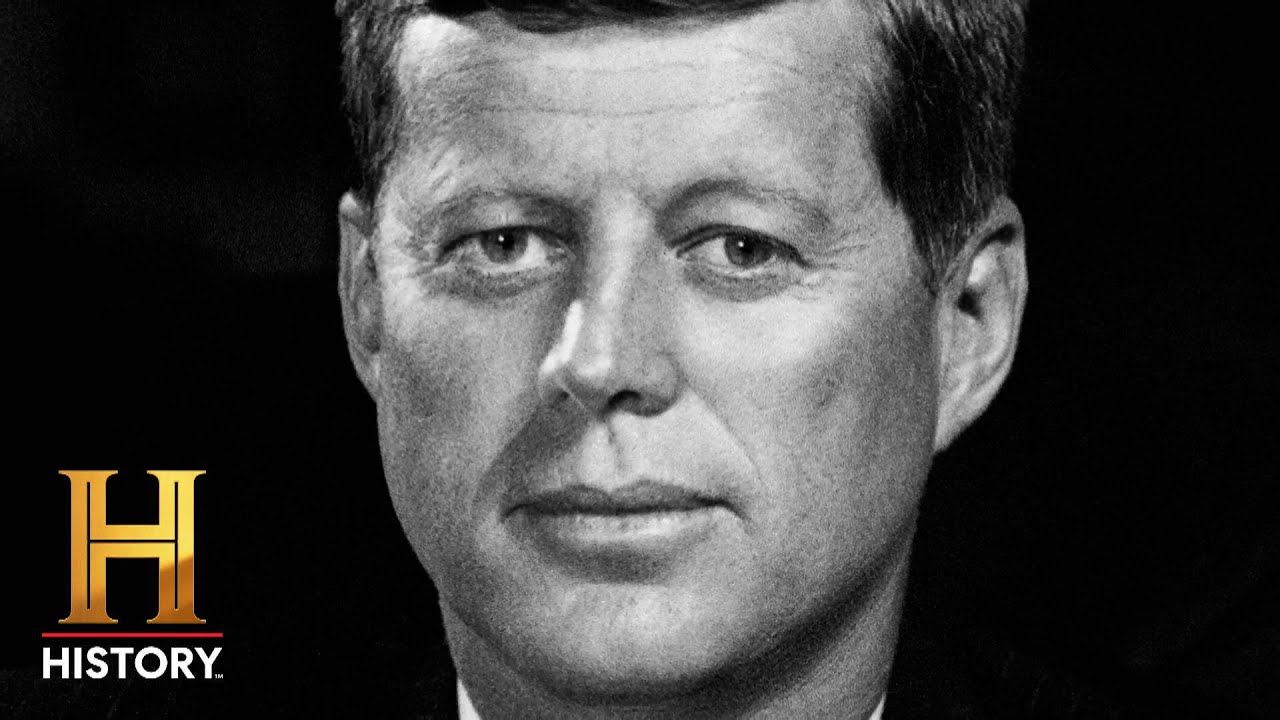
Nearly half a million Berliners gathered to hear President John F. Kennedy speak at the Berlin Wall on June 26, 1963, during a critical moment in the Cold War.
Kennedy faces the Cuban Missile Crisis after nuclear weapons are placed near Florida.
The video discusses Stalin, Churchill, and the influence of social media on public perception.
Between July 1937 and November 1938, Joseph Stalin ordered the execution of 800,000 Russians, averaging 1,500 deaths per day.
In Laos, extensive U.S. bombing during the Vietnam War left many families searching for missing loved ones, including Rick, who seeks his father lost in 1968.
More than 9 million refugees have sought political asylum in West Berlin since 1945, with an average of 20,000 arriving each month.
Berliners from both East and West share personal stories that illustrate the complexities of life shaped by the Berlin Wall during Germany's division.
On February 20, 1962, astronaut John Glenn orbited the Earth three times, marking a significant milestone in the early years of NASA's manned space flight program.
One million Vietnamese died during the American War, a conflict that reshaped the nation and left lasting scars on its society and politics.
In 1964, Nikita Khrushchev was ousted from power, marking the end of a leadership that brought the world to the brink of nuclear disaster.
In 1946, the United States conducted atomic bomb tests at Bikini Atoll, which were meticulously documented by the Office of the Chief Signal Officer.
Viktor Orekhov, a former KGB officer, recounts his transformation from enforcer of repression to supporter of dissidents in Soviet-era Russia.