From over 100,000 films, discover the handful you'll love.
Free or premium access to the world's largest documentary library.
590 films(Page 1 of 13)
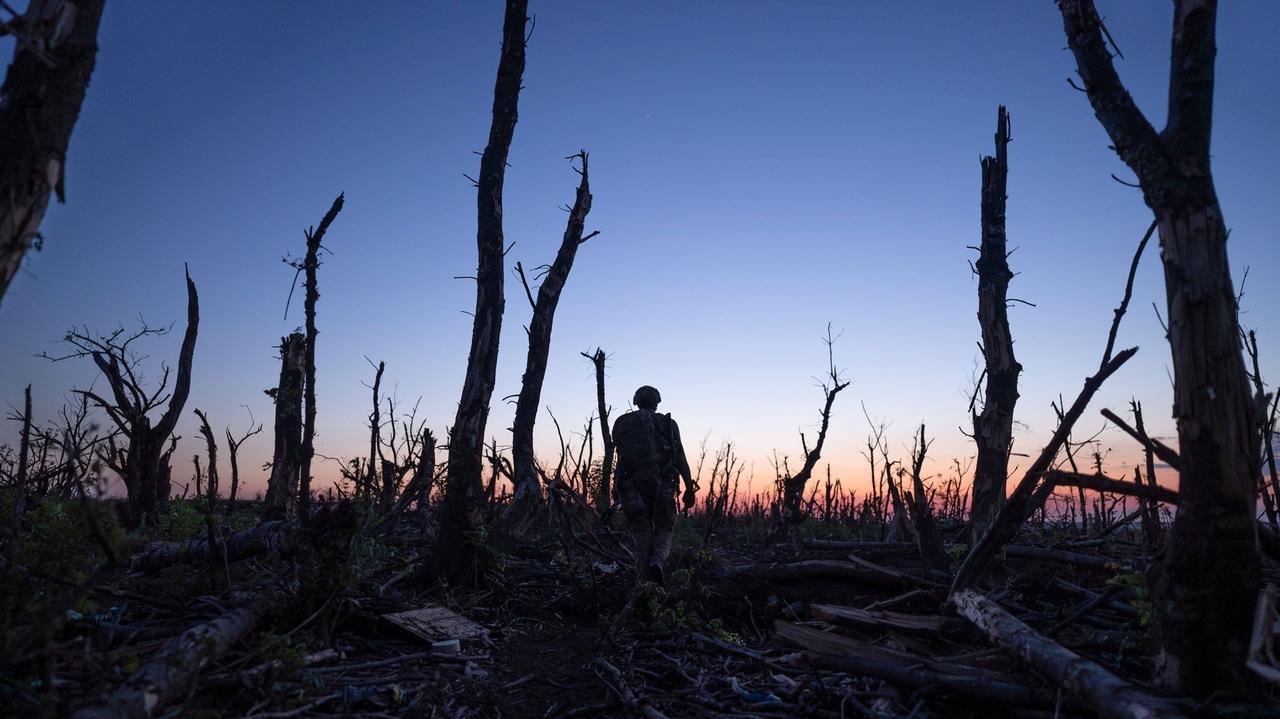
Ukrainian forces aim to advance through 2,000 meters of heavily fortified forest to capture the village of Andriivka from Russian control.
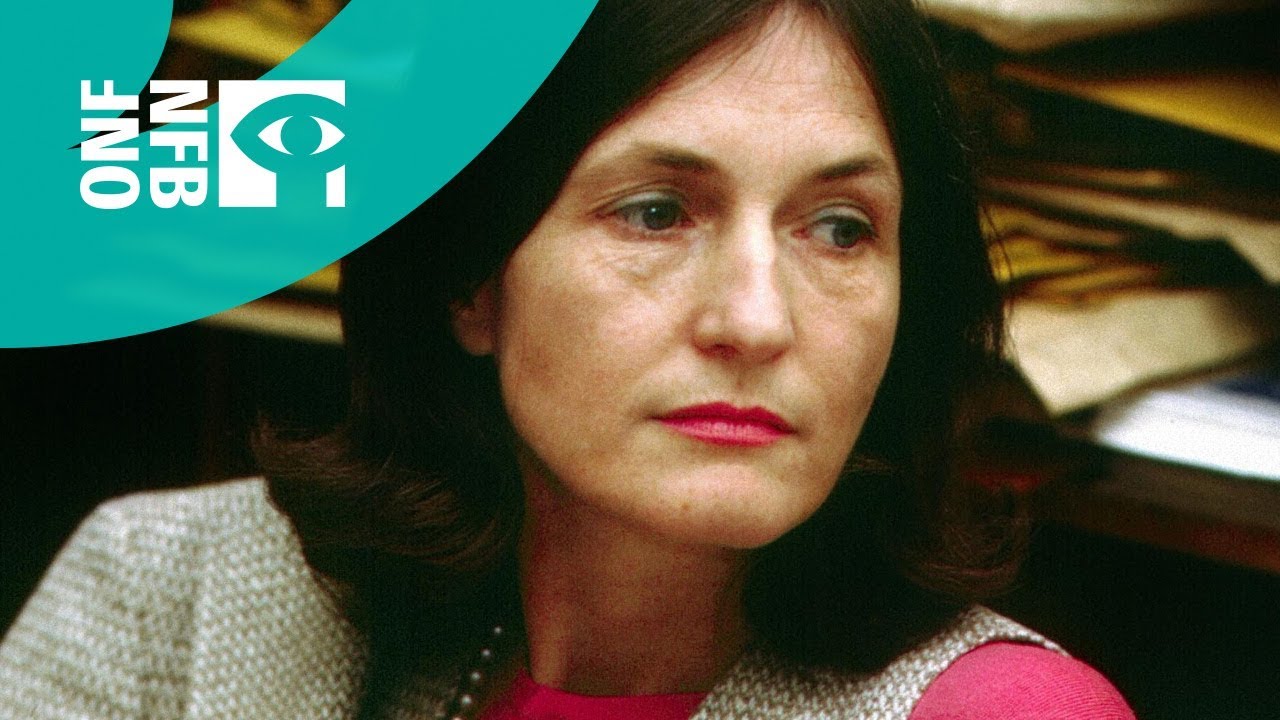
Dr. Helen Caldicott emphasizes the urgent need for nuclear disarmament through a powerful lecture, supported by archival footage of Hiroshima's aftermath.
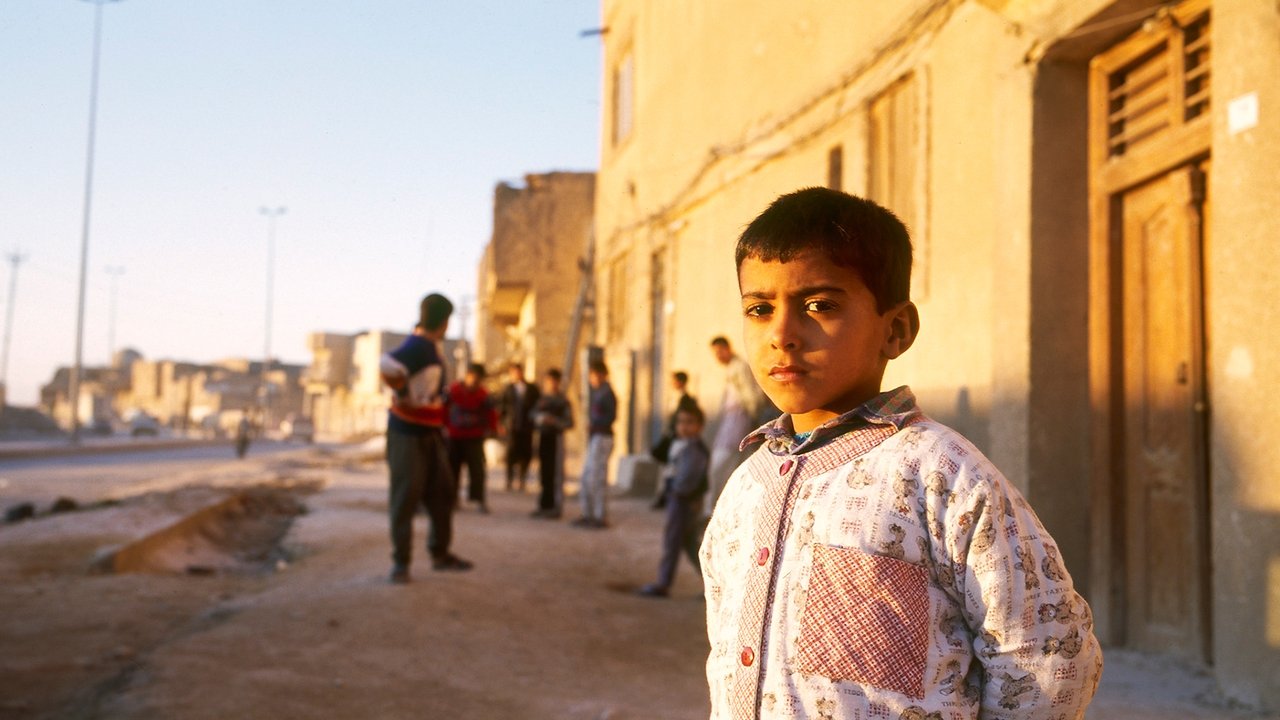
An 11-year-old boy in Baghdad becomes an apprentice to a garage owner after losing his father in the conflict.
Peter Joseph presents insights from Jacque Fresco and John Perkins, exploring the roots of global issues like war and poverty while proposing societal reforms.
Apache helicopter pilots and their crews demonstrate exceptional courage and adaptability during a high-stakes mission in Iraq in March 2003.
In war-torn Ukraine, film director Stas Kapralov searches for his missing dog, Nika, while documenting the efforts of volunteers rescuing animals affected by the conflict.
The Yalta Conference marked a pivotal moment in 1945, where initial optimism among the Allies quickly gave way to deep-seated rivalries that shaped the Cold War.
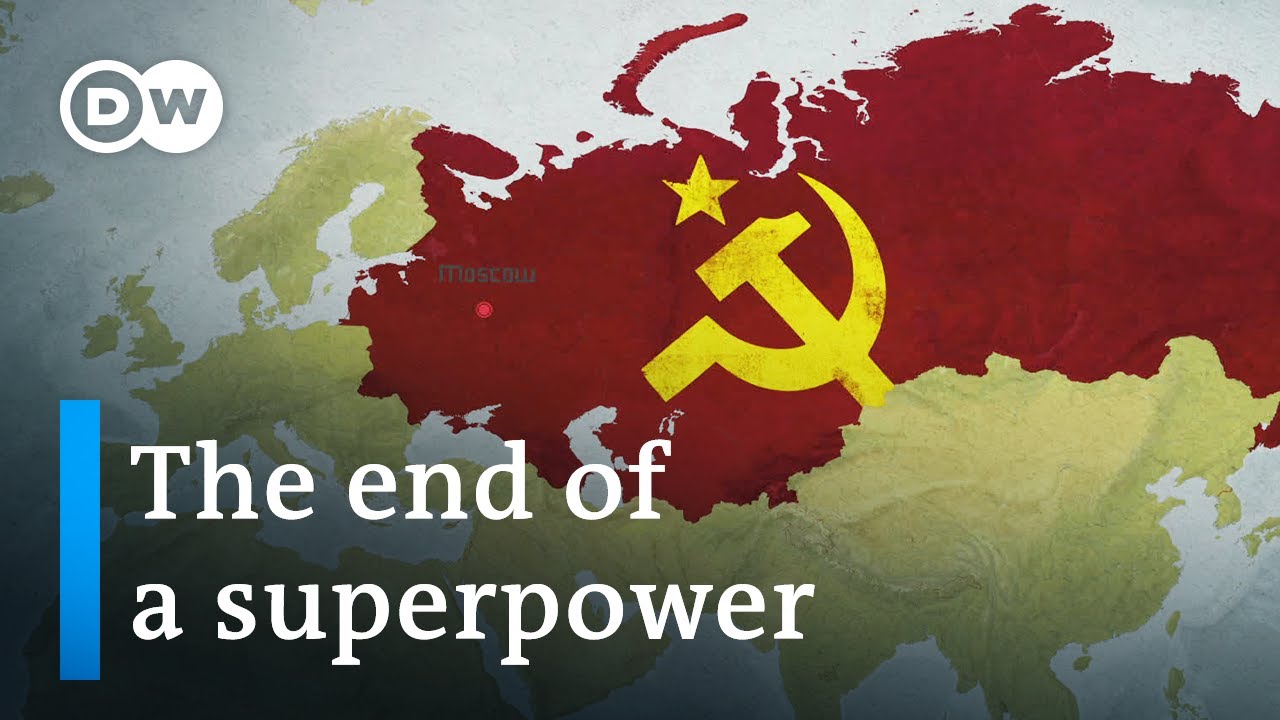
On December 25, 1991, Mikhail Gorbachev resigned, marking the official end of the Soviet Union and the Cold War that lasted over 40 years.
The Soviet Union, which covered a sixth of the Earth's surface and was home to 280 million people, collapsed on December 25, 1991.
Queen Elizabeth II sent over 100,000 telegrams to centenarians across the Commonwealth during her 63 years and 216 days on the throne.
Eight days of negotiations in February 1945 at the Yalta Conference set the stage for post-war Europe and the onset of the Cold War.
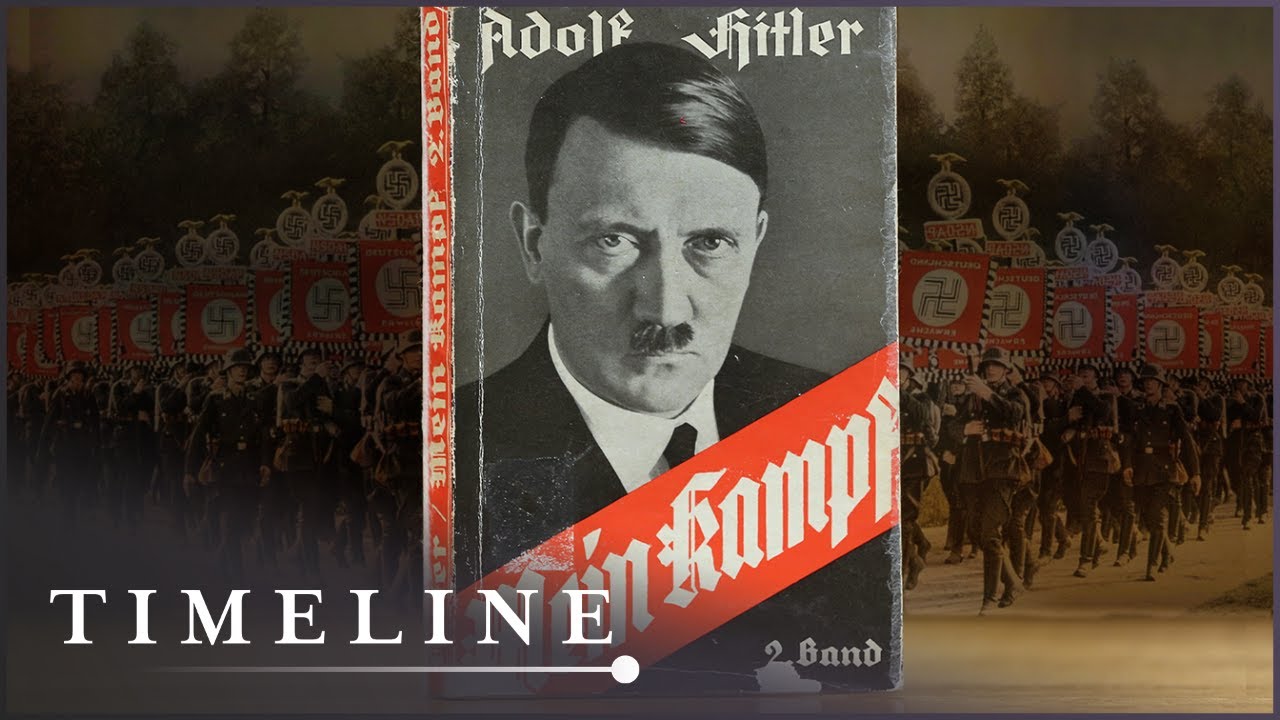
Twelve and a half million copies of Mein Kampf were published before 1944, making it one of the most sold political books in history.
23,000 truckloads of granite were removed to create the Cheyenne Mountain complex, where NORAD monitors threats to North America 24 hours a day.
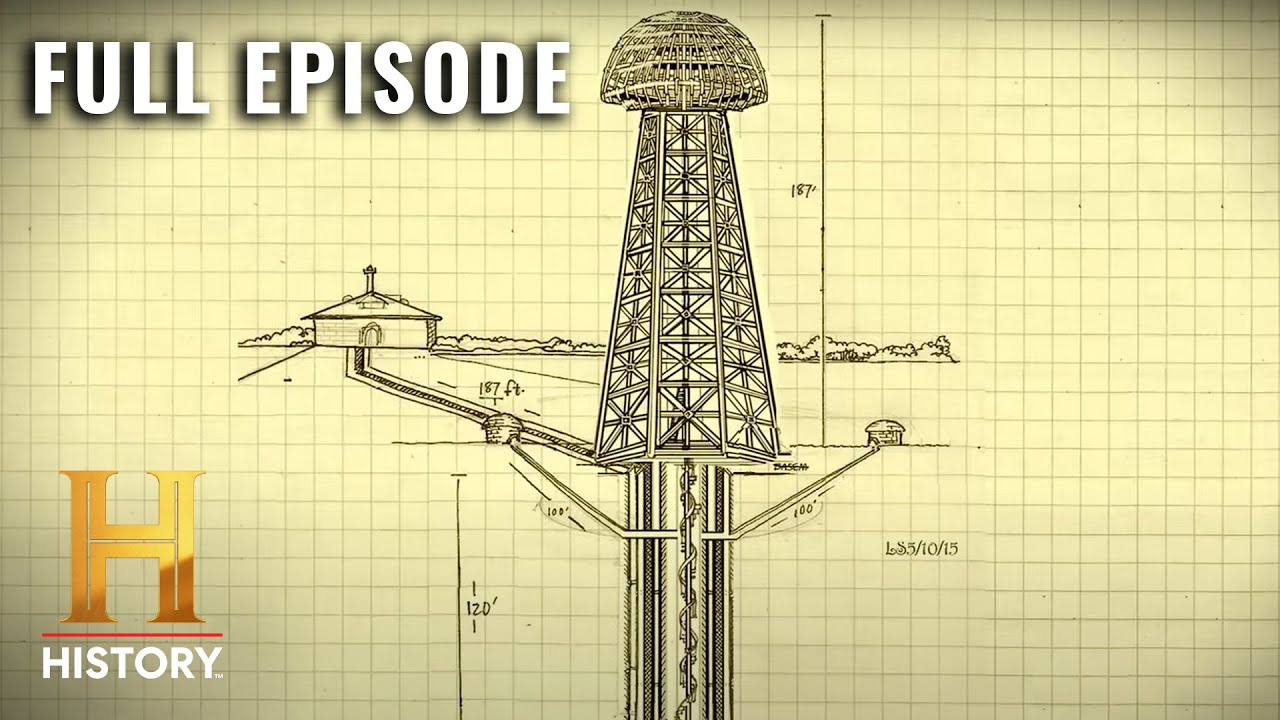
Marc, Jason, and Travis investigate Nikola Tesla's hidden files in New York.
Over 2 million people fled East Germany before the Berlin Wall was erected on August 13, 1961, prompting the Stasi to expand its surveillance operations.
The Korean Demilitarized Zone stretches over 250 kilometers, marking one of the most heavily militarized borders in the world.
440 square miles of restricted airspace surround Area 51, a military base in the Nevada desert confirmed by the CIA in 2013.
The United States conducts a secret military operation in Laos during the Vietnam War.
January 20, 1969, marked the day Robert F. Kennedy was set to take the oath of office as the 37th president of the United States.
In 1967, UFO sightings at Malmstrom Air Force Base coincided with the malfunction of U.S. nuclear missiles, raising national security concerns.
In February 1950, a U.S. Air Force bomber carrying a Mark IV nuclear weapon crashes off the west coast of Canada, leading to a massive search operation.
In 1950, North Korea's invasion of South Korea prompted American tankers to engage in intense battles across the Korean Peninsula.
50 years after the Apollo moon landings, conspiracy theories continue to question whether the historic event was a hoax orchestrated by NASA.
Richard Nixon was reelected in 1972 in one of the biggest landslides in American history, capturing 49 out of 50 states.
A 69-minute examination of Leonid Brezhnev's leadership reveals how his policies contributed to the Soviet Union's decline and eventual dissolution in 1991.
The team investigates Nikola Tesla's New Yorker Hotel for evidence of his groundbreaking inventions.
Temperatures in Kamchatka can drop below minus 50 degrees, making it one of the coldest inhabited places on Earth.
In July 1945, Berlin was a city in ruins under Soviet control, where the daily struggles of "rubble women" and political tensions at the Potsdam Conference marked the beginning of the Cold War.
Peter Volta made nearly 100 trips between West Germany and East Berlin from 1978 to 1988, delivering information during the Cold War's secret intelligence battle.
John Fitzgerald Kennedy's presidency ended on November 22, 1963, in Dallas, Texas, amid a backdrop of political intrigue and personal scandal.
Eighty years after the atomic bombings of Hiroshima and Nagasaki, the U.S. government's manipulation of the narrative is examined through propaganda and press co-option.
August 6, 1945, marked the day the United States dropped an atomic bomb on Hiroshima, signaling the start of a nuclear arms race with the Soviet Union.
Nikola Tesla's secret files were sought by the U.S. military, as explored through his last patent and insights from declassified CIA documents.
Soviet Pilot Anatolij Gerasimov attacks a US Navy Privateer on April 8th, 1950.
Almost 2,000 police officers are deployed in Berlin on May 9 to manage tensions between pro-Russian and anti-Kremlin demonstrators amid the war in Ukraine.
Ronald Reagan made 384 appointments to the federal bench, the most of any president in history, shaping the judiciary for decades to come.
Nikita Khrushchev was born on April 15, 1894, in Kalinovka, a village with just over 1,000 inhabitants in southern Russia.
The Cold War highlights M.A.D. as superpowers threaten global stability over Berlin.
J. Edgar Hoover transforms the FBI into a powerful agency during his nearly fifty-year tenure.
Between 1946 and 1954, 80 million tons of explosive nuclear power were unleashed on Bikini Atoll during a series of tests by the U.S. military.
As many as 70,000 people were killed instantly by the atomic bomb dropped on Hiroshima on August 6, 1945, marking the start of the Cold War.
Oleg Penkovsky's espionage during the Cuban missile crisis helps avert nuclear war.
Kennedy's trip to Dallas in November 1963 aimed to unify the Democratic Party ahead of the 1964 campaign, but ended with his assassination.
In 1989, the peaceful revolution in East Germany led to the opening of its borders, culminating in the fall of the Berlin Wall on November 9.
In 1754, a minor ambush near the forks of the Ohio River ignited a full-scale war between Britain and France that would shape North America's future.
A 19-year-old woman named Marita Loren was recruited by the CIA in 1959 to assassinate Fidel Castro using poison pills.
Edward Bernays, a pioneer of modern propaganda, claimed that public relations was a war on people, manipulating emotions rather than presenting facts.
In 1945, the Allies implemented a denazification strategy in Germany to dismantle the Nazi regime, re-educate citizens, and prosecute war criminals during the Cold War.