From over 100,000 films, discover the handful you'll love.
Free or premium access to the world's largest documentary library.
590 films(Page 10 of 13)
The Russian church faces challenges during the trial period after the monarchy's fall.
Ronald Reagan's 1987 address emphasized the importance of arms reduction and outlined key discussions from the Venice Summit with global leaders.
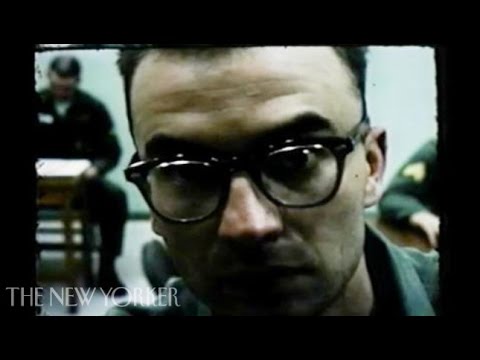
Private First-Class Sadraznee Normally tests a chemical agent, revealing psycho-chemical warfare risks.
Military cooperation between Russia and North Korea is explored, highlighting arms exchanges and technological support amid the ongoing Ukraine conflict.
Geopolitical dynamics in the Bering Strait highlight the strategic interests of Russia and the United States, particularly between Chukotka and Alaska.
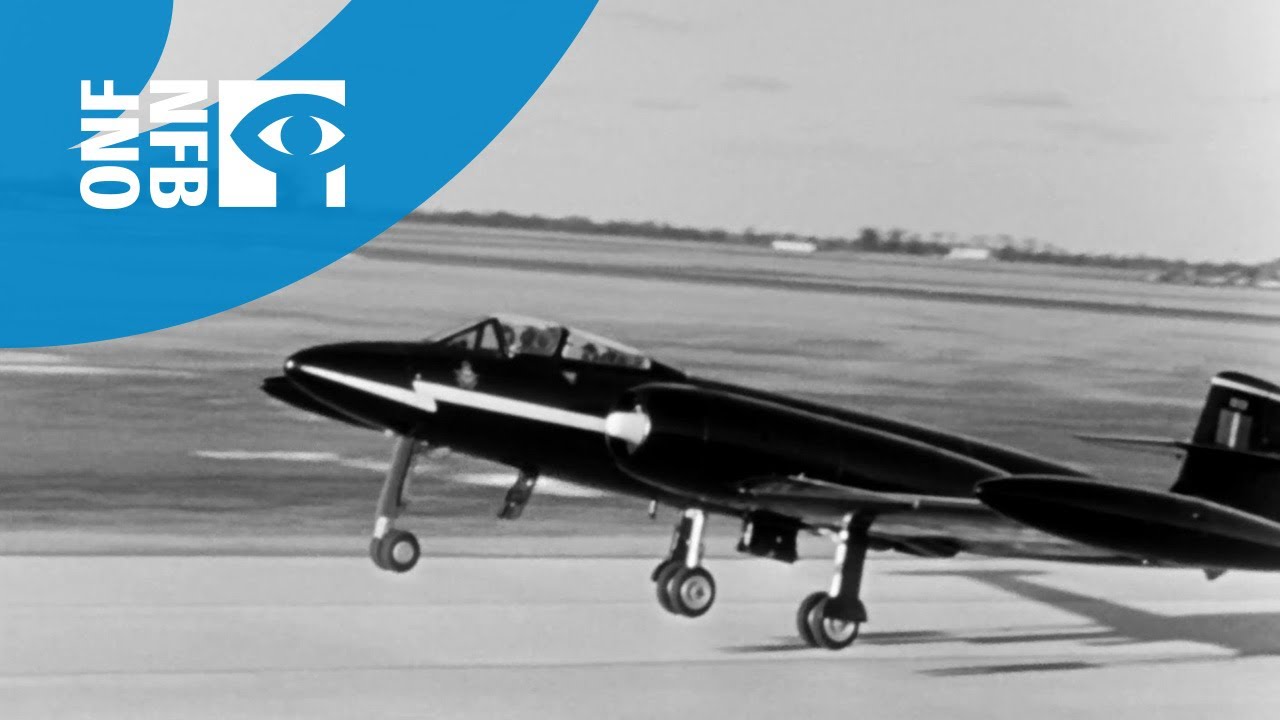
600 employees at a Canadian aircraft factory near Montreal produce the F-86 Sabre, a short-range interceptor for the Royal Canadian Air Force.
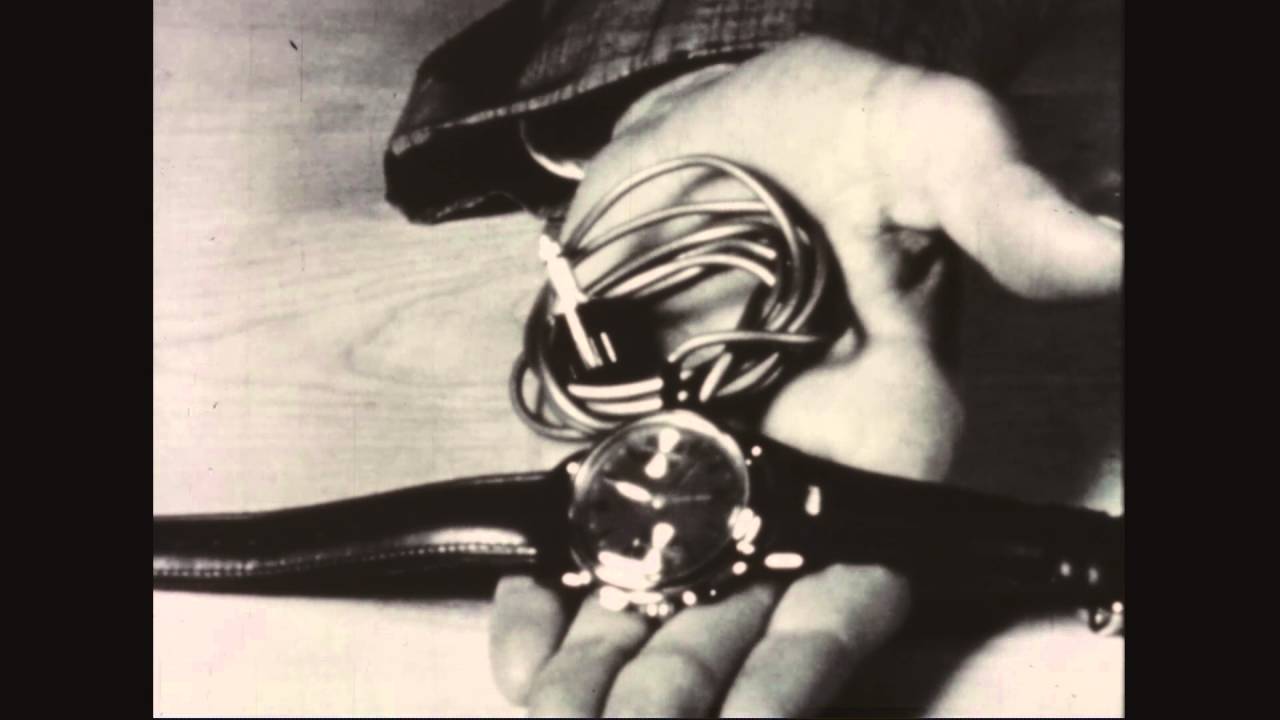
On July 7, 1977, Gabrielle Kleim met Frank, an East German spy, who used romance to gain access to sensitive information during the Cold War.
A town in central Ukraine trains Soviet youth to mimic American life, surrounded by barbed wire and armed guards.
In 1971, a researcher aboard the research vessel "Lev Berg" contracts smallpox after sailing through a mysterious brown haze near a remote island in the Aral Sea.
Space exploration has evolved from the Cold War rivalry between the United States and the Soviet Union to a competitive landscape involving NASA, SpaceX, and various nations.
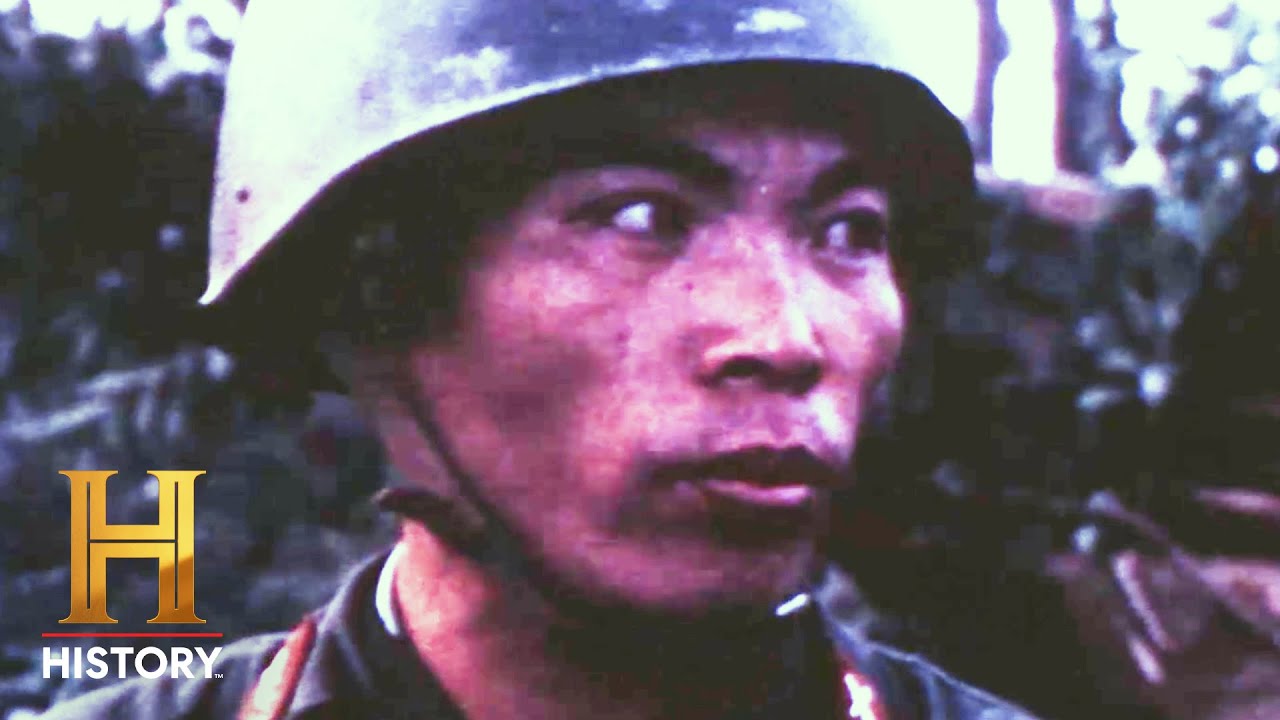
This scene questions if Vietnam's battlefields are haunted by fallen soldiers' moans.
Over 1.1 million soldiers and civilians died during the Battle of Stalingrad, making it the most costly battle in human history.
Pyramiden, a Soviet-era ghost town on Spitsbergen, remains well preserved since its 1998 abandonment, with Aleksandr Romanovsky serving as the resident tour guide.
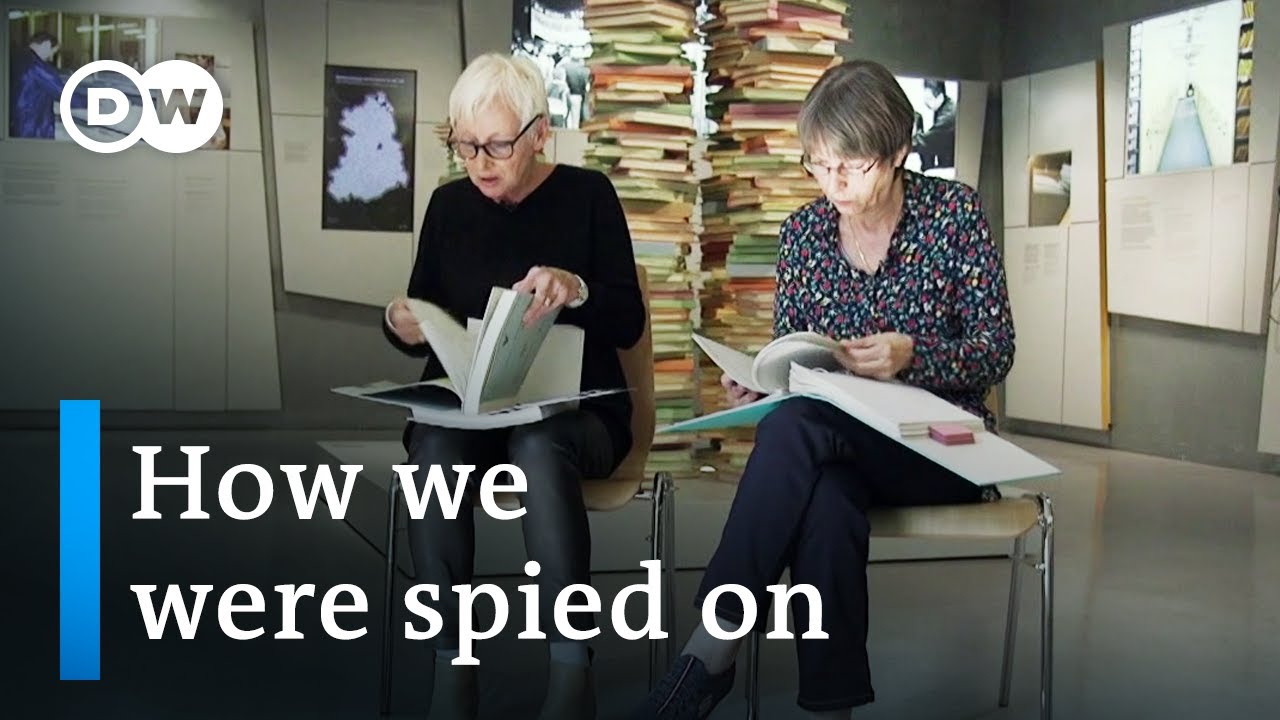
Hundreds of pages in Silke Orphal and Ilona Seeber's Stasi files detail the surveillance they faced while seeking to emigrate from East Germany.
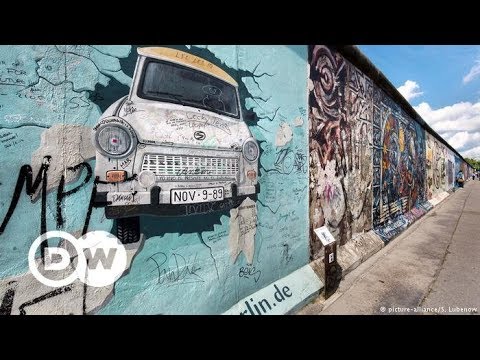
The Berlin Wall, standing 3.6 meters tall, became a barrier that claimed 136 lives during its existence from 1961 to 1989.
A Cold War Bunker beneath a grand hotel features a House of Representatives Chamber.
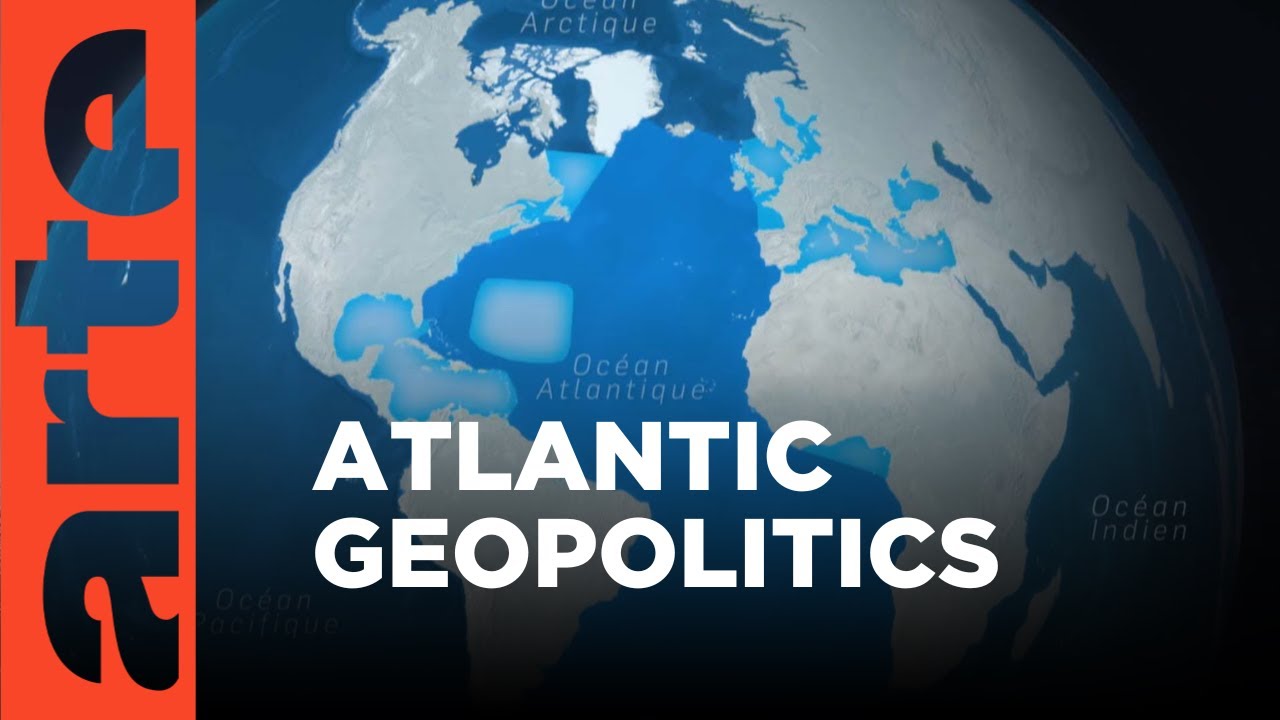
The Atlantic Ocean's historical and strategic significance is explored through key events like World War II, the Cold War, and NATO's formation, especially post-Ukraine invasion.
Workers in southern Siberia repay North Korea's Cold War debt while enduring Gulag conditions.
The Katyn Massacre, where 15,000 Polish soldiers were executed by the Soviet NKVD during World War II, remains one of history's unresolved atrocities.
80% of Jan Palach's body suffered third-degree burns after he set himself on fire in Prague on January 16, 1969, to protest Soviet occupation.
Russia expanded at an average rate of 50 square miles per day for hundreds of years, reflecting a long history of autocracy and militarism.
More than 100 missions were flown by a Soviet pilot during the Afghan war, where he faced an enemy he never met in person.
In the late 1950s, the U.S. Navy considered using sharks as living torpedoes in a classified project called Project Headgear.
In 1955, Britain began building its first space rockets, but government support for the program dwindled, ultimately leading to its cancellation.
The Vietnamese Air Force faces a critical day during the Vietnam War in this episode.
Lue Elizondo studies disturbing UFO encounters reported by Armed Forces personnel.
In 2019, the U.S. established the Space Force, marking the first new military branch in over 70 years amid rising concerns about warfare in space.
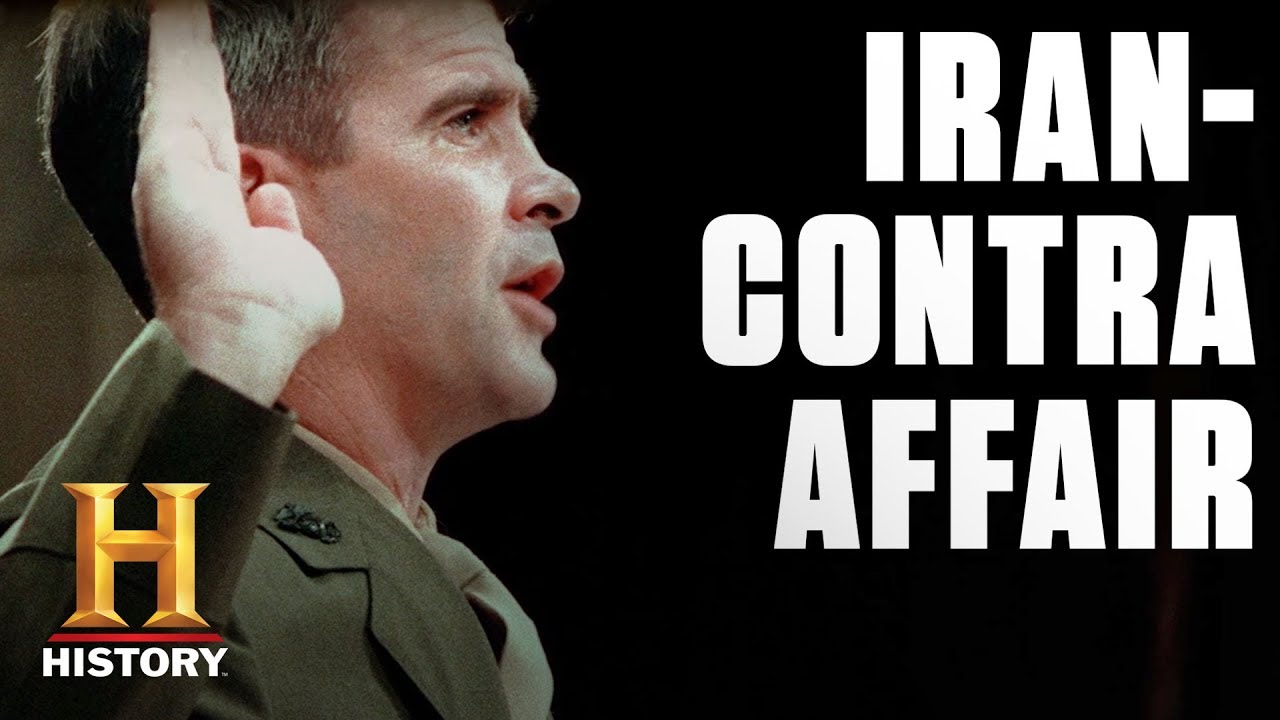
The Iran-Contra Affair nearly cost Ronald Reagan his presidency amid scandal and controversy.
The 'Night Witches' are deadly Soviet pilots who terrify the Nazis during WWII.
Neil Armstrong and Buzz Aldrin made history on the Moon with help from German scientists.
More than 200 people died attempting to escape from East Germany to West Berlin during the 28 years the Berlin Wall stood.
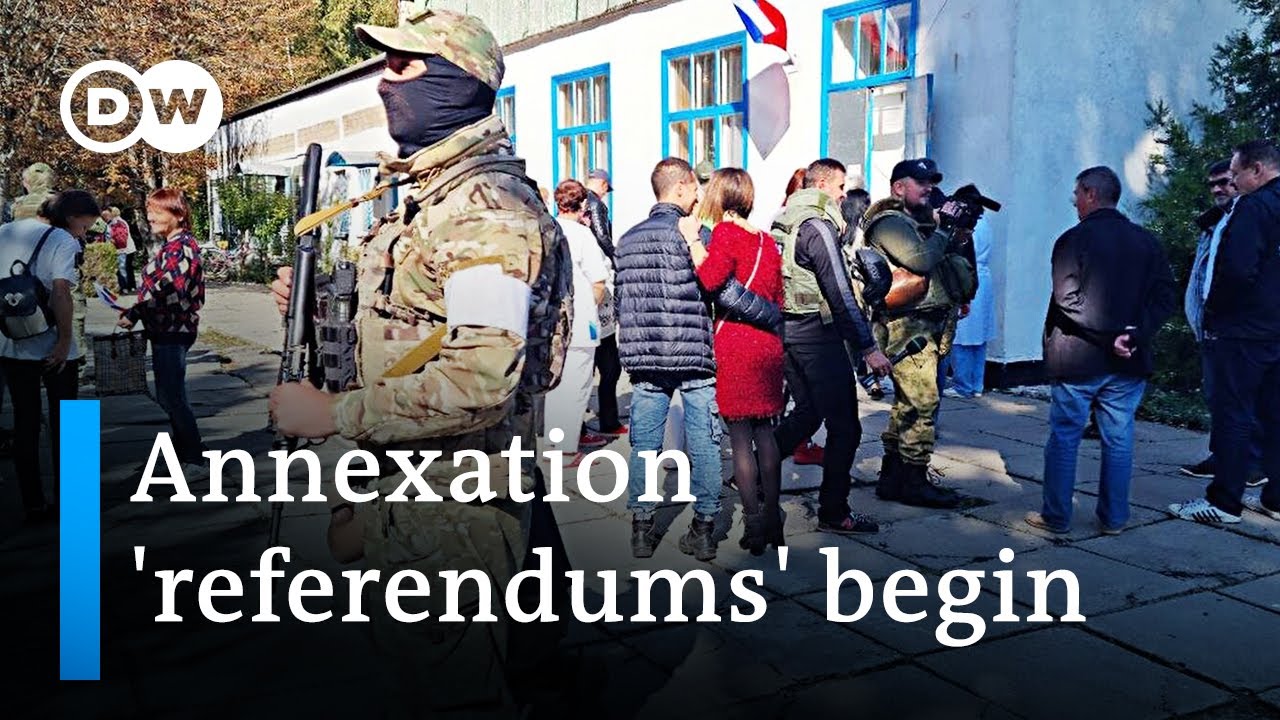
Voters in eastern Ukraine face a referendum as Eurovision highlights tensions with Russia.
America has around 4,800 nuclear warheads, more than enough to destroy the planet and provide fireworks for Martians.
Mohsen Fakhrizadeh, key to Iran's nuclear programme, is assassinated using a satellite-controlled weapon.
Referendums for annexing Ukrainian regions start Friday amid ongoing conflict with Russia.
Americans built a Cold War listening station in Berlin, now replaced by Planet's satellite technology.
Fidel Castro tobogganed in Gander, Newfoundland, during a blizzard in December 1972, marking his first winter excursion.
CIA officer Bill Daugherty shares his experience of being one of 52 Americans held hostage for 444 days during the 1979 Iran Hostage Crisis.
Xavier Ameil, a French civilian, risks his life as a handler for a KGB spy.
Germans deported to Russian gulags during the Soviet occupation of Germany faced significant suffering that remains largely unrecognized in historical narratives.
The Soviet government reveals they had the black box from Korean Airlines flight 007 all along.
Berlin's Brandenburg Gate symbolizes the city's reunification and history of division.
Shinzo Abe and Wang Yi discuss tense China-Japan relations at Davos, raising concerns.
The U.S. must close its Chengdu consulate amid escalating tensions with China.
Watch Secrets Declassified with David Duchovny on Fridays at 10/9c on HISTORY.
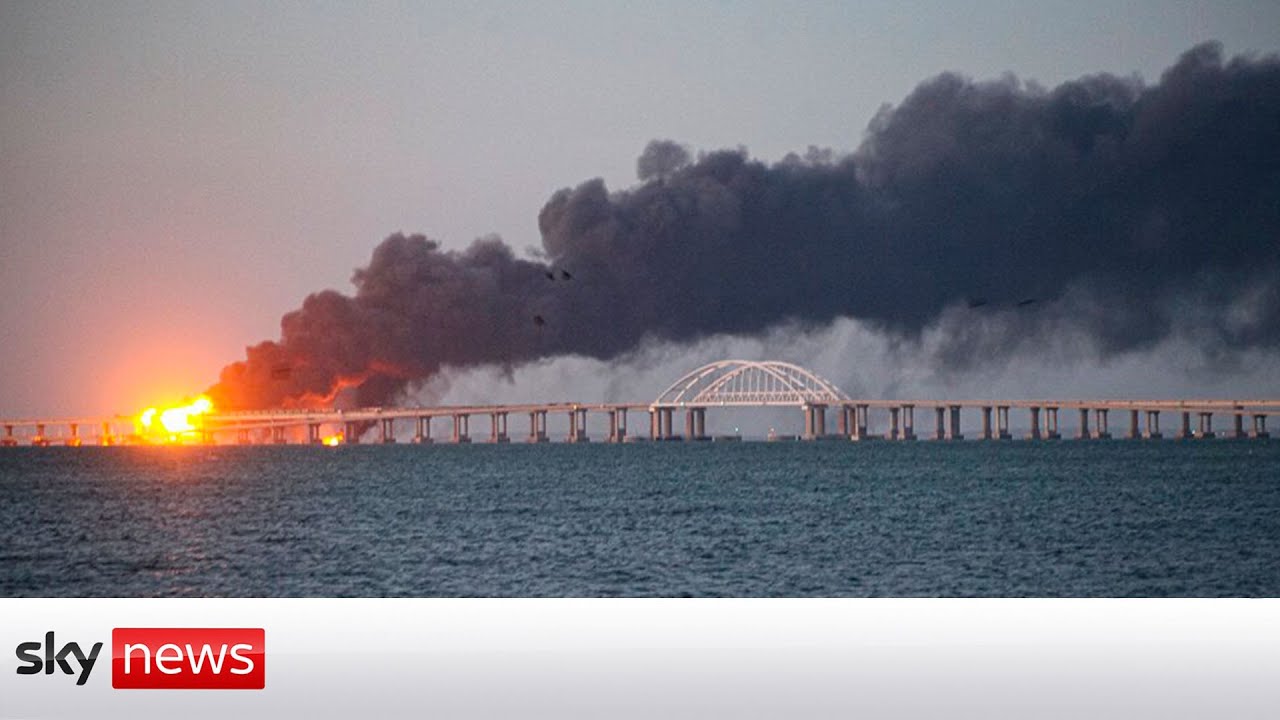
An explosion partially destroys the Crimea Bridge, impacting Russia's military strategy.
Denmark and the Netherlands send F-16 jets to Ukraine to aid in its fight against Russia.
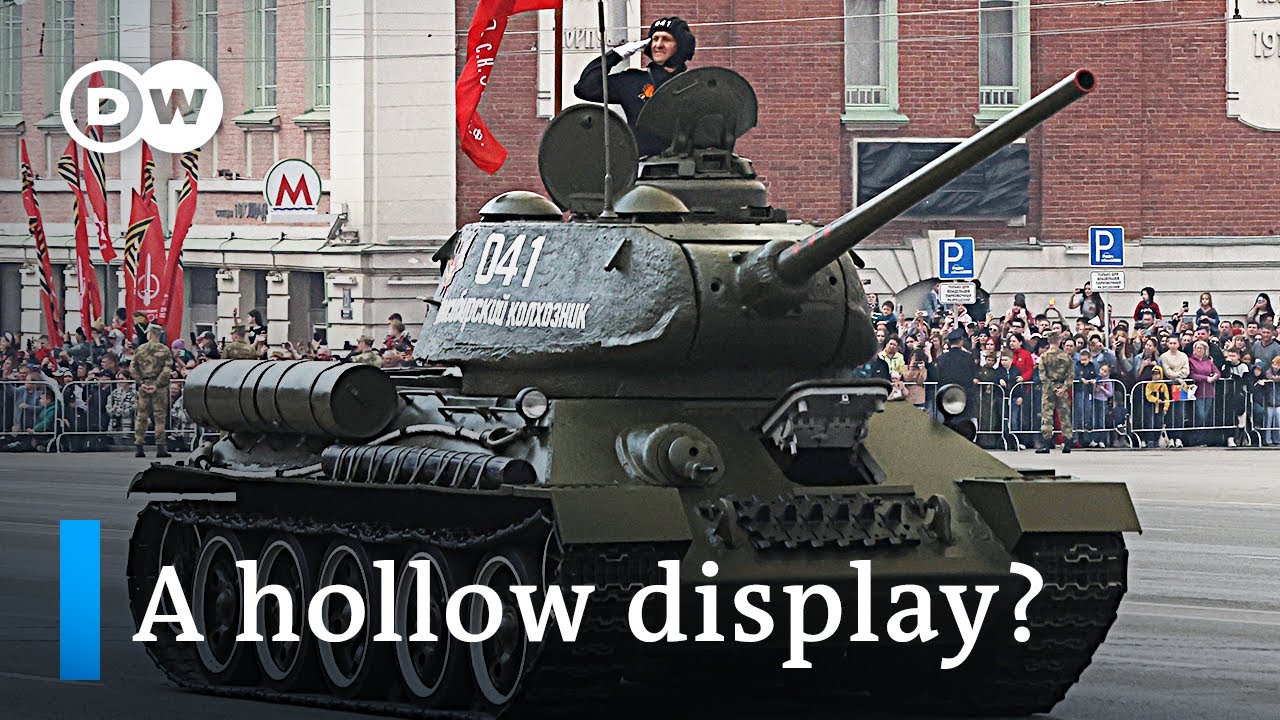
Victory Day in Russia highlights military might amid concerns over Ukraine's spring offensive.