From over 100,000 films, discover the handful you'll love.
Free or premium access to the world's largest documentary library.
300 films(Page 4 of 7)
Patients with chronic conditions are often charged between $50,000 and $150,000 for unproven stem cell treatments that lack scientific validation.
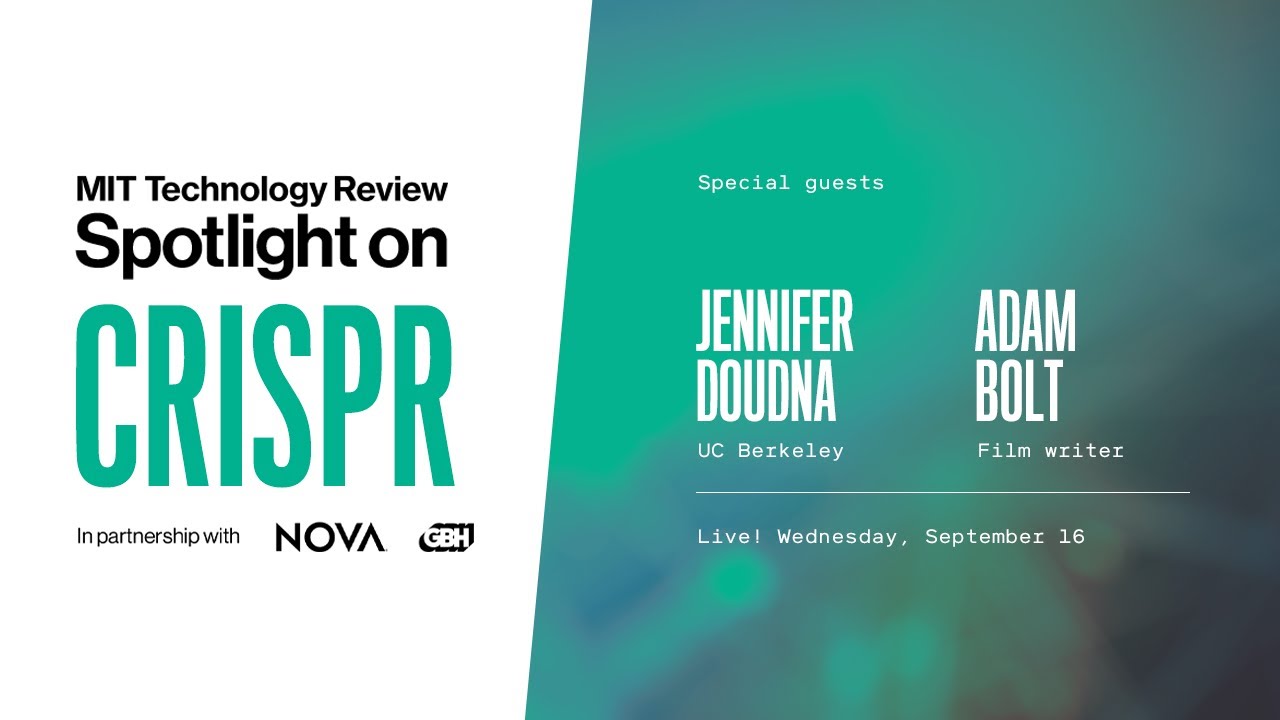
Jennifer Doudna, co-developer of CRISPR, discusses the ethical implications of gene editing during a live conversation with filmmaker Adam Bolt.
Scientists are looking into extending human life and discussing aging research advancements.
Rebecca Meade interviews Amy Smith about technology solutions in Haiti, Senegal, and Ghana.
A German start-up is developing animal-free pregnancy tests using a little-known algae that could replace animal-derived ingredients in medical diagnostics.
In 2005, six major pharmaceutical companies spent $20 billion on research and development but produced zero new FDA-approved drugs.
Florida's plan to release genetically modified mosquitoes by Oxitec aims to combat the spread of diseases like Zika and dengue fever.
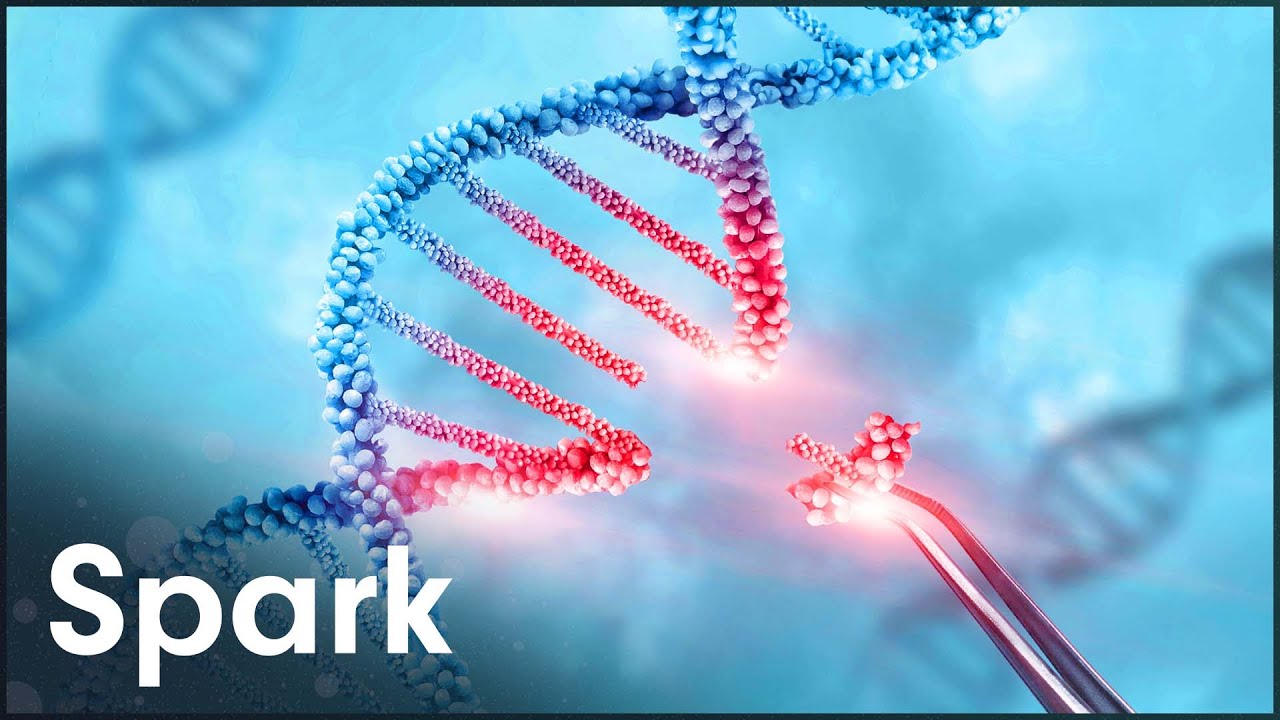
This tutorial clarifies how DNA and the genetic code work through practical examples.
The number of compounds in the pharmaceutical industry's pipeline has increased compared to five years ago, according to Dan Vasella, CEO of Novartis.
On October 17, Tristan Roberts injected himself with an experimental gene therapy in an attempt to cure his HIV after stopping conventional medications.
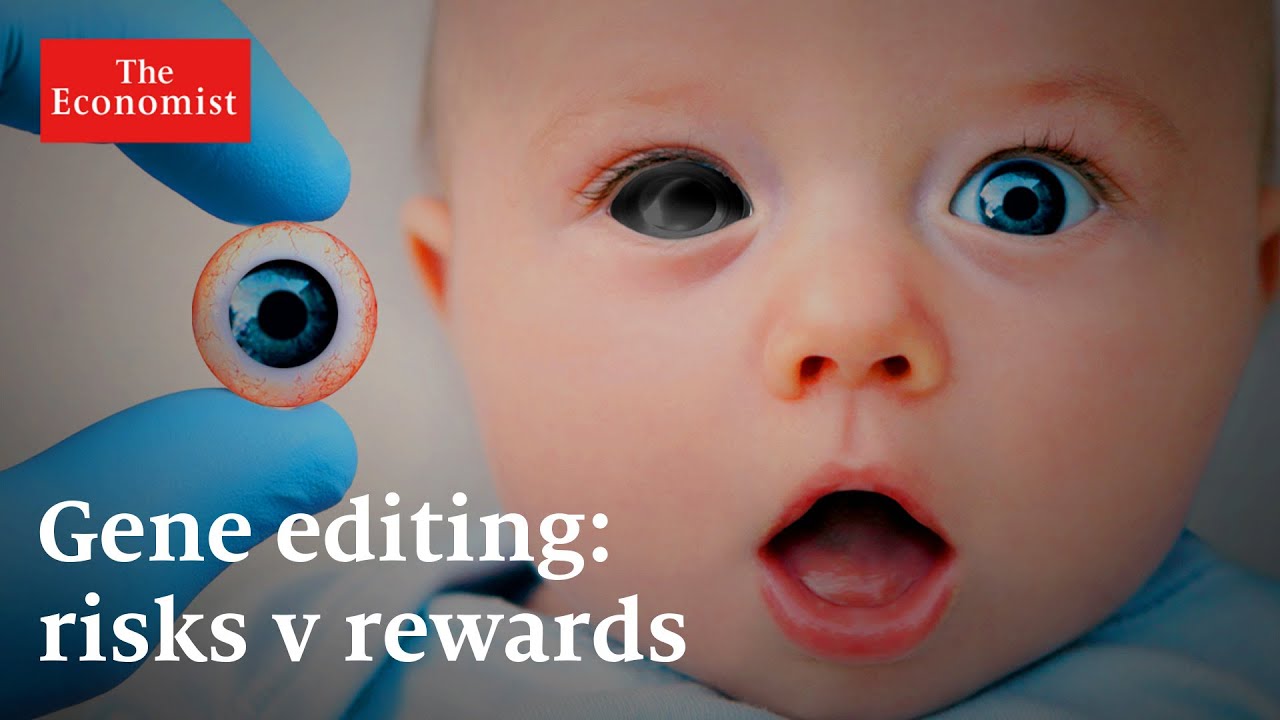
Fewer than 100 babies have been born to families who used the controversial polygenic genetic test known as PGT-P since its introduction three years ago.
Seven to nine hundred cages hold various research animals at a Johns Hopkins University facility, where trials for synthetic cornea implants are conducted.
A Chinese researcher claims to have created genetically edited babies, Lulu and Elana, sparking ethical debates.
Jennifer Doudna, a Nobel Prize-winning scientist, discusses the limitations of AI in medicine and the impact of CRISPR on gene editing with Emily Chang.
The Wake Forest Institute uses 3D printing to create sterile human tissues and organs.
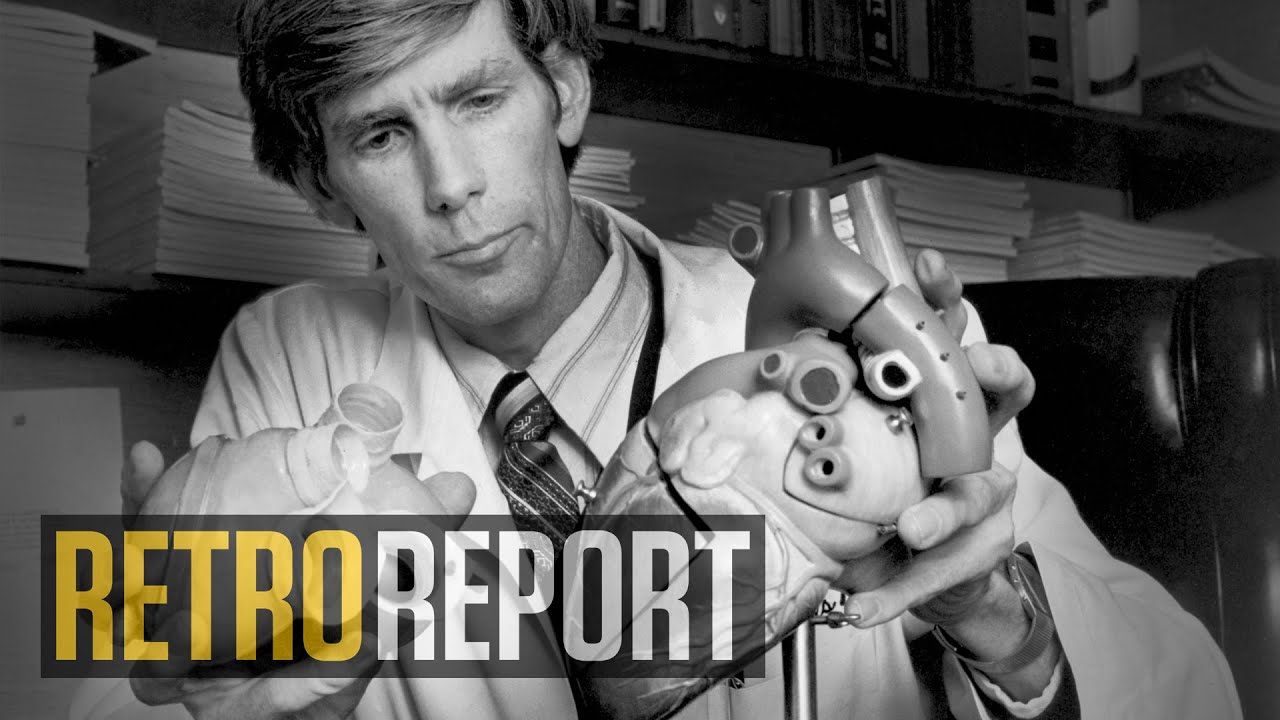
The artificial heart, which gained media attention in the 1980s, continues to influence medical science and provoke ethical discussions today.
Experts in Europe develop an artificial womb to save premature babies like James.
Genetic testing services, such as 23andMe, claim to predict health risks and lifestyle choices, but their accuracy and reliability remain subjects of debate among experts.
Professor George Church aims to create a woolly mammoth using elephant DNA.
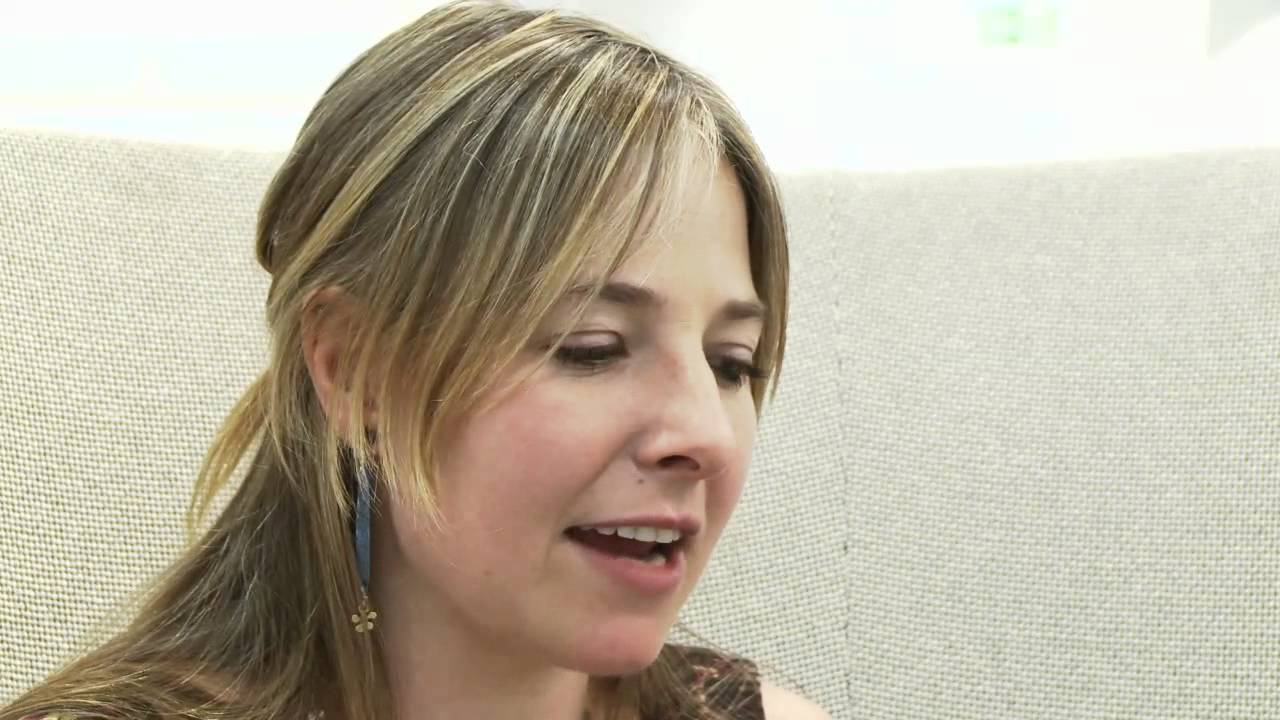
Alice Roberts discusses science as an amazing tool for global challenges and public engagement.
Michael Skinner's research at Washington State University reveals inherited DNA's impact on health.
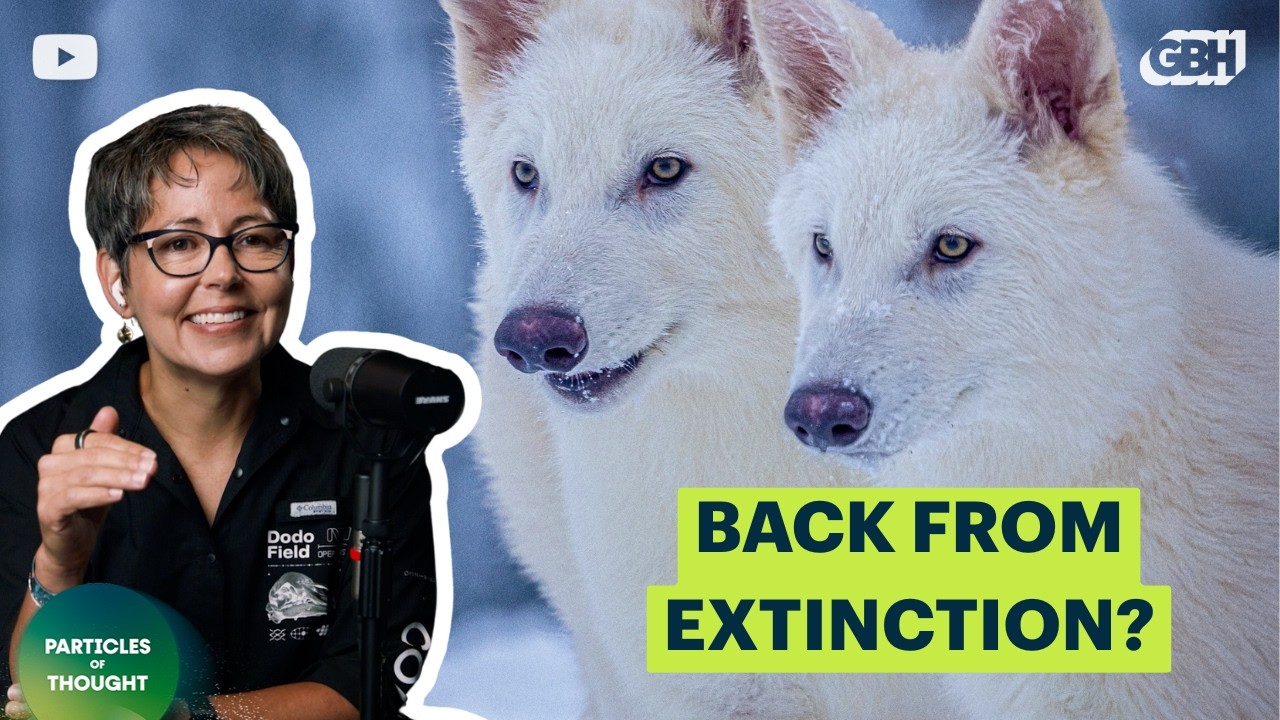
Beth Shapiro, Chief Science Officer at Colossal, explains the scientific principles behind de-extinction and why the scenarios depicted in Jurassic Park are unrealistic.
Multiple teams of scientists are using AI technology to develop methods for detecting cancer from a single drop of blood, challenging traditional diagnostic approaches.
In 1953, James Watson and Francis Crick built a model of the DNA double helix, establishing it as the code for life and a foundation for molecular biology.
One genetically modified banana variety, engineered by Professor James Dale, aims to withstand the deadly Tropical Race 4 disease threatening the Cavendish.
Mildred Solomon and Josephine Johnston from The Hastings Center engage in a panel discussion moderated by Jill Rosenbaum on the implications of genetic medicine.
Advances in prenatal genetic screening raise ethical questions about defining "disease" versus "difference" and the potential impact on population diversity.
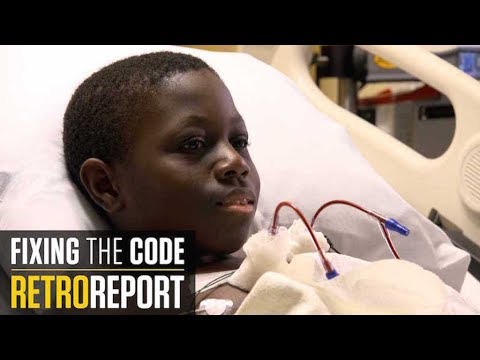
Pierceton Charles, a 12-year-old with sickle cell anemia, has undergone 48 hospitalizations due to his painful genetic condition.
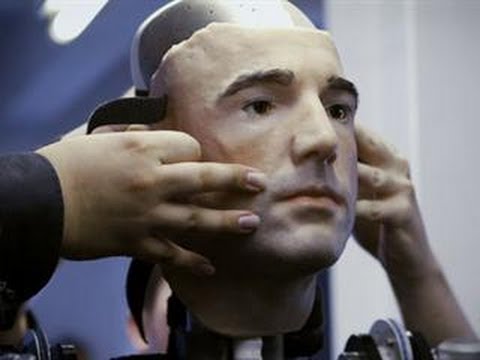
Bertolt expresses strong discomfort upon seeing the Bionic Man's new face, describing it as a "Patchwork assembly of parts" that looks horrifying.
In the 1990s, the introduction of genetically engineered foods, including the first test tube tomato, sparked significant public concern and debate over biotechnology.
Dr Jay Sanguinetti and Shinzen Young use ultrasound to enhance meditation at the University of Arizona.
In 1997, Scottish scientists at the Roslin Institute successfully cloned a sheep named Dolly, igniting ongoing debates and advancements in genetic research.
Bioplastics are made from materials that reduce fossil fuel use and protect the environment.
Electric bandages developed by researchers at the University of California, San Diego, enhance the healing process through advanced technology and materials.
Gene editing technologies, including CRISPR, are being utilized by scientists to develop innovative treatments for genetic diseases and conditions.
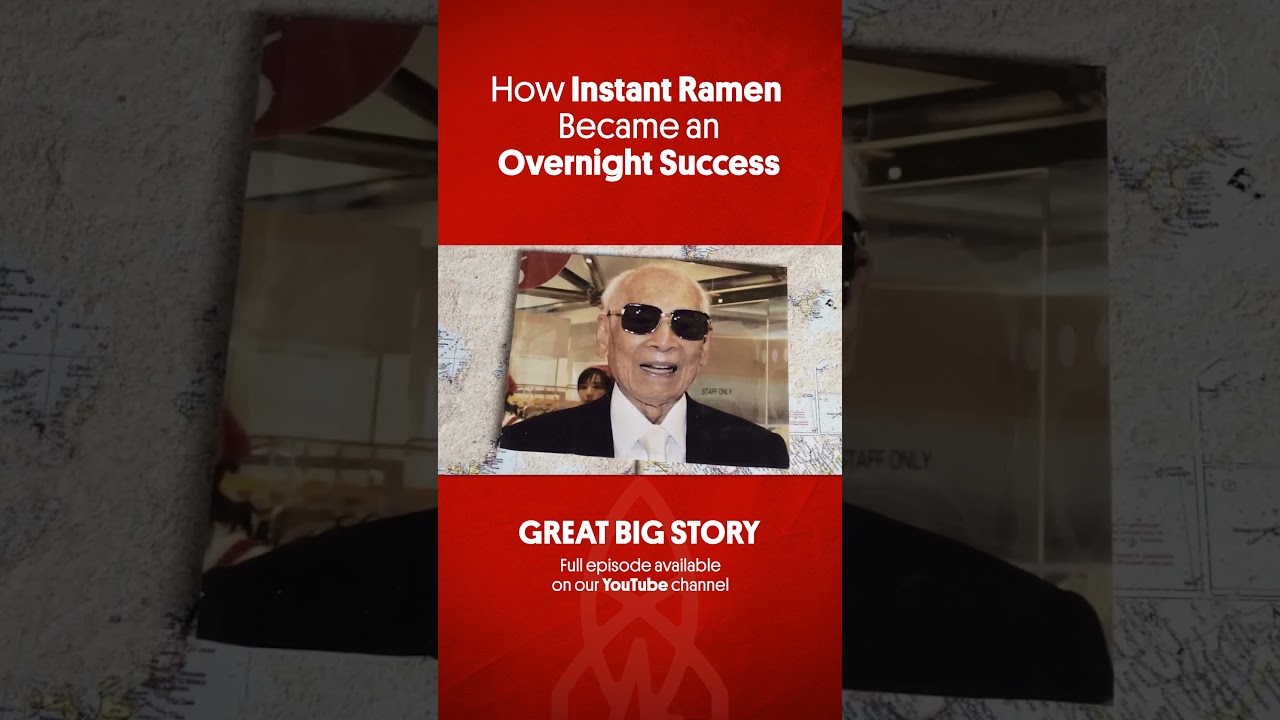
Momofuku Ando's creation of instant ramen in post-World War II Japan addresses hunger and revolutionizes global eating habits.
Endless West in San Francisco creates molecular whiskey, redefining traditional whiskey norms.
Wilson Greatbatch's invention of the pacemaker transformed cardiac care, stemming from his commitment to help others after a near-death experience in World War II.
Major brands invest in bacteria fungus and yeast for sustainable fashion innovations.
Fourteen electrodes are implanted deep into Olivia's brain to investigate the source of her epilepsy and map brain functions.
Leishmaniasis is a deadly tropical disease affecting millions, with rising drug resistance.
A 98-year-old participant in a longevity study at the Albert Einstein College of Medicine shares insights on the genetics of aging and health.
Scientists consider reviving the woolly mammoth using preserved genetic material.
CRISPR technology allows for precise DNA modifications, enabling the elimination of diseases like muscular dystrophy and Alzheimer's.
Australian inventors create Cargo Scanner technology to combat terrorism threats at airports.
Scientists believe mental processes can be coded, as shown by USC's memory-restoring microchips.
In 1961, a single cow in the U.S. produced nine liters of milk per day, while today's cows average 28 liters due to intensive breeding practices.
The Human Genome Project, launched in 1990 with a $3 billion budget, aimed to map every gene in human DNA over a 15-year timeline.