From over 100,000 films, discover the handful you'll love.
Free or premium access to the world's largest documentary library.
300 films(Page 2 of 7)
Biomimicry illustrates how natural phenomena inspire innovations in technology and medicine, showcasing examples from engineering to smart design.
Brandon Prestwood lost his left arm in a conveyor belt accident in May 2012, and researchers are working to restore his sense of touch with a prosthetic arm.
The Fourth Great Revolution merges AI, biotech, and nanotech, transforming our future by 2050.
In a world facing accelerating extinction rates, scientists are utilizing advanced genetic technologies to revive species like the Przewalski's horse and address conservation challenges.
At a hidden NASA base, 80 young innovators participate in a summer program to create companies aimed at impacting a billion people within ten years.
Animals possess extraordinary abilities, such as limb regeneration and hibernation, which scientists are studying for potential medical breakthroughs in human health.
Keolu Fox is the first Native Hawaiian to earn a Ph.D. in genome science, focusing on how genetic data can empower Indigenous communities in Hawaii.
In lower Bavaria, a teacher and a biologist from Munich study the transformation of caterpillars into butterflies while addressing the alarming decline in butterfly populations.
China's start-up revolution, driven by innovative entrepreneurs in Shanghai, is reshaping global markets through significant investments in artificial intelligence, drones, and biotechnology.
Dr. Alice Roberts investigates if humanity is still evolving through ancient bones and genetics.
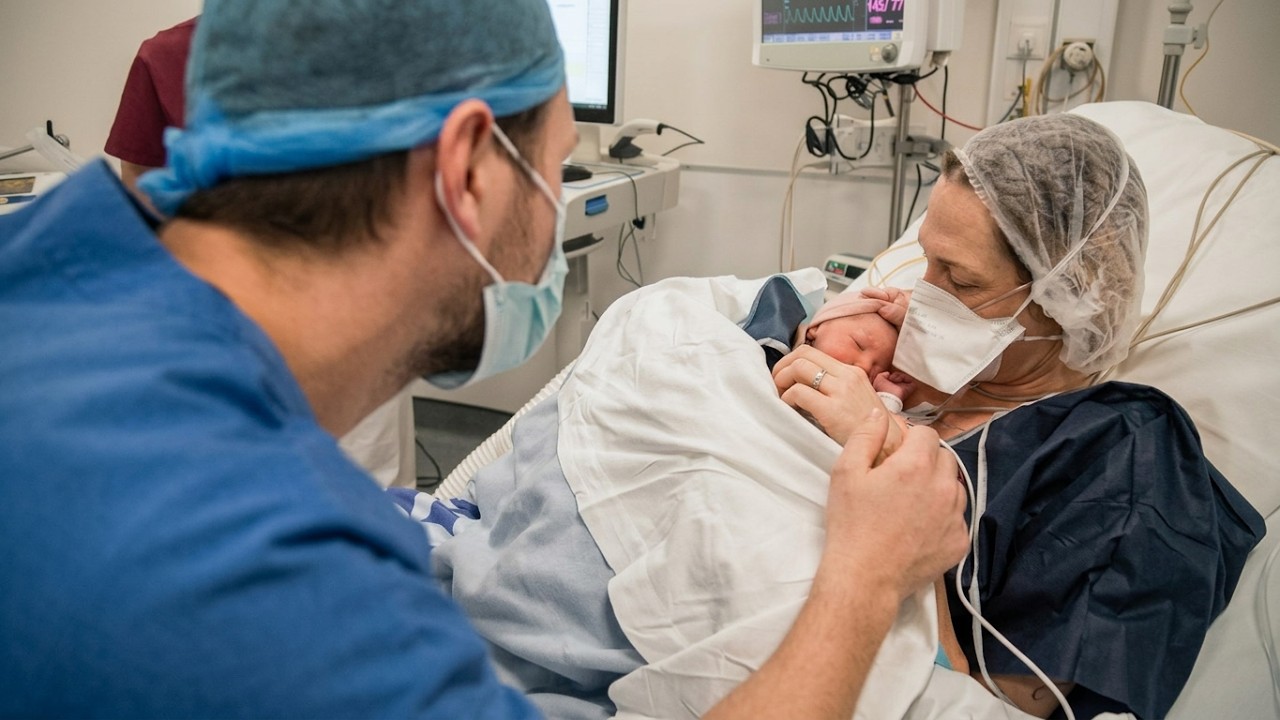
Research on the microbiome reveals that microscopic events during childbirth significantly impact lifelong health outcomes for children, as highlighted by experts like Martin Blaser.
Advancements in artificial intelligence and biotechnology raise questions about the potential for human immortality and the implications of merging with AI.
Hundreds of experiments are conducted each year aboard the International Space Station, contributing to advancements in aerospace and bioengineering.
Marine venom from creatures like cone snails and jellyfish is being researched for its potential to treat human diseases and improve medical therapies.
Asian Ladybirds and Colorado Potato Beetles are examined for their potential in cancer treatment and innovative construction methods by Professor Andreas.
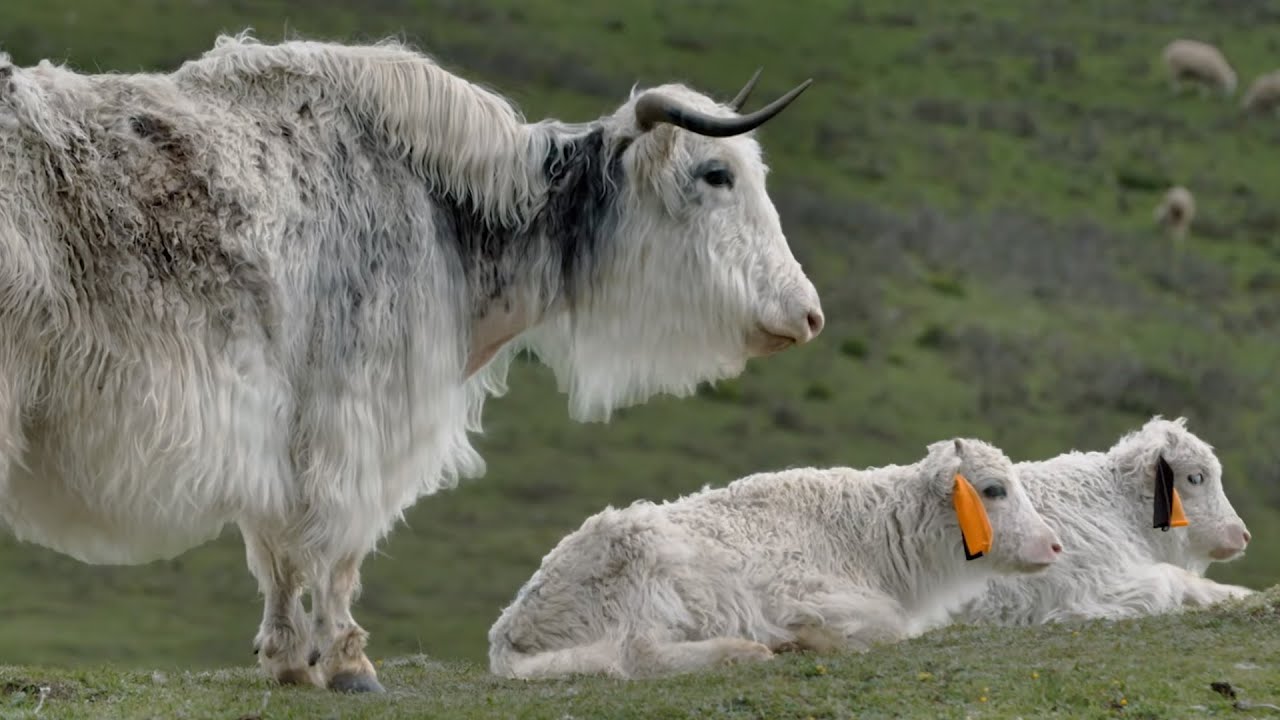
In China's western regions, scientists from China and Germany are breeding wild yaks with domestic yaks at the Datong farm to enhance food production amid urbanization.
Genetic engineering allows scientists to decode and rewrite the genetic makeup of living organisms, fundamentally altering healthcare and agriculture.
Research laboratories around the world explore cryogenics and the potential for immortality, raising ethical questions about longevity and societal impact.
The documentary details the transport of a giant gold autoclave from Geel, Belgium to Amursk, Eastern Russia.
Metals from spaceships to mobile phones are integral to our daily lives and the economy.
Alzheimer's disease, affecting thirty million people globally, is the focus of groundbreaking research aimed at early detection and potential cures through innovative antibody treatments.
Angel Giuffria, a pioneering cyborg, explores advanced biotechnologies at institutions like Johns Hopkins and Brown University to enhance human capabilities.
250,000 people worldwide are affected by Duchenne muscular dystrophy, a condition that a medical startup aims to treat using CRISPR-Cas9 technology.
A little boy's DNA test may provide access to treatment that could preserve his vision, alongside stories of triplets seeking their biological father and a donor-conceived woman searching for family connections.
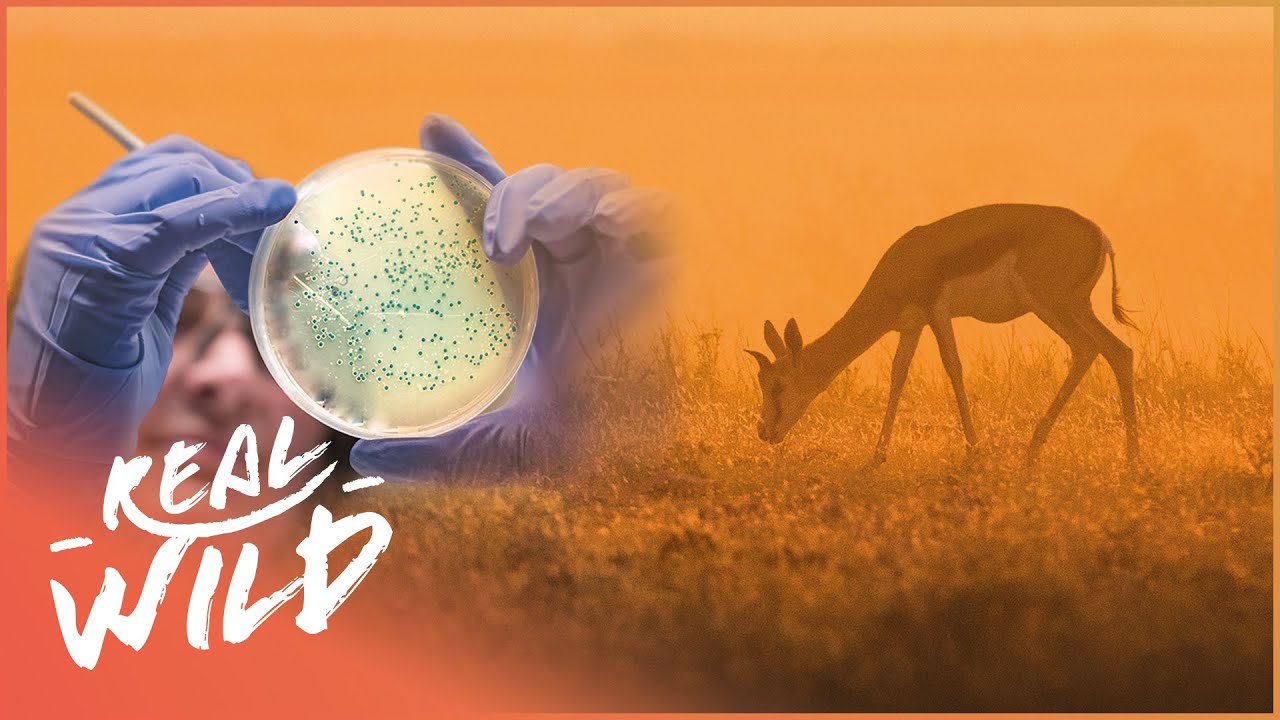
Scientists analyze kangaroo feces to study the bacteria that could lead to a future where diseases are largely eliminated through microbiome therapy.
3D printing technology allows for the customization of medical implants, potentially transforming how replacement organs are created and used.
Özlem Türeci and Uğur Şahin, co-founders of BioNTech, are honored with the Axel Springer Award in 2021 for their contributions to cancer research and the COVID-19 vaccine.
Recent scientific advancements in longevity research, featuring insights from Edward Norton and experts like Tony Robbins and Wim Hof, explore potential methods to slow aging and extend human lifespan.
Dr Bertolt Meyer, who was born without a left hand, has used a bionic arm for two years and investigates advancements in body replacement technology.
A 48-year-old man learns about his Seychelles heritage and a half-brother, while a woman finds her father in Portugal and a family celebrates a genetic health clearance.
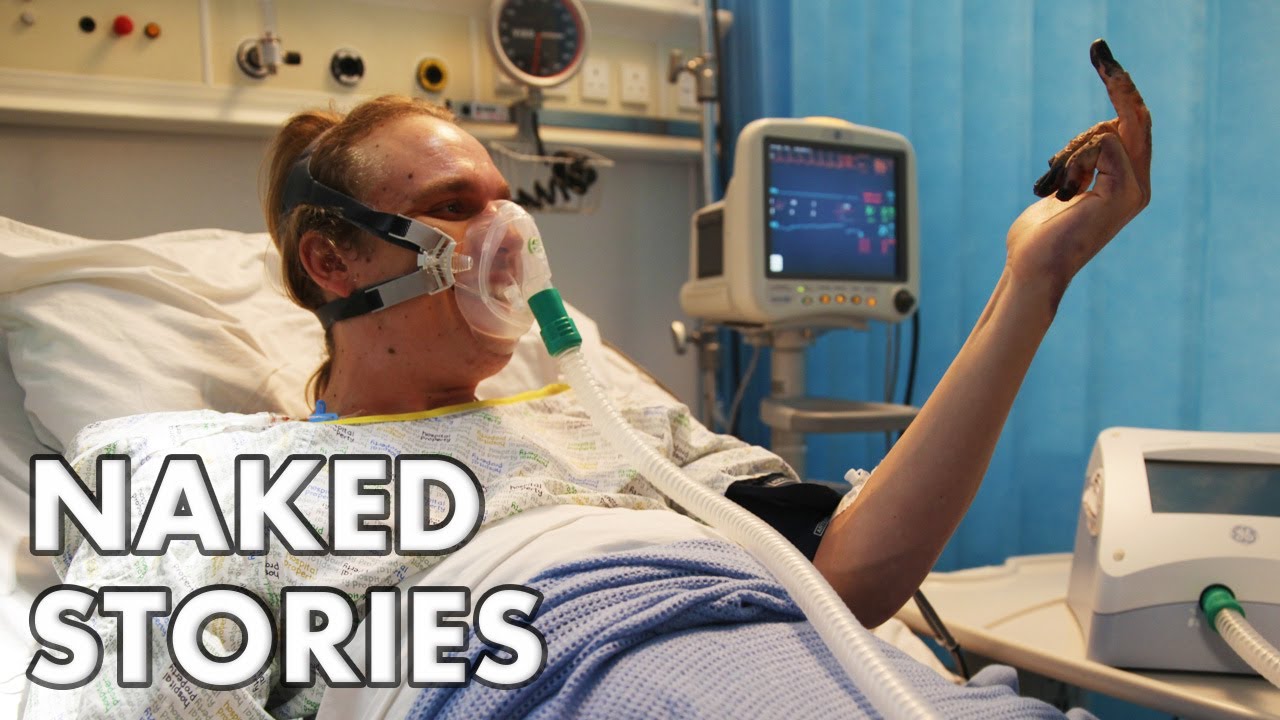
On March 13, 2006, a clinical trial of the experimental drug TGN1412 at Northwick Park Hospital led to a medical emergency involving six volunteers fighting for their lives.
NASA's mission to Mars drives advancements in nanotechnology, focusing on microscopic robots and nanomedics that aim to revolutionize disease detection and treatment.
Deborah, the first woman in France to receive a uterus transplant from her 59-year-old mother, represents a significant advancement in reproductive medicine.
Fetal stem cell therapy is legal and regulated in Ukraine, making it the only country where such treatment is available to patients worldwide.
In zoos worldwide, scientists are freezing reproductive and skin cells to create a "frozen zoo" aimed at preserving endangered species for future survival.
Stem cell research shows significant breakthroughs for extending human lifespan and disease prevention.
Twelve New Zealanders test their DNA to find surprising family connections, including links to ancestors from 8,000 years ago.
Gene editing technologies like CRISPR/Cas9 raise ethical concerns about eugenics while offering potential cures for genetic diseases and health predispositions.
Microorganisms living in and on the human body play a vital role in health by supporting immune defenses, protecting skin, and aiding metabolism.
Gene-editing technologies like CRISPR and PRIME editing are being utilized by scientists to enhance food security, combat climate change, and address genetic disorders in humans.
Genomic research has influenced dangerous ideologies, as explored by scientists Lewis Wolpert, Benno Muller-Hill, and Troy Duster in this examination of its history.
Dr. Nee, also known as Dr. Nehemiah Mabry, collaborates with chemical engineer Camille Smith to simulate the regeneration of cell tissue for treating sports injuries.
Aaron Barnes, at 16 months old, weighs four times the normal weight for his age due to a rare genetic condition affecting his appetite and growth.
A woman faces a 50/50 chance of inheriting her father's incurable disease while a man searches for his biological father, revealing unexpected family ties.
Kondwani Phiri examines how genetic engineering, including CRISPR and PRIME editing, can enhance health, agriculture, and even resurrect extinct species.
A filmmaker from Moldova investigates Soviet atomic gardening experiments in The Soviet Garden.
Monsanto's herbicide Roundup faces scrutiny for its health impacts, prompting bans in various countries while the United States remains the largest user.
Botulinum toxin A, commonly known as Botox, is explored for its therapeutic applications in treating chronic migraines, movement disorders, and obesity.