From over 100,000 films, discover the handful you'll love.
Free or premium access to the world's largest documentary library.
300 films(Page 3 of 7)
Triathlete Elmar Sprink, who experienced cardiac arrest at 38, became the world's fittest man with a donor heart, showcasing advancements in transplant medicine.
Annual estimates indicate 35,000 deaths in the United States and 700,000 fatalities worldwide are linked to antibiotic-resistant bacteria.
Lab-grown human skin is transforming treatment for severe burns in Switzerland, where significant investments fuel advancements in science and technology.
In a world where CRISPR technology enables genetic modification of embryos, Lena grapples with the ethical implications of altering her future children's hearing abilities.
In a futuristic exploration, Arthur Kroker examines how advancements in science may lead to a society where human identity is defined by artificial intelligence.
Trillions of microbes influence human digestion, immunity, and mental health, highlighting the microbiome's role in medicine and recovery strategies.
Julia Ravey explores the role of the microbiome in health and disease, meeting experts like Dr. Barry Marshall and visiting institutions such as The American Gut Project.
Maren Hunsberger, a microbiologist, explores anti-aging research and longevity at MIT, RAADFest, and within an Amish community known for its genetic mutation linked to extended lifespan.
Transhumanist thinkers like Aubrey De Grey and Liz Parrish explore the implications of using technology to extend human life and challenge the inevitability of death.
Menstrual blood, totaling approximately 100 million litres disposed of monthly, is explored for its potential uses in regenerative medicine and sustainable agriculture.
Transhumanism, biohacking, and artificial intelligence raise questions about the future of humanity and the potential limits of human evolution.
Epigenetics reveals that environmental factors, lifestyle choices, and experiences can influence gene expression, challenging the long-held belief that DNA solely determines identity.
Innovative scientists are developing lab-grown organs, identifying longevity genes, and studying lobsters to unlock the potential for human immortality.
Transhumanism advocates for enhancing human longevity and cognition through advanced technologies, predicting their inevitable integration into society.
Zika virus, which emerged in Brazil and is linked to severe fetal brain damage, prompts urgent scientific efforts to understand its origins and potential mutations.
Advancements in information technology, genetic engineering, and nanotechnology are increasingly merging human capabilities with machine functions, raising ethical and existential questions.
In the Chennai region of India, the Irulas capture venomous snakes for pharmaceutical use, passing down their dangerous expertise through generations.
The microbiome, comprising a significant portion of the human body, plays a crucial role in health and disease, influencing medical treatments across various fields.
Groundbreaking technologies in virtual reality, health sensors, and brain stimulation are reshaping the future of human enhancement and performance.
Epigenetics reveals how environmental factors like nutrition and trauma can influence gene expression, challenging the belief that genetics solely determine an organism's traits.
Epigenetics is explored through the work of leading scientists as they investigate how gene manipulation could enhance traits like intelligence and athleticism.
A man receives a second heart to survive, alongside stories of children with rare conditions and individuals overcoming life-altering accidents.
Advancements in artificial intelligence, robotics, and biotechnology raise questions about the essence of humanity and the implications of creating digital clones.
Thomas, a patient with severe depression, participates in an experimental study involving deep brain stimulation to regulate his emotions and improve his mental health.
Advancements in artificial intelligence, robotics, and biotechnology raise questions about the potential for creating immortal versions of human consciousness.
Michael Mosley investigates the human body's functions, including blood donation, hip replacement surgery, and the science behind sound perception in blind individuals.
Gary Stretch Turner, who has Ehlers-Danlos syndrome, showcases his rare condition that results in the world's stretchiest skin and its medical implications.
In the United States, a groundbreaking engineering facility is developing biotechnologies that enhance prosthetics with touch sensation and explore brain-machine integration.
Homo sapiens' impact on global biodiversity is examined alongside technological solutions like genome editing and synthetic biology for wildlife conservation.
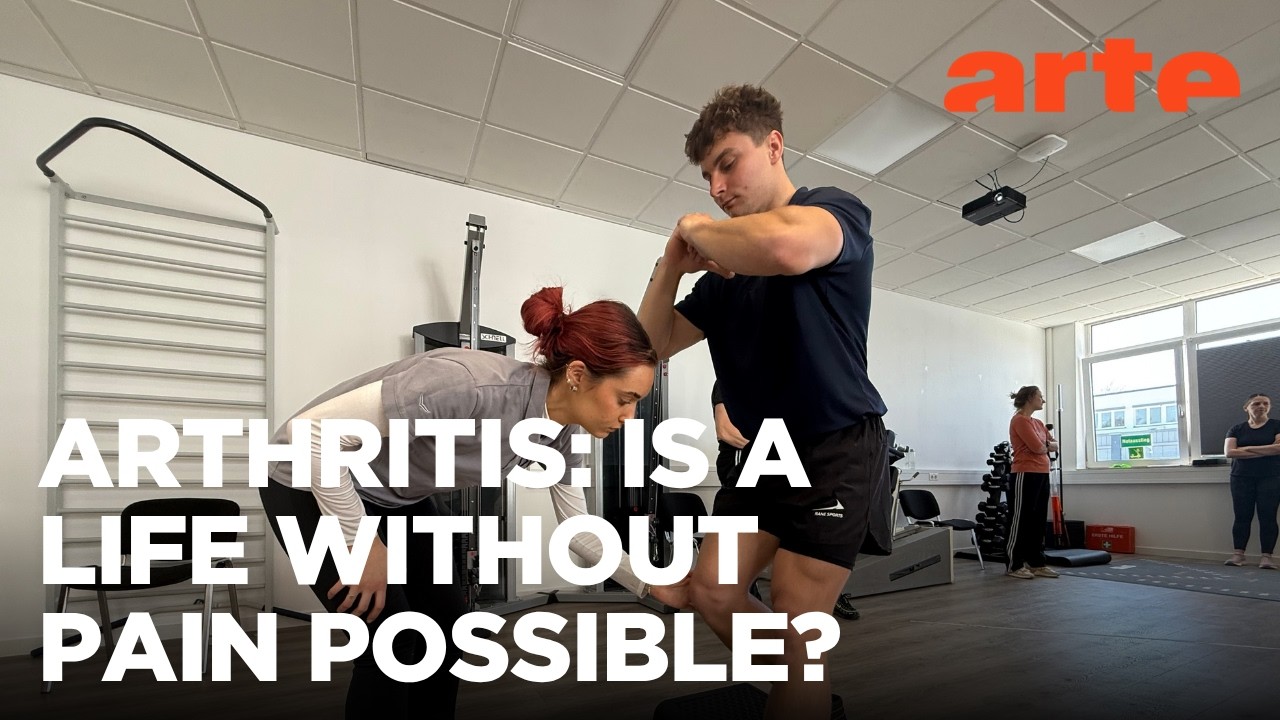
Arthritis affects millions in Europe, but innovative treatments like cryotherapy, ice baths, and cartilage cell transplants offer new hope for pain relief.
Michael Mosley investigates the human immune system, aging, and bodily functions through medical experiments and patient stories in a unique testing environment.
Resurrection science explores the potential of genetic engineering and cloning to bring extinct species like dinosaurs, mammoths, and Neanderthals back to life.
Jörg and Bernd, both reliant on artificial hearts, face a critical shortage of donor organs as German scientists explore genetically modified pig hearts for transplantation.
Efforts to preserve feral wolf populations, advancements in genetic medicine for diseases like HIV/AIDS, and a boy's rare sunlight allergy are explored in this episode of Scope.
Modern science reveals that the sense of smell, often overlooked, plays a crucial role in memory, emotion, and potential medical advancements.
Three decades after Dolly the sheep's birth, bioethical issues and medical prospects of cloning are examined in light of advancements in the field.
A scientist is developing lab-grown "ghost hearts" that can be accepted by any host's body, potentially transforming organ transplantation.
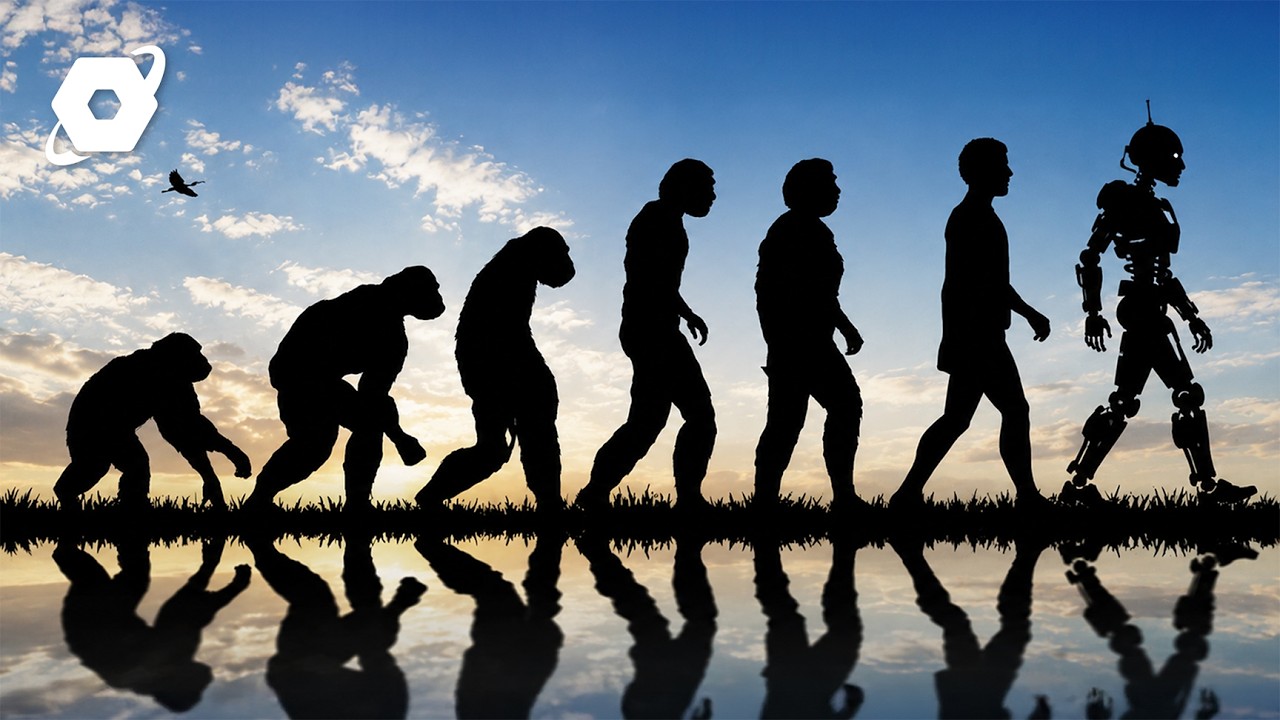
Transhumanism advocates for humanity's evolution beyond current physical and mental limitations through advancements in technology and science.
Advancements in artificial intelligence and robotics raise questions about the potential for creating immortal versions of humans and the essence of the human mind.
Gene-editing technologies are being utilized by scientists globally to enhance food crops, prevent famines, and accelerate reforestation efforts.
At four months old, a baby in the United States became the youngest American to receive a myoelectric hand, advancing cyborg technology.
Microbiomes serve as crucial ecosystems within the human body, influencing health through the diverse functions of various microbes, as explored by scientists globally.
Professor Rose Anne Kenny explores the scientific advancements in aging prevention and the societal implications of potentially achieving eternal life.
Fetal stem cell therapy, a highly controversial treatment harvested from abortions, faces significant regulatory and religious obstacles in the United States, prompting patients to seek alternatives abroad.
A 52-year-old patient undergoes a 14-hour pelvic exenteration at Addenbrooke's Hospital, involving the removal of the bladder, rectum, and prostate.
Volunteers stranded in the Arctic Circle test their limits using the Wim Hof method and other hacks.
Surgeon Arman Kuna removes Danny's rare lung cancer tumor at Royal Papworth Hospital.
Glyphosate, the world's most widely used herbicide, is examined for its potential health risks to humans and animals amid ongoing debates about its safety.