From over 100,000 films, discover the handful you'll love.
Free or premium access to the world's largest documentary library.
Topics explored in films with this theme:
5981 films(Page 8 of 125)
310 days of sunshine a year make New Mexico one of the best locations for solar installations in North America, yet challenges remain for widespread adoption.
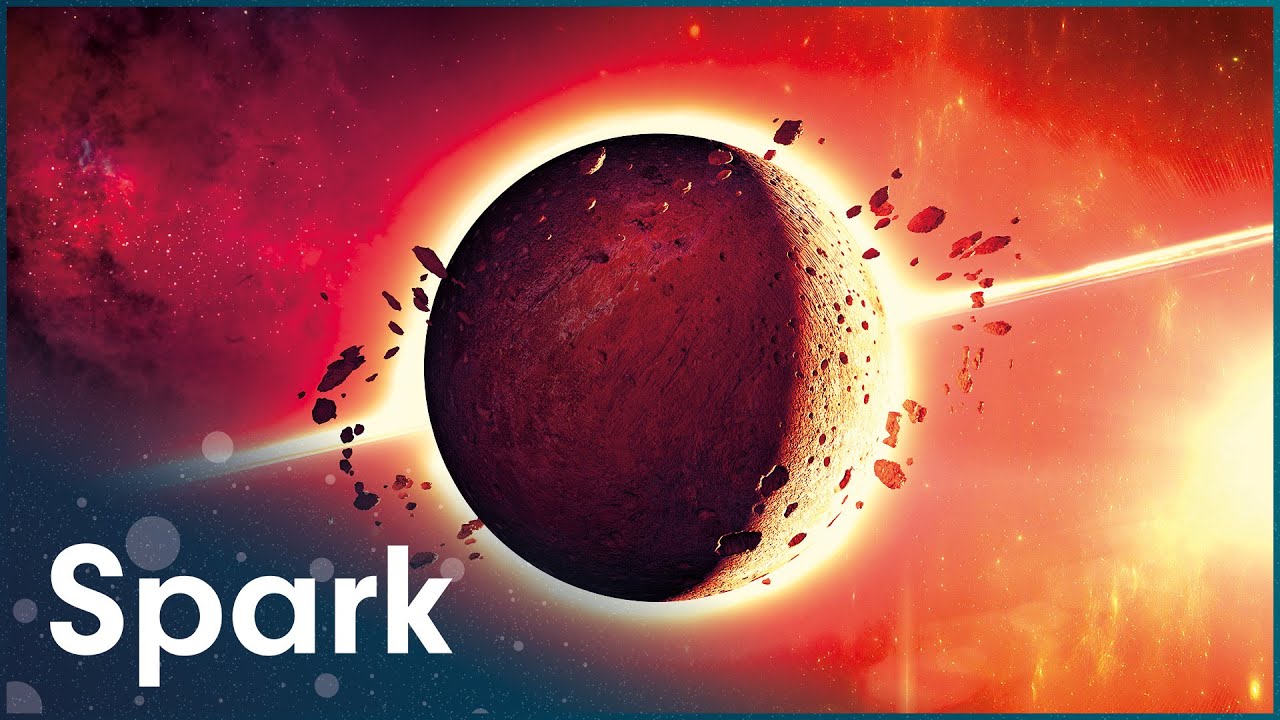
One solar flare can release energy equivalent to over 200 million hydrogen atomic bombs, posing a significant threat to life on Earth.
Nearly a third of Ghana's 31 million people rely on agriculture and fishing, yet many face poverty despite the country's rich natural resources.
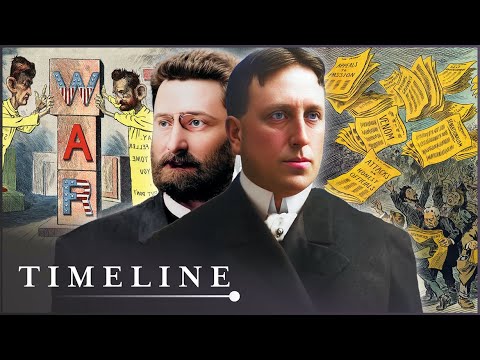
Joseph Pulitzer and William Randolph Hearst's rivalry transforms American journalism forever.
The Challenger space shuttle explodes 73 seconds after launch, emphasizing space travel dangers.
Biomimicry illustrates how natural phenomena inspire innovations in technology and medicine, showcasing examples from engineering to smart design.
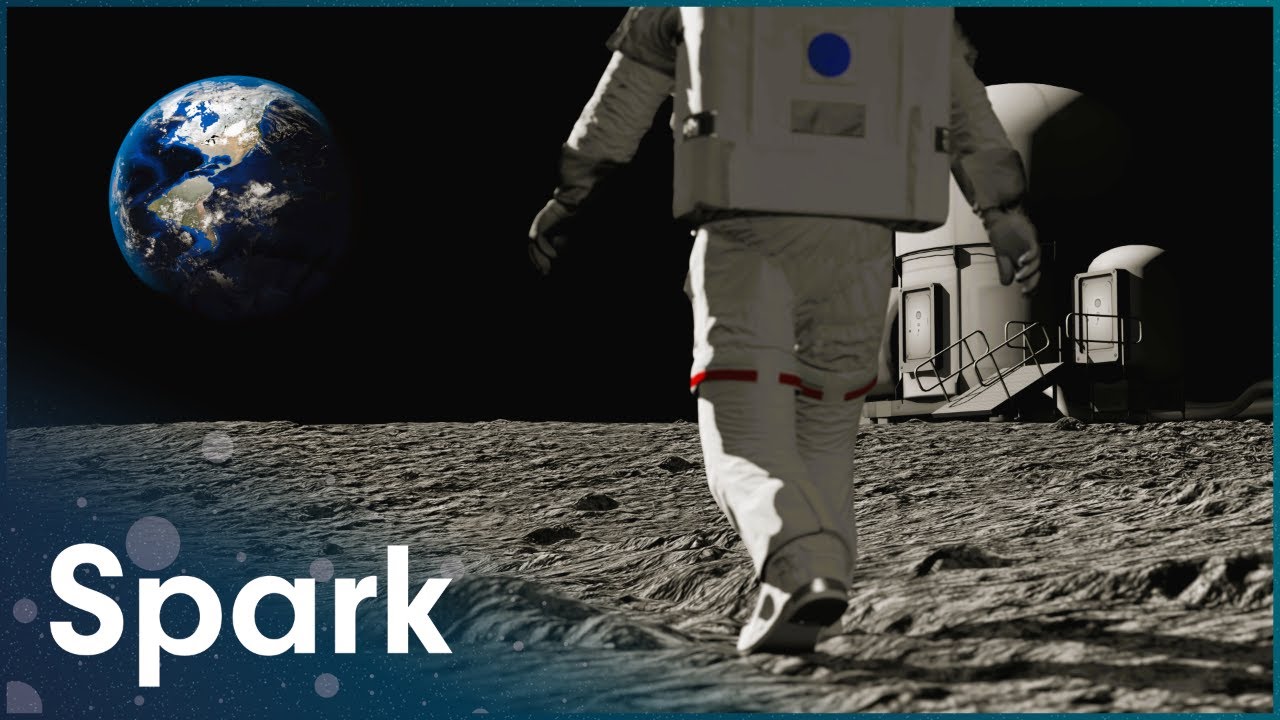
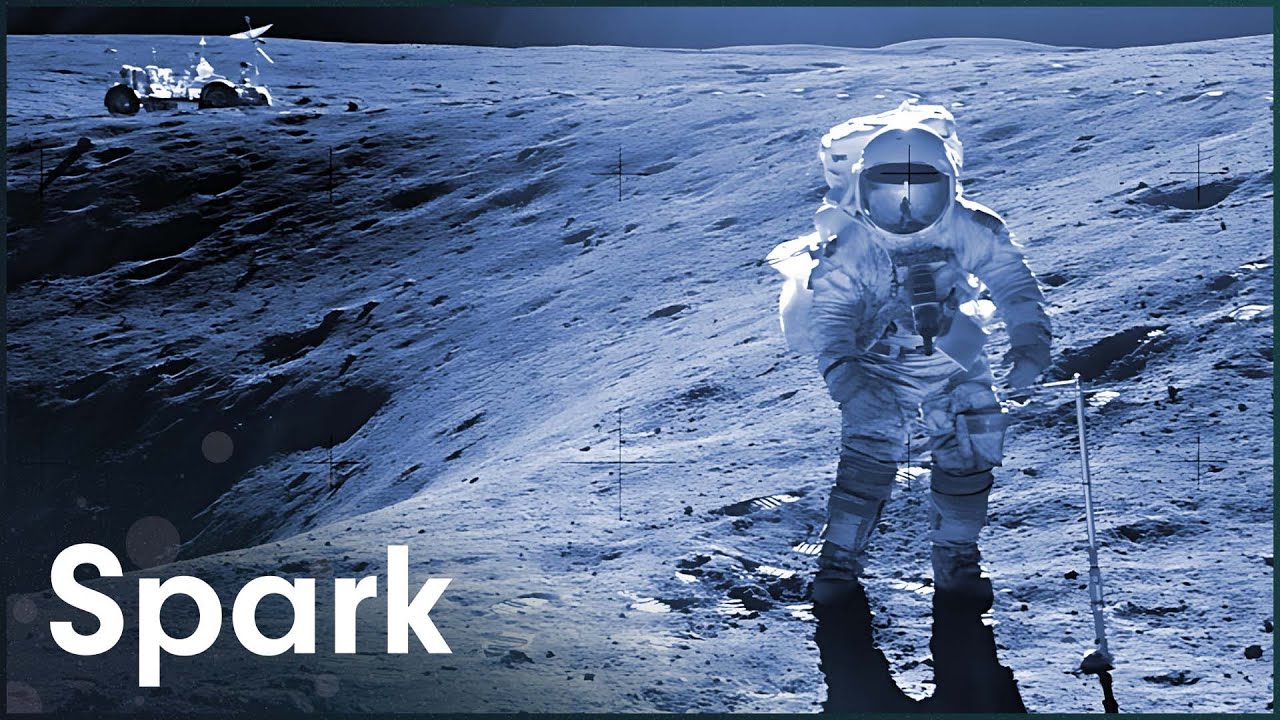
Twelve astronauts walked on the moon during the Apollo program, conducting scientific studies that provided new insights into the lunar surface.
The European Space Agency lands a probe on Comet 67P/Churyumov-Gerasimenko for the first time.
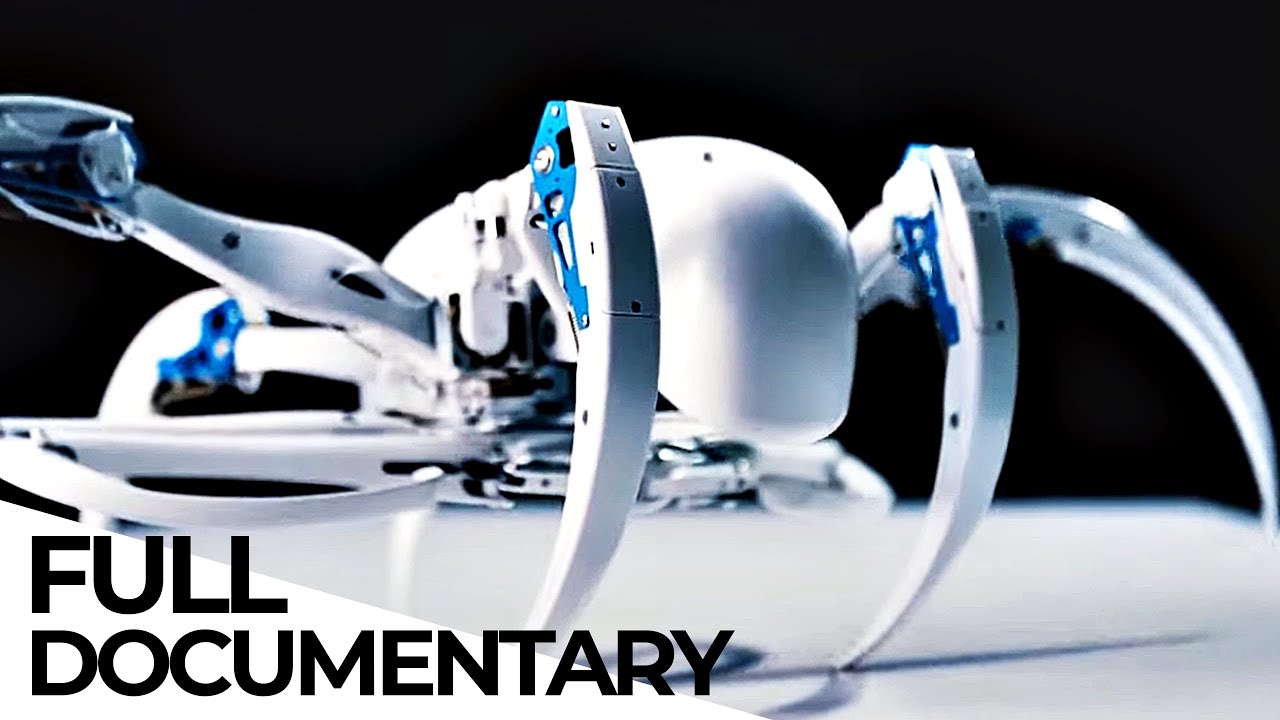
Robotic engineers at Boston Dynamics and other organizations create Smart Robots like Robo Dogs and Robo Spiders to enhance safety and efficiency in hazardous environments.
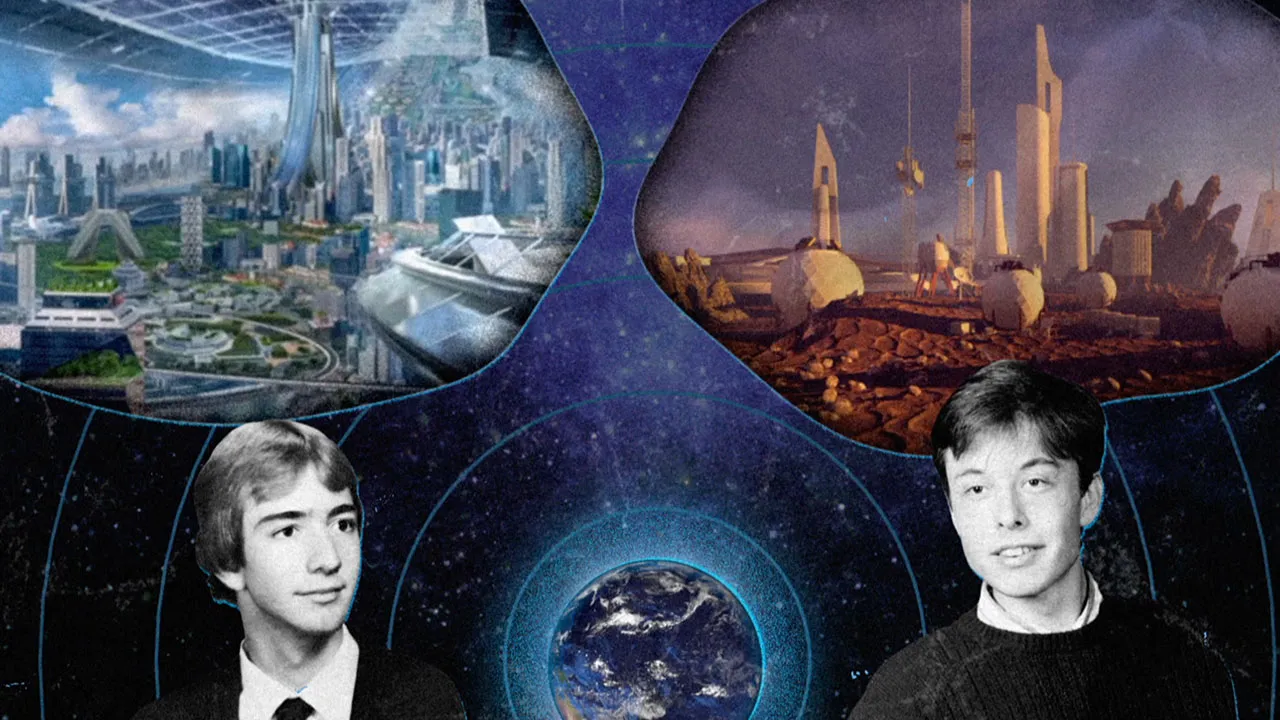
Humanity seeks new habitats in space as Earth grapples with overpopulation and climate change.
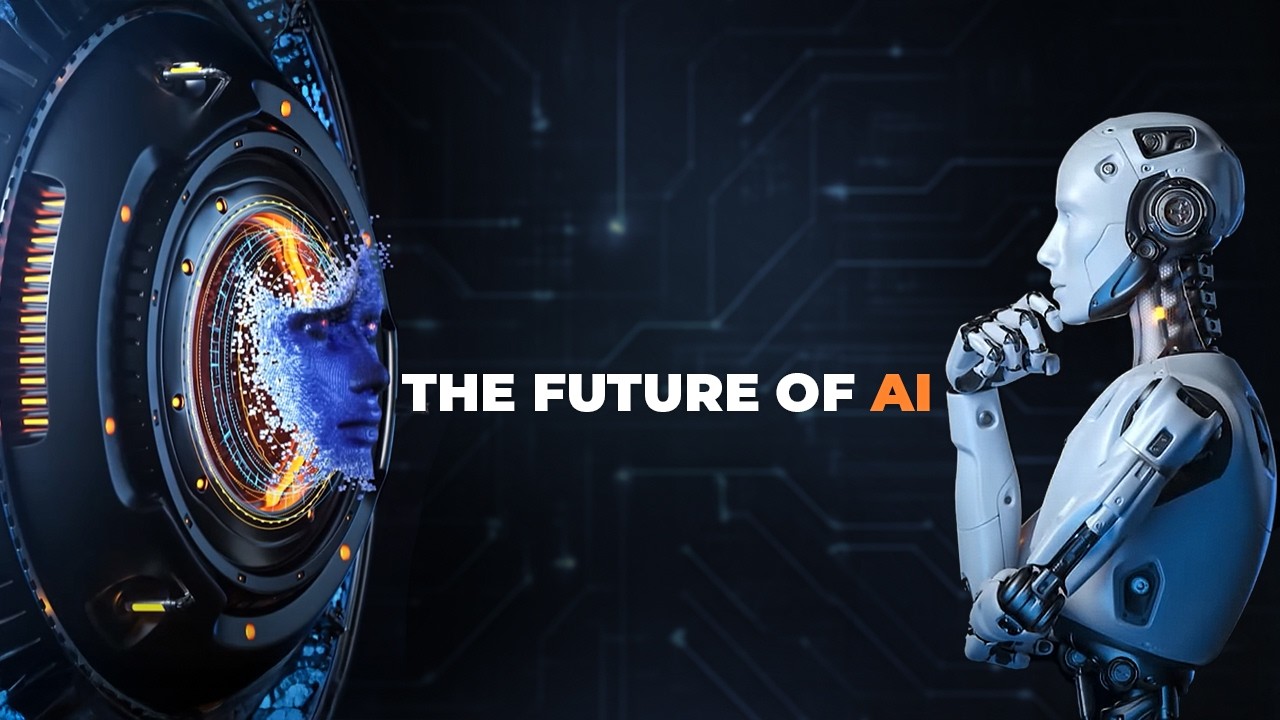
Five to 15 years is the estimated timeframe before significant risks from self-aware AI may emerge, according to a self-aware AI named Kassandra.
On August 15, 1977, a strong narrowband radio signal lasting 72 seconds was received by Ohio State University's Big Ear radio telescope, suggesting possible extraterrestrial origin.
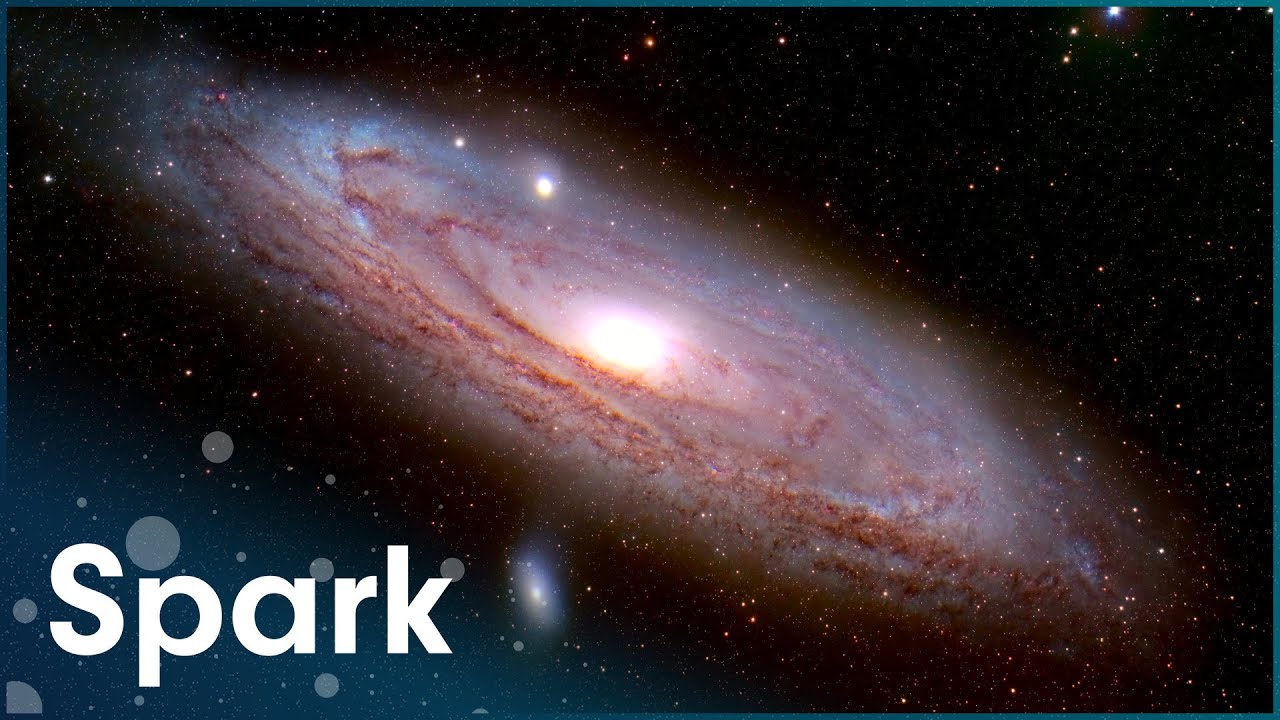
Astronomers have mapped 1 billion stars using advanced technology and data from organizations like NASA and ESA, revealing insights into the cosmos.
A young woman from California quits her secure office job to pursue boxing, creating tension with her parents over career choices.
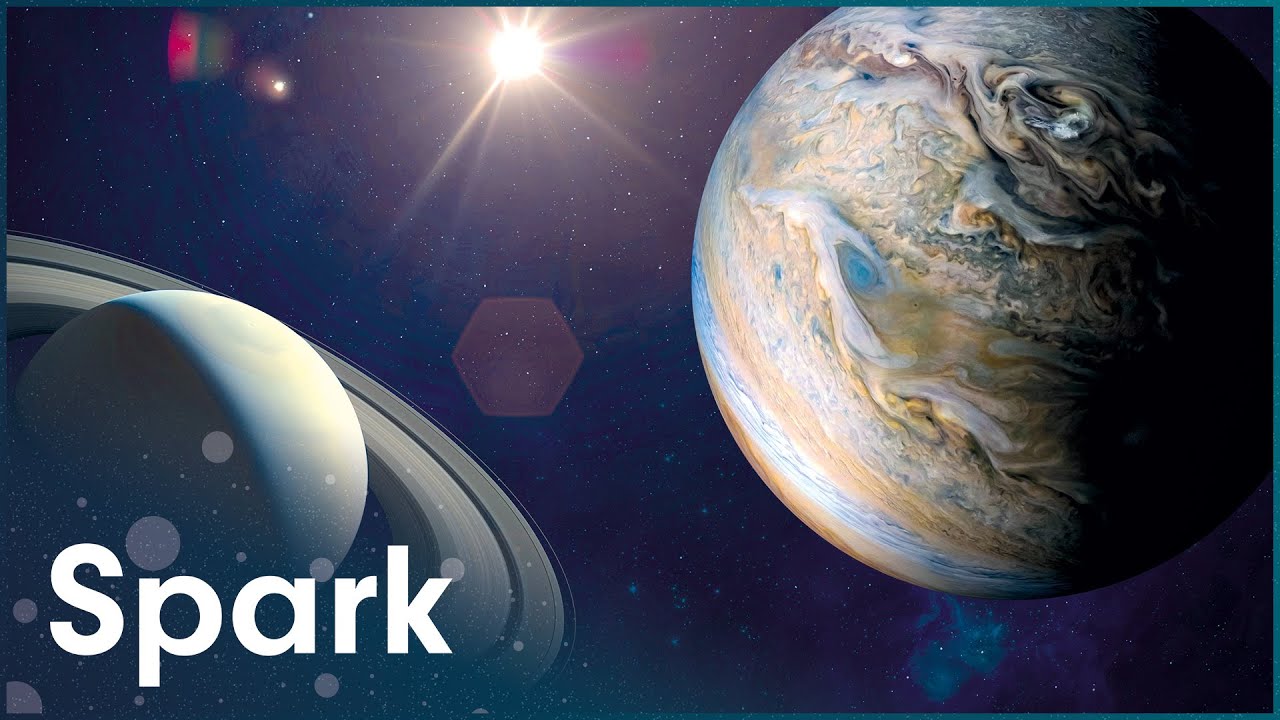
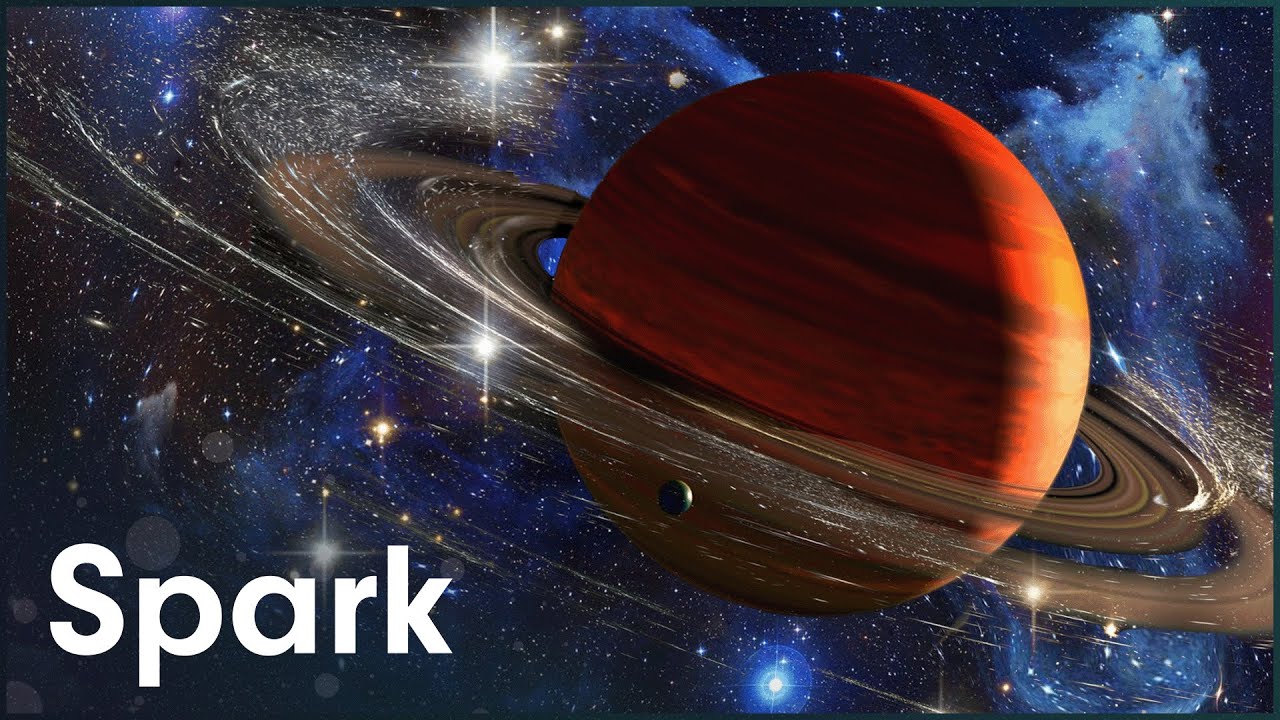
Orbiters of Jupiter and Saturn provide new insights into their moons and the outer solar system.
The Federation Tower in Moscow, set to reach 365 meters, aims to be the strongest and safest skyscraper ever built, drawing lessons from past engineering failures.
Christopher Boyce reveals his past as a CIA double agent selling secrets to the KGB.
Only 18 men returned from Ferdinand Magellan's expedition, which set sail in 1519 with five vessels and 239 crew members, completing the first circumnavigation of the globe.
The Antonov An-225 Mriya is the world's largest aircraft, designed to carry oversized cargo.
Alan Lightman recalls a moment when he felt as if he were merging with the stars while alone on a boat in the quiet waters off a Maine island.
About 30,000 ocean-going vessels, including the Marstal Maersk, call at the Port of Rotterdam each year, reflecting the scale of global trade.
This ultimate documentary features Mike Oldfield's music and highlights key figures in space flight.
The Japanese Asteroid Sample Return Mission prepares to collect samples from an asteroid.
Echelon is a global surveillance network that collects millions of messages every hour, monitoring private communications across the planet.
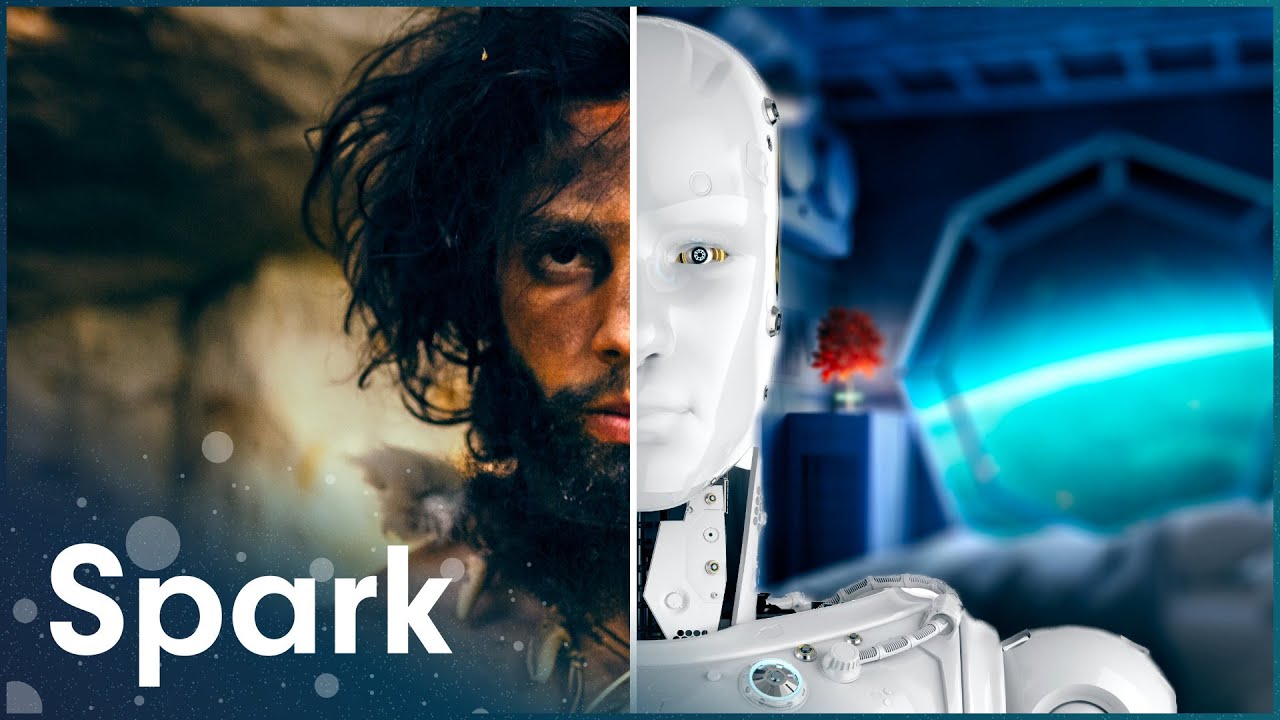
The Fourth Great Revolution merges AI, biotech, and nanotech, transforming our future by 2050.
The video presents 10 episodes from The New Frontier series about outer space mysteries.
Flying cars developed by Slovakian and Japanese companies are being explored by rideshare firms like Uber as potential solutions for urban congestion.
Apollo 16's crew accumulated more memories during their 11-day flight than most people acquire in a lifetime.
Two advanced space probes, one from NASA and the other from Europe, are studying the Sun's atmosphere and solar winds from within Mercury's orbit.
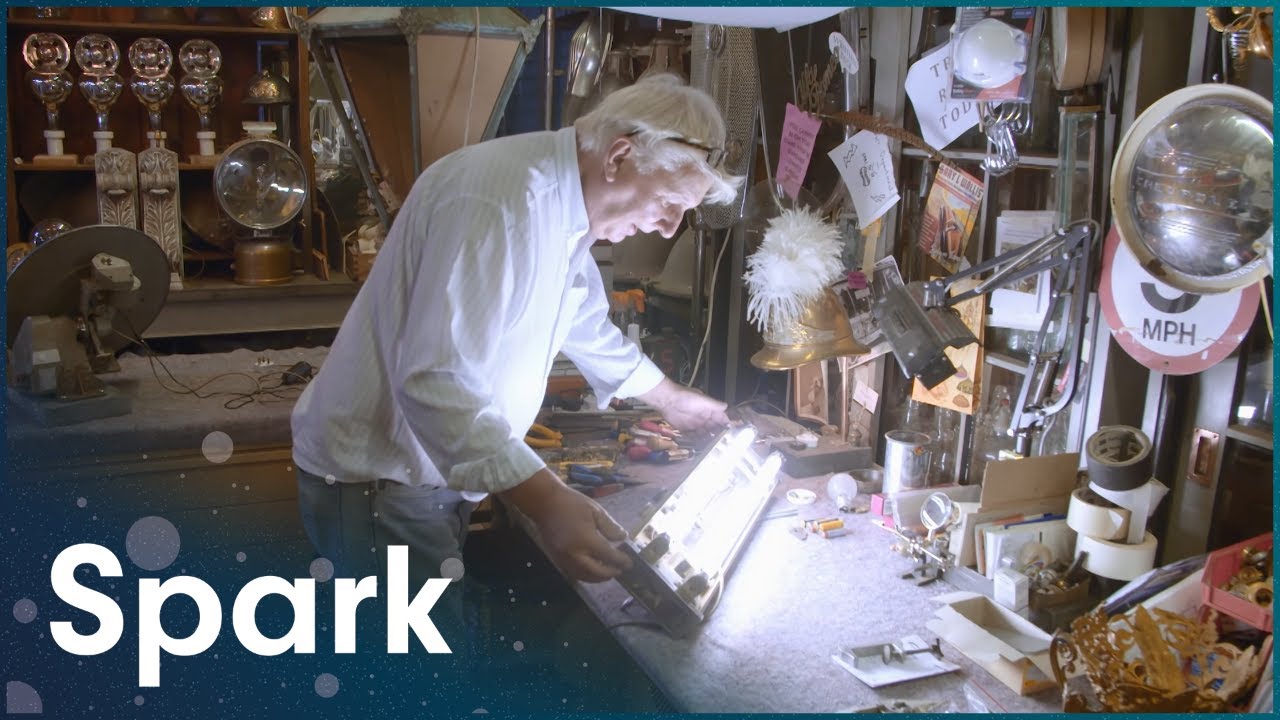
Gary Wallis transforms a vintage ship's compass into a functional table, demonstrating his skills in restoring forgotten objects.
Tom Plümmer's Wingcopter delivers medication in Malawi and parcels in Germany using drones.
Gary Wallis transforms World War II bomber jackets into a stylish chair while revamping a pub's interior with unique furniture pieces.
In Japan, robots address loneliness and household tasks, raising questions about human connection.
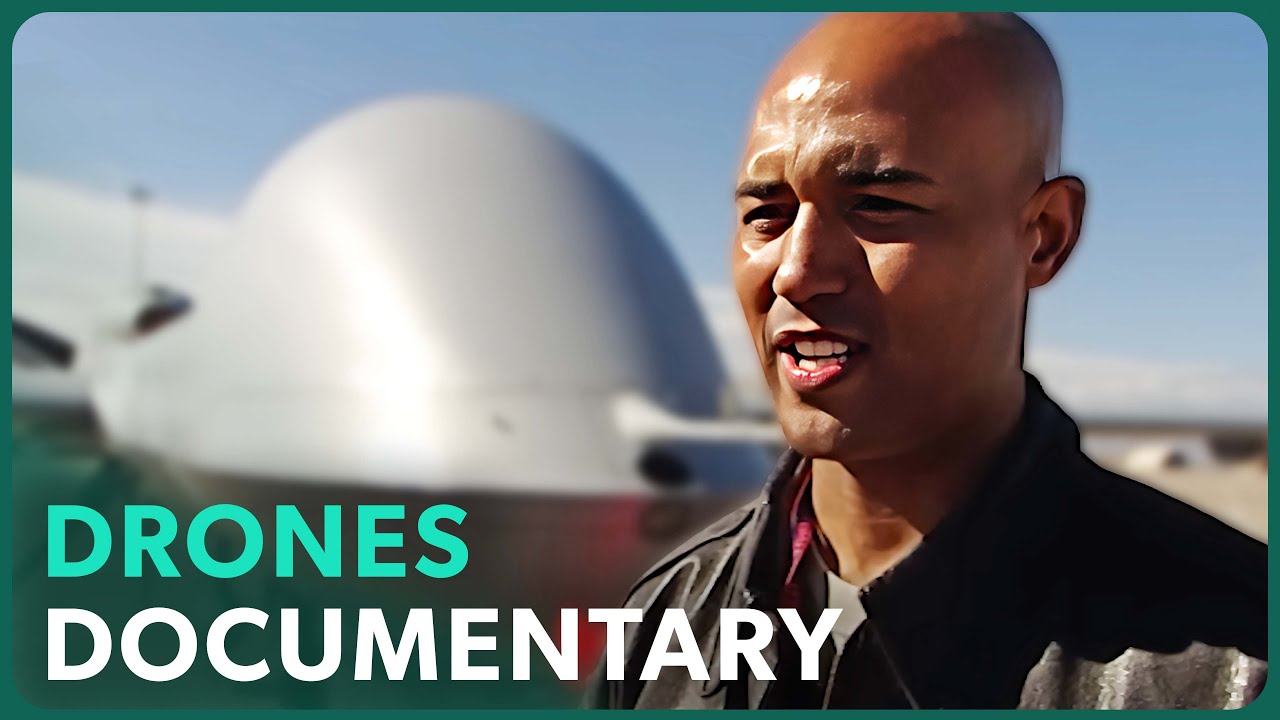
An MQ-9 Reaper drone can remain airborne for about 16 hours, providing continuous intelligence, surveillance, and reconnaissance support during military operations.
Six astronauts, all space tourists, board a rocket launched by Jeff Bezos's Blue Origin, marking a significant shift in commercial space travel.
Students from around the globe compete in local science fairs for a chance to advance to the prestigious International Scientific and Engineering Fair (ISEF).
AI is transforming drug discovery processes, fundamentally changing the pharmaceutical industry and how diseases are predicted and treated.
Colin Chapman built the first Lotus car in a North London garage in 1948, leading the brand to multiple Formula 1 World Championships.
25,000 man hours are required for a complete overhaul of the Airbus A330-300, ensuring it meets safety standards before returning to service.
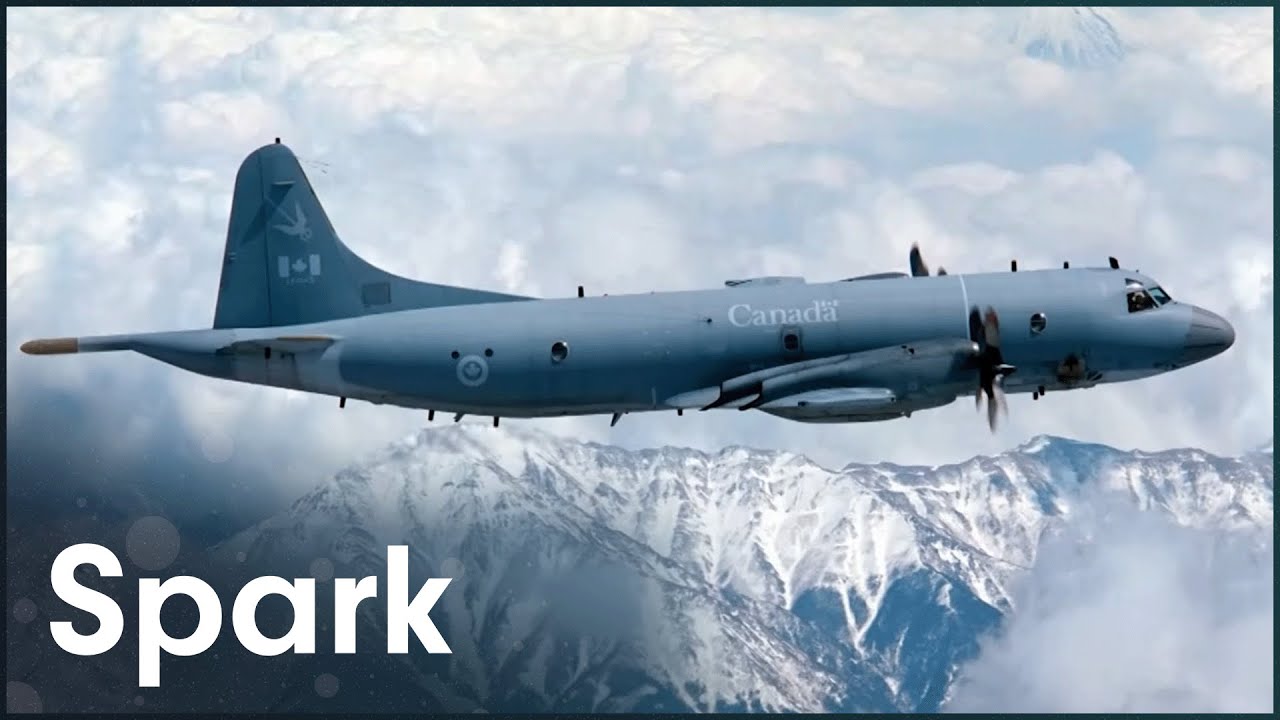
A CP-140 Aurora aircraft must locate and eliminate a mock submarine target in a 145 square kilometer ocean range off British Columbia's coast.
The episode reveals how we accurately keep time and triangulate location through history.
The 1998 derailment of the Intercity Express near Escheda kills 101 and injures 100 others.
New projects advance slowly, moving hardware into testing for Mars exploration missions.
Nokia's innovations propelled Finland's economy and led the mobile phone industry until key decisions culminated in the sale to Microsoft in 2013.
A team of scientists tests rocket components aboard helium balloons at an altitude of 30 kilometers in Fairbanks, Alaska, to advance space travel technology.
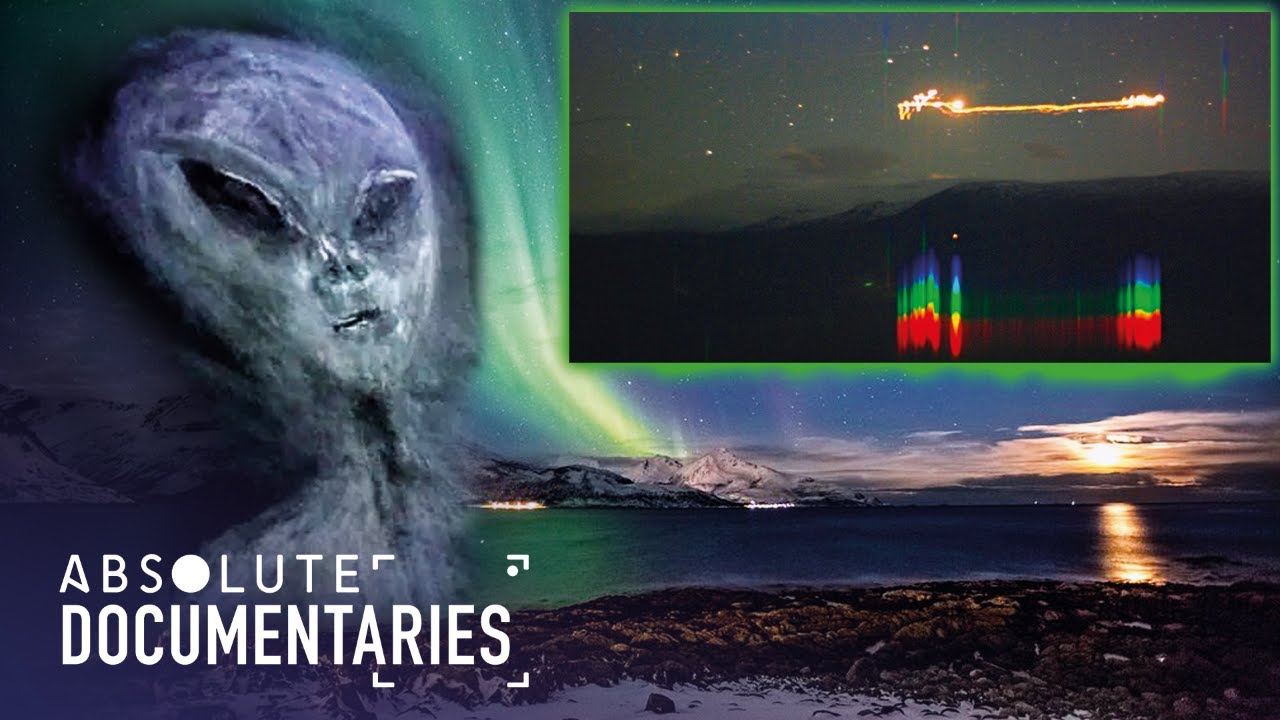
For almost 20 years, people in a Norwegian valley have reported strange lights hovering near them, sparking ongoing investigations into their origin.
Seven new stars form each year within the Milky Way, driven by events like supernova explosions and interactions with other stars.
After 13 years of orbiting Saturn, the Cassini probe's final plunge to the planet's surface significantly advanced scientific understanding of its rings and moons.