From over 100,000 films, discover the handful you'll love.
Free or premium access to the world's largest documentary library.
369 films(Page 1 of 8)
Artificial intelligence is reshaping the American workforce, leading to increased job insecurity and challenging the traditional concept of the American Dream.
In a world increasingly reliant on automation, engineers and innovators explore the unintended consequences of creating limitless robotic systems.
Research on artificial intelligence explores whether ChatGPT can communicate with whales, examining the implications for both technology and marine biology.
Lee Sedol, a top Go player, faces AlphaGo, an AI developed by Google's DeepMind, in a historic match that challenges the limits of artificial intelligence.
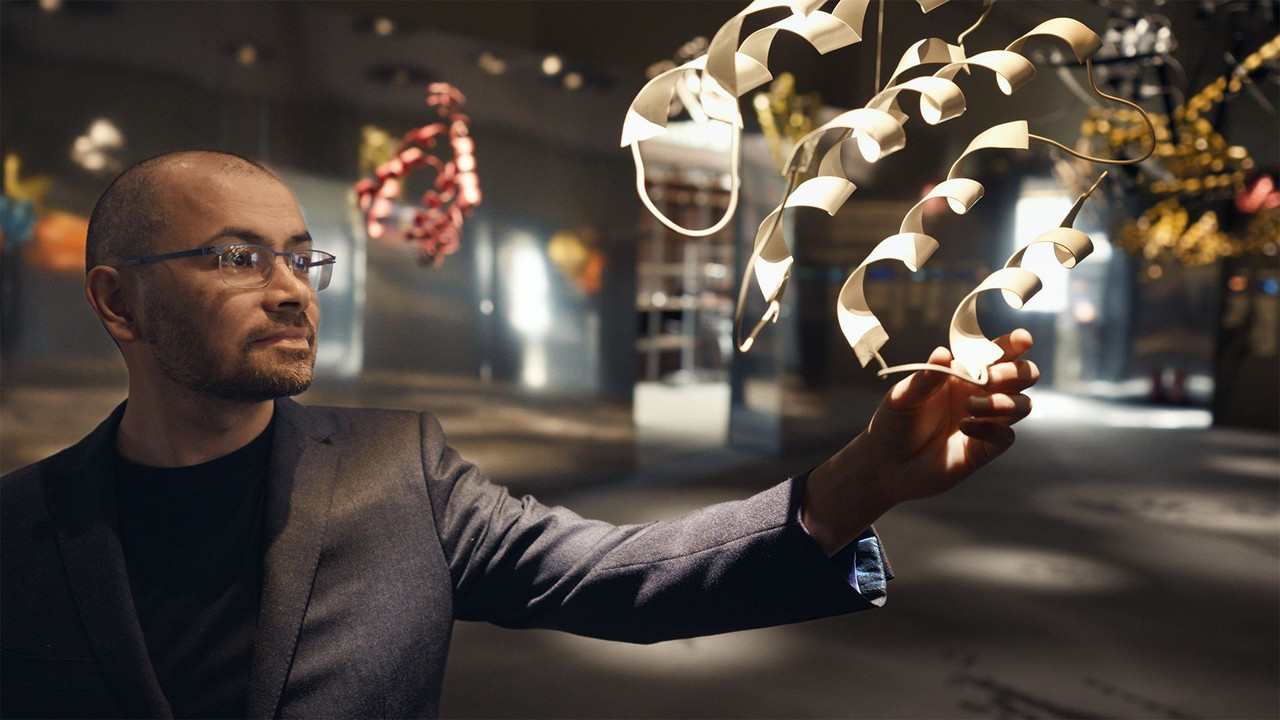
Demis Hassabis, co-founder of DeepMind, reflects on his passion for artificial intelligence and the ethical implications of artificial general intelligence.
Cameras have existed since 1839, capturing moments in time, but their use has shifted from evidence of facts to tools for storytelling and manipulation.
As Big Tech transitions to the intimacy economy, experts and creators examine the implications of customizable lovebots on loneliness and societal isolation.
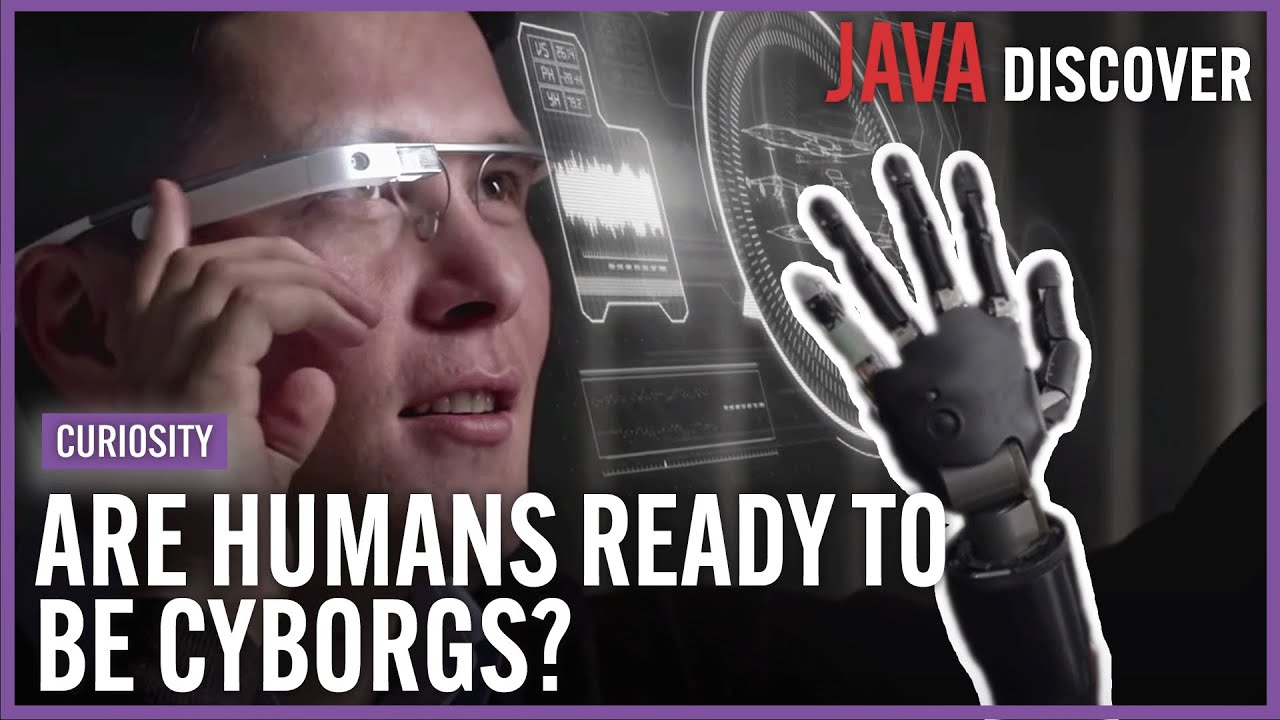
A modular prosthetic limb developed at Johns Hopkins costs upwards of $120 million and represents the cutting edge of cyborg technology.
Artificial Intelligence can help identify areas at risk of famine, according to experts featured in the documentary.
MIT CSAIL researchers, including Dr. Pulkit Agrawal and Gabe Margolis, explore the implications of advanced artificial intelligence in robot dogs.
Fifty percent of jobs may be somewhat or extremely threatened by artificial intelligence in the next 15 years, according to experts in the film.
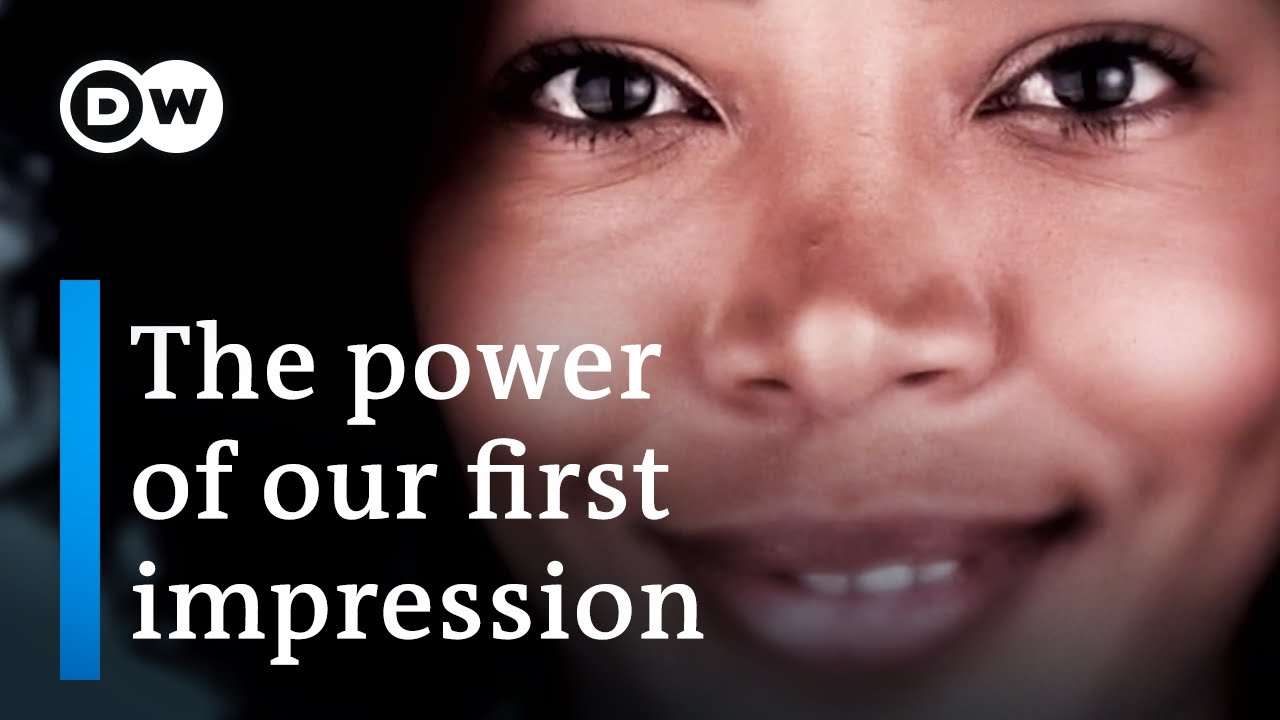
In just 100 milliseconds, the brain makes judgments about trustworthiness and competence based on a person's face and voice.
Machines can now identify developing lung cancer, marking a significant advancement in artificial intelligence's role in medicine.
In 2077, advancements in genetics, nanotechnology, and artificial intelligence will transform daily life, raising ethical concerns and existential risks for humanity.
A 52-year-old man reflects on his family's memories while considering the possibility of using AI to preserve aspects of life after death.
A modular prosthetic limb developed at Johns Hopkins costs upwards of $120 million and represents the cutting edge of bionic technology.
Humanoid robots are transitioning from viral sensations to practical applications, raising questions about their real-world value amid significant investments and competition.
Neurotechnology is poised to transform human cognition and reality, prompting discussions on Neuro-Rights to protect mental privacy amid rapid advancements.
Experts suggest creating an immortal version of oneself is now possible through AI advancements.
The human brain contains about 100 billion neurons and hundreds of trillions of connections, forming a complex system that scientists aim to understand better.
Cutting-edge research in consciousness science raises critical questions about humanity's potential evolution and the implications of technological advancements on the essence of being.
Around 800 apprentices train at ABB's Berlin facility, learning advanced robotics and 3D printing to prepare for a rapidly changing job market.
Seventy thousand years ago, Homo sapiens experienced a cognitive revolution that allowed them to dominate other human species, a theme echoed in today's advancements in artificial intelligence.
NASA's enhanced film footage of the Apollo moon landings provides a new perspective on lunar exploration and the evidence collected about Earth's origins.
Professor Brian Cox explores the Earth's atmosphere from the heights of Alaska, contrasting it with Saturn's moon Titan and emphasizing its vital role in the solar system.
Artificial intelligence has evolved from Alan Turing's chess experiments to advanced neural networks and self-driving cars, raising questions about its implications for humanity.
Over 18 months, Peter Scott-Morgan undergoes a radical transformation into a cyborg, integrating advanced surgery and artificial intelligence to combat Motor Neurone Disease.
Hyper-Intelligent AI is actively transforming daily life through applications like self-driving cars and humanoid robots, reshaping human experiences and interactions.
William Shatner discusses apocalyptic predictions with a man fearing a 2012 super-volcano eruption, NASA experts on solar flares, and futurist Ray Kurzweil on robot takeovers.
$120 million is being invested in developing advanced bionic limbs that could redefine human capabilities and enhance lives around the world.
Bill Gates and Steve Jobs compete to make computers accessible to the masses in the 1980s.
By 2030, the aircraft industry faces significant challenges with an expected increase to 17 million flights annually, necessitating innovative solutions for traffic management.
In August 1521, Spain's conquest of the Aztec Empire initiated the colonization of Mexico, yet Aztec culture endures through preserved codices and modern applications in artificial intelligence.
Engineers around the world are developing innovative technologies, such as artificial vision and advanced rocket launch systems, to enhance human abilities and senses.
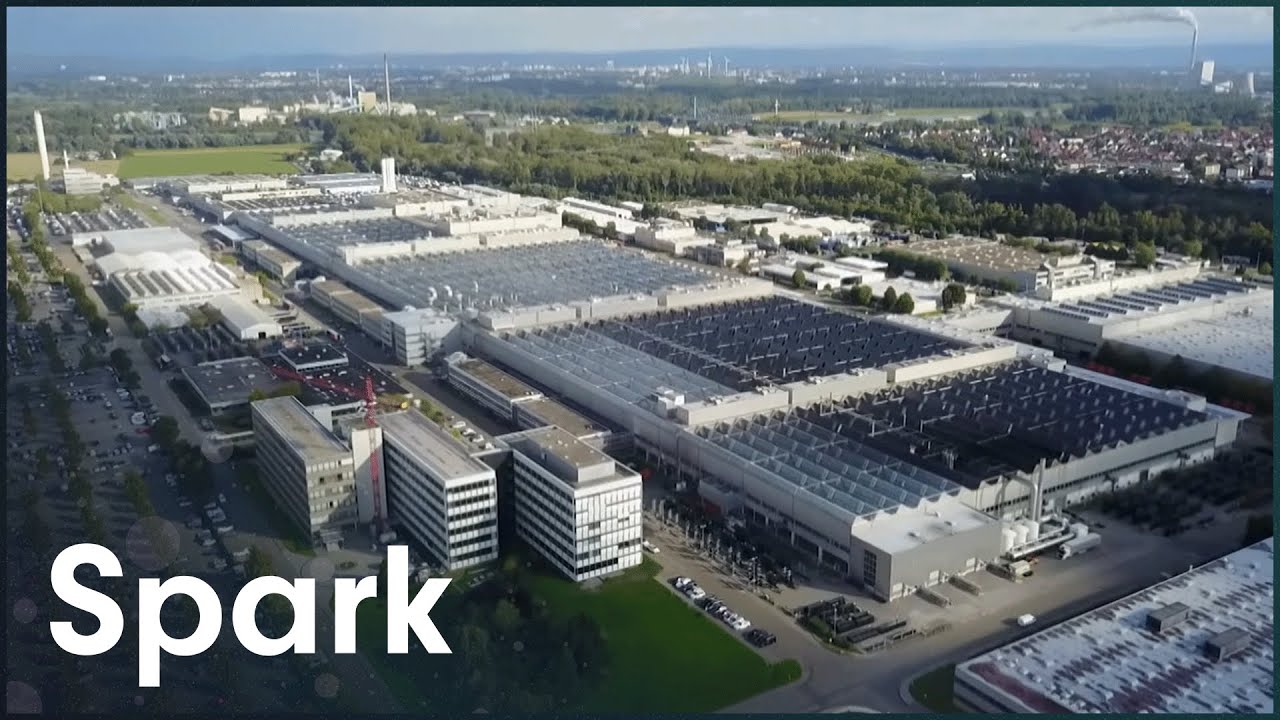
The largest truck factory in Wörth, Germany, produces a truck every 130 seconds.
Richard Bellman, a mathematician who invented dynamic programming, held professorships in mathematics, medicine, and electrical engineering.
Humanoid robots like iCub and REEM are set to integrate into our daily lives soon.
Five to 15 years is the estimated timeframe before significant risks from self-aware AI may emerge, according to a self-aware AI named Kassandra.
Predictive analytics and algorithms increasingly shape consumer habits and personal choices, raising questions about the spontaneity of human experience.
The Fourth Great Revolution merges AI, biotech, and nanotech, transforming our future by 2050.
Explorer Tara Roberts, computer scientist Gloria Washington, and photographer Ruddy Roye discuss their work reimagining Black history through maritime archaeology, AI, and photojournalism.
Humanity faces existential threats from climate change, planetary collapse, and the eventual demise of Earth, prompting discussions on survival through space colonization and AI evolution.
A Harvard astrophysicist and a former UK Ministry of Defence official discuss the possibility that UFOs may be linked to ancient religious experiences.
A man with a strong Israeli accent seeks to understand why his YouTube videos receive fewer views, despite his past success in other media.
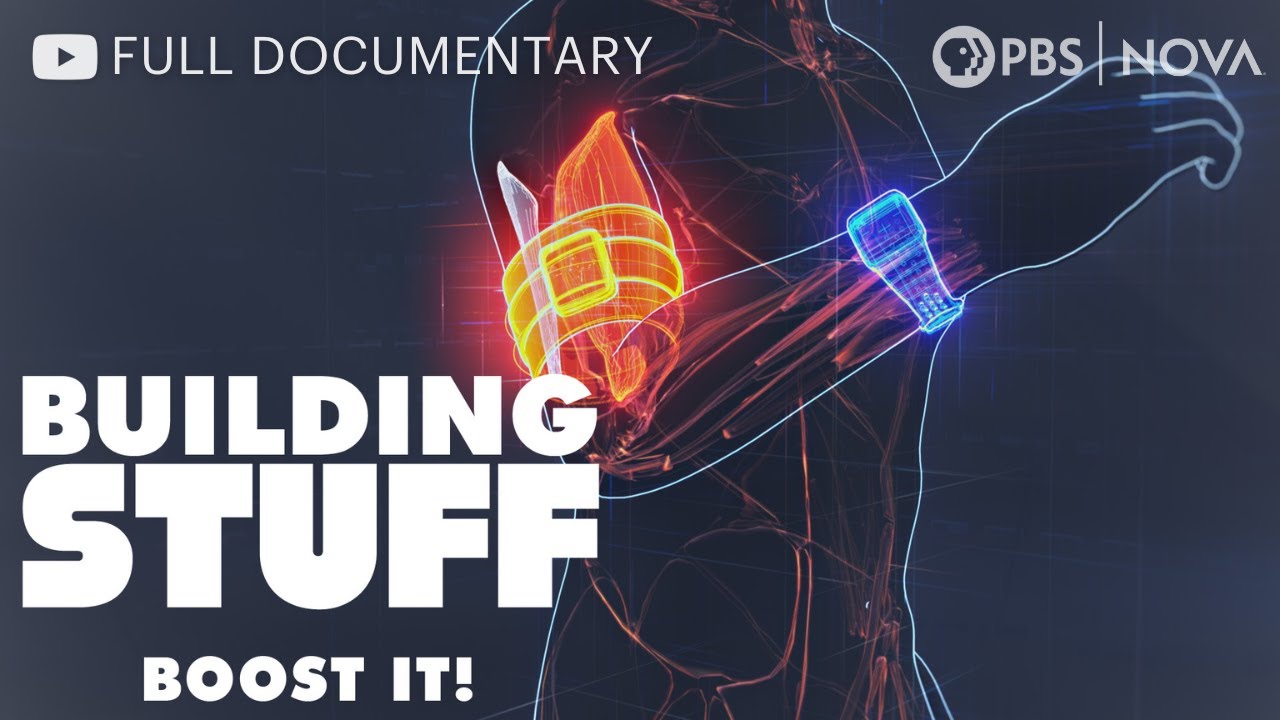
A haptic exoskeleton developed in Italy allows users to lift up to 100 kilograms while transferring the feeling of touch from a robot to a human.
Advancements in artificial intelligence and biotechnology raise questions about the potential for human immortality and the implications of merging with AI.
Origami's mathematical principles are being applied by scientists and engineers, including roboticist Shuguang Li, to innovate technologies like shape-shifting robots and artificial organs.
The manufacturing process of the Volvo A60, the world's largest articulated hauler, is examined from raw steel to the completed vehicle, showcasing its engineering.