
40,000 years ago, Neanderthals in Eurasia displayed cultural practices and technological skills similar to those of modern humans.
Synopsis
40,000 years ago, Neanderthals in Eurasia displayed cultural practices and technological skills similar to those of modern humans.
People
View all →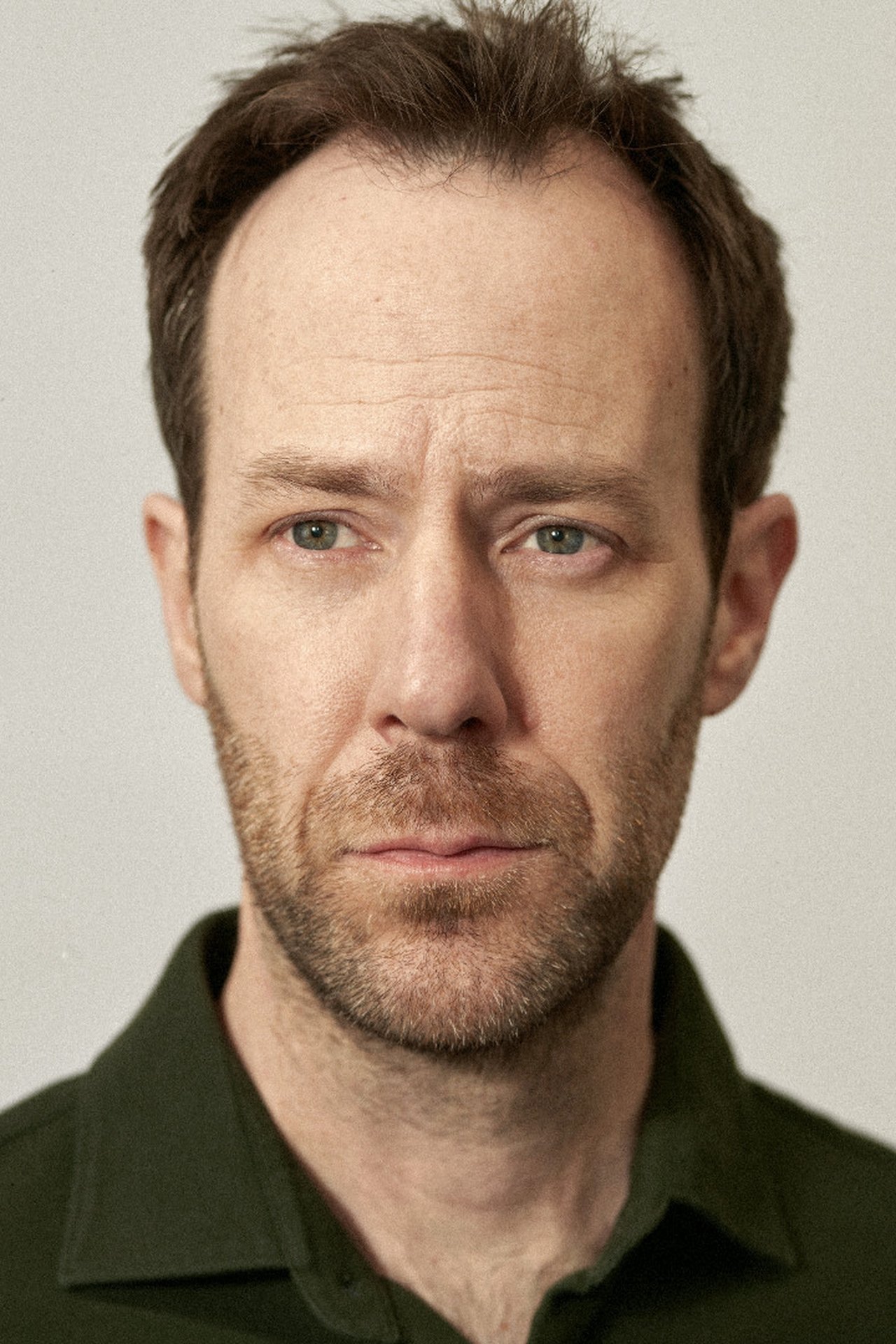
Synopsis
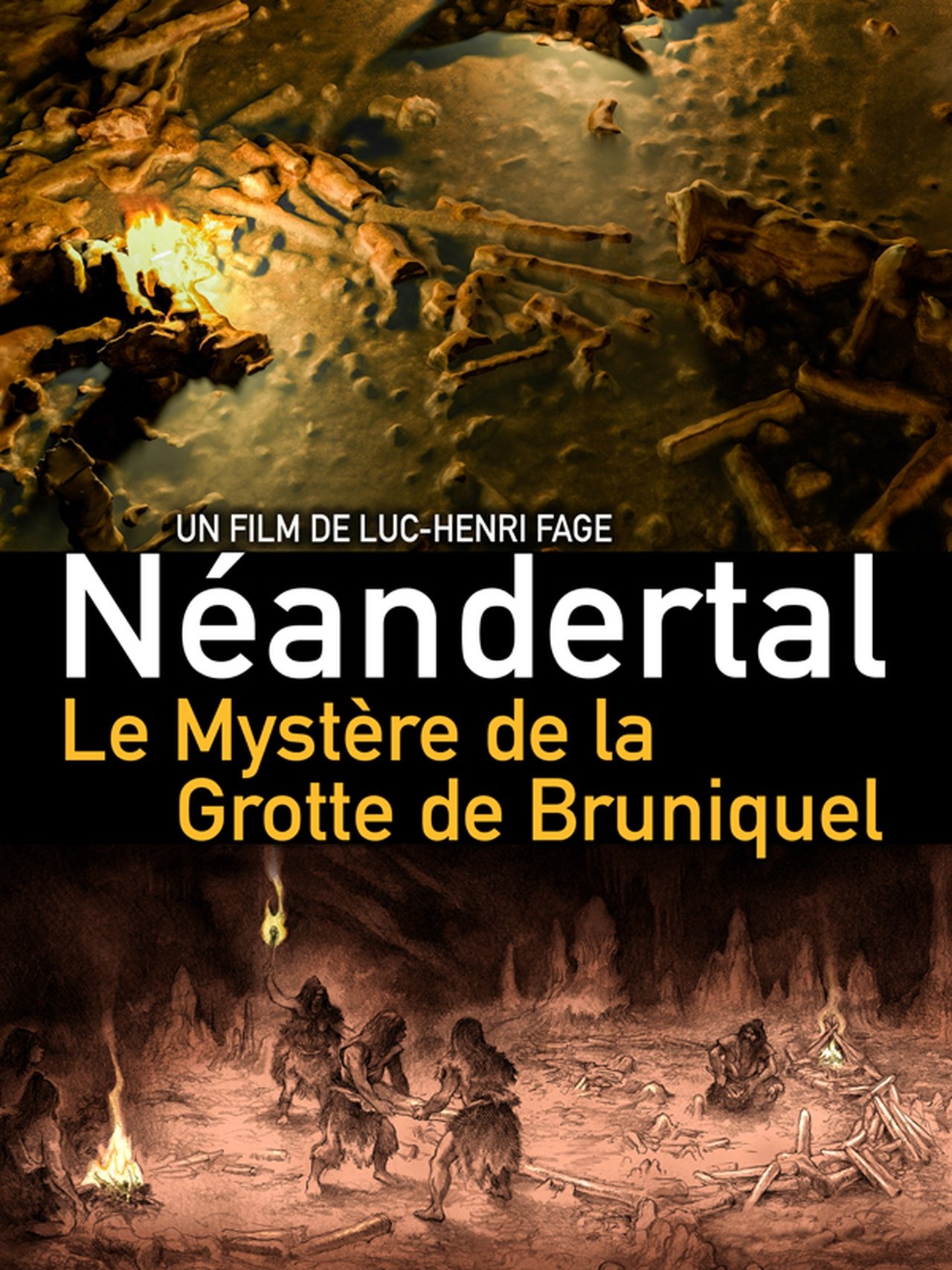
Dr. Svante Pääbo leads a team of researchers investigating Neanderthals, who lived in Eurasia around 40,000 years ago. Recent genetic and archaeological findings reveal that these ancient humans possessed advanced cultural practices and technological skills similar to those of modern humans. The documentary discusses the factors that led to their extinction, offering insights into their behaviors and the impact on understanding human evolution. It challenges long-held beliefs about Neanderthals and their place in the human lineage.
Deep Dive
Why Watch
- Meet Dr. Svante Pääbo and his research on Neanderthals.
- Find out about Neanderthal cultural practices.
- See how new research challenges old views on Neanderthals.
Did You Know
- Neanderthals lived in Eurasia around 40,000 years ago.
- Dr. Svante Pääbo is a prominent researcher featured in the film.
- The film's duration is 89 minutes.
- Neanderthals are shown to have cultural practices similar to modern humans.
Perfect For
Frequently Asked Questions
What time period did Neanderthals live in Eurasia?
Neanderthals lived in Eurasia around 40,000 years ago.
Who is a prominent researcher mentioned in the documentary about Neanderthals?
Dr. Svante Pääbo is a prominent researcher investigating the factors contributing to Neanderthals' extinction.
What are some characteristics of Neanderthals according to recent research?
Recent research indicates that Neanderthals had cultural practices and technological skills that resemble those of modern humans.
What are people saying?
Play More Like This


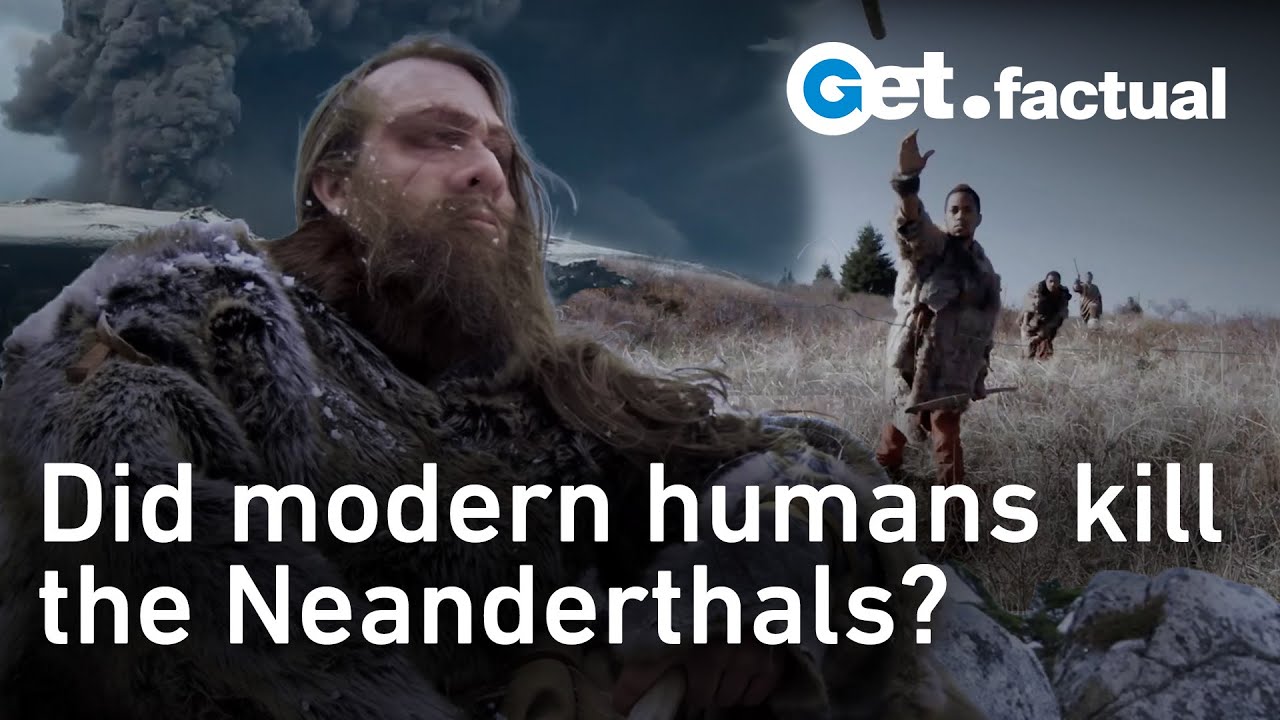
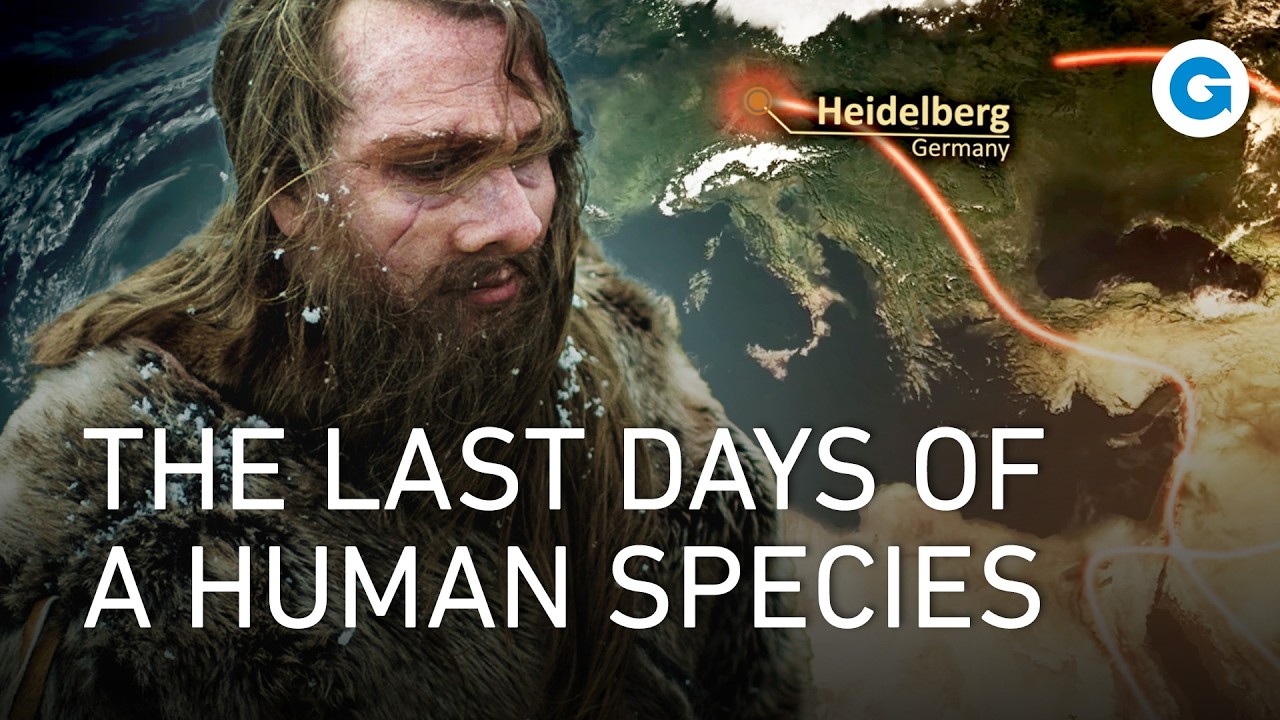


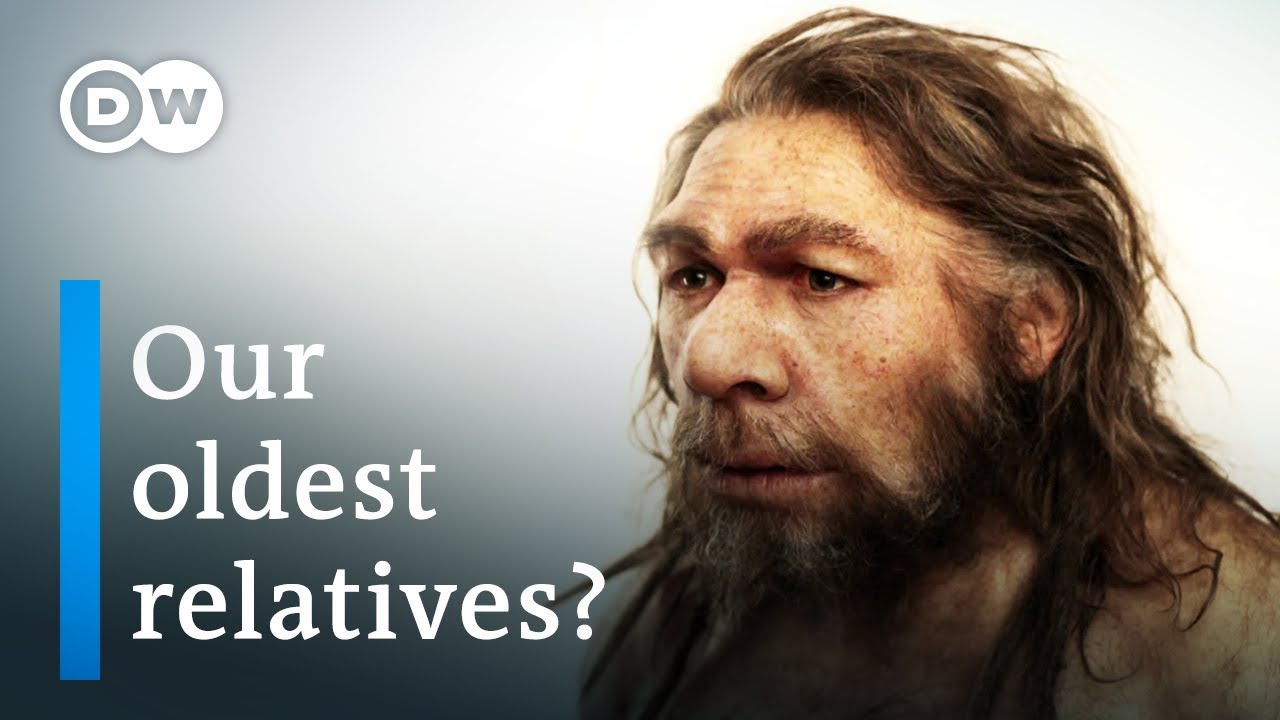


Explore Neanderthal Apocalypse
Browse more like this






Related Films
Is this your film?
If you made this film or hold the rights to it, we'd like to talk. We can license it and pay you a share of what it earns.
Comments