From over 100,000 films, discover the handful you'll love.
Free or premium access to the world's largest documentary library.
18 films
Homo erectus migrated from Africa approximately 1.9 million years ago, marking a significant moment in human evolution and expansion.
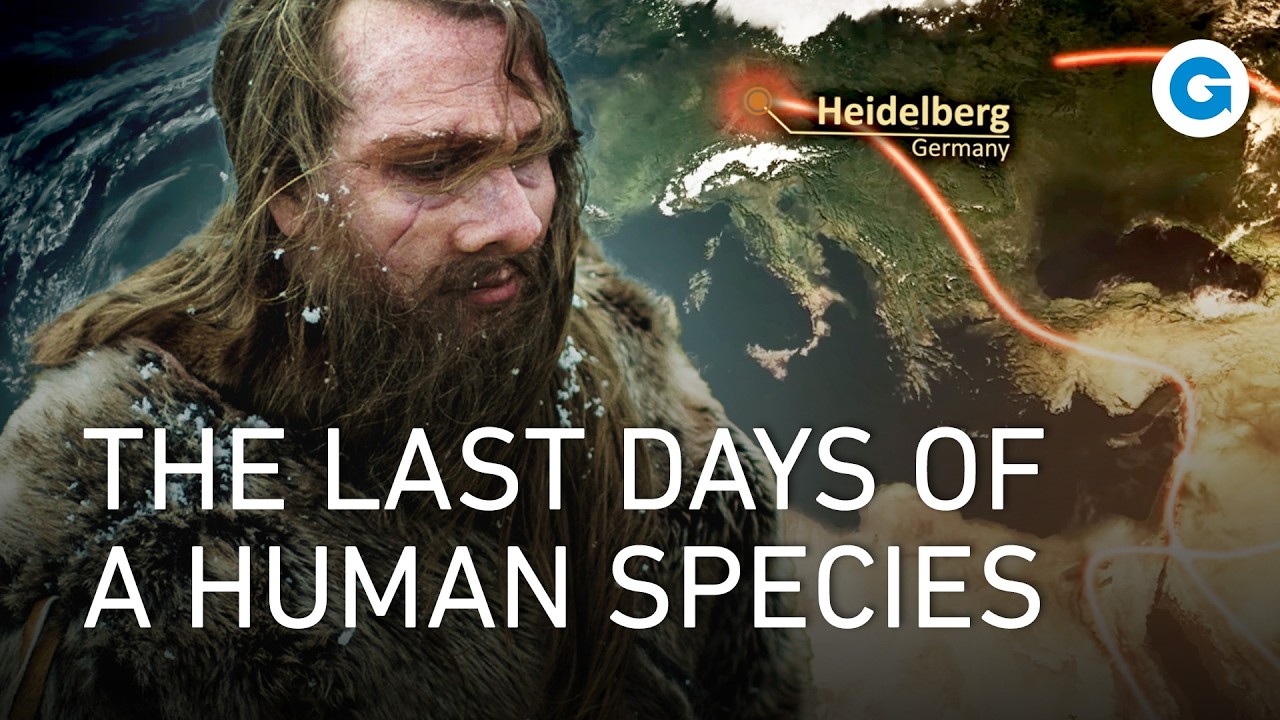
Neanderthals survived for 300,000 years in Ice Age Europe before disappearing nearly 30,000 years ago, leaving behind a genetic legacy in modern humans.
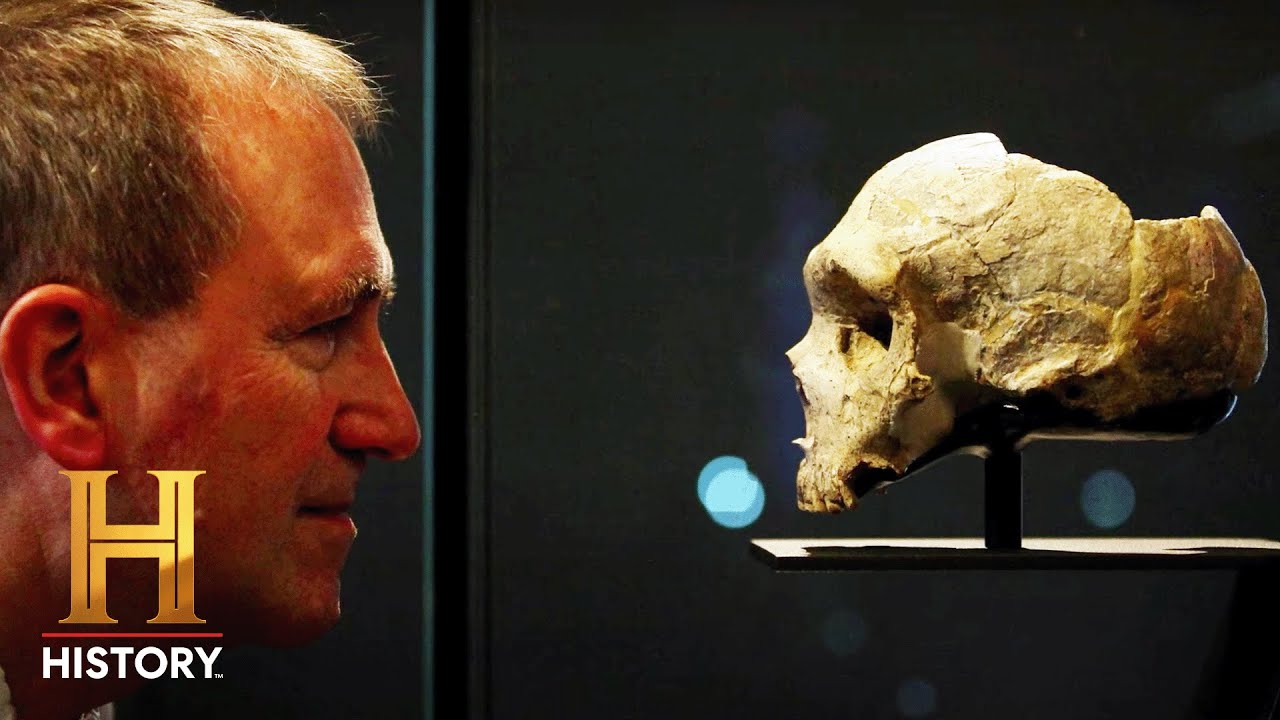
Neanderthals survived for about 300,000 years in harsh ice age conditions, adapting their physical traits to endure extreme cold and low sea levels.
Neanderthals reigned for 300,000 years, dominating ice age Europe with advanced tools and hunting skills before their sudden extinction.
24,000 years ago, Neanderthals thrived in Gibraltar, a stronghold where they lived and hunted before their eventual extinction.
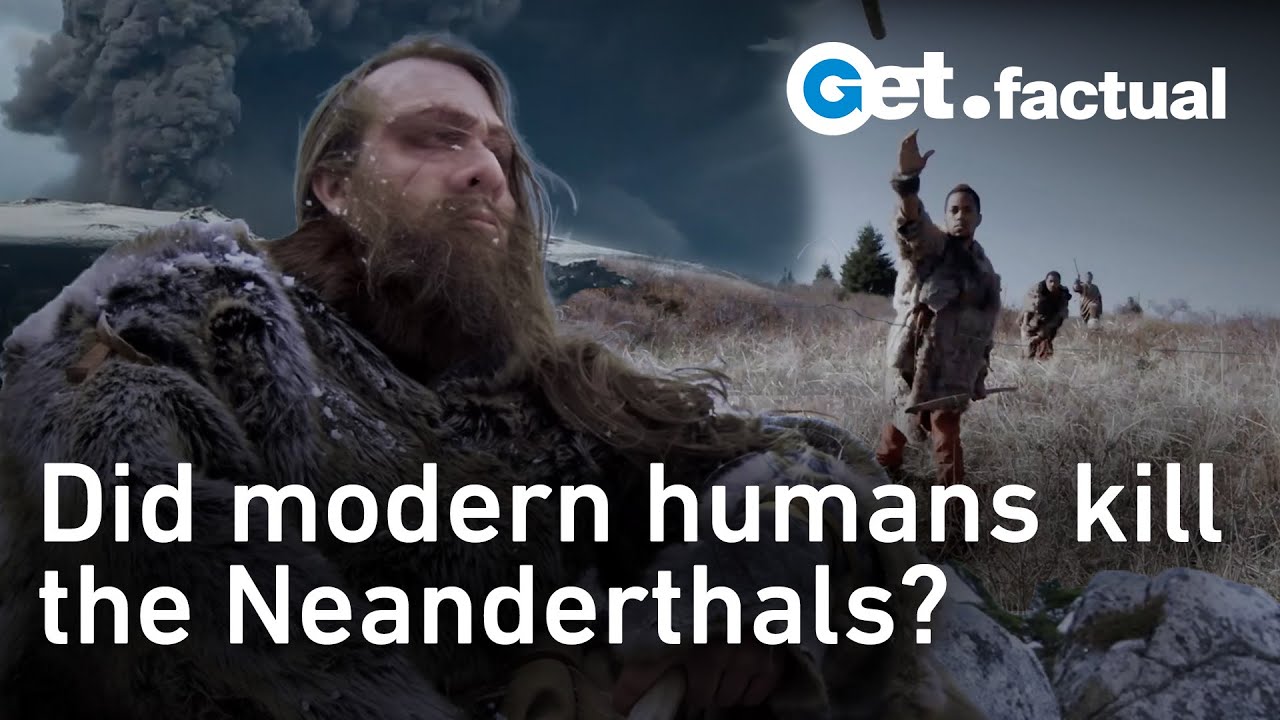
Neanderthals reigned for 300,000 years before their extinction, possibly linked to a super volcano's catastrophic eruption.
A railgun can fire projectiles at nearly four times the speed of sound, reaching targets 185 kilometers away.
Neanderthals disappeared from Earth nearly 30,000 years ago, leaving behind a genetic legacy that may still exist within modern humans today.
Neanderthals were physically superior but became extinct, revealing their complex relationship with modern humans.
Neanderthals lived for 300,000 years, but they vanished from the Earth around 24,000 years ago, leaving behind clues in caves along the Mediterranean coast.
24,000 years ago, Neanderthals thrived in Gibraltar, a stronghold where their population persisted longer than anywhere else in Europe.
Neanderthals used thrusting spears, which caused significant internal damage, but they eventually faced starvation and extinction due to changing conditions.
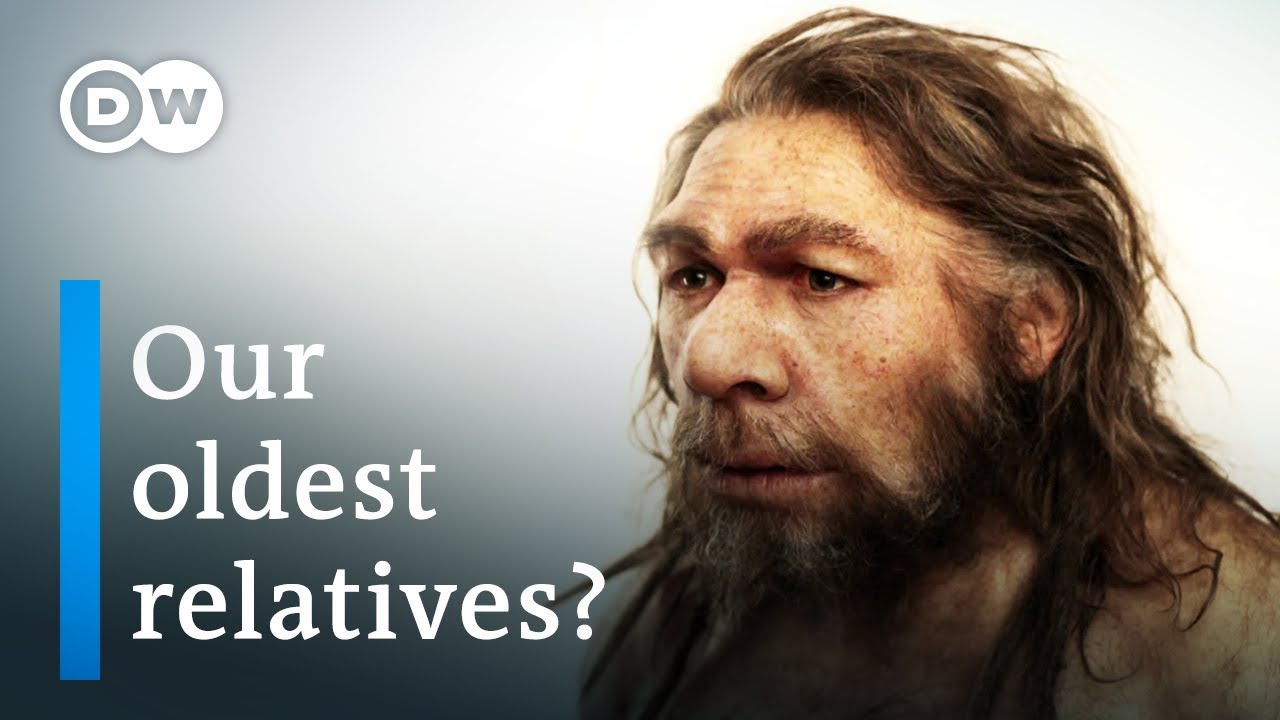
Neanderthals, our closest extinct human relatives, vanished around 40,000 years ago.
Archaeologists analyze artifacts and microscopic evidence to reconstruct the lives and interactions of Neanderthals and modern humans.
George Saunders published his first book at age 37 after years of balancing various jobs and family responsibilities.
23andMe reveals a significant connection between modern humans and Neanderthals, challenging previous understandings of human evolution through insights from scientists and historians.
Shanidar IV, a Neandertal burial site in Iraq, provides insights into the social and cultural practices of early humans regarding death and community.
A chamber in the Dikteon cave, identified as the birthplace of Zeus, contained an altar with offerings of honey and goat milk dating back 4,000 years.