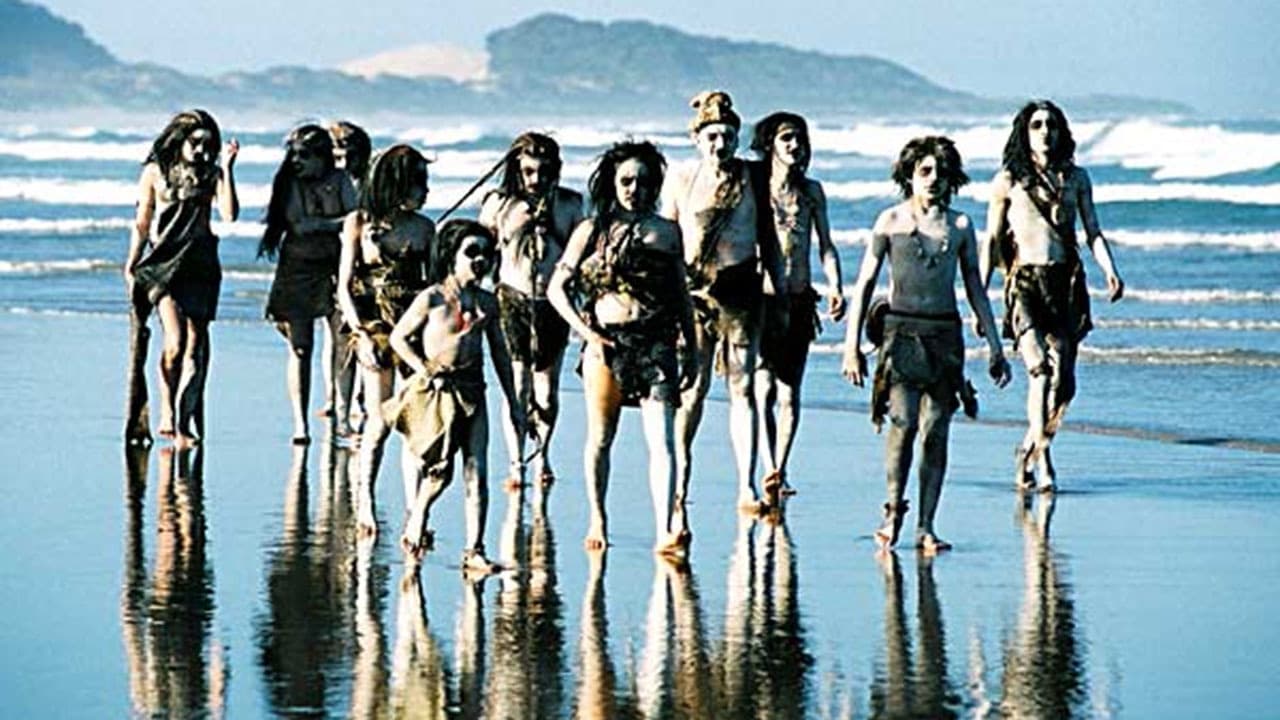
400,000 years of human evolution are examined, focusing on the development of language, art, and agriculture from 400,000 to 20,000 BC.
Synopsis
400,000 years of human evolution are examined, focusing on the development of language, art, and agriculture from 400,000 to 20,000 BC.
People



Synopsis
In the vast landscapes of prehistoric Europe, Homo Erectus and Neanderthals coexisted with early Homo sapiens from 400,000 to 20,000 BC. The documentary details key developments in human history, such as the emergence of language and the creation of art. It also covers the establishment of cults and the beginnings of agriculture and animal breeding. These milestones illustrate how early humans adapted to their environments, laying the groundwork for future societies. Directed by Chip Proser, the film runs for 88 minutes.
Deep Dive
Why Watch
- See the evolution of Homo Erectus and Neanderthals.
- Find out how early humans created art.
- Meet the origins of agriculture and animal breeding.
Did You Know
- Homo sapiens traces evolution from 400,000 to 20,000 BC.
- The film discusses the emergence of language among early humans.
- It covers the establishment of cults during prehistoric times.
- Agriculture and animal breeding began as early as 20,000 BC.
Perfect For
Frequently Asked Questions
What time period does Homo sapiens cover?
Homo sapiens traces the evolution of the species from 400,000 to 20,000 BC.
What significant milestones in human development are mentioned?
Significant milestones include the emergence of language, the creation of art, the establishment of cults, and the advent of agriculture and animal breeding.
Who directed the documentary Homo sapiens?
The documentary was directed by Chip Proser.
What are people saying?
Play More Like This





Where else to watch







Related Films
Is this your film?
If you made this film or hold the rights to it, we'd like to talk. We can license it and pay you a share of what it earns.
Comments