
Three grain crops-wheat, rye, and corn-have shaped distinct cultures across Europe, Asia, and the Americas for centuries.
Synopsis
Three grain crops-wheat, rye, and corn-have shaped distinct cultures across Europe, Asia, and the Americas for centuries.
Synopsis
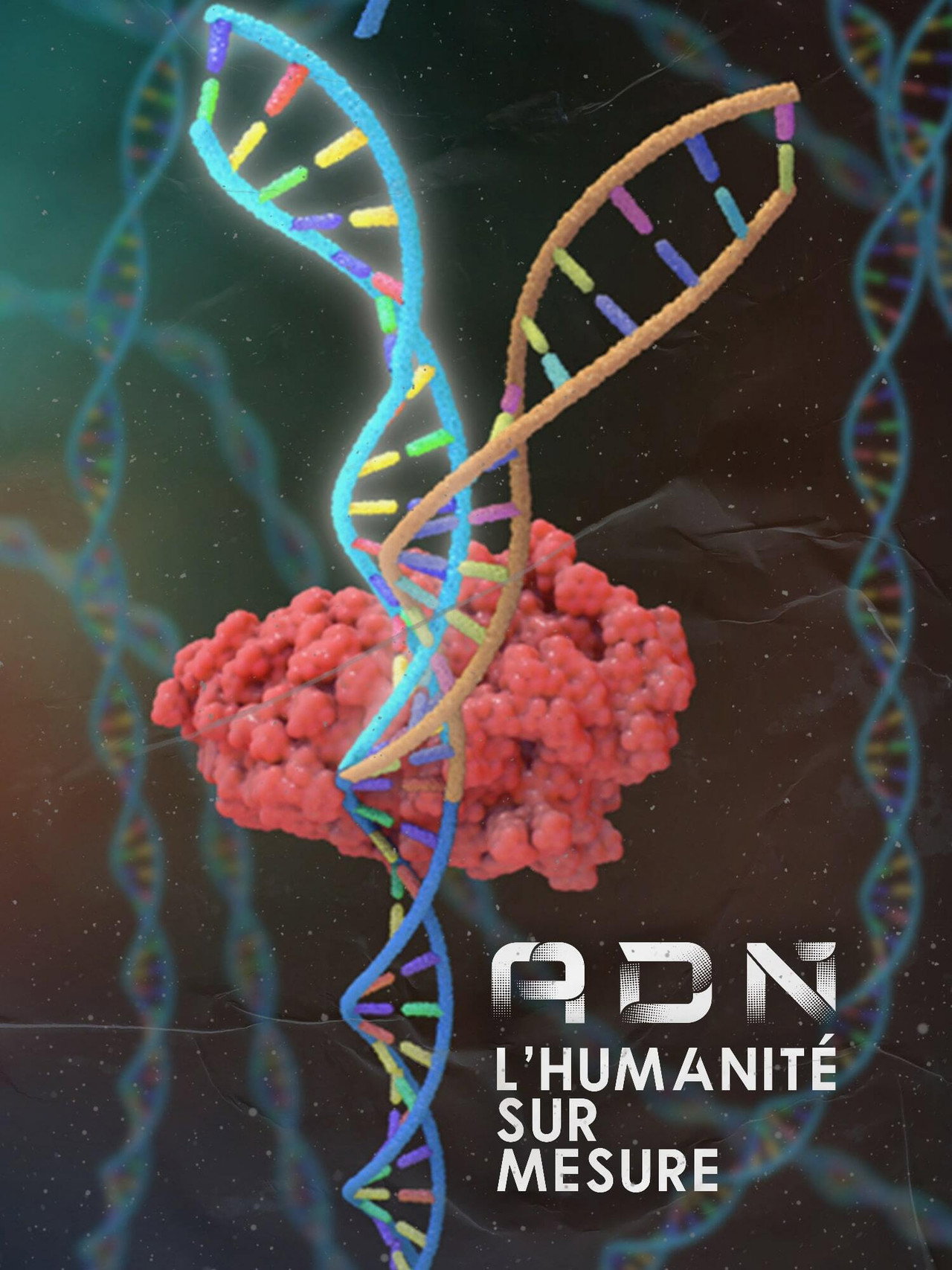
In fields across Central Europe, Asia, and the Americas, wheat, rye, rice, and corn have shaped cultures for centuries. Genetic engineers today aim to create the bread of the future, envisioning three-dimensional food printers in kitchens. These printers could produce buns, loaves, and pastries. Scientists assert that while some ingredients may be chemical, others will still need to be grown. Researchers debate the role of genetic engineering, with some warning it could be a Pandora's box, while others advocate for its necessity.
Deep Dive
Why Watch
- Find out how grain crops shaped cultures worldwide.
- See the future of food with 3D printing technology.
- Meet scientists debating the ethics of genetic engineering.
Did You Know
- Rye has significantly shaped Slavic culture over centuries.
- Wheat has influenced inhabitants across Central Europe and Asia.
- Corn has formed the populations from Mexico to Nicaragua.
Perfect For
Frequently Asked Questions
What types of grain crops have influenced different cultures?
Wheat influenced Central Europe and parts of Asia, rye formed the Slavic culture, corn shaped the inhabitants from Mexico to Nicaragua, and rice affected Japan, India, and China.
What is the future of food printing technology according to the documentary?
Future kitchens may have three-dimensional food printers capable of creating buns, loaves, or confectionery, with some components being chemical and others grown on earth.
What concerns do researchers have about genetic engineering in food production?
Some researchers believe genetic engineering could be a 'Pandora's box', while others argue it is essential for future food production.
What are people saying?
Play More Like This












Related Films
Is this your film?
If you made this film or hold the rights to it, we'd like to talk. We can license it and pay you a share of what it earns.
Comments