From over 100,000 films, discover the handful you'll love.
Free or premium access to the world's largest documentary library.
2154 films(Page 5 of 45)
22 pilots from a single squadron lost their lives during a key battle, marking a significant moment in the history of naval aviation.
In 1942, the U.S. enters WWII as the Nazi blitzkrieg devastates Europe and victories emerge.
Adolf Hitler declared that Germany would either be a world power or would not be at all, a risk he was ultimately unprepared to take.
Three million inhabitants welcomed the annexation of Austria into the German Reich, as Hitler's aggressive territorial claims escalated tensions in Europe.
A 30-ton tank is built from scratch in five months to commemorate the 100th anniversary of its battlefield success during World War I.
The Luftwaffe bombs Britain while Rommel leads the German Afrika Korps in North Africa.
One hundred seventy years of freedom is framed as the basis for America's fight against totalitarian regimes during World War II.
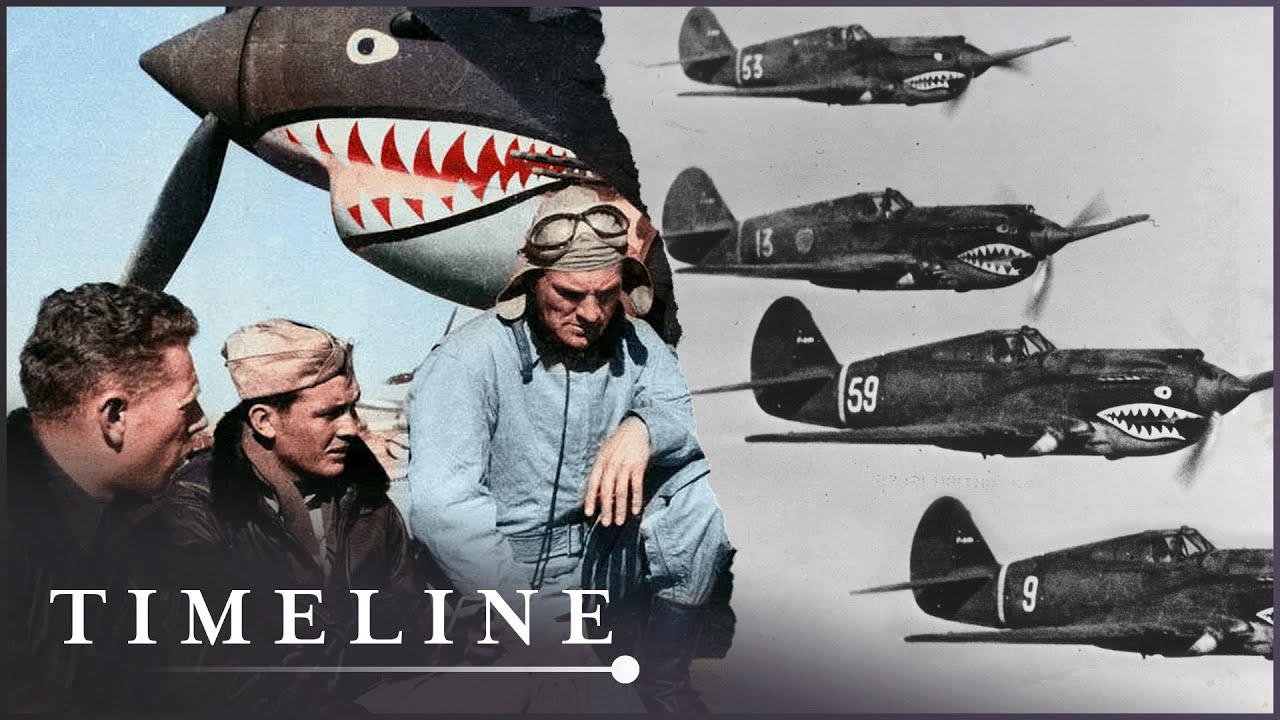
The Flying Tigers defend China during the Second World War and influence Japan's Pearl Harbor attack.
In 1942, 14 French pilots flew to the Soviet Union to join the fight against Nazi Germany, ultimately achieving 273 aerial victories.
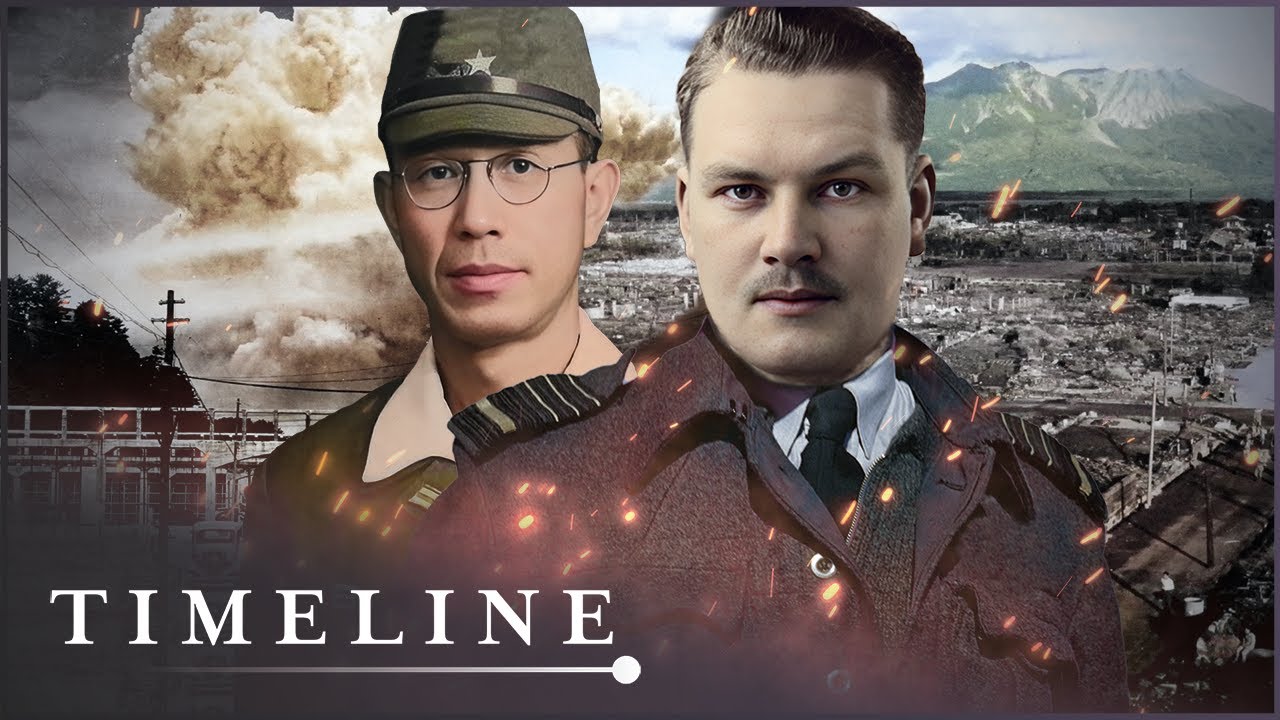
An Irish doctor who survived the atomic bombing of Nagasaki receives a Samurai sword for saving lives, prompting his family to explore its origins decades later.
A fleet of 75 white buses rescued nearly 20,000 concentration camp prisoners from Nazi Germany in 1945, including Ruth Toronczyk, who spent 18 months in Theresienstadt.
Over 15 million people died as a result of Adolf Hitler's decisions during World War II, which led to catastrophic military failures and widespread destruction.
10,000 enemy vehicles were destroyed or damaged during U.S. 12th Air Force bombing missions over Italy in 1944.
Hermann Göring's life is examined, detailing his rise as a decorated World War I ace and key Nazi leader, culminating in his trial as a war criminal at Nuremberg.
A team of British Commandos infiltrated German-held Libya to capture General Erwin Rommel, but their mission faced unexpected challenges and chaos.
48,000 buildings in Berlin were destroyed during World War II, leaving residents to navigate the challenges of rebuilding their lives in July 1945.
Churchill, Roosevelt, and Stalin navigate power dynamics during World War II.
2.4 million German soldiers advance into Western Europe in May 1940, employing new tactics that lead to rapid victories against the Allies.
Three times in the last half-century, American troops have fought in distant lands to protect freedom, with Vietnam being the latest conflict.
Light machine guns, from the WWII-era MG42 to the modern M249 SAW, are examined for their impact on military tactics and capabilities through expert insights and live demonstrations.
This episode recounts Operation Gothic Serpent and the Black Hawk Down battle in Mogadishu.
The RAF's flying boats play a vital maritime role during the Second World War.
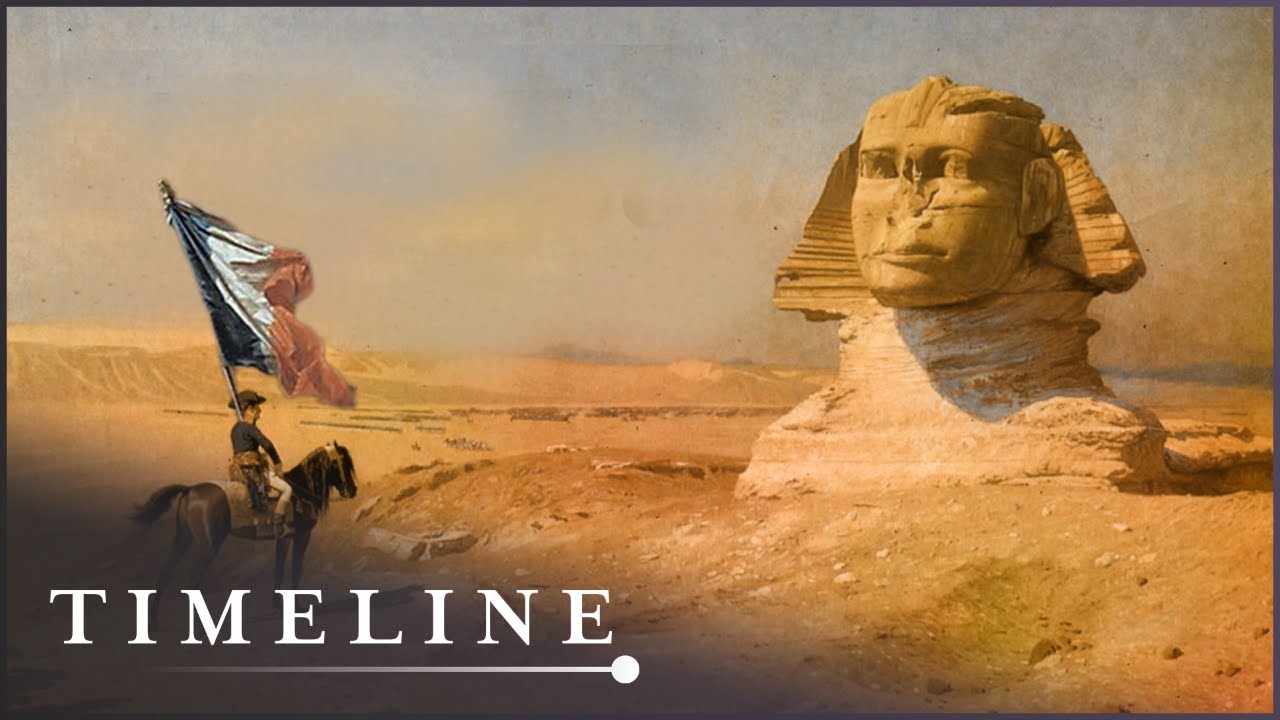
Napoleon Bonaparte leads a vast French armada from Toulon to Egypt in 1798.
As many as 800 young Canadian women worked in New York City for British security coordination during World War II, contributing to intelligence efforts.
Watch some of the biggest battles in Vietnam featured in Dogfights on the HISTORY® Channel.
Dinko Sakic, commandant of a notorious death camp during World War II, faces trial in Croatia for crimes committed over 50 years ago.
Alexander the Great's conquests from Macedonia to India are examined, highlighting his complex legacy as a hero, prophet, and myth across various cultures.
German aggression from 1934 to 1940 is illustrated through animated maps, Nazi rallies, and key events such as the Munich Conference and the Polish campaign.
Viking warriors, known for their craftsmanship and strategic prowess, are examined through new discoveries that challenge traditional views of their history and lifestyle.
Hitler's inner circle, including Goering, Goebbels, Himmler, and Bormann, exemplified the dysfunction and selfishness that contributed to Nazi Germany's downfall during World War II.
Psychological operations, or PSYOPs, use techniques to influence the behavior and emotions of target audiences, including enemy combatants and civilians.
Private Thomas Anderson White volunteered to row one of the boats ashore during the Gallipoli landing on April 25, 1915, marking a significant moment in Australian history.
The scuttling of the German high seas fleet in Scapa Flow in 1919 involved over 100 ships and took 17 years to fully salvage.
Tactics employed by the US in the Korean War included the strategic deployment of paratroopers behind enemy lines to disrupt communist forces.
The English Civil War pits father against son and leads to King Charles I's execution and turmoil in Ireland.
In August 1944, Hitler ordered the destruction of Paris by blowing up bridges and monuments as the city faced liberation from Nazi occupation.
Themistocles leads the Athenian fleet to victory at the Battle of Salamis in 480 BC, denying Xerxes a decisive win at sea.
In June 1944, Hitler went to bed at 4:00 am and refused to be woken, missing the critical Normandy landings that would lead to the fall of the Reich.
World War II's industrial production, particularly the role of the USS Enterprise and the impact of the Pearl Harbor attack, was crucial in securing Allied victory over the Axis powers.
Operation Jaywick, executed by six commandos from the Australian Z Special Unit in 1943, is reexamined through a modern attempt to replicate their daring mission against Japan.
A total of 136,000 people perished during the German occupation of Lviv, where the Nazis attempted to conceal their mass murders.
Tora Bora's network of caves, where Osama bin Laden was believed to have hidden post-September 11th, is documented through extensive footage of the area and military activity.
The Vietnam War features American forces fighting the Viet Cong while seeking local support.
Peter Greste investigates the legacy of General John Monash, a key figure in the Great War.
Thirty acres of buildings were destroyed in Manchester during the Luftwaffe's bombing raids, leaving a lasting impact on local communities.
A young cameraman risks his life to interview Fidel Castro in Cuba, marking the start of a career that spans over 50 years of conflict reporting.
In ten years, military units will conduct warfare in virtual and cognitive domains, relying on hyper connectivity and cyber capabilities.
Carthage was completely destroyed in 146 BC, leaving no trace of its once proud civilization on the political map of the world.