From over 100,000 films, discover the handful you'll love.
Free or premium access to the world's largest documentary library.
2154 films(Page 3 of 45)
The Allies return to Europe, landing in Sicily and advancing into Italy under Montgomery's command.
The Anglo-Irish War and subsequent Civil War are examined through the lens of Professor Eunan O'Halpin, highlighting the human cost of Ireland's independence.
3,000 soldiers were shipped to the 84th Infantry Division in April 1944 before engaging in critical battles along the Siegfried Line during World War II.
Hitler's obsession with the Spear of Destiny, the actions of Hermann Göring in rescuing Jews during the Holocaust, and government experiments on citizens are examined.
US forces faced significant challenges patrolling Vietnam's rivers during the war, as these waterways were crucial for Viet Cong supply routes.
Ten thousand Confederate cavalry troops paraded in a grand review just days before the largest cavalry battle in American history on June 9, 1863.
A war that began over 40 years ago remains officially unacknowledged, pitting Iran against the United States and Israel in a complex conflict.
Total war transformed economies and societies, as the Second World War saw massive armies confronting entire populations and leading to widespread devastation.
Tecumseh's war against America escalates with Andrew Jackson and Davy Crockett joining the fight.
Patton invades Lorraine, aiming to reach Germany before Christmas despite supply shortages.
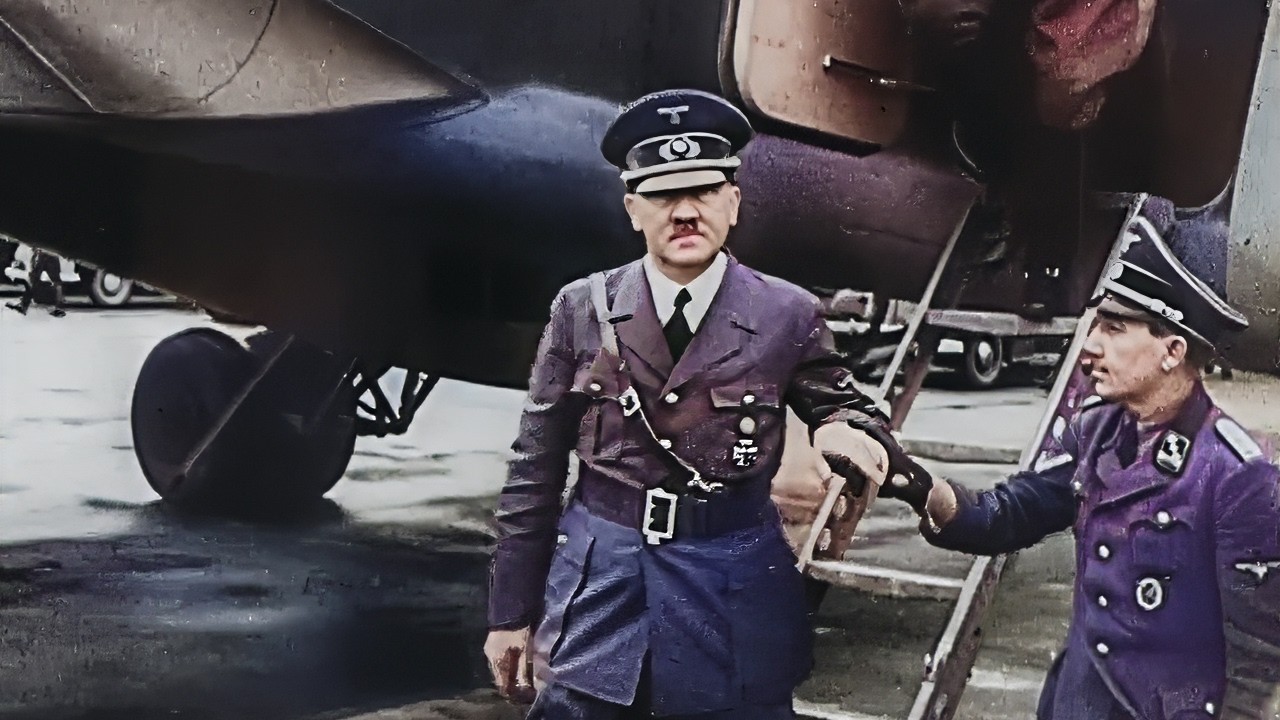
Adolf Hitler, born in 1889, rises to power after developing anti-Semitic views in Vienna.
150 English troops defended Rorke's Drift against 4,000 Zulu warriors on January 22, 1879, during a critical moment in the Anglo-Zulu War.
Charlemagne had thousands of Saxon rebels beheaded as he sought to crush the resistance led by Widukind during the 8th Century conflicts.
The Germans develop Blitzkrieg, enabling the Nazis to conquer Poland and France swiftly.
The Nazis' Lebensborn program breeds children for the Master Race during World War II.
Over 12,000 B-17 bombers were built during World War II, with only one flying example remaining in Europe, known as Sally B.
On November 11, 1942, the Soviet Red Army launched Operation Uranus, a counteroffensive that encircled and defeated the German Sixth Army at Stalingrad.
Samuel Colt and partners Edwin Smith and Daniel Wesson ignite the first arms race for revolvers.
The US military expanded from 1,000 ships to 5,500 in just a few years following the attack on Pearl Harbor.
In May 1940, Hitler gambled that a rapid victory in the West would end the war quickly, but his plans faced unexpected challenges from Allied forces.
More than 300,000 Soviet soldiers died during the battle for Berlin, which marked the end of the Third Reich in May 1945.
On September 27, 1940, Japan signed the tripartite pact with Germany and Italy, marking a significant escalation in the global conflict of World War II.
By the end of July 1945, B-29 bombers had conducted missions that nearly obliterated Japan's ability to wage war, paving the way for the atomic bomb.
200 years of conflict marked the Crusades, during which the Knights Templar rose to power and faced accusations that led to their dramatic downfall.
The Battle of Hastings in 1066 marks the end of the Viking Age and the rise of King William I.
Hitler's invasion of Poland in 1939 prompted Great Britain and France to declare war, despite his initial uncertainty and the allies' lack of response.
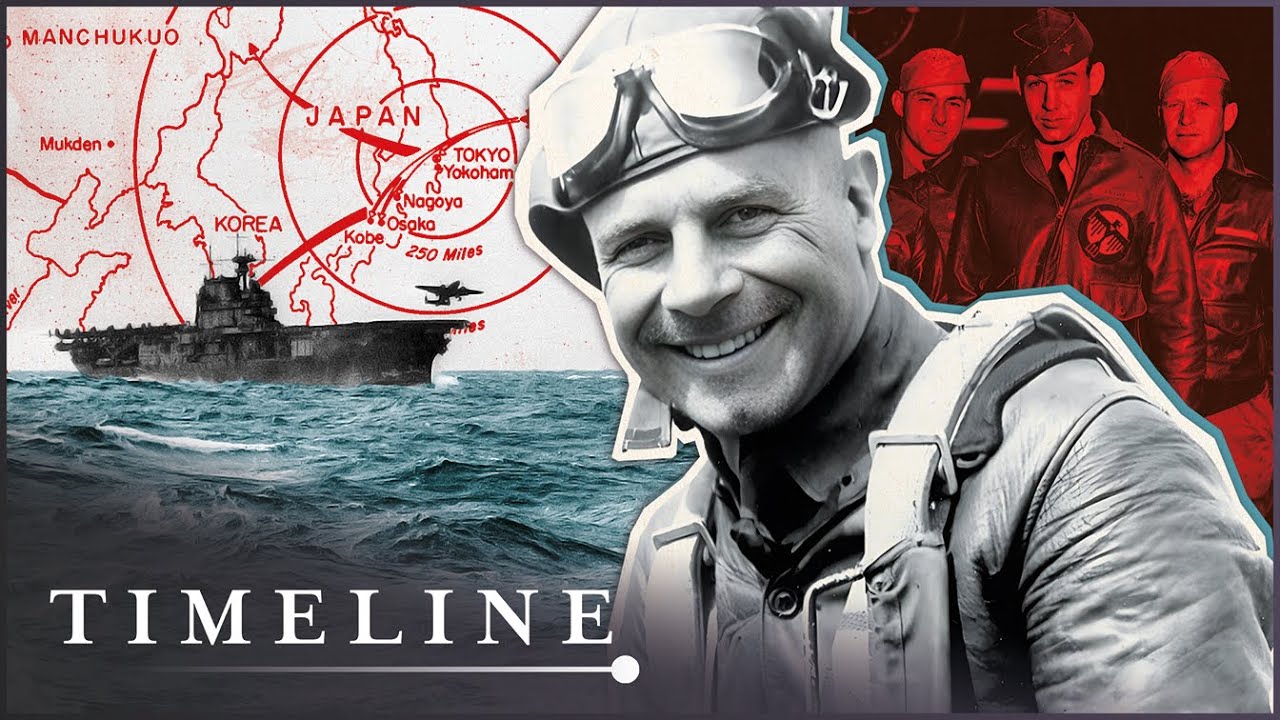
Jimmy Doolittle's true story highlights his American heroism and Congressional Medal of Honor.
On July 20, 1934, Adolf Hitler promoted the SS to a self-contained organization within the NSDAP after using them to eliminate political rivals.
Over a thousand detainees in Abu Salim prison resist Muammar Gaddafi's regime in June 1996, foreshadowing the revolution that erupts in 2011.
7,000 people died during the defense of Malta, a key battleground in the Mediterranean during World War II.
Hitler declared war on the USA following the Japanese attack on Pearl Harbor, escalating the global conflict during World War II.
Allied forces suffered over 12,000 casualties, including 2,000 dead and 3,500 missing, during the invasion of Sicily from July to September 1943.
Blitzkrieg, a revolutionary military strategy employed by Nazi Germany, enabled rapid invasions of Holland and Belgium, significantly altering the course of World War II.
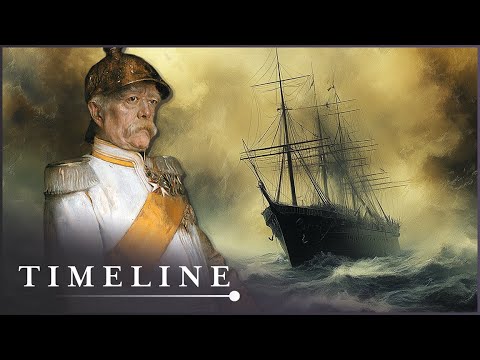
The Bismarck, a formidable German battleship of World War II, is examined through archival footage and interviews with former naval officers, highlighting its legacy in maritime warfare.
The Fritz X bomb, an early precision weapon, had a success rate over 80 times higher than conventional bombs during its combat debut in 1943.
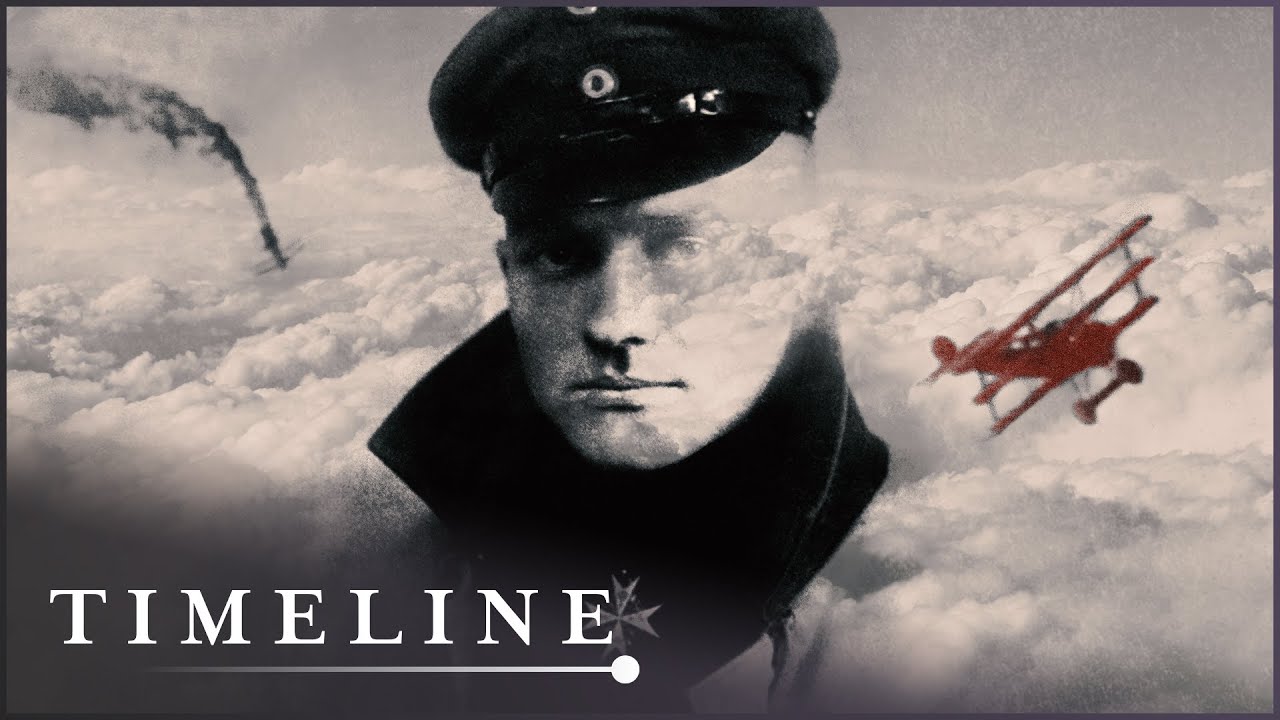
Manfred Von Richthofen, the Red Baron, is credited with 80 victories in World War One.
In June 1940, Henri Chamberlin, a criminal born in 1902, becomes a leader in the Gestapo, overseeing arrests and exploitation during the German occupation of Paris.
The Spanish Inquisition, initiated by Catholic Monarchs Fernando and Isabel, targeted Conversos in a brutal campaign against perceived heresy and treachery.
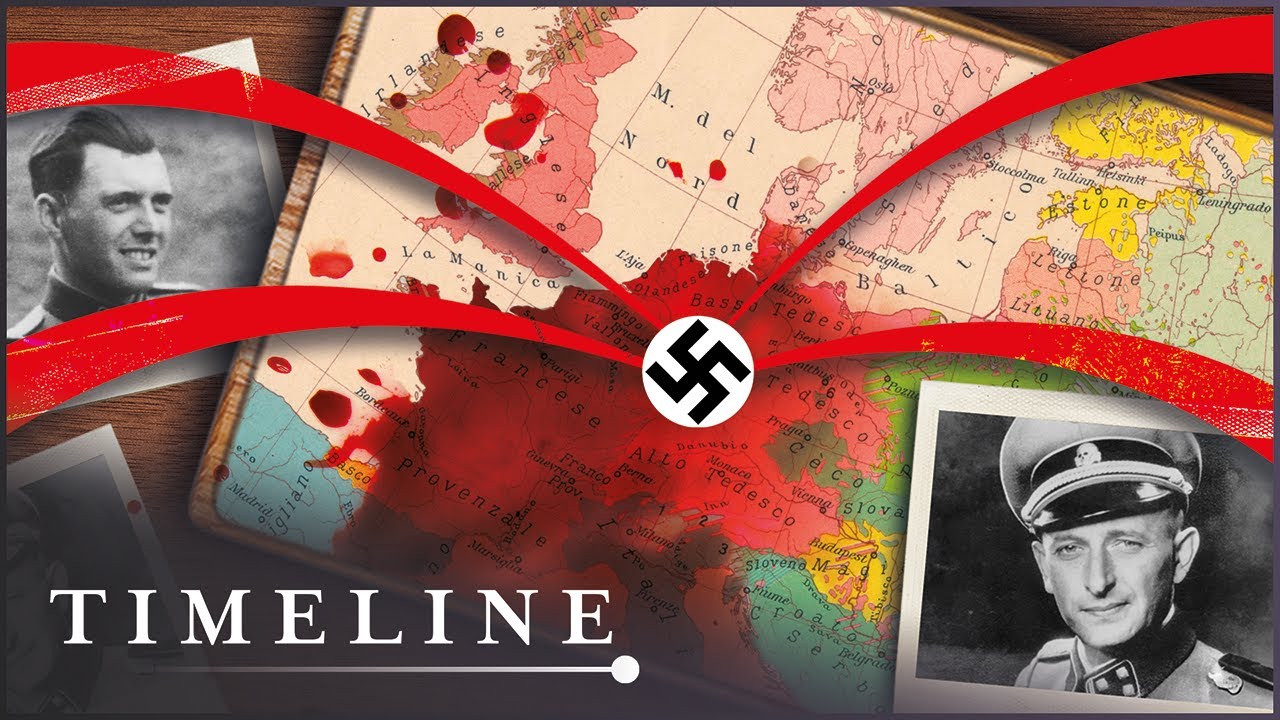
By 1949, British war crimes units had wound up their operations after capturing only a handful of Nazis, leaving thousands still at large.
500,000 soldiers were killed in the battles around Ypres, with many still unaccounted for a century later.
The Flying Tigers defend China during WWII, influencing Japan's Pearl Harbor attack.
Nazi Germany developed a range of unconventional weapons during World War II, including the Krummlauf assault rifle, Elefant tank, and sound gun.
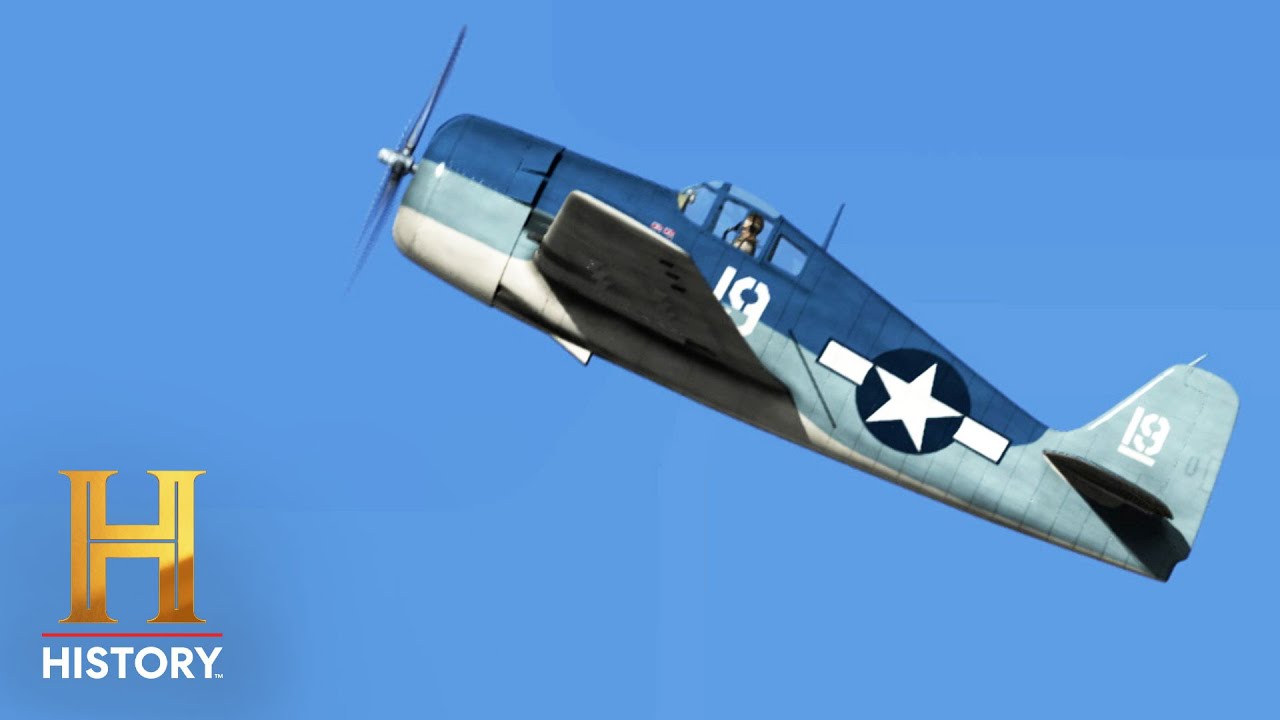
130 Japanese planes are lost in a single day during an intense aerial battle over Truk Atoll, marking a significant moment in World War II.
A 300-foot cliff houses the mountain fortress of Alamut, where the Ismaeli community, led by Hassan-i Sabbah, develops deadly assassination tactics.
Five times more missile warheads existed in the U.S. and Soviet arsenals compared to eight years prior, intensifying fears during the Cold War.
The siege of Leningrad lasted 872 days, resulting in the deaths of over a million men and women as German forces attempted to conquer the city.
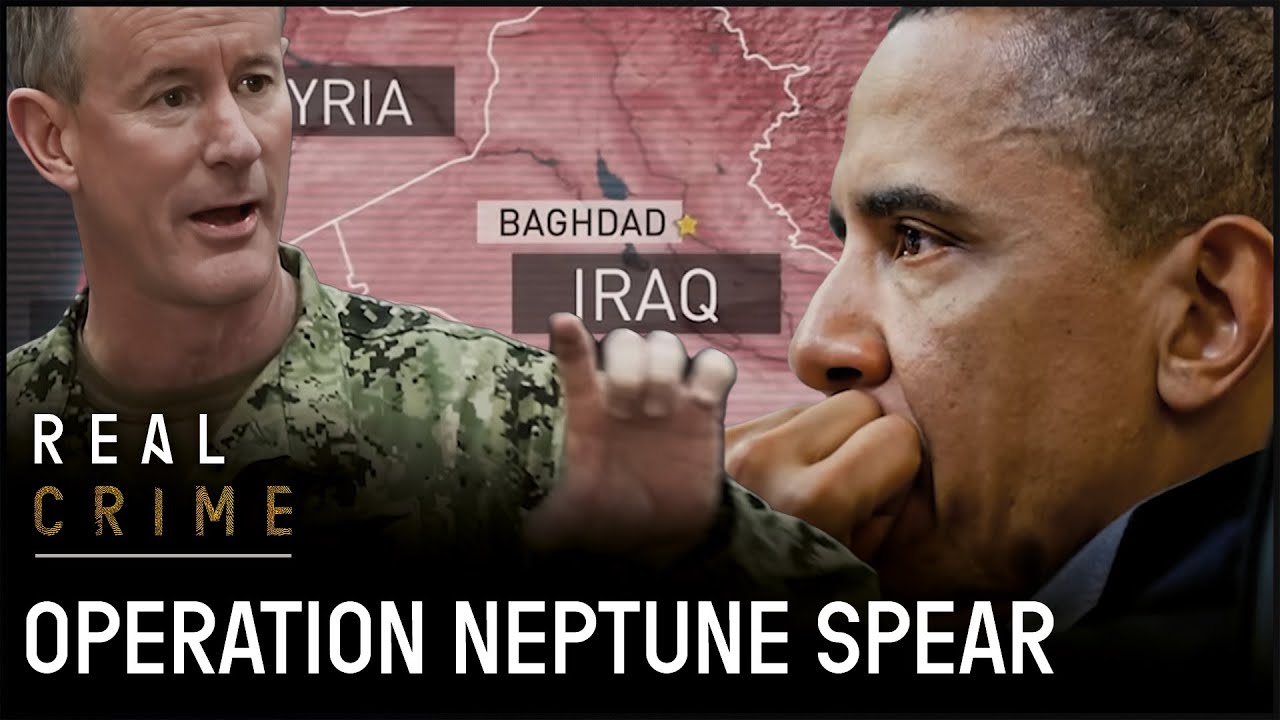
Operation Neptune Spear resulted in the death of Osama Bin Laden on May 2, 2011, during a raid by SEAL Team Six in Abbottabad, Pakistan.
Naval aviation warfare is chronicled over a century, from the first shipboard landing in 1911 to modern supersonic jets and UAVs, featuring expert insights and archival footage.