From over 100,000 films, discover the handful you'll love.
Free or premium access to the world's largest documentary library.
1426 films(Page 6 of 30)
10 billion emails are sent every hour, consuming energy equivalent to the output of 50 nuclear power plants for one hour.
LIGO's measurement of gravitational waves from a black hole merger and the Event Horizon Telescope's image of a black hole represent major advancements in astrophysics.
A 21-day launch window allowed NASA to send the Lucy spacecraft to study Trojan asteroids, which have remained untouched since the Solar System's formation.
The USS Zumwalt, the most advanced destroyer in US Navy history, operates with as few as 130 crew members and features all-electric propulsion.
Hundreds of experiments are conducted each year aboard the International Space Station, contributing to advancements in aerospace and bioengineering.
The Morandi Bridge Collapse in Genoa, the Grenfell Tower Fire in London, and the Eschede Train Disaster in Germany highlight critical engineering failures and their tragic consequences.
Twelve astronauts walked on the moon between 1969 and 1972, facing significant technical challenges and personal sacrifices during the Apollo missions.
National Geographic celebrates its 135th anniversary with a behind-the-scenes look at the technology and people that drive its ocean research and artistic projects.
In a competition between James and Greg, innovative methods for supersonic mail delivery and extreme garbage disposal are explored using unconventional technologies.
Waleed Ahmed, once hailed as Norway's Mark Zuckerberg, becomes an FBI most wanted scammer.
A large-scale explosion test in Sweden simulates a truck bomb's impact on military structures to improve safety for future operations.
Iceland has turned its volcanoes into allies, using geothermal energy to achieve 100% renewable energy for heating and electricity.
The Lamborghini Miura sets the standard for supercars, influencing models like the Ferrari Daytona.
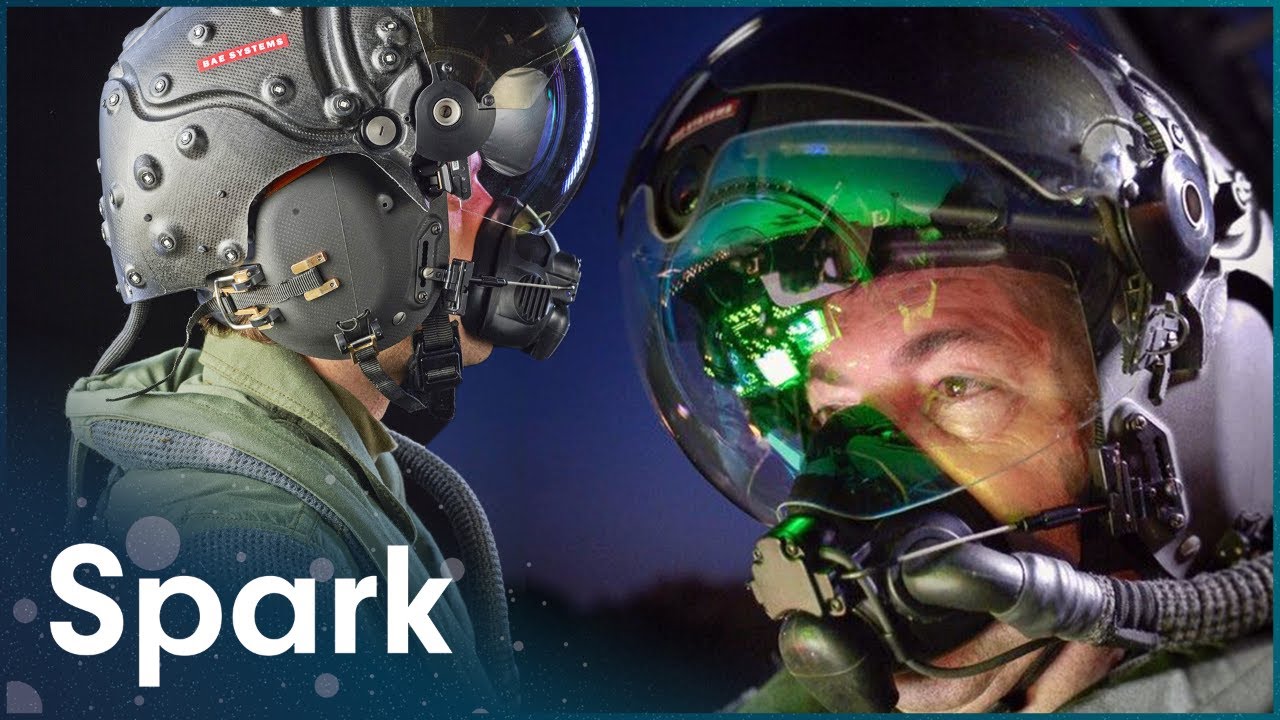
It took over 20 years and tens of millions of pounds to develop the Striker 2 helmet, which integrates advanced technology for military pilots.
More than a million pictures of weather conditions have been sent back by satellites, aiding in accurate storm predictions and daily forecasts.
A Voyager air tanker can refuel a Typhoon jet in about 10 minutes, playing a key role in Britain's air defense for the next 30 years.
Hacker culture, rooted in the 1970s counterculture, has evolved into a significant force in the ongoing battle for online privacy and freedom.
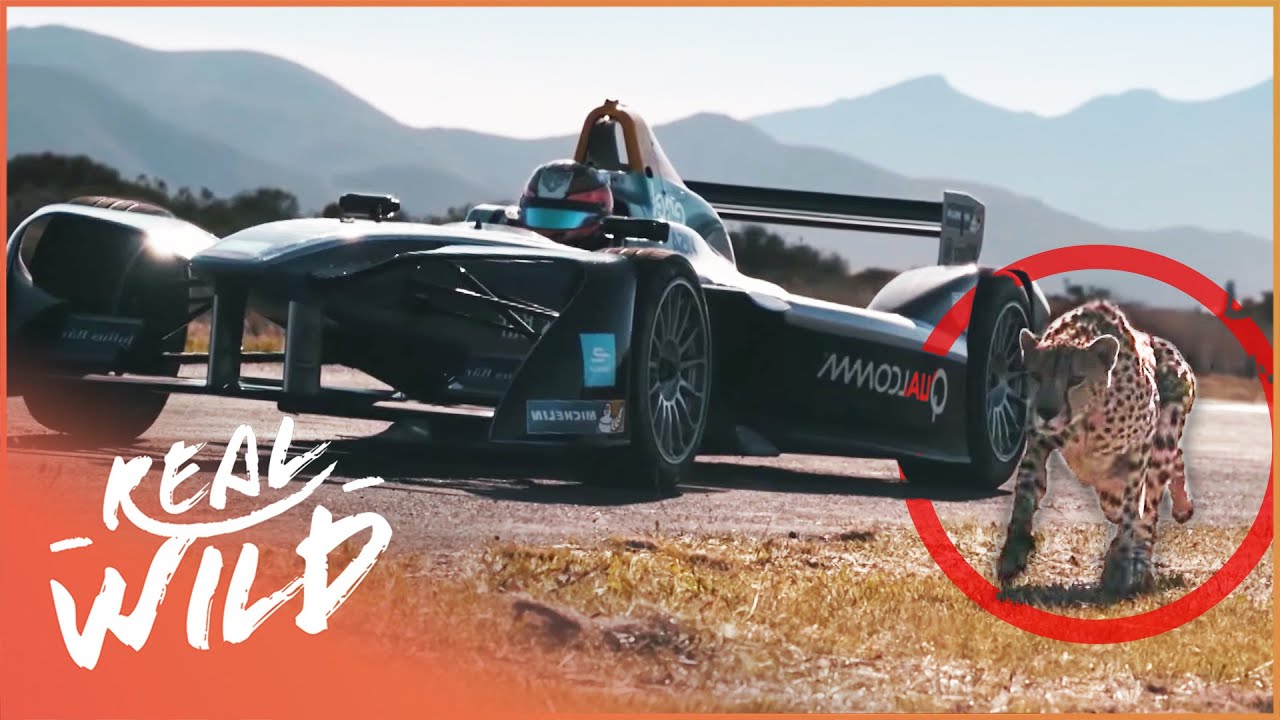
A cheetah races a race car to illustrate how innovative technology can support the conservation of endangered species and improve wildlife survival efforts.
Electric vertical takeoff and landing aircraft aim to change transportation by taking off like helicopters and flying like airplanes, eliminating the need for runways.
The de Havilland DH.106 Comet, introduced in the 1950s, marked the shift from propeller-driven aircraft to jet technology in commercial aviation.
In Munich, Germany, one of Europe's most advanced train factories assembles the Vectron electric locomotive, a 90-ton 'rolling data center' with 36 kilometers of cable.
In Silicon Valley, artist Grayson Perry examines the implications of AI and robotics on humanity, engaging with tech innovators and skeptics alike.
A project to build the first real-time machine has just begun, with scientists aiming to master time itself within this century.
Five meters is the distance David Mayman needed to reach his target barge during a flight attempt with his homemade jetpack over Sydney's harbor.
Extraordinary mega transports around the globe highlight the meticulous planning and teamwork required to execute complex logistical operations safely.
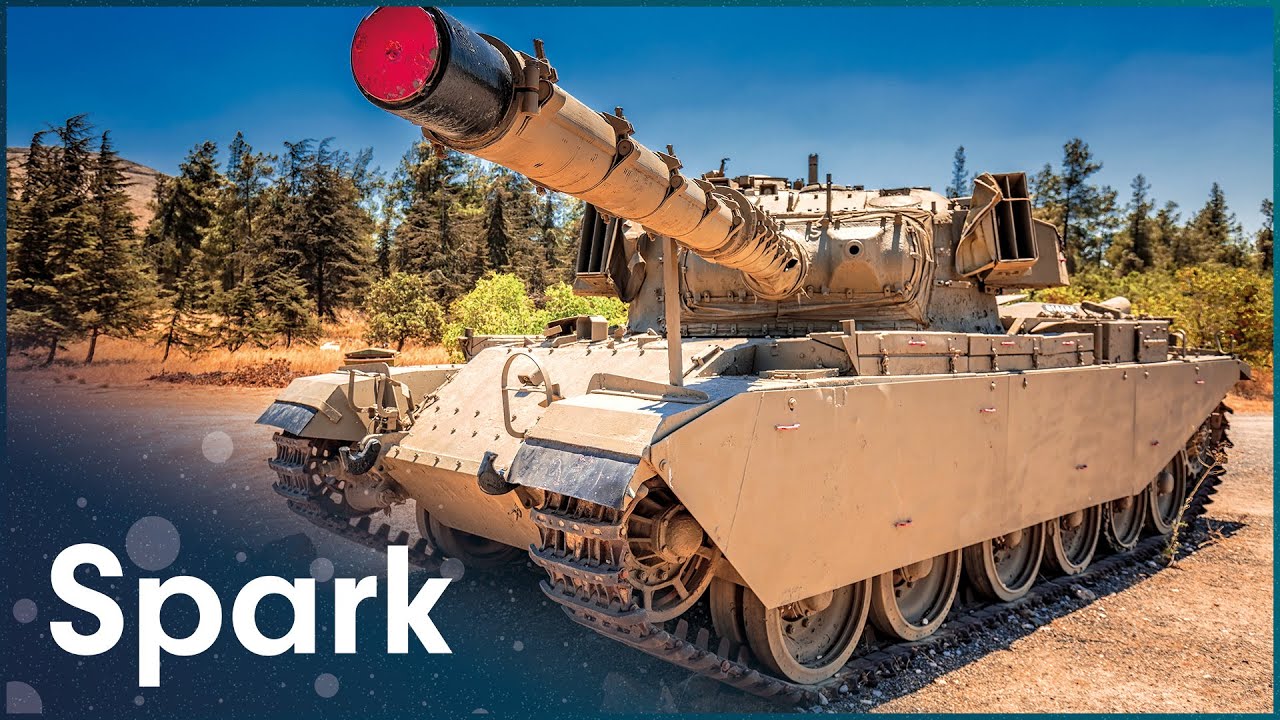
A 400-meter slalom course tests the performance of the leopard tank against a Volvo, illustrating the capabilities of modern military vehicles.
The Space Shuttle Program launched 135 missions from 1981 to 2011, enabling satellite deployments and the construction of the International Space Station.
Heathrow Airport's escalators are constructed using advanced engineering and technology, highlighting the complexities of modern manufacturing processes.
Knaack Krane Hamburg builds cranes that lift up to 750 tons, outdoing themselves in technology.
The Waterbird, the Royal Navy's first seaplane, is restored over 12 years by Gerry Cooper and his team.
Innovative designs in transportation are pushing the limits of physics, showcasing vehicles that redefine speed and power across land, water, and air.
Robotic systems are being developed globally to transform urban living by 2050, featuring innovations like self-driving cars and automated homes.
A comet 5 km wide, traveling over 100,000 km an hour, is on a collision course with Earth, threatening to cause a 100 million megaton explosion.
A maximum operating speed of 320 km/h allows Japan's Shinkansen to redefine intercity rail travel and transport about a billion passengers annually.
The moon plays a crucial role in sustaining life on Earth by influencing tides, day length, and seasonal rhythms, despite its ever-changing distance from our planet.
In a competition to enhance everyday appliances, James and Greg create a turbo toaster and a power-shower that minimizes water usage while maximizing efficiency.
Jim Al-Khalili explains how gravity shapes the universe and affects daily life.
A 122-meter-high railway deck sits on the Garabit Viaduct, the highest iron arch bridge in the world, built in the 19th century.
Seven astronauts, including Christa McAuliffe, died when the space shuttle Challenger broke apart 73 seconds after launch on January 28, 1986.
Every minute, 150 cars are built, reflecting humanity's deep dependence on this invention and its significant impact on modern life.
The documentary details the transport of a giant gold autoclave from Geel, Belgium to Amursk, Eastern Russia.
The evolution of the British monarchy over the past century is examined through the lens of technological advancements, featuring figures like Alan Turing and Yuri Gagarin.
After five days of attempts, engineers faced a white shark that bit their boat while trying to attach cameras off Guadalupe Island.
Jason Silva and Amy Robinson discuss the impact of technology on brain augmentation during a Google+ Hangout hosted by Virginia Hughes for .
269 victims died when a Korean passenger plane was shot down by the Soviet Union due to a GPS positioning error in 1983.
Marissa Mayer reflects on her early career at Google, her passion for technology, and the challenges women face in computer science.
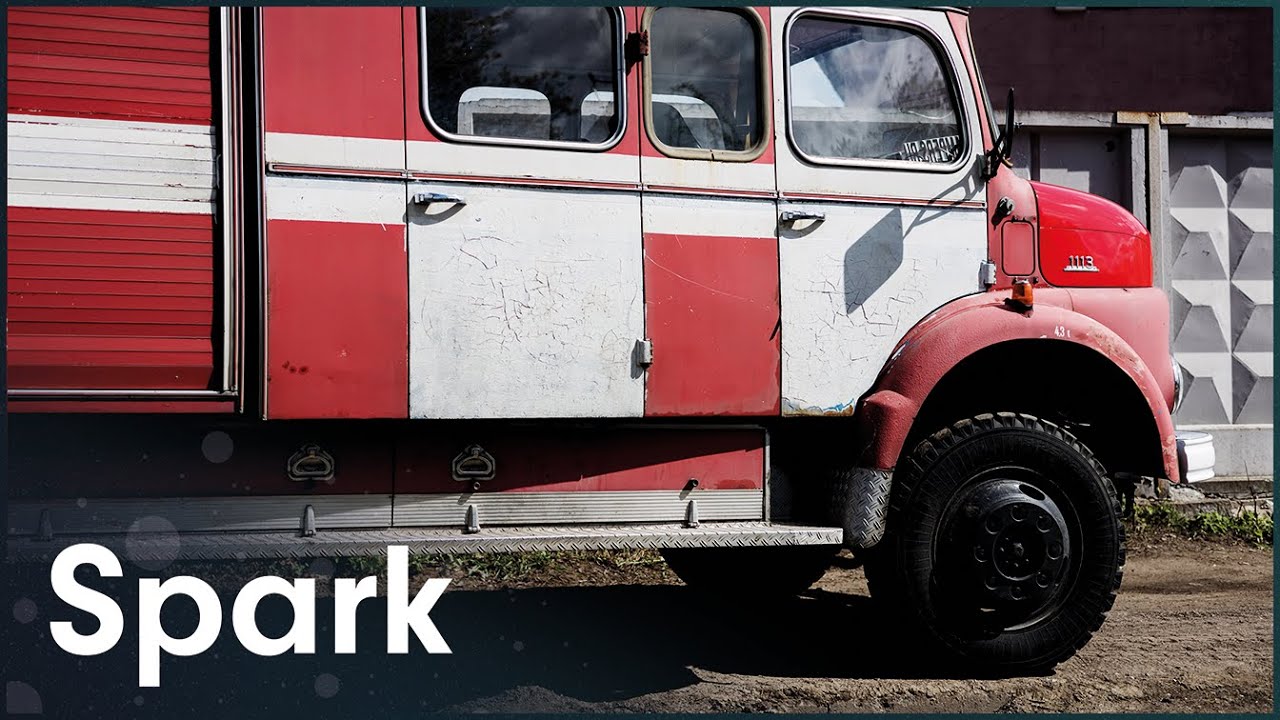
A 30-year-old Mercedes fire truck, with only 27,000 km on the clock, is converted into a luxury long-distance motorhome for off-road adventures.
Artificial intelligence has transformed various sectors, raising critical questions about its societal impact, economic implications, and the need for effective regulation.