From over 100,000 films, discover the handful you'll love.
Free or premium access to the world's largest documentary library.
1426 films(Page 21 of 30)
Quantum teleportation was successfully achieved by Chinese scientists using a satellite, marking a significant advancement in quantum communication technology.
Raghava KK explores the intersection of art and technology, demonstrating how brain waves can alter artistic perception and enhance interactive storytelling.
Mike and Jersey sift through early technology while Robbie revs up a unique car without a manual.
A tactile sensor on a robotic fingertip can measure vibration, temperature, and shape changes, advancing the integration of technology and human capability.
More than 1 million tax returns are processed annually by the Internal Revenue Service using automatic data processing technology.
Space archaeologist Sarah Parcak employs advanced satellite technology to reveal hidden remnants of ancient Roman civilizations, highlighting her initial setbacks and subsequent successes.
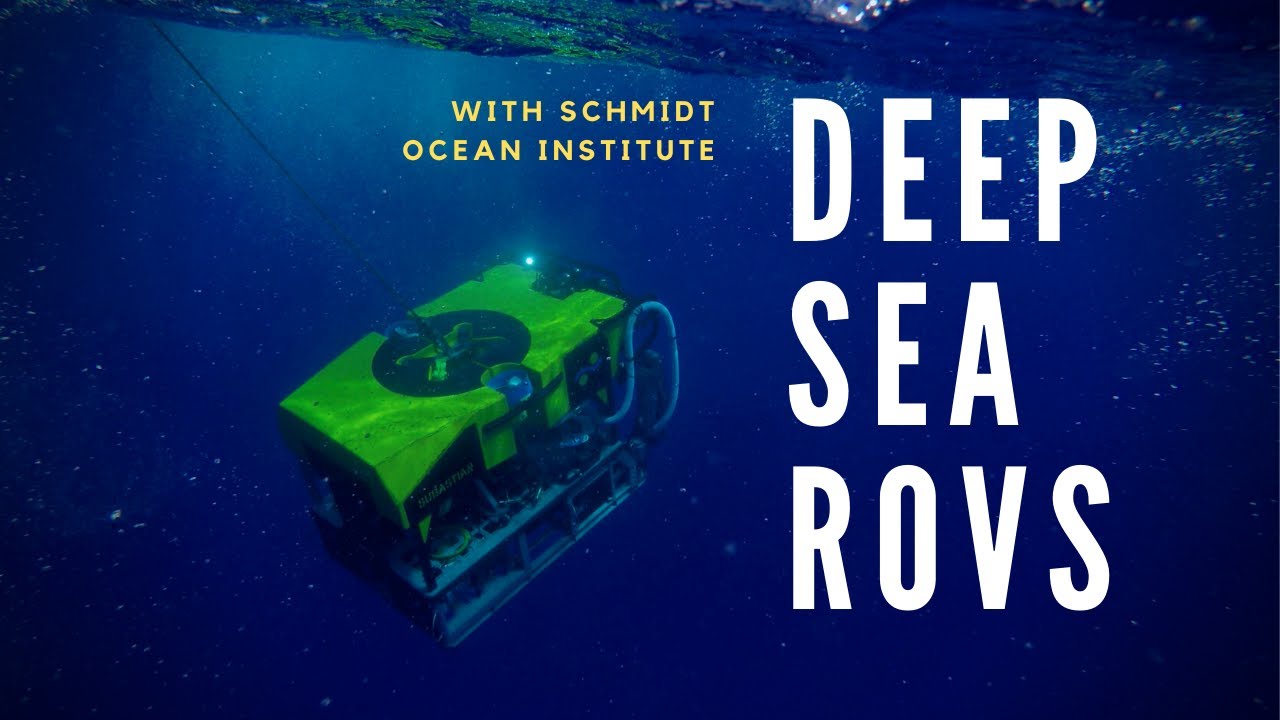
Innovations in remote-operated vehicles and sampling systems by the Schmidt Ocean Institute enhance the study of midwater biodiversity in the deep ocean.
As robots like the NAO at Tufts University become more integrated into society, ethical programming is essential to prevent them from executing harmful commands.
Samsung has introduced a solid-state drive capable of storing 16 terabytes (16,000 GB) of data, marking a significant advancement in storage technology.
Samsung's development of a new graphene battery promises to revolutionize energy storage with faster charging times and increased longevity compared to traditional lithium-ion batteries.
FATI repurposes many computers for families in need, bridging the digital divide effectively.
Researchers at Tufts University have created Xenobots, the first living robots, by assembling living cells from frog embryos into new life-forms.
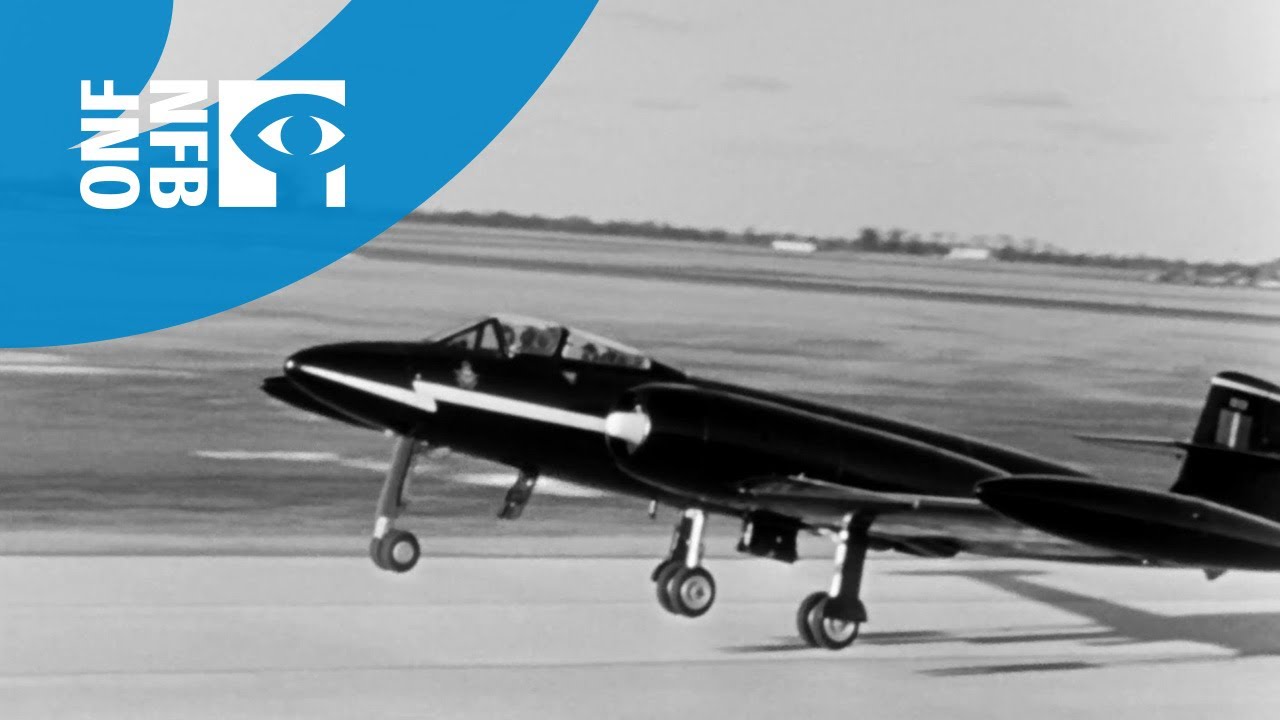
600 employees at a Canadian aircraft factory near Montreal produce the F-86 Sabre, a short-range interceptor for the Royal Canadian Air Force.
NASA's Dawn mission began on September 17, 2007, to study the two largest asteroids, Ceres and Vesta, in the asteroid belt.
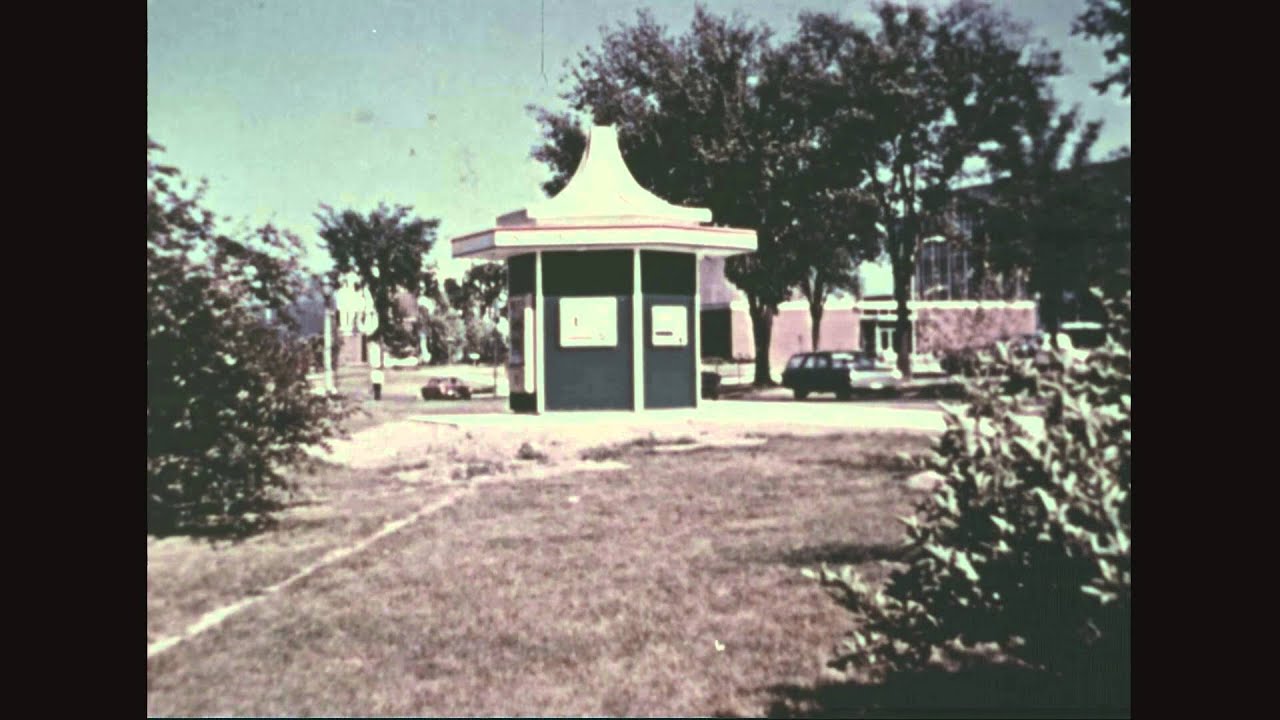
In 1967, the Post Office Department launched an automated Self Service Postal Unit designed for installation in shopping center parking lots and pedestrian areas.
Urban populations are expected to reach 50 to 70% by 2050, prompting innovative urban development solutions showcased in 'Cities of Tomorrow - New cities' by Frédéric Castaignède.
Private money is transforming space exploration through companies like SpaceX and Blue Origin.
SpaceX's Starlink project aims to provide global high-speed internet access through a constellation of low Earth orbit satellites, addressing connectivity challenges worldwide.
Thyssenkrupp is innovating the steel industry with new products and concepts that emphasize environmental sustainability and customer-specific solutions.
At 8:31 PM, the S-730 train, carrying 218 passengers, derails while traveling at 120 miles per hour, resulting in a catastrophic crash in rural Spain.
Tesla's solar tiles represent a significant innovation in renewable energy technology, aiming to integrate solar power seamlessly into residential architecture.
Friend.com, an AI pendant designed as a digital companion, faces criticism and poor reviews, raising questions about the necessity of such technology.
Half of India's billion people are illiterate, yet the country is home to a booming tech sector led by young entrepreneurs in cities like Bangalore.
1,600 feet is the length of the world's longest full-width Hyperloop tube, built in January 2017 to test high-speed transportation technology.
By 2028, energy consumption by data centers is expected to double or triple, raising concerns about the sustainability of digital infrastructure.
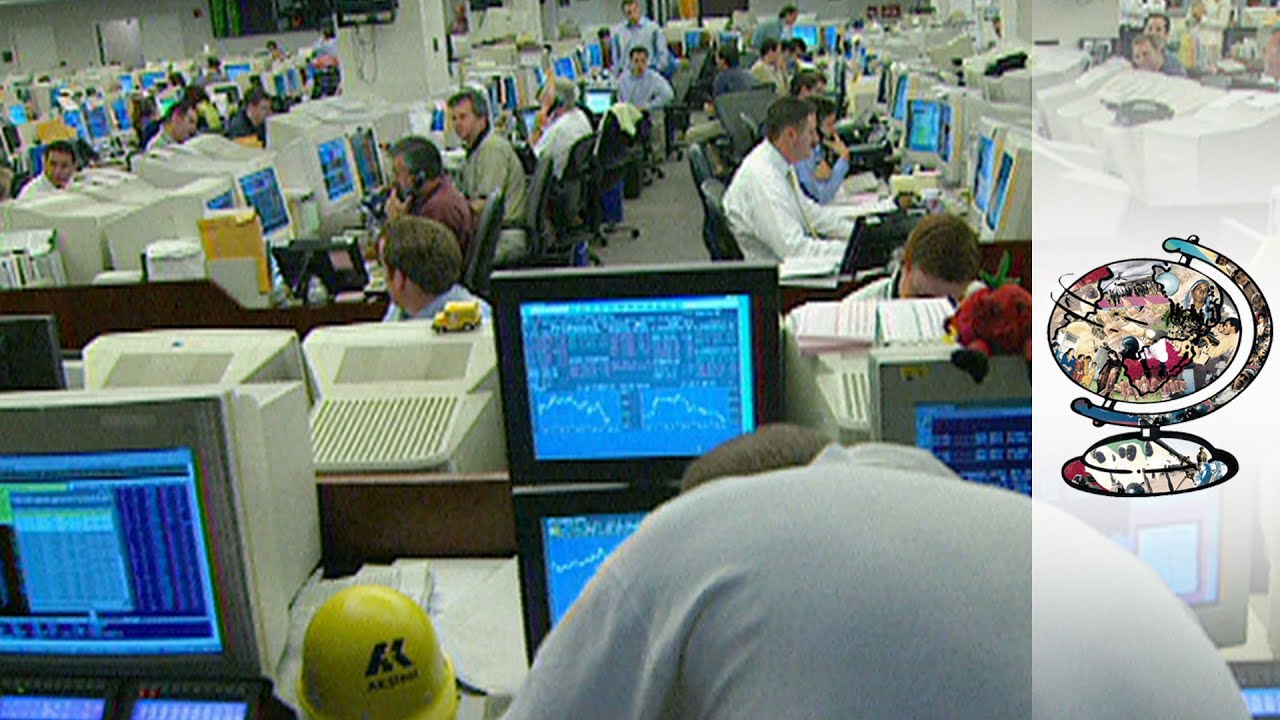
Nick Birbas, a 24-year-old waiter, turned a $3,000 loan into $500,000 by trading stocks in a market where shares are held for an average of 4½ minutes.
The Standard Model Lagrangian, a complex equation, represents the best understanding of the subatomic world in particle physics.
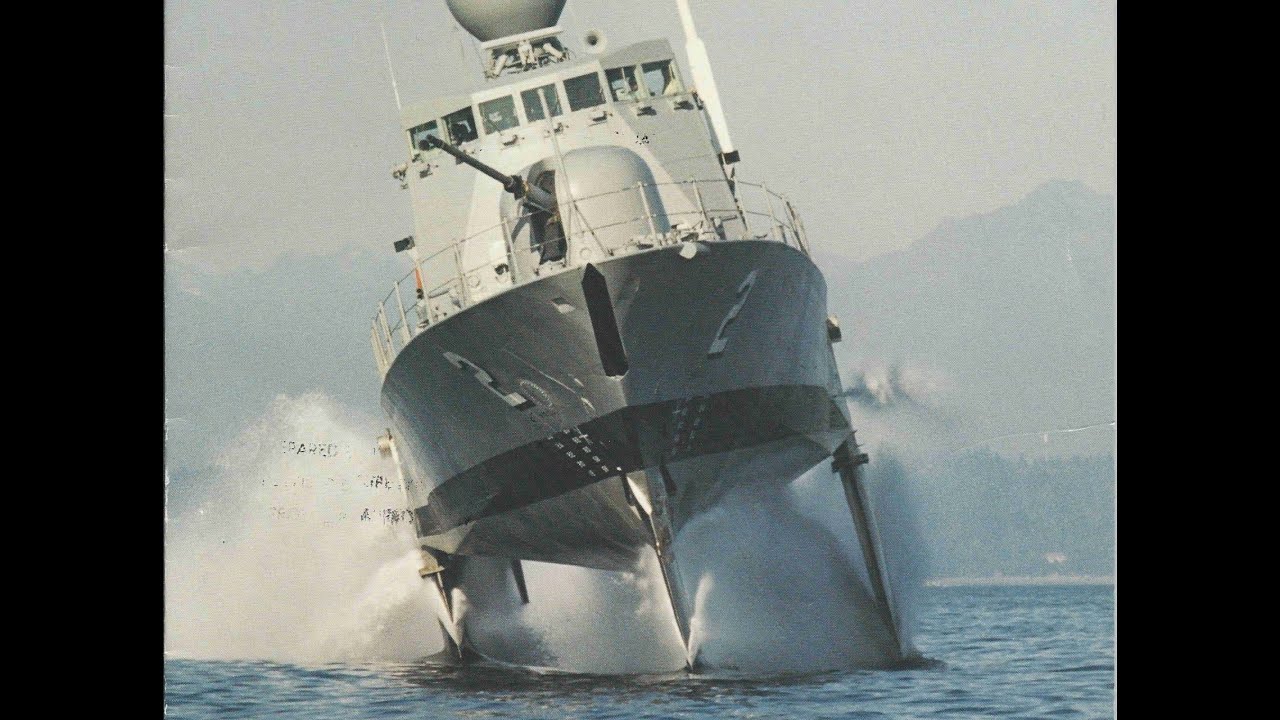
A hydrofoil can reach speeds of up to 36 knots while maintaining stability in heavy seas, making it less vulnerable to underwater explosions.
$400 billion to $600 billion a year is estimated to be stolen by the Communist Party of China through trade secret theft and industrial espionage.
The rapid evolution of the smartphone industry raises questions about future innovations and technological advancements in mobile devices.
Khalifa Al Qama leads Dubai Future Labs to innovate takeaway food delivery with robots.
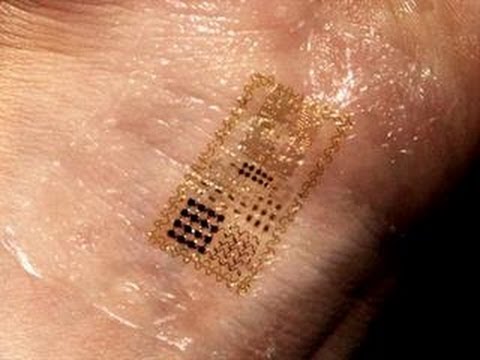
John Rogers proposes a future where electronics are made from flexible sheets of purified silk, offering a biocompatible and environmentally friendly alternative.
Modern technology's evolution is traced through historical innovations and figures, highlighting contributions from inventors like Thomas Edison and Nikola Tesla.
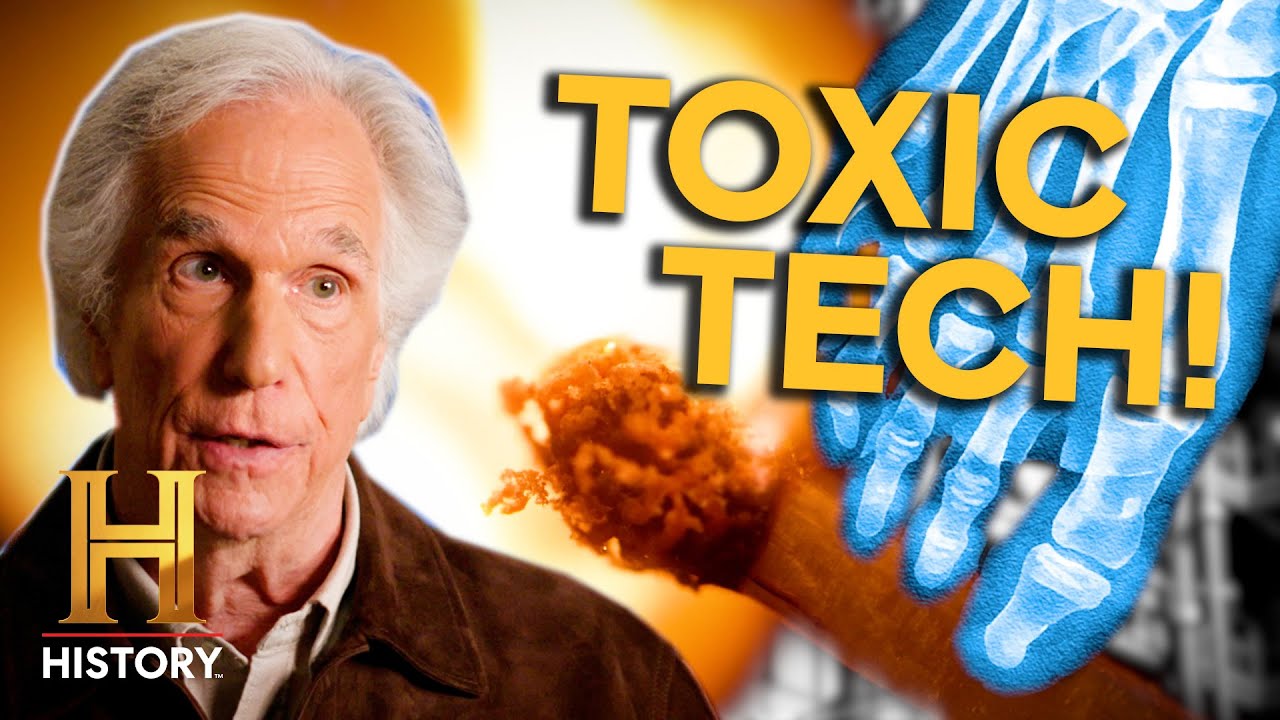
65% of workers at a New Jersey refinery experienced mental health issues after exposure to tetraethyl lead, leading to the nickname "Looney Gas Building."
Sam Battle, a self-taught backyard engineer, showcases his innovative electronic inventions, including the Furby Organ and Gameboy Mega Machine, in his unique museum.
NASA's Cassini mission, launched in 1997, spent over 13 years studying Saturn and its 60 moons, transforming our understanding of the planet.
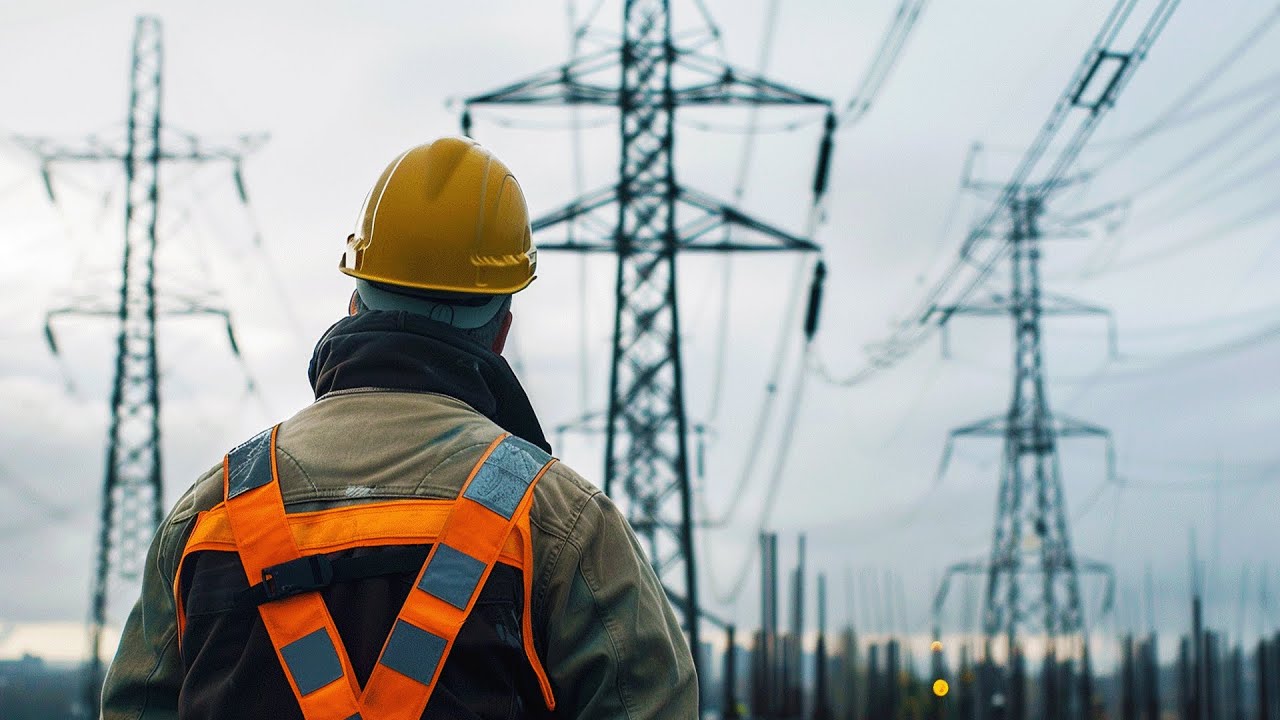
There are 22,000 transmission towers in the UK, each requiring regular maintenance to ensure the continuous flow of electricity across the country.
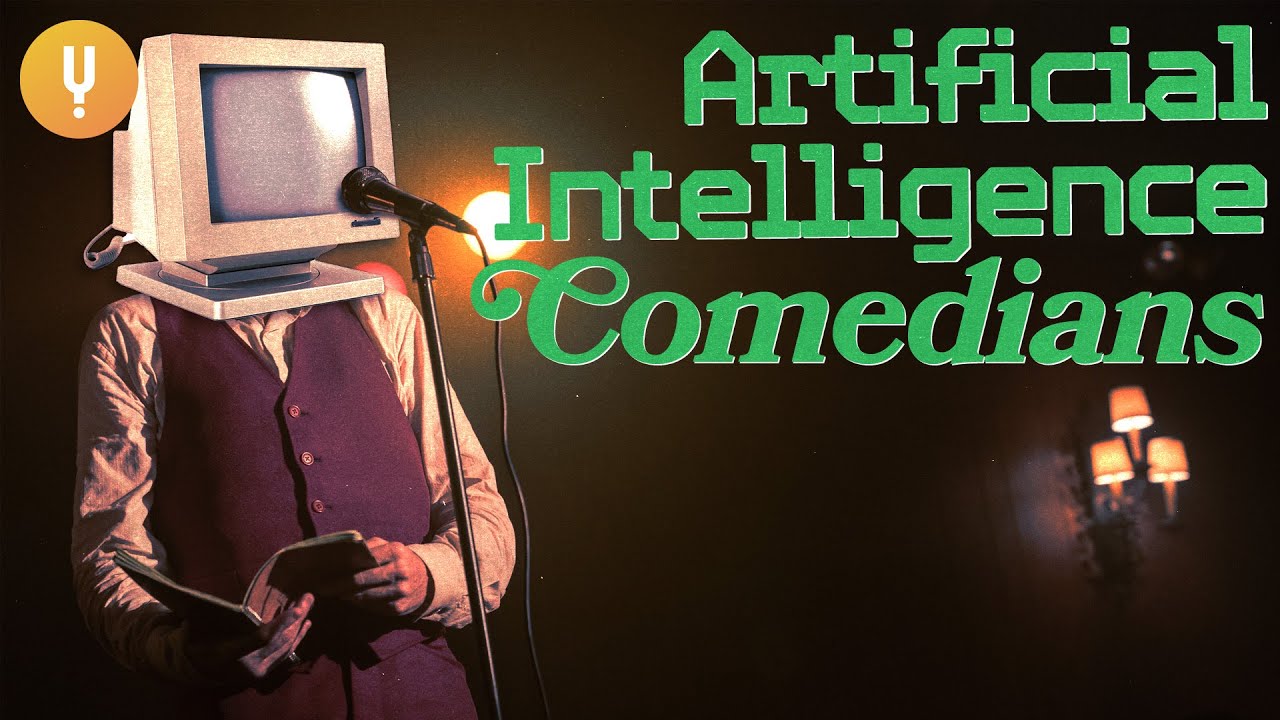
Comedy has always been a tool for understanding society, evolving from jesters to AI.
Fragments of flutes made from bird bones and mammoth ivory, over 40,000 years old, were discovered in Southwestern Germany, linking music to early human behavior.
Nanotechnology enables amputees to feel sensations with new prostheses in the medical field.
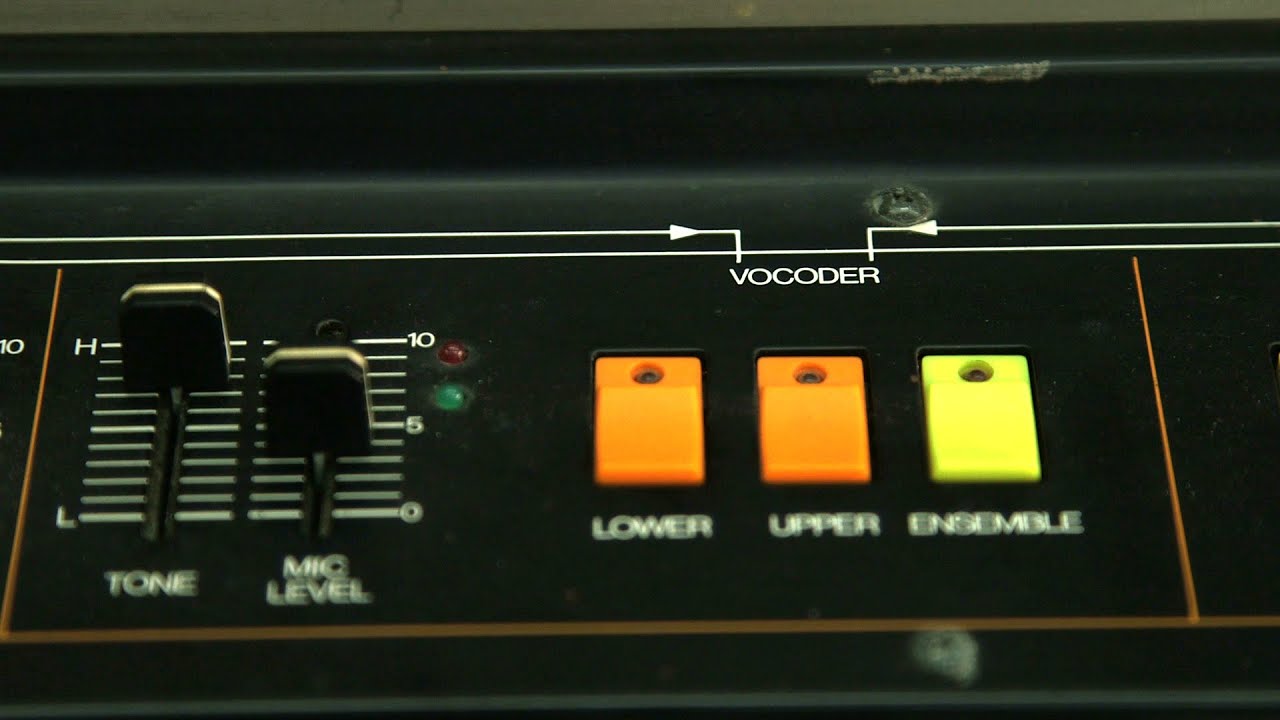
The vocoder, invented by physicist Homer W at Bell Labs, transformed communication technology by efficiently transmitting human speech as digital signals.
QR codes have rapidly integrated into sectors like hospitality, healthcare, and the arts, transforming digital culture and consumer behavior worldwide.
In September 2005, young women in Ladakh choose nunhood for independence and education.
The origins of Wi-Fi technology are traced back to Australian scientist John O'Sullivan and his team's work at the Commonwealth Scientific and Industrial Research Organisation (CSIRO).
Nikola Tesla's life and contributions to electricity are examined, highlighting the myths surrounding his rivalry with Thomas Edison and his innovative ideas.
Nikola Tesla's rivalry with Thomas Edison is explored through archival footage and illustrations, highlighting the impact of their innovations on modern electricity.
The range of the Little John missile is 20,000 meters, demonstrating the advanced capabilities of U.S. artillery systems during the Vietnam War.
In 1955, Britain began building its first space rockets, but government support for the program dwindled, ultimately leading to its cancellation.


![Documentary backdrop image for Robots Learn to Say "No" to Humans [Demo Included] (2015)](https://i.ytimg.com/vi/Tzzu7Q-yL7Y/maxresdefault.jpg)
![Documentary backdrop image for Samsung 16 Terabyte SSD [World’s Largest!] (2016)](https://i.ytimg.com/vi/mx4Z8hnBowM/maxresdefault.jpg)




















![Documentary backdrop image for The True Story of Nikola Tesla [Pt.1] (2017)](https://i.ytimg.com/vi/cDxi6ozDwhc/maxresdefault.jpg)
![Documentary backdrop image for The True Story of Nikola Tesla [Pt.2] (2016)](https://i.ytimg.com/vi/Iie8U5rngwA/maxresdefault.jpg)

