From over 100,000 films, discover the handful you'll love.
Free or premium access to the world's largest documentary library.
124 films(Page 1 of 3)
Six years after his execution, Che Guevara's remains were exhumed and returned to Cuba, where Fidel Castro organized a grand funeral in his honor.
On June 15, 1381, thousands of peasants from Kent and Essex marched toward London, challenging the rigid rules of medieval society.
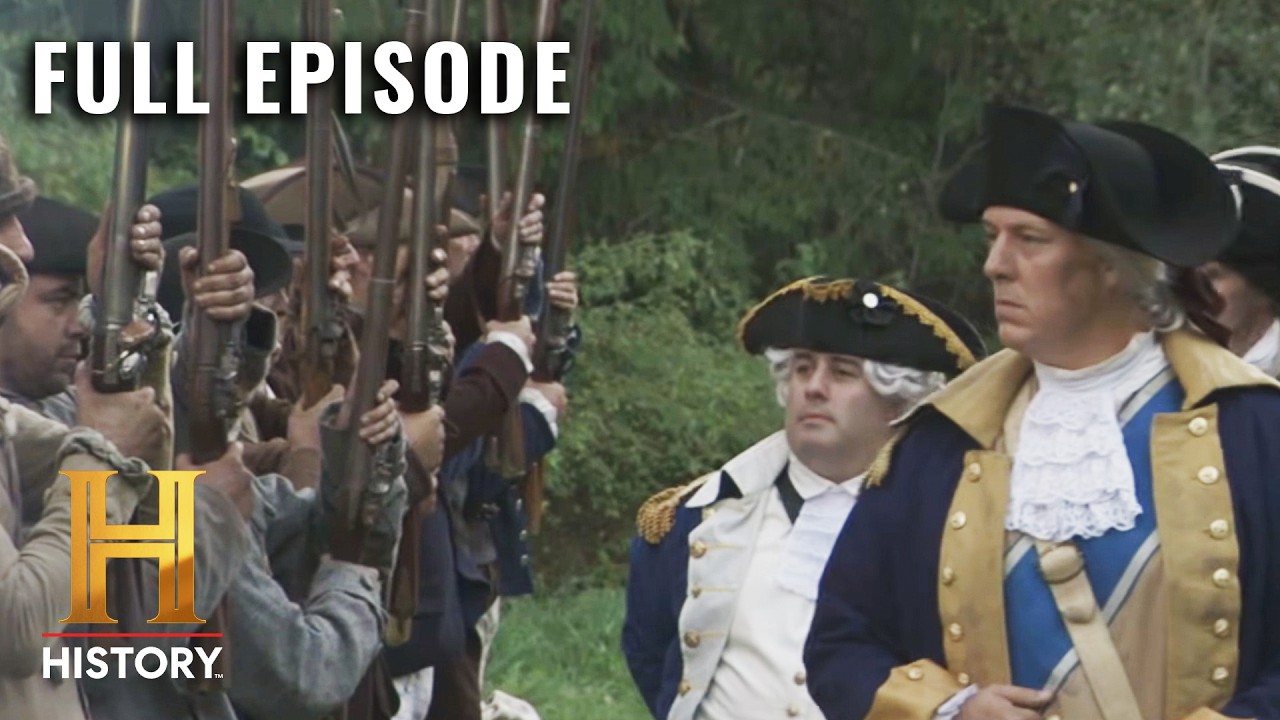
American colonists' opposition to British control escalates into violence, culminating in the battles of Lexington and Concord and the onset of the Revolutionary War.
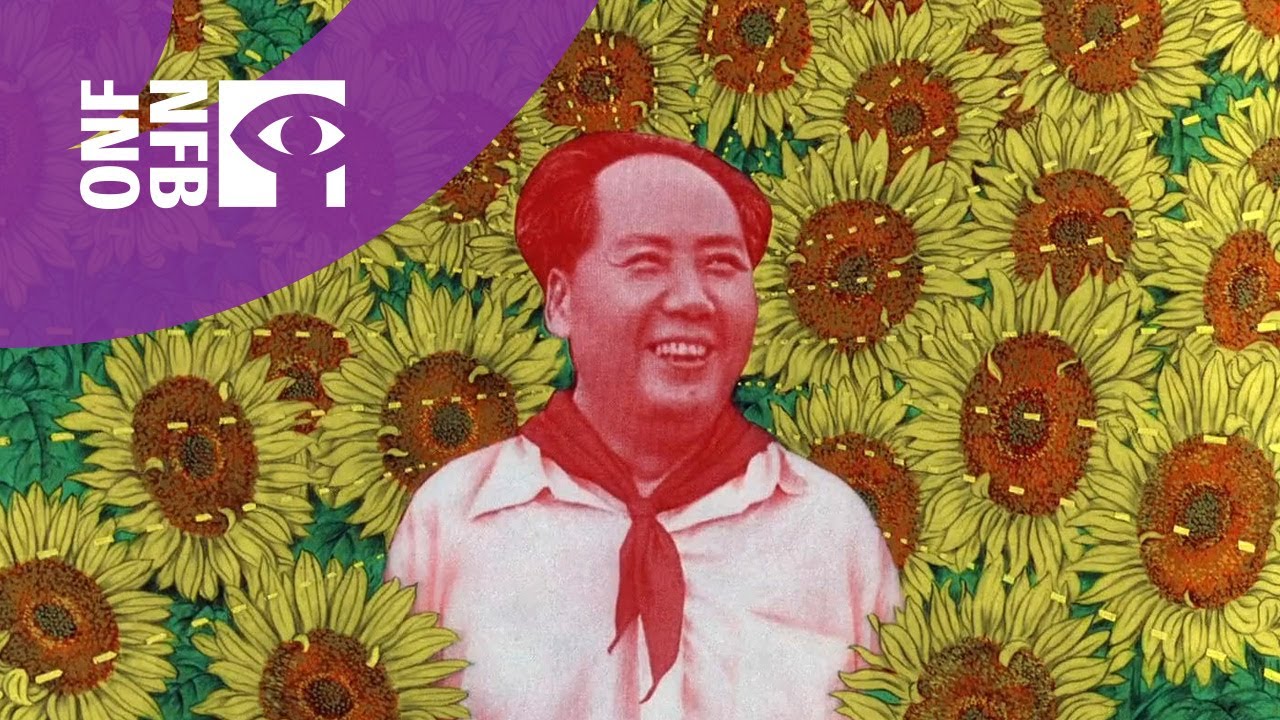
Mao Zedong's Great Proletarian Cultural Revolution drives chaos and violence in China.
On July 16, 1918, Bolshevik forces executed Russia's last tsar, Nicholas II, and his family, marking a significant moment in the Russian Revolution.
Daniel Boone's struggle to protect his settlement during the Revolutionary War highlights the challenges faced by frontiersmen in a nation at conflict.
Ernesto Guevara, known as Che, suffered from severe asthma as a child, which he eventually overcame through tenacity and determination.
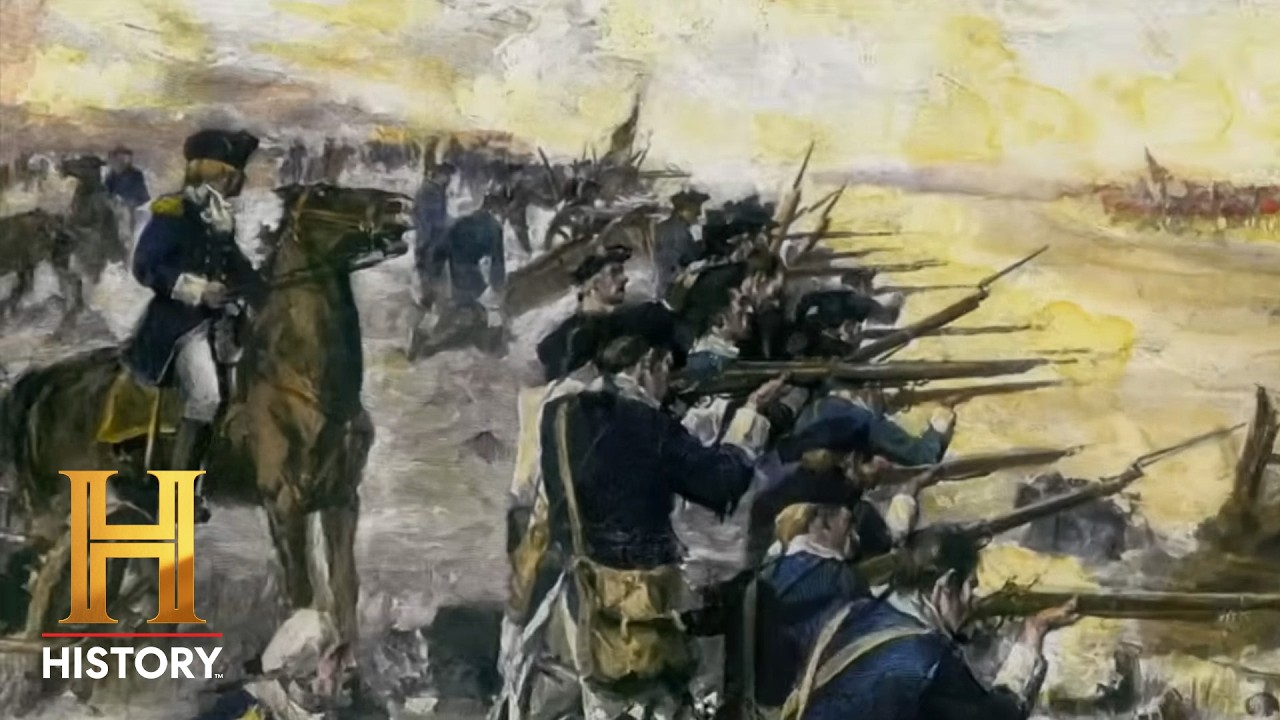
The struggle for independence in the United States is marked by rebellion, bloodshed, and key battles that ultimately led to victory against British rule.
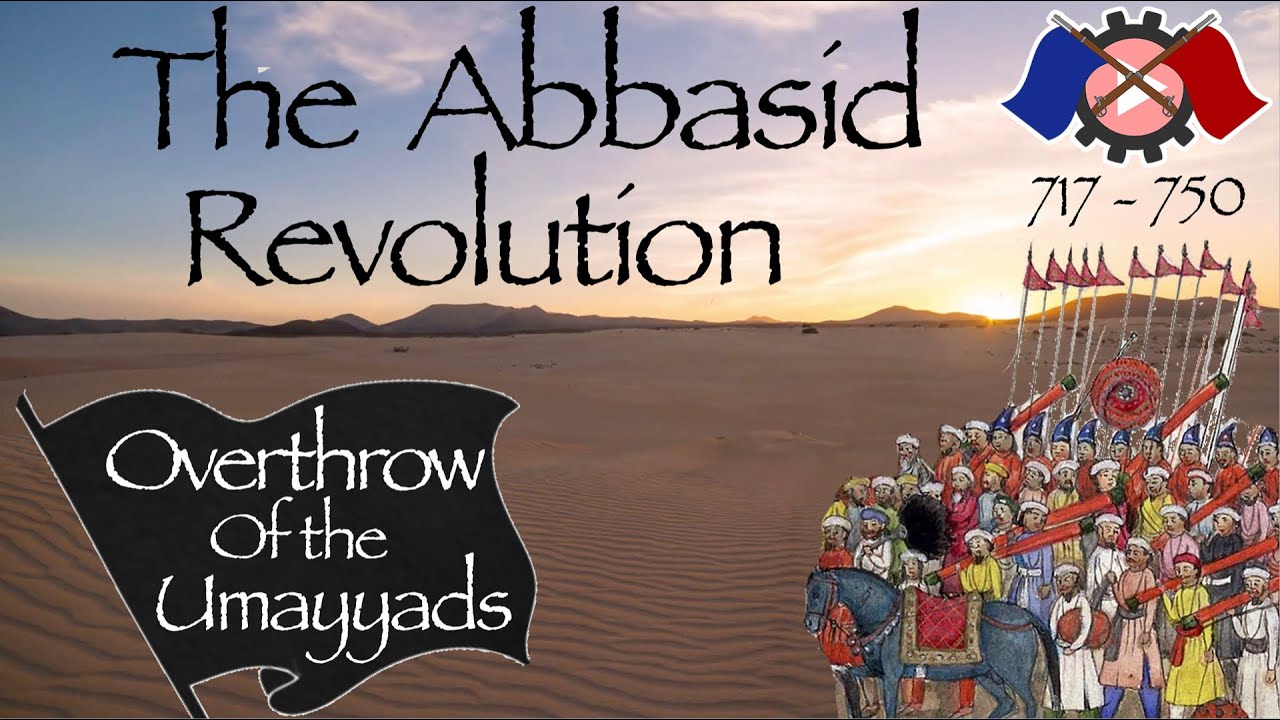
In 720, the unified Arab Empire stretched from France to the borders of China, having been conquered in just three generations.
Two vast armies from Kent and Essex camped north and south of the Thames during the Peasants' Revolt in 1381, demanding justice from King Richard II.
Freemasonry, one of the oldest secret societies, has played a significant role in shaping political and social landscapes from medieval England to modern times.
Maximilien Robespierre was executed by guillotine in Paris on July 28, 1794, marking a dramatic turn in the French Revolution's Reign of Terror.
In 1966, Western foreigners in China experienced the upheaval of Mao's Cultural Revolution, contrasting their idealized views of Maoism with the harsh realities faced by the Chinese people.
The Silk Road, a vital trade route across Eurasia, significantly influenced warfare and conflict through advancements in cavalry tactics and gunpowder technology.
Five million people died during the famine caused by Stalin's forced collectivization policies in the early 1930s.
In the summer of 1381, an organized uprising of peasants, parish priests, and artisans marched on London in response to King Richard II's oppressive poll tax.
On October 1, 1949, Mao Zedong announces the establishment of the People's Republic of China during a parade in Tiananmen Square, marking a historic shift.
Samuel Colt and partners Edwin Smith and Daniel Wesson ignite the first arms race for revolvers.
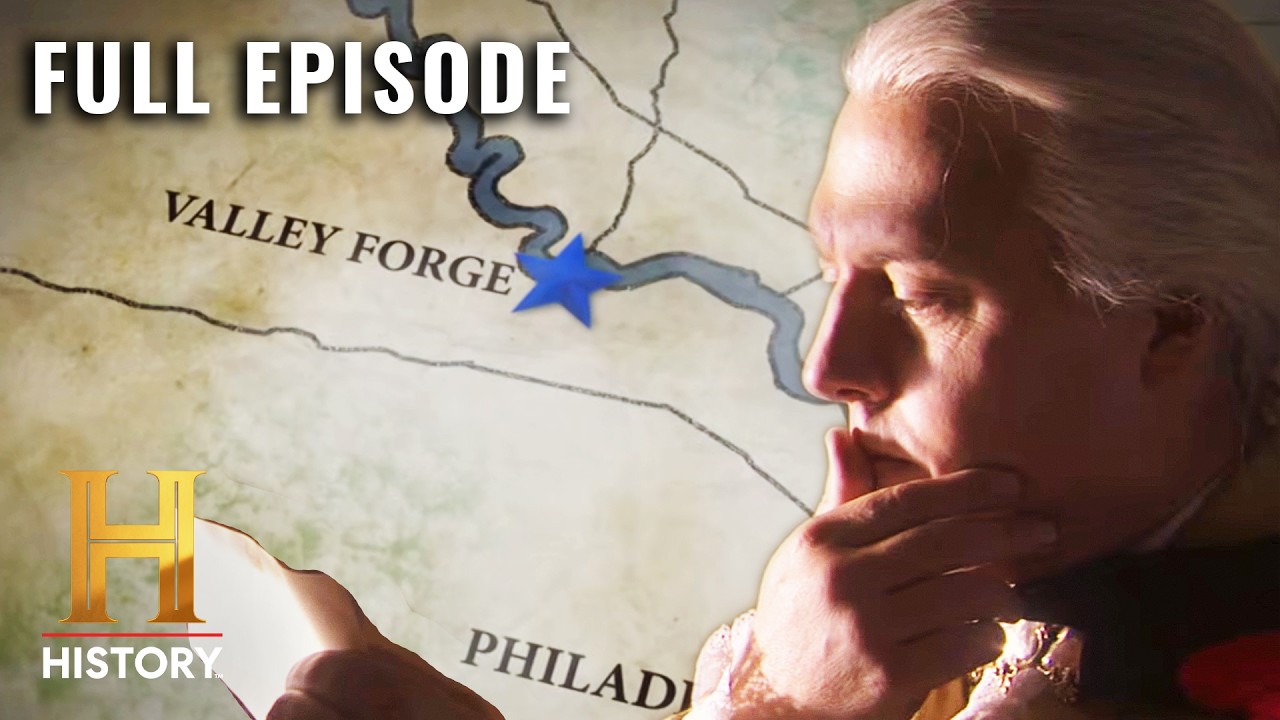
1,000 American soldiers are wounded or killed at Brandywine, leading Congress to question George Washington's leadership during the Revolutionary War.
In 75 BCE, Spartacus rises from an enslaved gladiator to a formidable rebel leader, challenging the power of the Roman Empire and igniting a significant uprising.
15,000 international volunteers traveled to Nicaragua in the 1980s to support reconstruction efforts following the Sandinista revolution.
Samuel Colt and Daniel Wesson compete to create the perfect revolver in the United States.
The colonies declare independence, challenging the British Empire and forging a new nation.
Dark matter makes up about 27% of the universe, yet scientists still do not know what it is made of.
Boudica, the warrior queen of the Iceni tribe, led a significant revolt against Roman rule in ancient Britain, driven by personal and political motivations.
The Boston Tea Party and the battles of Lexington and Concord set the stage for the Revolutionary War, culminating in George Washington's inauguration as the first U.S. President.
Karl Marx's theories on capitalism and social inequality remain relevant 200 years after his birth, influencing political movements worldwide.
In 1381, a violent uprising known as the Peasants' Revolt erupted in England, driven by discontent over taxes and labor shortages following the Black Death.
William Wallace, a key figure in Scotland's fight for independence in the late 13th century, faces trial for treason against King Edward and plans a guerrilla campaign.
The years between the Boston Tea Party and the ratification of the Constitution are examined, highlighting key events that shaped the American Revolution.
King James II's reign from 1685 to 1688 ended in his overthrow by his daughter Mary and her husband William of Orange due to his Catholicism in a Protestant nation.
The 1916 Easter Rising in Ireland resulted in nearly 500 deaths and over 2,000 injuries, significantly influencing the movement for Irish independence.
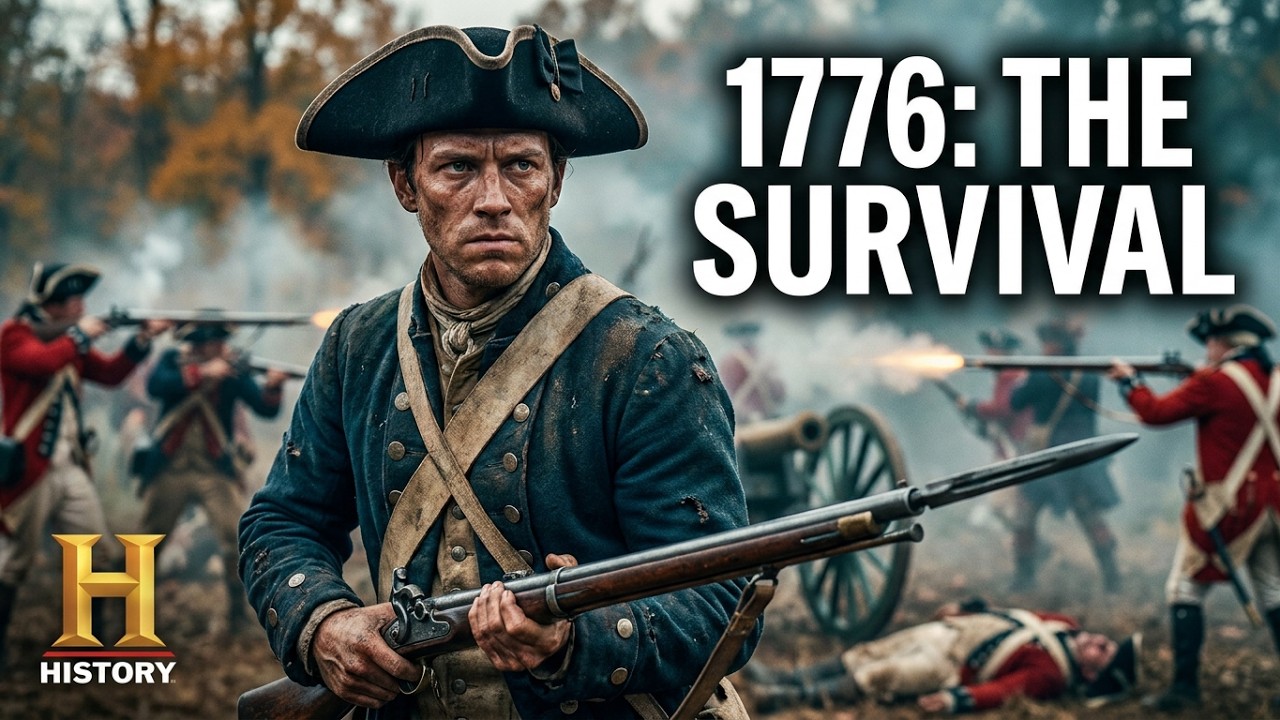
In 1776, the newly formed United States confronts the imminent threat of collapse amid internal strife and external pressures during the American Revolution.
George Washington faces increasing scrutiny from Congress as his military losses mount during the early struggles of the Continental Army.
The Age of Revolutions saw the Silk Road facilitate the spread of ideas and goods, significantly impacting the rise of New York and the democratization of knowledge.
After the fall of Charleston, the Revolutionary War intensifies in the Carolina backcountry, highlighting key battles and strategies in the region.
The American Revolution involved a complex array of participants, including George Washington, Indigenous peoples, and enslaved Africans, reshaping global history.
The Battle at Bunker Hill marks a pivotal escalation in the American Revolutionary War as the Continental Congress establishes an army and appoints George Washington as Commander-in-Chief.
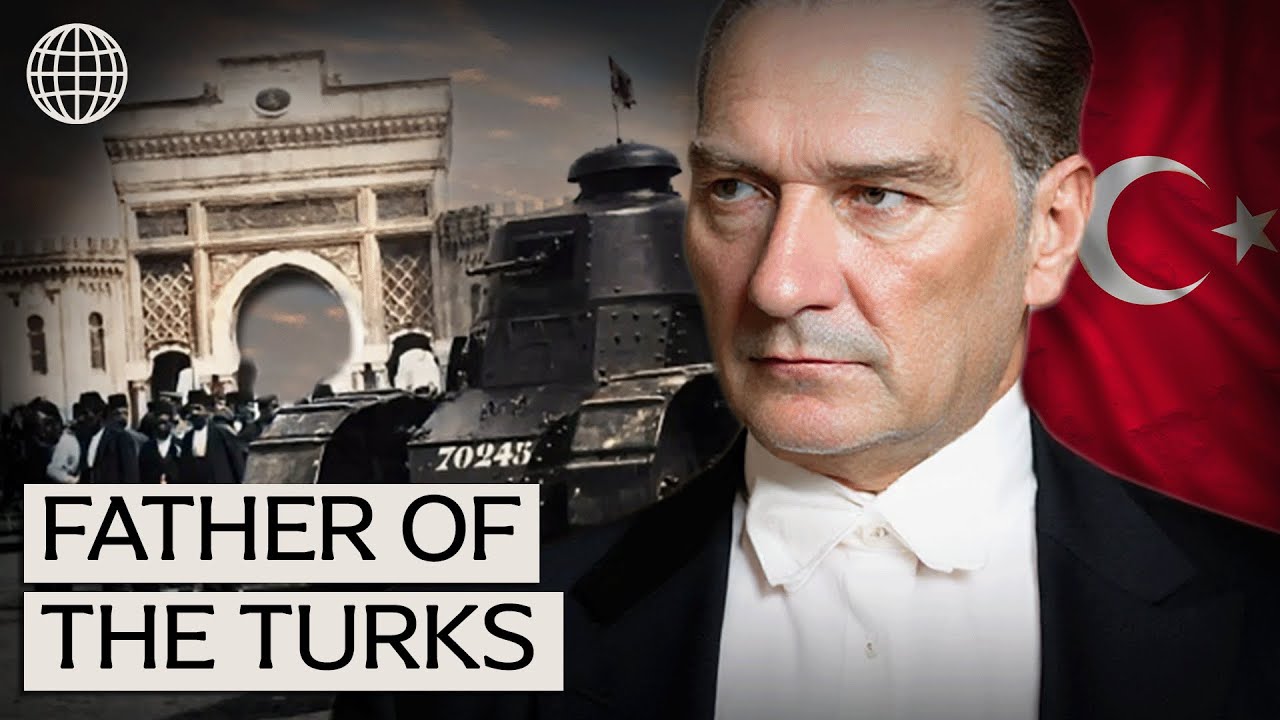
Mustafa Kemal Atatürk was born in Salonica in early 1881 and later became known as the father of modern Turkey after significant reforms in the 20th century.
On June 4, 1989, a former comrade witnessed the massacre of protesters in Tiananmen Square, marking a turning point in his life and beliefs.
American forces fight in the Vietnam War to build a nation in South Vietnam.
The Illuminati, a disbanded Bavarian group, is linked to the New World Order and ongoing influence.
Thomas Paine's influential writings and ideas played a crucial role in igniting the American Revolution and shaping modern concepts of reason and religion.
Four key figures-George Washington, Alexander Hamilton, John Jay, and James Madison-shaped the U.S. government between 1783 and 1789.
In the Aurès Mountains of Algeria, filmmaker Malek Bensmail explores the lasting impact of the war for independence on the village of Ghassira and its children.
In the 1860s, the Republican Party, under leaders like Thaddeus Stevens, transformed Congress to defeat the Confederacy and advance emancipation and Reconstruction.
Joseph Ellis discusses the American Revolution, a conflict that lasted from 1773 to 1783 and involved a struggle for independence marked by significant violence.
In the aftermath of the American Revolution, the Continental Congress struggled under the Articles of Confederation, leading to the 1787 Constitutional Convention.