From over 100,000 films, discover the handful you'll love.
Free or premium access to the world's largest documentary library.
124 films(Page 2 of 3)
Russia's expansion from the Romanov era through wars against Napoleon, the Crimean War, and World War I ultimately led to the empire's collapse and the rise of the Soviet Union.
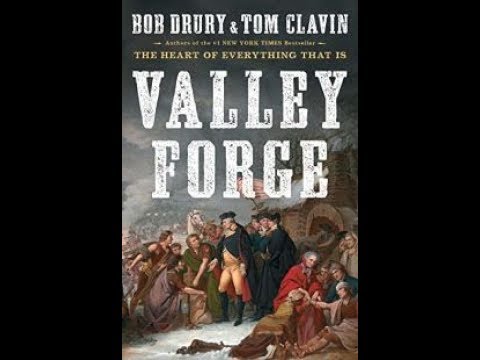
In the winter of 1778, George Washington and the Continental Army transformed their struggling troops at Valley Forge into a professional fighting force.
Pulitzer Prize-winning author Joseph Ellis discusses the events of the summer of 1776, when the 13 colonies decided to secede from the British Empire.
Thaddeus Stevens, a leading abolitionist in Congress, advocated for racial justice and equal rights for Black Americans during the Civil War and Reconstruction era.
The Revolutionary War's latter years, marked by the American alliance with France and the British southern strategy, culminated in the decisive victory at Yorktown.
Farley Grubb presents a detailed analysis of how the Continental Dollar functioned as a zero-coupon bond rather than a fiat currency during the American Revolution.
Seven Virginians, including George Washington and Thomas Jefferson, significantly influenced the formation of the United States and its political institutions.
More than a million visitors view the Declaration of Independence each year at the National Archives, where its ideals shaped American aspirations.
2,400 troops crossed the ice-filled Delaware River on Christmas night in 1776, thanks to the efforts of the Marblehead Regiment during the American Revolution.
After the October Revolution of 1917, the Bolsheviks' restrictions on art led to a flourishing avant-garde movement that influenced Russian culture and contemporary dissent.
The Virginia Dynasty, comprising Thomas Jefferson, James Madison, and James Monroe, shaped early American policy through significant achievements like the Louisiana Purchase and the founding of the Republican Party.
On April 20, 2017, a discussion at the National Archives marked the 240th anniversary of Lafayette's departure from France to support the American Revolution.
On December 16, 1773, Bostonians dressed as Native Americans dumped tea into Boston Harbor, a key event leading to the American Revolution.
Francisco Graupera reflects on his life and the realities of living under communism in Cuba, challenging common misconceptions about the Revolution.
Fifty thousand casualties resulted from the Hungarian Revolution of 1956, leading to the exodus of 200,000 Hungarians from their homeland.
On May 2, 1808, the people of Madrid rose against Napoleon's forces, marking the start of the Peninsular War and a pivotal moment in Spanish identity.
On January 30, 1649, King Charles I was executed in broad daylight with the backing of Parliament, marking a significant shift in English governance.
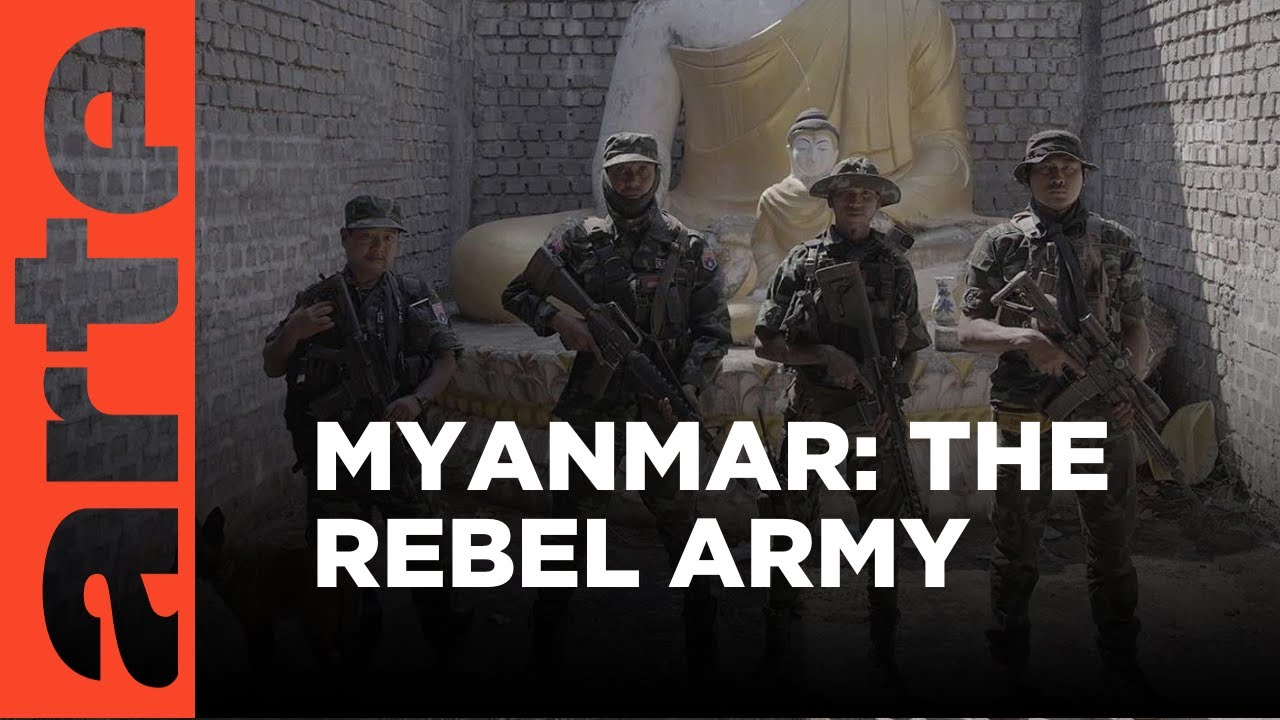
More than 50,000 people have died since the military coup in Myanmar, including 8,000 civilians and 2 million displaced from their homes.
They are the shock troops of the Ukrainian regime, known for the Odessa massacre in May 2014.
Three-quarters of young Syrians are currently in jail, as former fighters from the Free Syrian Army recount how their revolution was overtaken by extremists.
In 2008, the House of Shah is ousted from power in Nepal, leading to a violent transition from monarchy to republic.
In Venezuela, millions face severe shortages and economic collapse under Nicolás Maduro's regime, yet a loyal base continues to support the ideals of Hugo Chávez.
Journalists reveal the truth behind Ukraine's violent conflict following the Euromaidan Revolution.
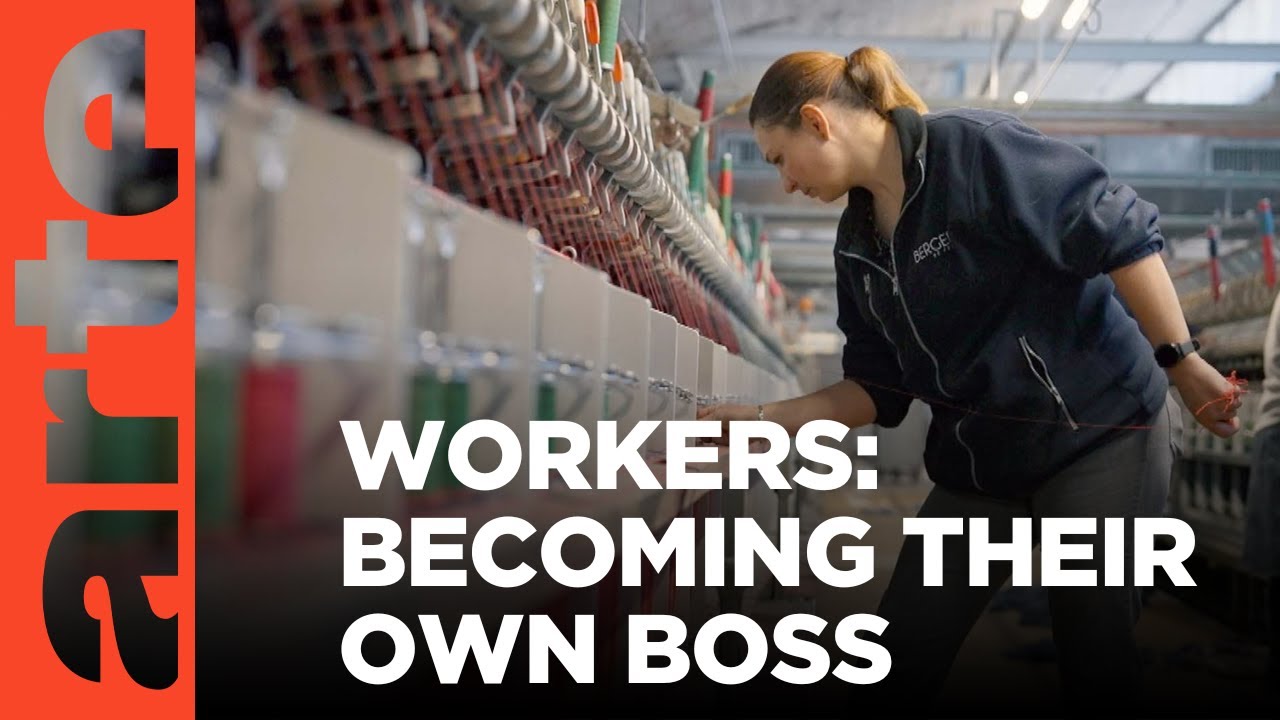
In Bar-le-Duc, France, workers of a struggling knitting yarn company successfully bought it out, becoming their own bosses and raising questions about long-term viability.
In 2014, Burkina Faso's revolution leads to the end of a 27-year military dictatorship, resulting in the election of President Roch Marc Christian Kaboré.
Lech Wałęsa discusses the current state of Europe and reflects on his role as a co-founder of the Solidarność movement and former President of Poland.
Tunisia's political landscape has shifted from the optimism of the 2010 revolution to the authoritarian rule of President Kais Saied, as explored through various perspectives.
On January 25, thousands gathered in Cairo, initially believing the protest would be just another demonstration, but it quickly escalated into a significant uprising.
Young Syrians recount their fight for freedom against brutal government tactics in Syria.
Mass protests erupted in Bangladesh on 5 August 2024, led by young activists demanding political reform and social justice after Prime Minister Sheikh Hasina fled the country.
Eight or nine different countries are currently being targeted for revolutionary training by consultants who previously helped organize the Egyptian uprising.
Over 300 militias now control Libya, fighting for power in the chaos that followed the 2011 Revolution and the fall of dictator Muammar Gaddafi.
In early January 2023, journalist Kajin Azadi documents the intense protests in Tehran, highlighting the Iranian people's fight for change and resistance against oppression.
Farad Fathi, a mullah supporting the Islamic Revolution, uses social media to engage with advocates of the Women, Life, Freedom movement in Iran.
On June 1, 2001, Crown Prince Dipendra killed ten members of the Nepalese royal family in a massacre that changed the country forever.
Amidst brutal crackdowns and internet blackouts, Iranians rise in defiance, demanding justice and freedom.
Two masked men on a motorcycle shot and killed journalists George and Marisel Vgo just hours after the Philippine government declared all-out war on the New People's Army.
In Cairo, women protesters face sexual harassment and assault, with claims that some attackers are paid to intimidate them during the revolution.
Maoists steadily gain control in rural Nepal, threatening the central government in Kathmandu.
Simon Ostrovsky reports on the Kiev Battalions' internal conflicts post-Maidan revolution.
Animated shorts revisit the principles of evolution in a humorous style that aligns with Charles Darwin's theories.
Monarchies thrive globally, with Queen Elizabeth II and the Nepalese Prince's tragedy highlighted.
Mohamed Bouazizi's self-immolation in Tunisia sparks the Arab Spring in December 2010.
The military draft in July 1863 sparks violent riots in New York City over the Union cause.
The anniversary of the Romanovs' murder raises questions for Vladmir Putin in Russia today.
Lawrence of Arabia's tactics in the Great Arab Revolt redefine guerrilla warfare methods.
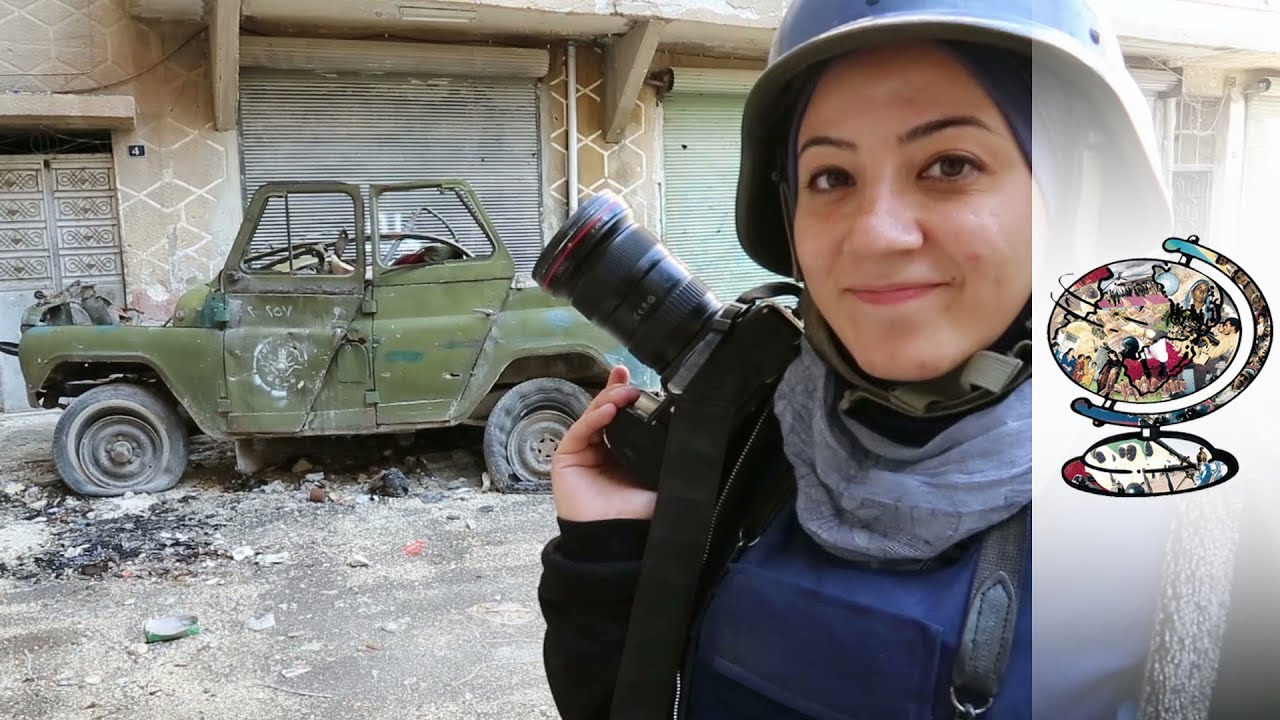
A 24-year-old woman fights with the Free Syrian Army against Bashar al-Assad's regime, determined to expose the suffering of her people.
November 9, 1989, marked the night when the Berlin Wall fell, signaling the end of communist control in Eastern Europe.