From over 100,000 films, discover the handful you'll love.
Free or premium access to the world's largest documentary library.
490 films(Page 8 of 11)
In Mauritania, some families force-feed their young daughters a 9,000 calorie-a-day diet during a brutal "feeding season" to enhance their marriage prospects.
In the 1970s, the Gautreaux case ended segregated government housing in Chicago, highlighting the complexities of addressing decades of racial segregation.
Thirty years after Live Aid raised millions for famine relief, social media has transformed how younger generations engage with philanthropy.
28 people were shot dead in a police raid, marking the bloodiest event in Rio de Janeiro's history amid rising violence and political turmoil in Brazil.
Nearly 1 billion people spend their daily energy searching for clean water, a problem addressed by innovative purification technology.
In July, Arizona will impose a new time limit on benefits of one year, affecting roughly 1,600 families and 2,700 children.
80% of world income is generated by just 10% of the population, illustrating stark disparities in economic development across countries.
A West Virginia auto mechanic sold tomato plants for $1 each in the 1930s, earning enough to pay off his $6,000 mortgage.
Middlesbrough has some of the highest poverty rates in the UK, with many residents struggling amid rising prices and a lack of opportunities.
America's richest country status contrasts with its high poverty and income inequality rates.
68% of palm oil is used for food, while 27% is found in cosmetics and industrial products, reflecting its widespread demand and versatility.
By 2050, projections indicate that 70 percent of humanity will live in cities, many in informal settlements like those in Medellín, Colombia.
Almost 40 million people in America live in poverty, with one in six children affected by the growing crisis despite the country's wealth.
Over 1,000 villages in Uttarakhand, India, are abandoned as residents leave due to changing monsoon patterns and the impacts of climate change.
In a cautionary tale against self-indulgence, Peter Foldès' animated short illustrates one man's descent into greed amidst a world still facing hunger and poverty.
Makur Diet, who lost his leg to gunfire over a decade ago, now helps fellow war victims at an International Committee of the Red Cross center in South Sudan.
Narcotics addiction among youth in urban ghettos is dramatized in a 1969 film produced by the Alcohol, Drug Abuse, and Mental Health Administration.
Joey, a seven-year-old boy, struggles to adjust to his new home, often expressing a desire to return to his previous living situation.
Charles Brown struggles to find employment due to his criminal record until the John Howard Society helps him secure a job and regain his self-respect.
In Buenos Aires, pediatrician Rubén Sosa provides care and hope to children affected by Argentina's high inflation and poverty through his unique, child-friendly practice.
Six dancers sell donated clothing at a market to fund their travel and performance costs before a show at Lima's national theater.
Barrington Irving, the youngest person to fly solo around the world, inspires youth in Miami to pursue careers in aviation despite challenging circumstances.
Fogo Island fisherman Billy Crane explains his decision to leave his home in search of employment opportunities in Toronto amid local concerns about the future.
In 1985, Bob Geldof organized the Live Aid concert, raising millions for famine relief in Ethiopia and Sudan through the collaboration of rock musicians.
Chief Yin leads former Afghan and Iraqi soldiers to help troubled teens through Operation Shark Attack.
Tico, a clown and social activist in São Paulo's Cracolandia, provides hope and support to the community's homeless and drug-addicted individuals.
Apa Sherpa, a world-record holder for summiting Mount Everest 21 times, aims to improve educational opportunities for the Sherpa people through the Apa Sherpa Foundation.
Cocoa farmers in Ivory Coast and Ghana face economic challenges as multinational corporations like Mars and Nestlé dominate the chocolate industry's profits.
Women in makeshift camps in Calais face increasing dangers while attempting to cross the English Channel, with fatalities rising from 16 in 2023 to at least 89 in 2024.
The Coconut School in Cambodia utilizes discarded packaging to construct educational facilities while promoting environmental awareness among students.
Cambodia's first women's wheelchair basketball team, the Battambang Roses, qualified for the 2018 Asia Para Games, highlighting their resilience and determination.
Over 400,000 Sudanese refugees have crossed into Chad in recent months, overwhelming the border town of Adré and its resources.
Charles, a young boy facing social isolation and neglect, creates an imaginary world filled with kind-hearted frogs to escape his harsh reality.
Thirteen-year-old Gesho arrived in Israel as part of a 14,000-person airlift known as Operation Solomon, which took place in 1991.
China's diverse populations and stark disparities are explored through the lens of Wuhan's COVID-19 outbreak and the Belt and Road Initiative.
Coffee's journey from its 8th-century origins in Ethiopia to its role as a global economic commodity reveals the complexities of the coffee trade and cultural significance.
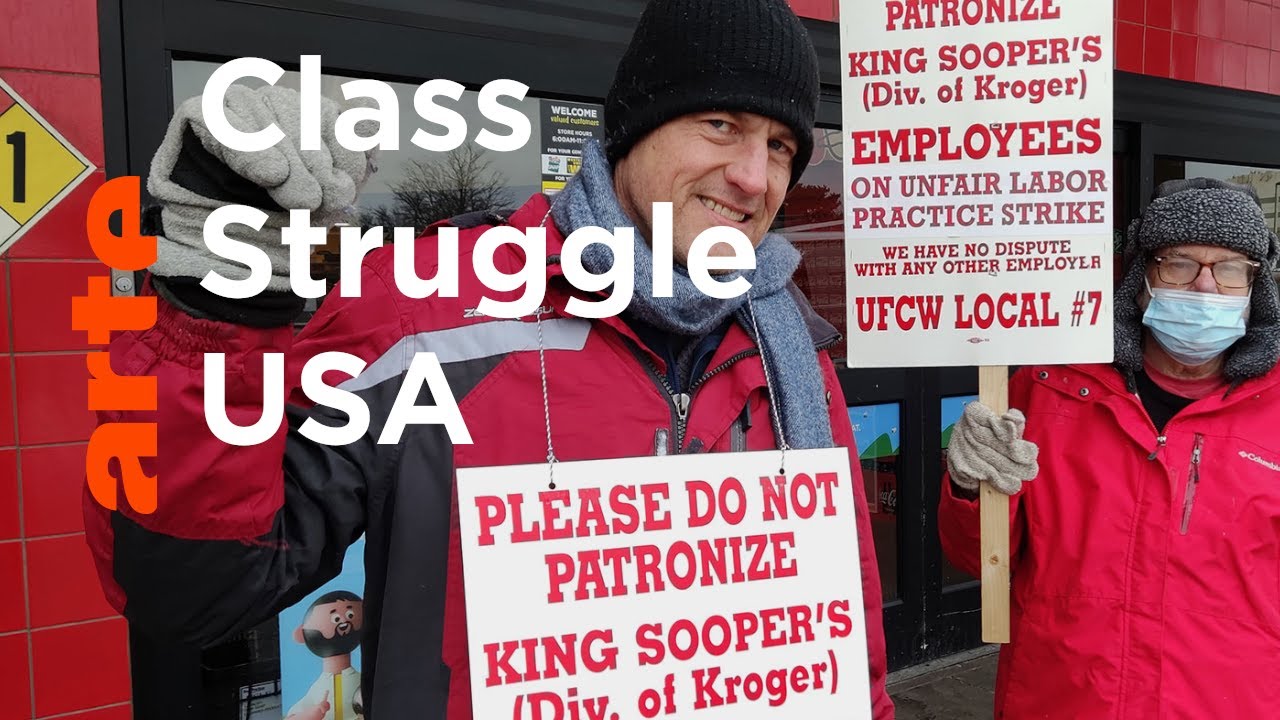
8,000 strikers at King Soopers in Denver secured better health coverage and a $2 wage increase after two weeks of protests against income inequality.
A 70-year-old man living in a hotel for 15 years receives assistance from a community project aimed at improving police and citizen relations.
A city of 540,000 residents begins another day during the Great Depression, as Washington, D.C., faces economic challenges and government efforts to create jobs.
In 1971, the Office of Economic Opportunity documented a District Pilot Project aimed at enhancing community control through local governance initiatives.
Well-organized gangs known as kalunas in Kinshasa, Democratic Republic of the Congo, engage in violent activities including drug trafficking and assaults.
Since the beginning of the year, 30,000 new cases of monkey pox have been recorded in the Democratic Republic of Congo, with children accounting for 75% of deaths.
Emily Ainsworth, an anthropologist and photographer, profiles the vibrant yet challenging life of performers in a Mexican circus.
Severe food crisis in southern Madagascar affects 1.5 million people as drought and armed bandit groups known as Dahalo worsen the humanitarian disaster.
In Regent Park North, Toronto, residents transition from overcrowded, substandard housing to new, modern developments that enhance their living conditions.
Benjamin Carson was born in Detroit on September 18, 1951, and overcame a troubled childhood to become a leading neurosurgeon and political figure.
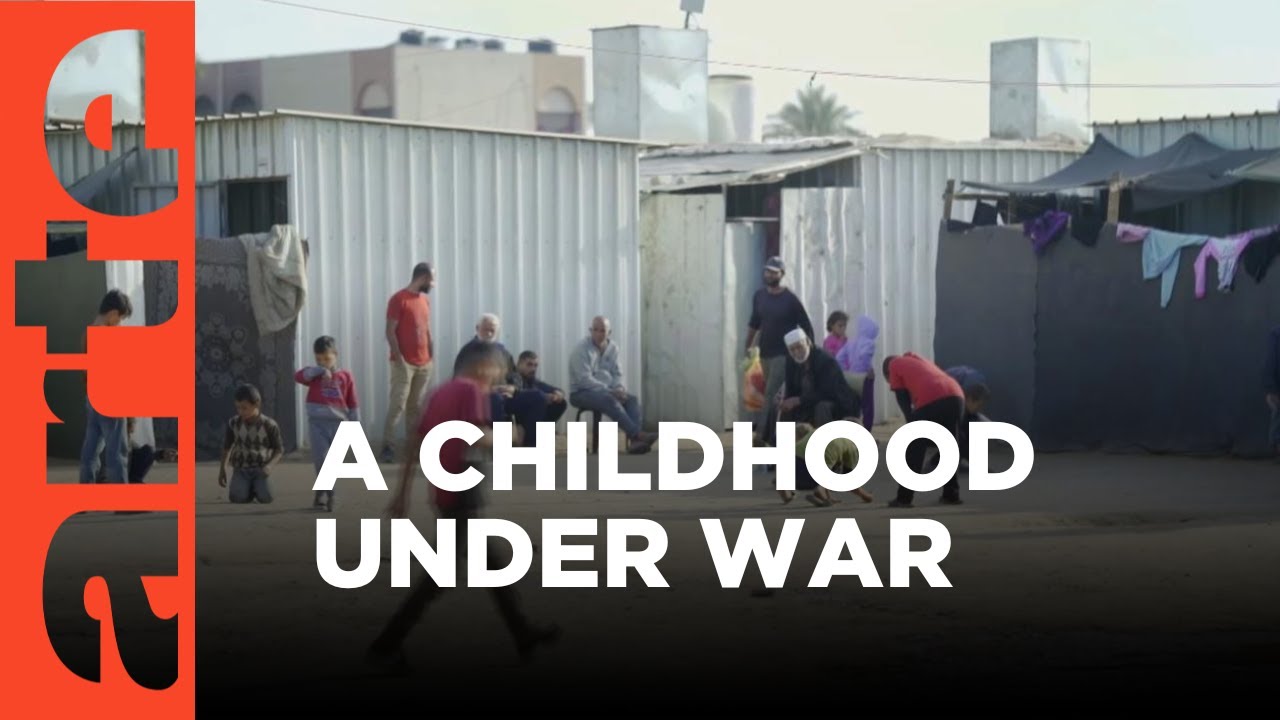
In Gaza, UNICEF reports that a child is killed or injured every ten minutes due to ongoing conflict, with nearly 15,000 children dead since October 2023.
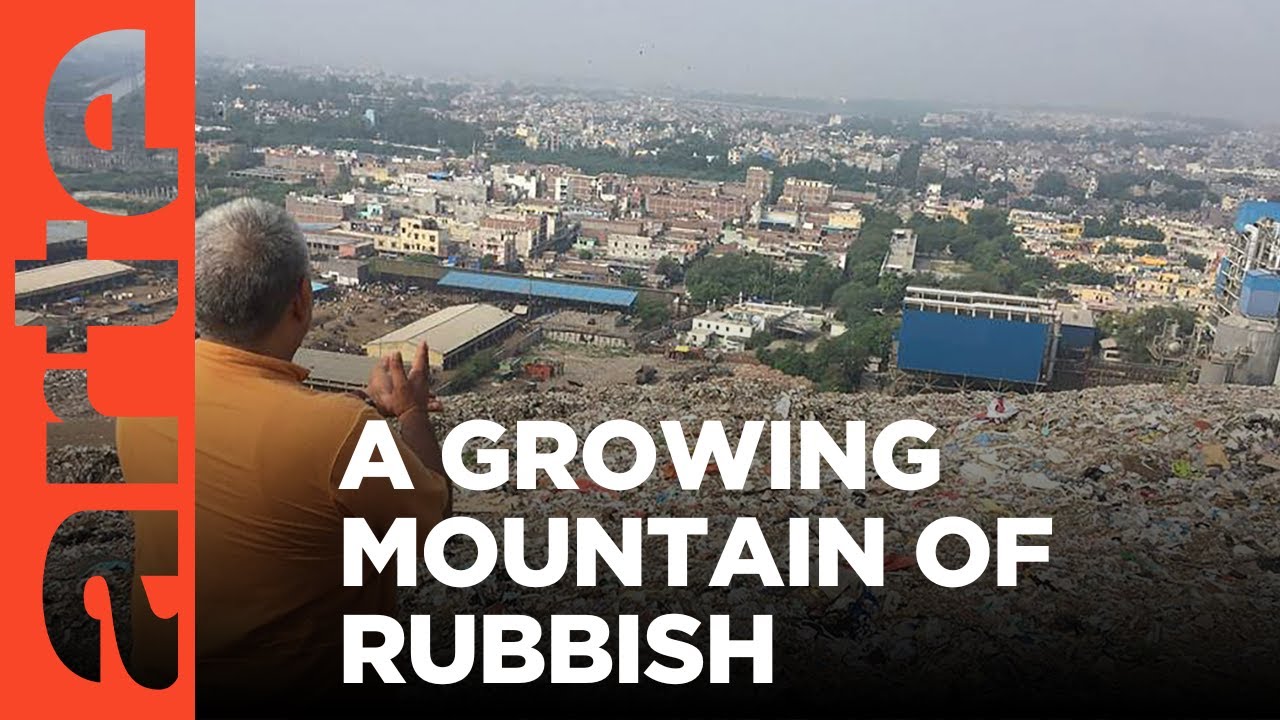
Ghazipur landfill in New Delhi, originally set to close in 2002, continues to expand, impacting the health and livelihoods of nearby residents.