From over 100,000 films, discover the handful you'll love.
Free or premium access to the world's largest documentary library.
407 films(Page 5 of 9)
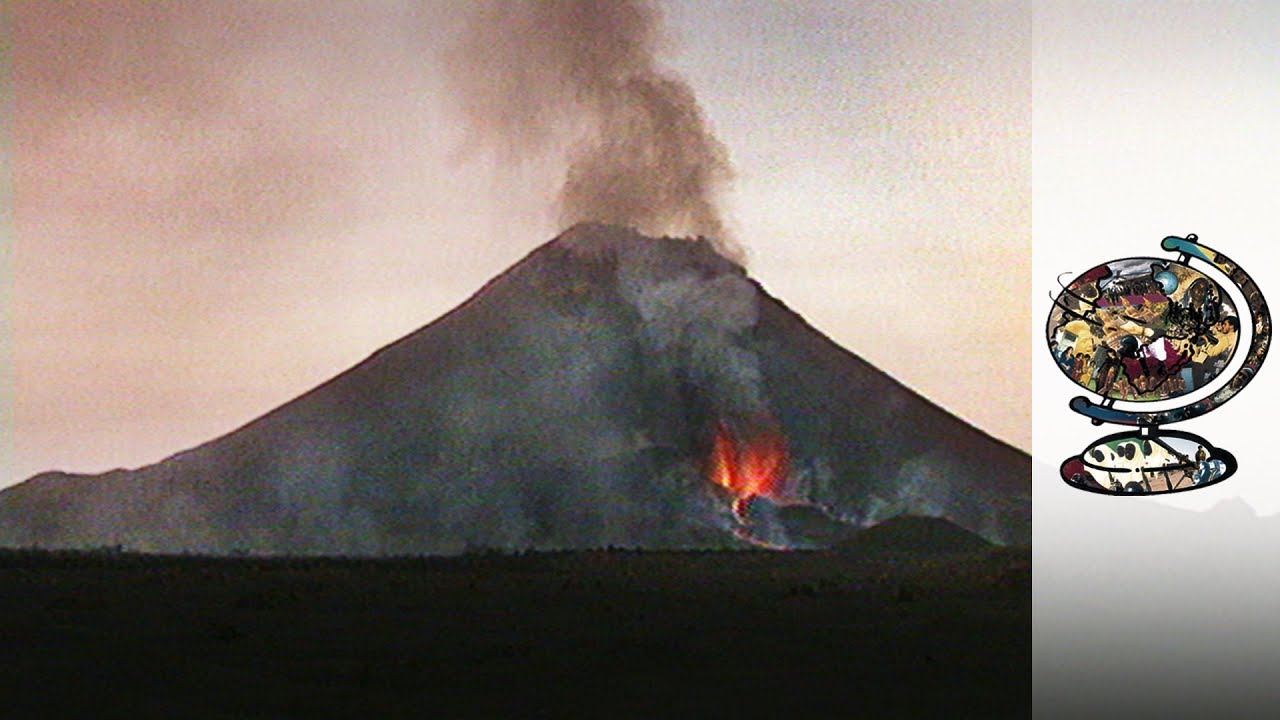
The 1995 eruption of Fogo volcano in Cape Verde forced the evacuation of residents, highlighting the emotional and logistical challenges faced by authorities.
Three years after the earthquake, Christchurch struggles to rebuild lives and the city.
Nearly $2 billion in federal funding for Hurricane Sandy recovery remains largely unallocated, leaving many residents without the means to rebuild their homes.
Tens of thousands died in Turkey and Syria's earthquakes on February 6 due to political failures.
Three days after Hurricane Laura, residents return to Lake Charles to find their homes damaged, with fallen trees and significant roof leaks.
Rescuers from Turkey and Syria search for survivors after earthquakes that killed over 11,000.
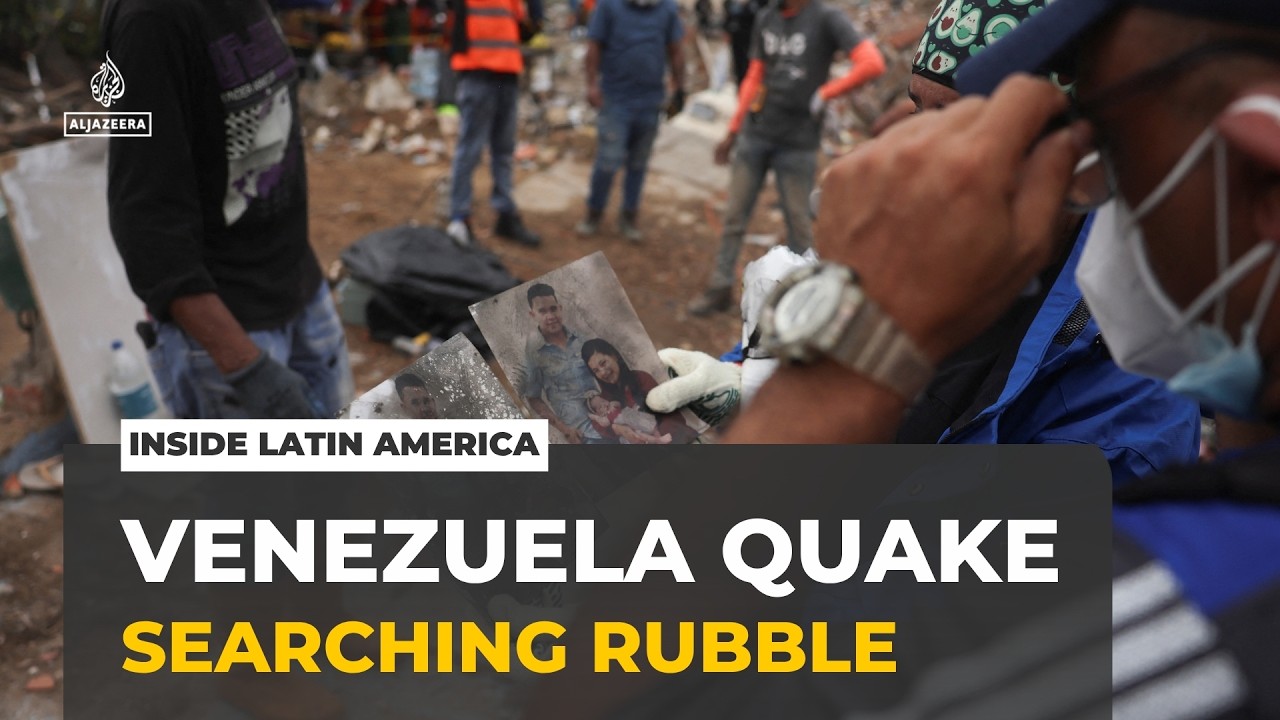
In La Guaira, Venezuela, families search through rubble for loved ones as the government reports a death toll of 4,333 from last month's earthquakes.
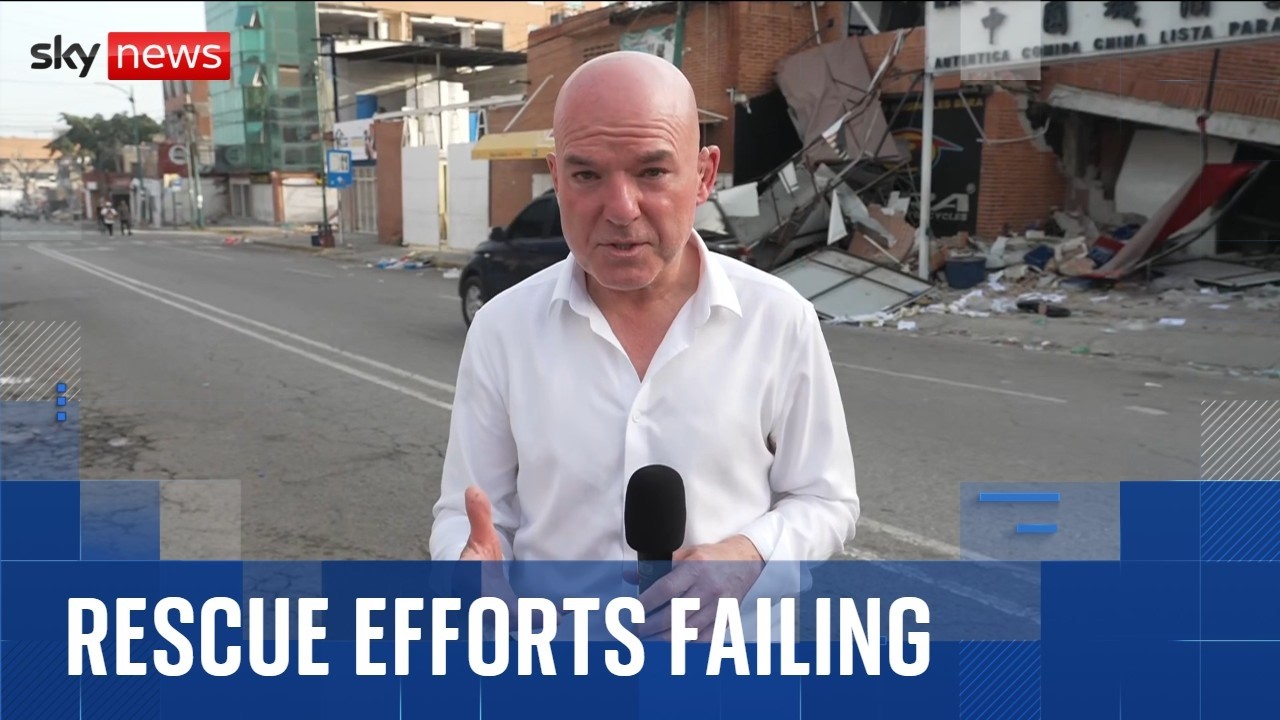
Venezuela's rescue efforts are severely hindered by a lack of equipment and trained personnel following two earthquakes that killed hundreds and left 50,000 missing.
NASA has identified the asteroid Apophis as a potential threat to Earth, with a possible impact date of April 13, 2029.
Athens and Delphi's historical rivalry is examined through the lens of natural disasters and their impact on ancient conflicts and modern interpretations.
In the summer of 1988, wildfires in Yellowstone National Park prompted a reevaluation of wildfire management strategies across the United States.
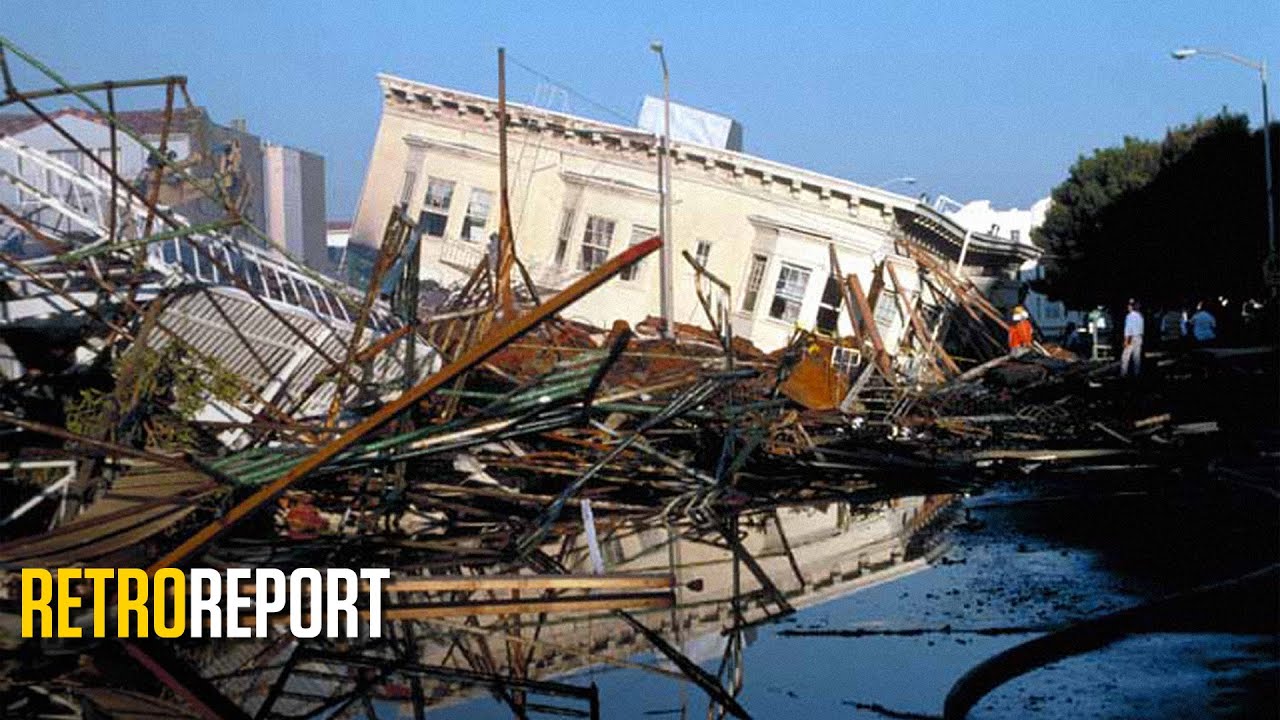
The 1989 San Francisco earthquake prompted significant changes in earthquake preparedness and awareness across the United States.
Cyclone Bhola killed between 250,000 and 500,000 people in 1970, prompting Bangladesh to invest heavily in disaster management and early warning systems.
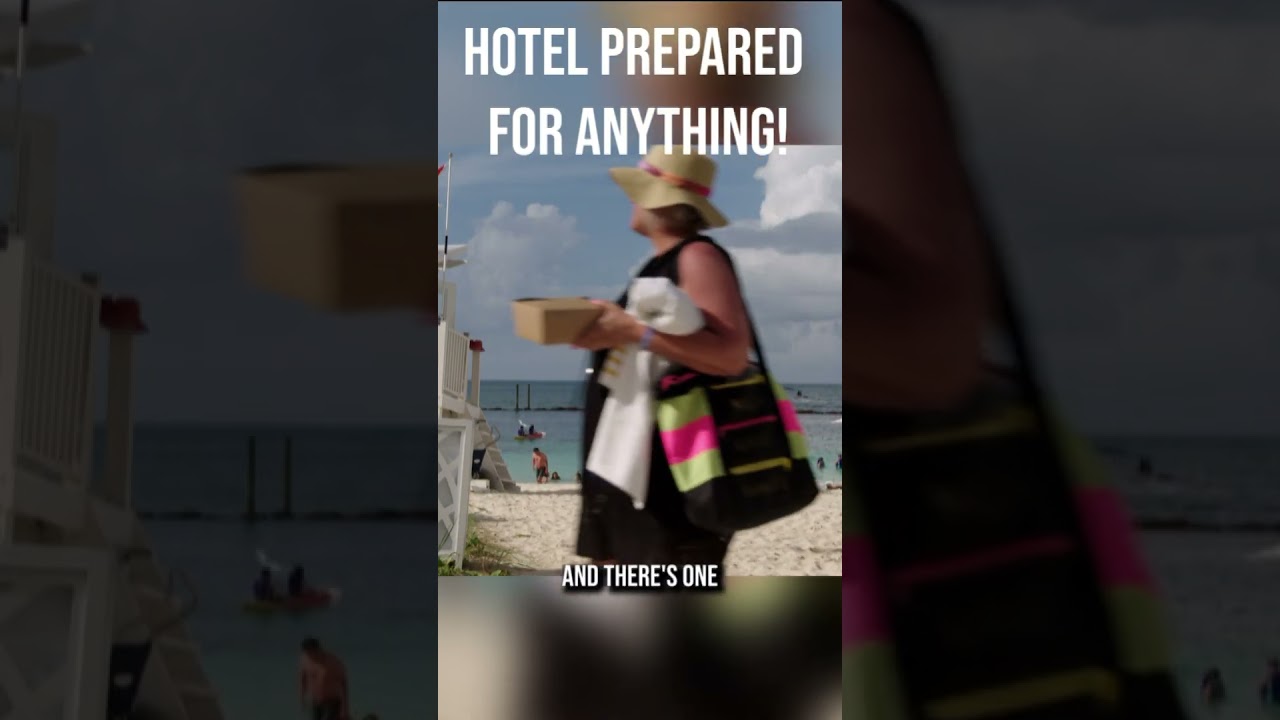
Baha Mar, the world's largest luxury resort in the Bahamas, implements extensive safety measures to prepare for natural disasters while providing high-end guest services.
Over a million people were evacuated in India before Cyclone Phailin made landfall in 2013, thanks to improved weather prediction systems.
Louisiana's housing recovery challenges after Hurricane Katrina influenced disaster response strategies for future emergencies across the United States.
At 5:54 PM on March 10, 1933, an earthquake struck the Los Angeles area, affecting 75,000 square miles and resulting in 120 deaths.
The Mississippi River, a vital resource for power and wildlife, also conceals approximately 10,000 bodies and poses significant flooding risks to surrounding communities.
The Pacific Northwest risks a major earthquake, threatening the Columbia River and local environments.
The Global North has emitted 92% of the CO2 that pushed the planet beyond safe levels, while Asia, Africa, the Middle East, and Latin America contributed just 8%.
Winds in hurricanes can exceed 200 miles per hour, causing extreme rainfall and devastating storm surges when they make landfall.
More than 1.2 billion people are highly vulnerable to at least one critical climate hazard, contributing to a global housing crisis marked by rising costs and gentrification.
The 1989 San Francisco earthquake delivers deadly disasters, including fires and a collapsed freeway.
In Big Sur, California, a devoted dog and two women form a strong bond while fleeing their home due to the largest coastal landslide in the state's history.
Firefighters in Lassen County set fire to 140 hectares of tall grass to create a firewall and reduce fuel for larger wildfires.
Ten feet of salvaged timber and other materials are transformed by artist Pete Clarkson into a memorial for the victims of the 2011 Great East Japan earthquake and tsunami.
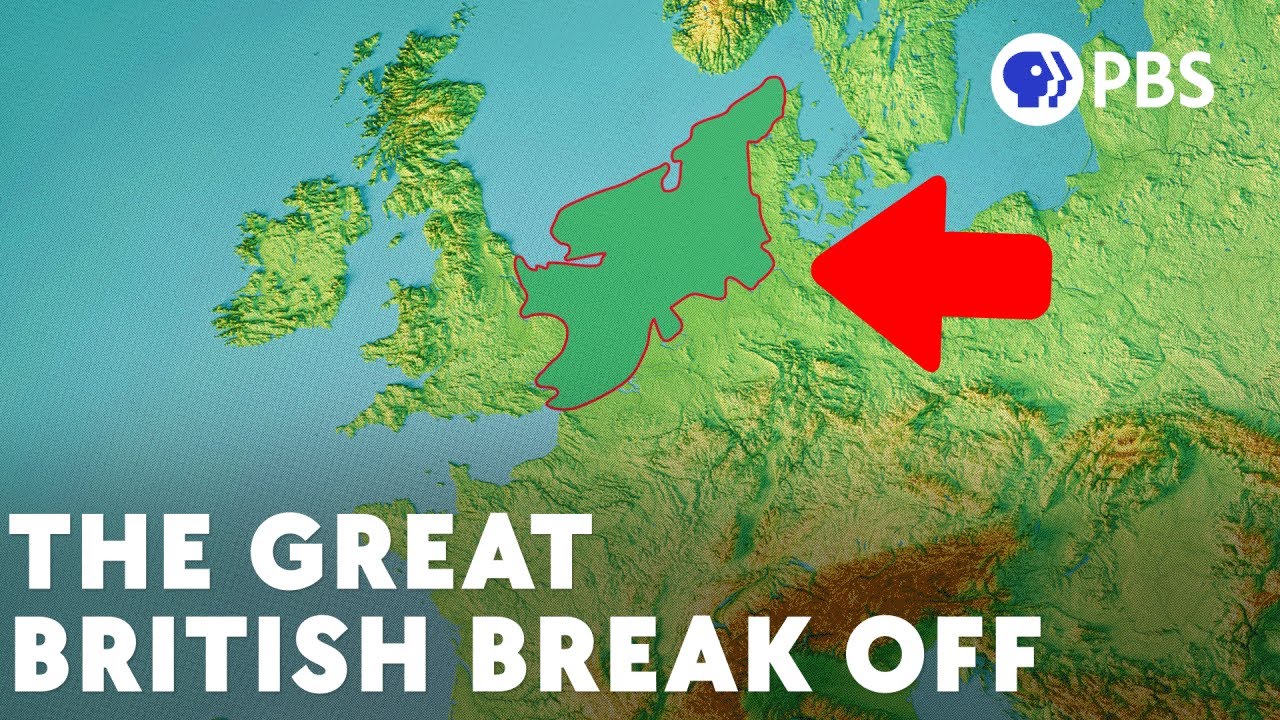
Doggerland, a submerged prehistoric landscape in the North Sea, may have been lost to a megatsunami, highlighting the geological forces that shaped it.
Tornadoes, with wind speeds exceeding 200 miles per hour, are examined through their formation, survival strategies, and the experiences of storm chasers in Tornado Alley.
The Earth's outer layer's origin and mobility are examined through diagrams and unique volcanic footage, illustrating its cyclical activity.
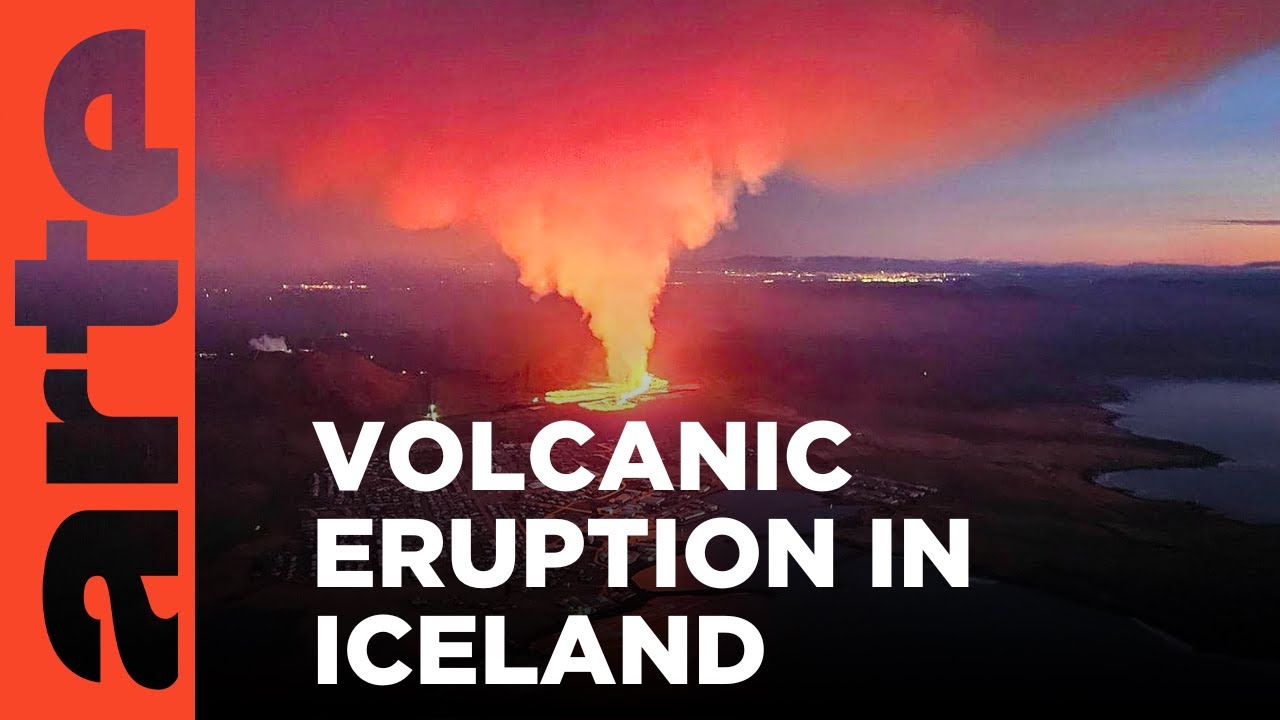
The January 2024 volcanic eruption in Iceland threatened Grindavik, prompting journalists and the public to capture the event while examining volcanic risks.
More than 160 people lost their lives as heavy rain caused rivers to overflow, leading to widespread destruction in towns across western Germany.
More than 130 people died in the July floods that devastated Germany's Ahr Valley, leaving thousands without adequate heating as winter approaches.
In 1976, a devastating earthquake struck Guatemala, resulting in widespread destruction, numerous casualties, and a humanitarian crisis requiring urgent aid and medical assistance.
Over 2,000 local residents lost their lives in the August 14, 2021, magnitude 7.2 earthquake that struck southwestern Haiti, leaving 160,000 families homeless.
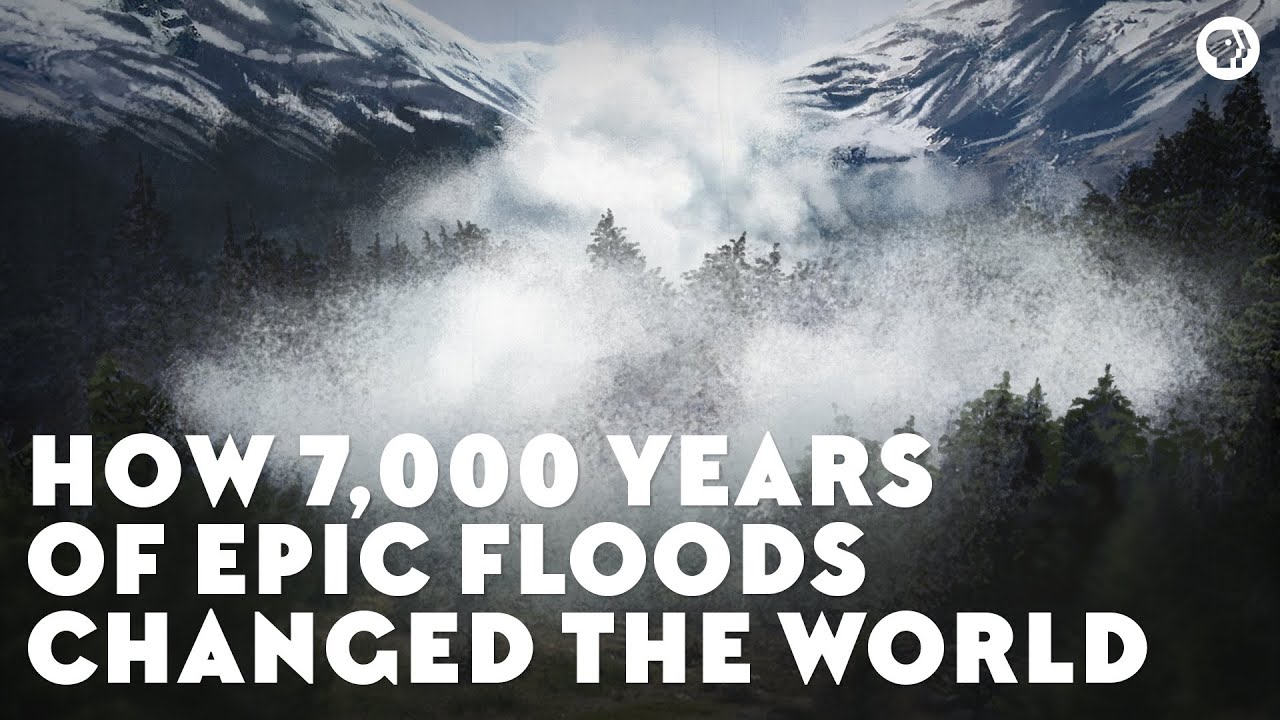
In the Pacific Northwest, ancient geologic landmarks reveal the impact of over 7,000 years of catastrophic floods, reshaping the region's landscape and ecology.
In September 2017, a powerful earthquake struck central Mexico, prompting a massive grassroots rescue effort captured through innovative drone footage by filmmakers Santiago Arau Pontones and Diego Rabasa.
Hurricane Otis, which devastated the Mexican coast in 2023, exemplifies the increasing intensity of storms linked to climate change and the role of satellite imagery in public awareness.
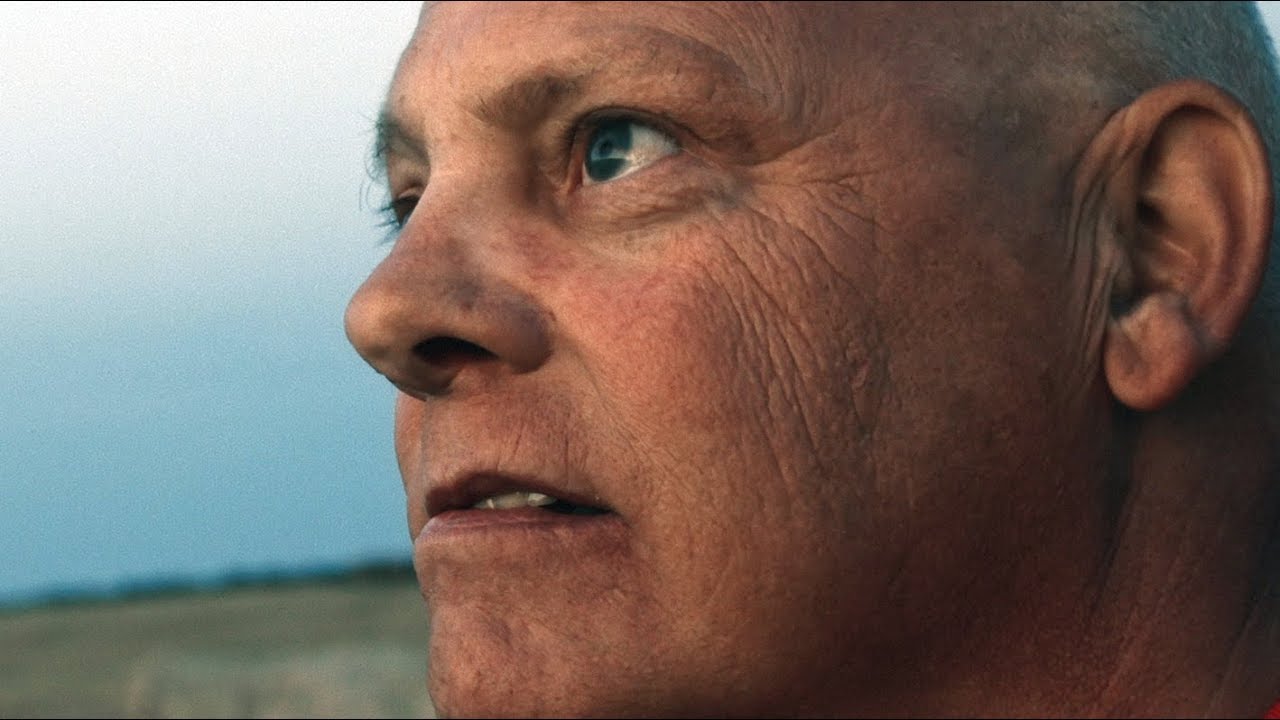
Mark Zabawa receives a call from the hospital with his test results, learning he is cancer free just before chasing tornadoes.
Almost 300 people died in the August 2016 earthquake that destroyed Amatrice, leaving the town in ruins a year later with little progress in recovery.
275 miles northwest of Dutch Harbor, crews face dangerous storms while struggling to catch crabs during a challenging opilio season.
Eminent scientists warn of a potential megatsunami from La Palma's landslide.
Extreme lightning strikes in Texas and Florida are captured on dashcams and CCTV, showcasing the immense power and speed of these natural phenomena.
Wildfires play a crucial role in various ecosystems, providing hunting opportunities for species that adapt to these natural events.
Staten Island residents share their experiences during Hurricane Sandy's devastation.
The 2004 Indian Ocean tsunami devastated Thailand and surrounding regions, showcasing the catastrophic impact of natural disasters through significant events caught on camera.
Patrick Meier uses real-time data and mapping technologies to improve the efficiency of humanitarian relief efforts during global emergencies.
90% of Puerto Rico's population lost electricity after Hurricane Maria, leaving many residents in Salinas struggling to rebuild their lives.
In 2011, the Dai-ichi Nuclear Plant in Fukushima experienced a catastrophic meltdown, prompting Japan's plans for residents to return to the affected area.