From over 100,000 films, discover the handful you'll love.
Free or premium access to the world's largest documentary library.
409 films(Page 2 of 9)
A critical phone line fails, leaving the remote community of Port Protection, Alaska, isolated and forcing residents to rely on their resourcefulness.
In Pittsburgh, an off-duty police officer risks his life to save a driver trapped in a burning car, while rescue teams face perilous situations across various locations.
Off the coast of Brittany, fishermen like Olivier Mével and storm chaser Jean-René Keruzoré navigate the perilous Raz de Sein, capturing the ocean's fierce beauty and danger.
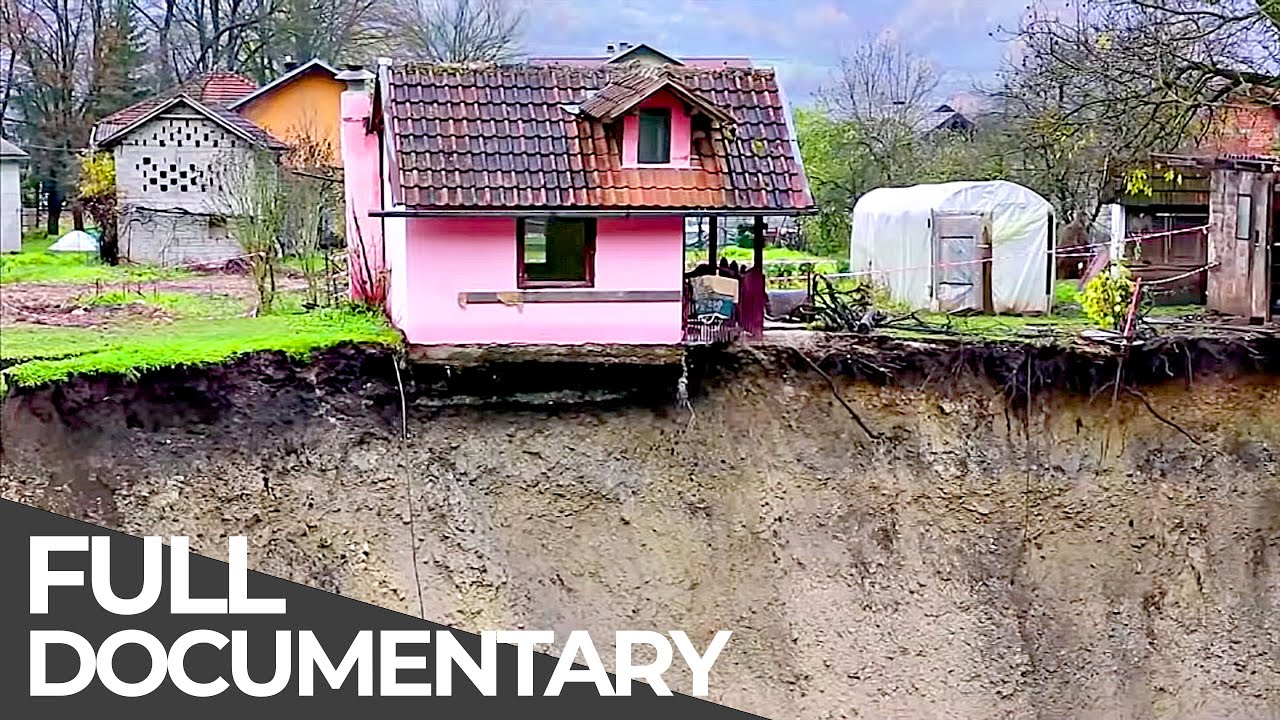
Naked Science follows Randy Jibson investigating the causes of deadly landslides throughout history.
In 1906, San Francisco experienced a catastrophic earthquake that reshaped the city and highlighted the vulnerabilities of urban infrastructure.
A trained marksman teaches his children to forage and eat bugs as part of their preparation for a potential series of dirty bomb attacks in the U.S.
In 2003, a severe heatwave in Europe resulted in approximately 70,000 deaths, highlighting the deadly impact of rising global temperatures and carbon emissions.
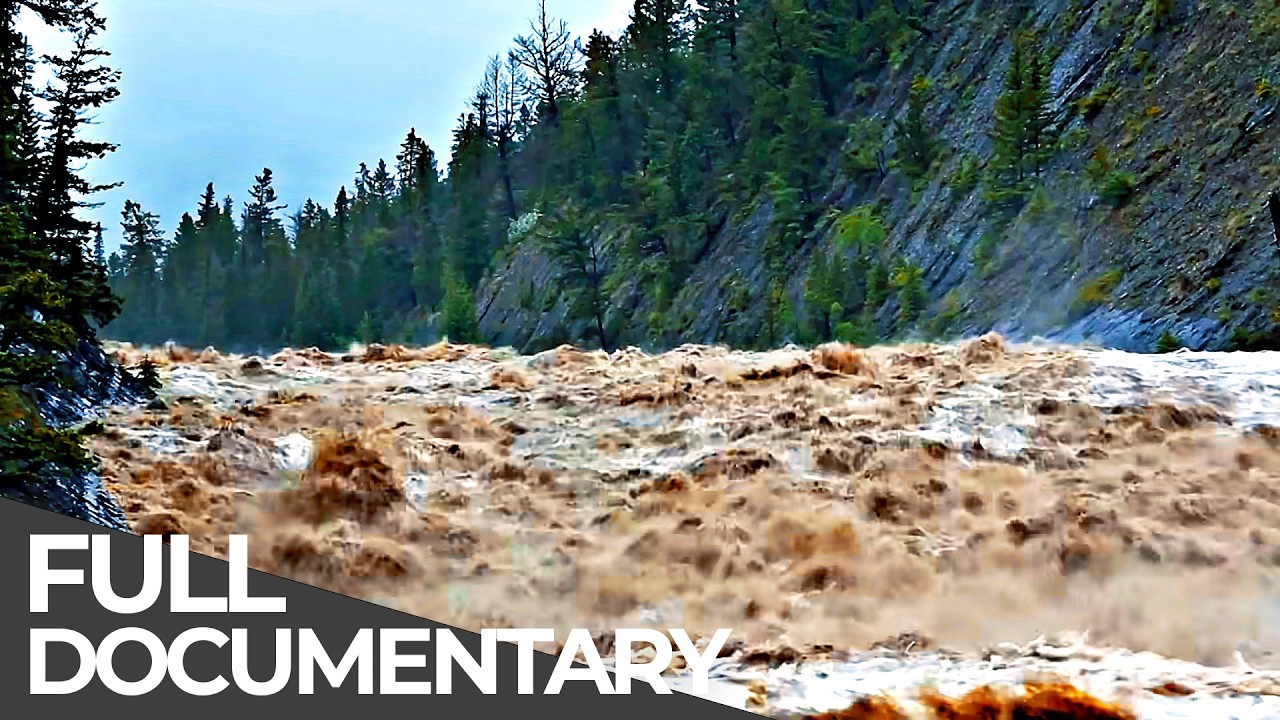
In 2013, relentless torrential rains in Alberta, Canada, caused the “Flood of Floods,” displacing over 100,000 residents and resulting in billions in damages.
The Great Lakes of North America were formed over 4.5 billion years through geological processes including volcanic activity, floods, and asteroid impacts.
3,000 buildings were damaged and nearly 1,500 people were injured when a meteor exploded over Chelyabinsk, Russia, in February 2013.
Hurricanes, powerful tropical cyclones with wind speeds up to 230 miles per hour, pose increasing risks as climate change intensifies their unpredictability.
Geological disasters, including heat waves in New Delhi and landslides, can cause significant casualties and suffering, rivaling more catastrophic events like earthquakes and volcanoes.
Up to 1,836 people died during Hurricane Katrina in August 2005, which caused widespread flooding and destruction in New Orleans and along the Gulf Coast.
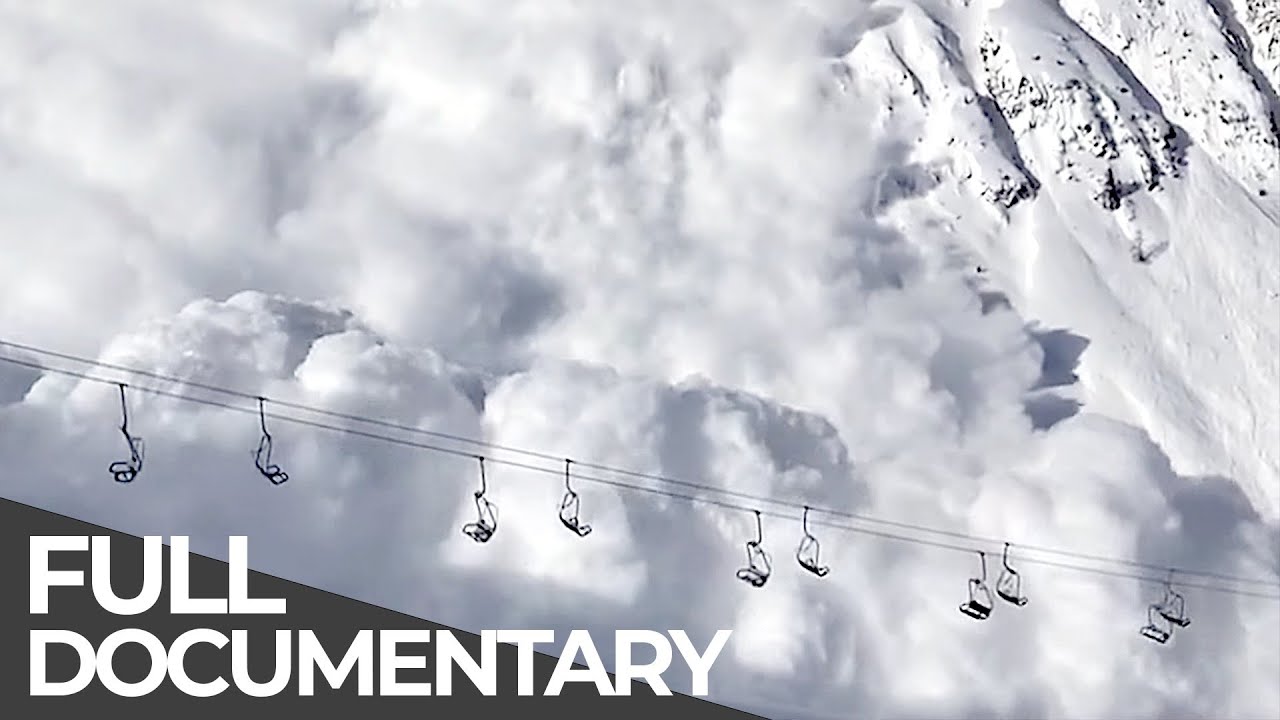
Avalanche blasters, cold weather workers, tornado hunters, iceberg cowboys, and airspace surveillance systems highlight some of the world's most challenging and dangerous jobs.
Asteroids cause death and destruction on Earth, as shown in Season 1, Episode 10.
The 2016 Disaster Diaries captures La Nina's powerful impact on global weather in Ultra High Definition.
A 31-meter tall lighthouse on Nantucket Island is at risk of falling off a cliff, prompting a team to move it to safety before winter storms arrive.
A tornado measuring more than two and a half miles wide struck Moore, Oklahoma, in May 2013, producing winds that reached 300 miles per hour.
In Ohio, a man’s dreams predicted a plane crash, while a boy’s premonitions saved his family from Mount St. Helens, and a California man foresaw Hurricane Katrina.
Geologist Dr Iain Stewart examines how earthquakes create fault lines that facilitate the rise of materials, influencing volcanic activity, mineral deposits, and natural health spas.
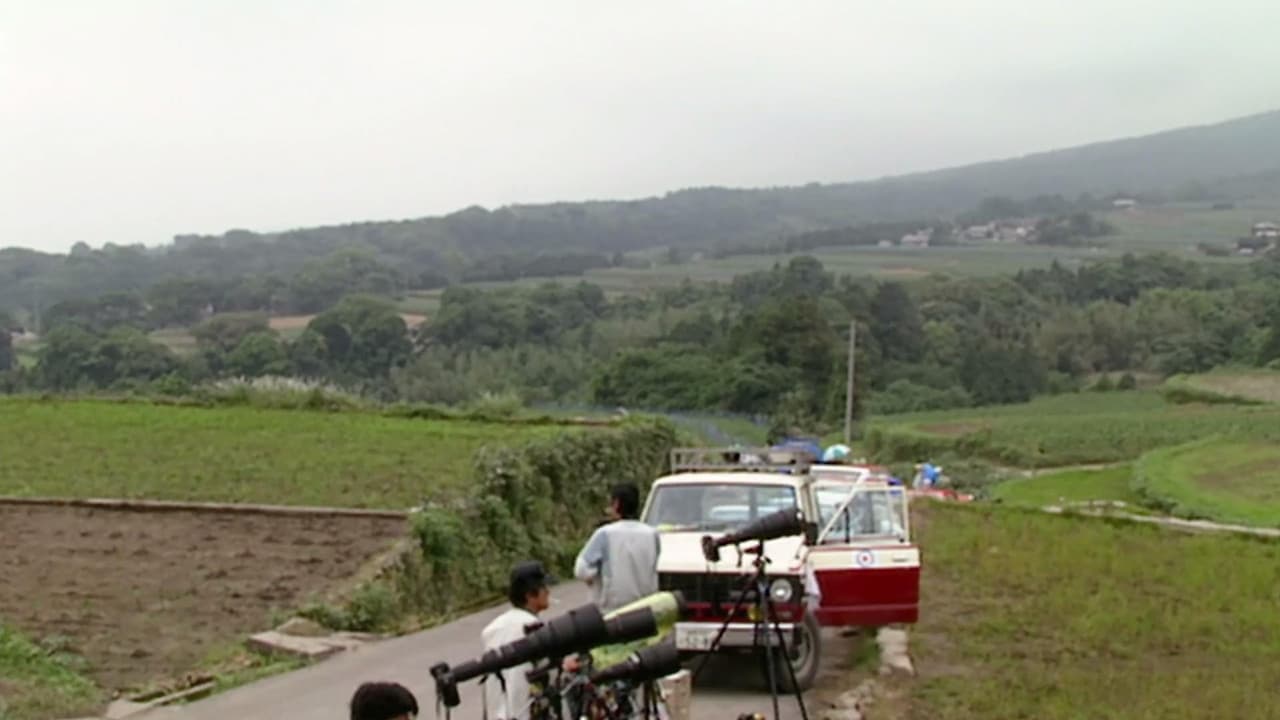
After 200 years of dormancy, the Fugen-Dake volcano erupts in June 1991, leading to a crisis that claims several lives among those documenting the event.
A 20-meter wall of water struck the coast of Thailand on December 26, 2004, leaving hundreds of thousands fighting for their lives.
A storm surge of 10 meters above normal inundated Gulfport, Mississippi, during Hurricane Katrina, one of the deadliest storms in U.S. history.
Natural disasters such as tsunamis, volcanic eruptions, and forest fires are interconnected phenomena that act as climate regulators, revealing a complex natural world.
128 passengers and crew died in the 1956 plane crash at the Grand Canyon, leaving wreckage and debris that still litter the site today.
Blizzards, characterized by extreme cold, heavy snowfall, and high winds, disrupt daily life and challenge communities from Canada to Northern China each winter.
In May 1980, Mount St Helens erupted in Skamania County, Washington, causing the largest subaerial landslide in recorded history and altering the landscape significantly.
Train crashes and plane disasters, including notable incidents like the 2001 American Airlines Flight 587 and the 2004 South Asia tsunami train wreck, highlight the dangers of travel.
Hurricane Humberto produced hurricane force winds and gales for two days before it dissipated 600 miles south of Newfoundland.
Ancient civilizations are examined through historical, religious, and mythic accounts of their destruction by natural disasters such as volcanoes and earthquakes.
Hurricane Gustav caused 13 billion dollars in damage and left two million people without power for weeks across the southern United States.
In La Palma, the Cumbre Vieja eruption has destroyed over 3000 homes, prompting volcano expert Chris Horsley to assess the human and environmental impact.
The May 18, 1980, eruption of Mount St. Helens in Washington's Gifford Pinchot National Forest is recounted through reenactments and personal recollections.
Chernobyl's radioactive fallout has caused an estimated 200,000 deaths across Russia, Belarus, and Ukraine since the disaster in 1986.
Over 100 major tsunamis have struck in the past century, killing hundreds of thousands and causing billions in damages.
In September 2021, the volcanic eruption on La Palma, Spain, forced the evacuation of thousands as lava destroyed homes and reshaped the landscape.
In China and India, long-haul truck drivers like Guo Quan and Yogita navigate perilous highways and extreme weather to deliver essential goods.
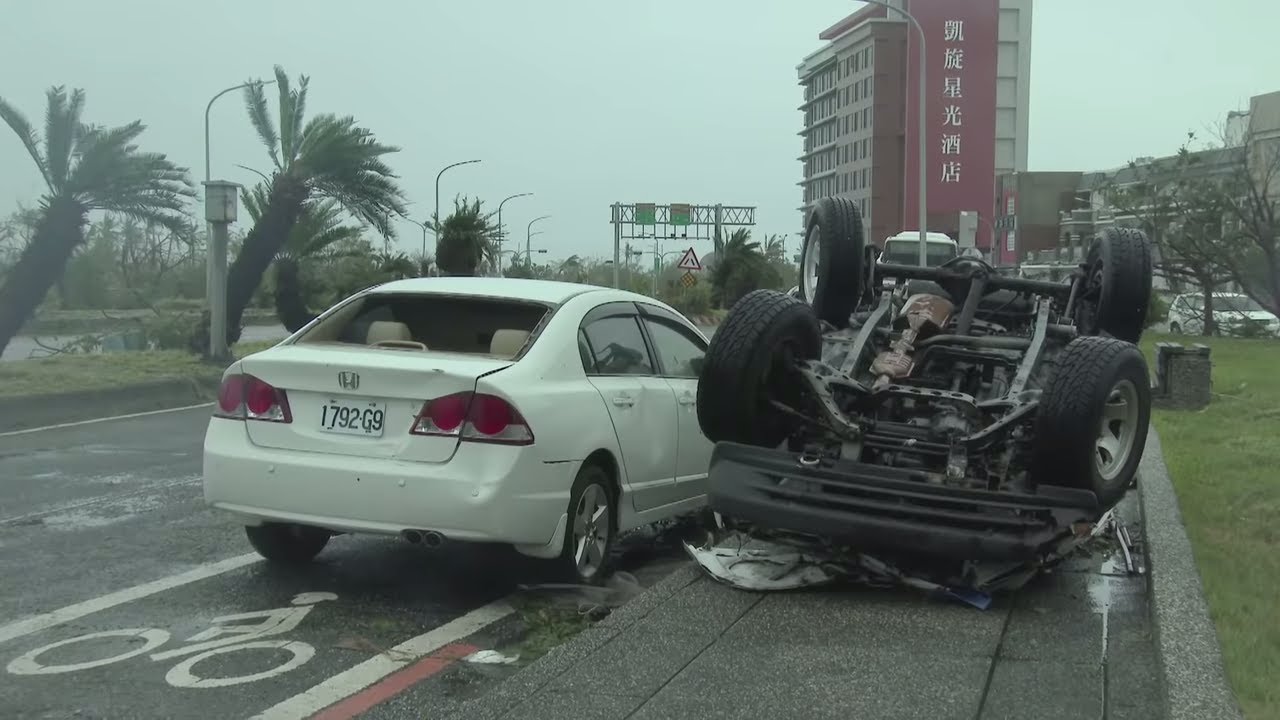
500 millimeters of rain fell on Taiwan in 24 hours during a record-breaking typhoon, marking one of the extreme weather events of 2015.
A massive three-mile wide comet that struck the Indian Ocean 4,800 years ago may have caused the Biblical Great Flood, as explored in Season 2, Episode 1 of Mega Disasters.
In Egypt's Nile, scholars analyze the first six plagues from the Old Testament, linking ancient texts to modern scientific findings on environmental factors.
More than half of the world's population now lives in cities, placing hundreds of millions within striking distance of a major earthquake.
Temperatures could plummet to below zero even at the equator during a potential snowball Earth scenario, threatening human survival and ecosystems.
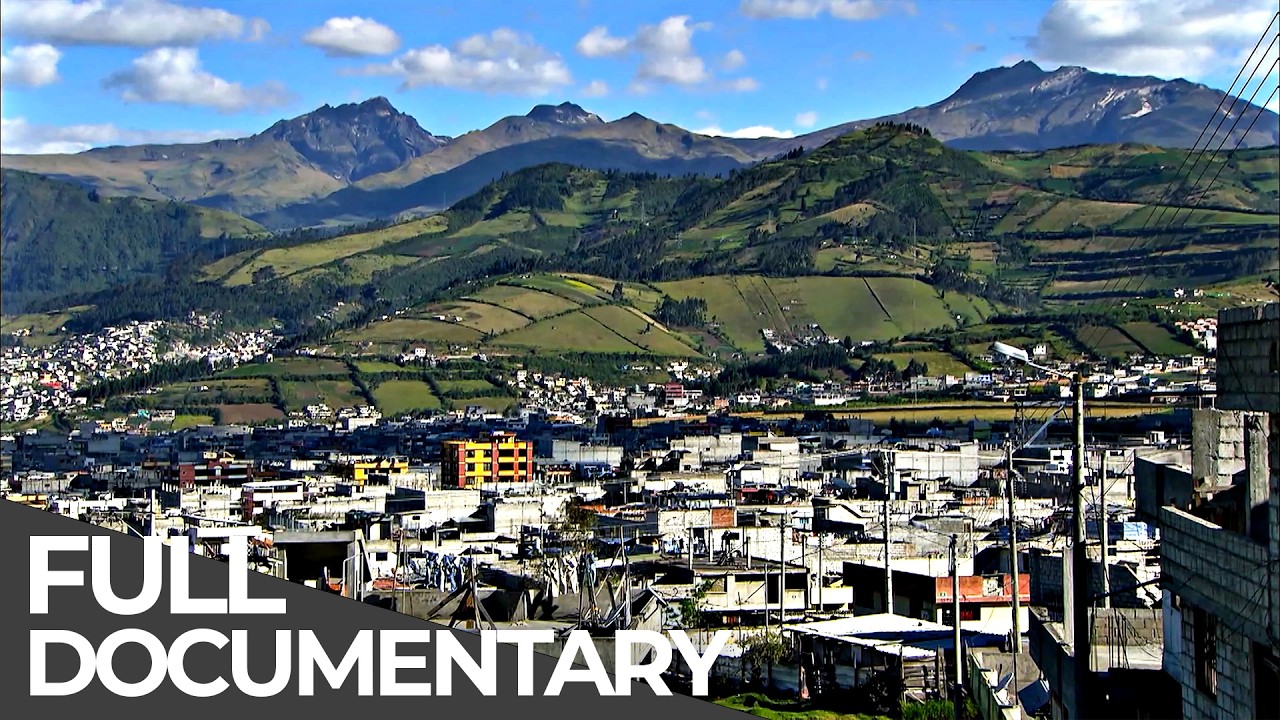
Cotopaxi, one of Ecuador's most iconic volcanoes, poses a significant threat to Quito due to potential eruptions that could trigger devastating landslides.
In a world where humanity has vanished, catastrophic events such as deadly outbreaks and toxic waters threaten the survival of the planet.
India's wildlife, including the Asiatic wild buffalo and Indian rhinoceros in Kaziranga, adapts to the extreme conditions of the monsoon season.
Geological forces such as volcanic activity, erosion, and tectonic shifts have shaped iconic landscapes like the Grand Canyon, Hawaii's islands, and the Rocky Mountains.
In 2008, China's monster quake claimed 80,000 lives, prompting vital recovery efforts and discoveries.
In post-Hurricane Katrina Louisiana, Python Hunters collaborate with a biologist to address the challenges posed by invasive reptiles in the region's wildlife.