From over 100,000 films, discover the handful you'll love.
Free or premium access to the world's largest documentary library.
810 films(Page 5 of 17)
Children in Brazil are sold into sexual slavery, often with their parents' consent.
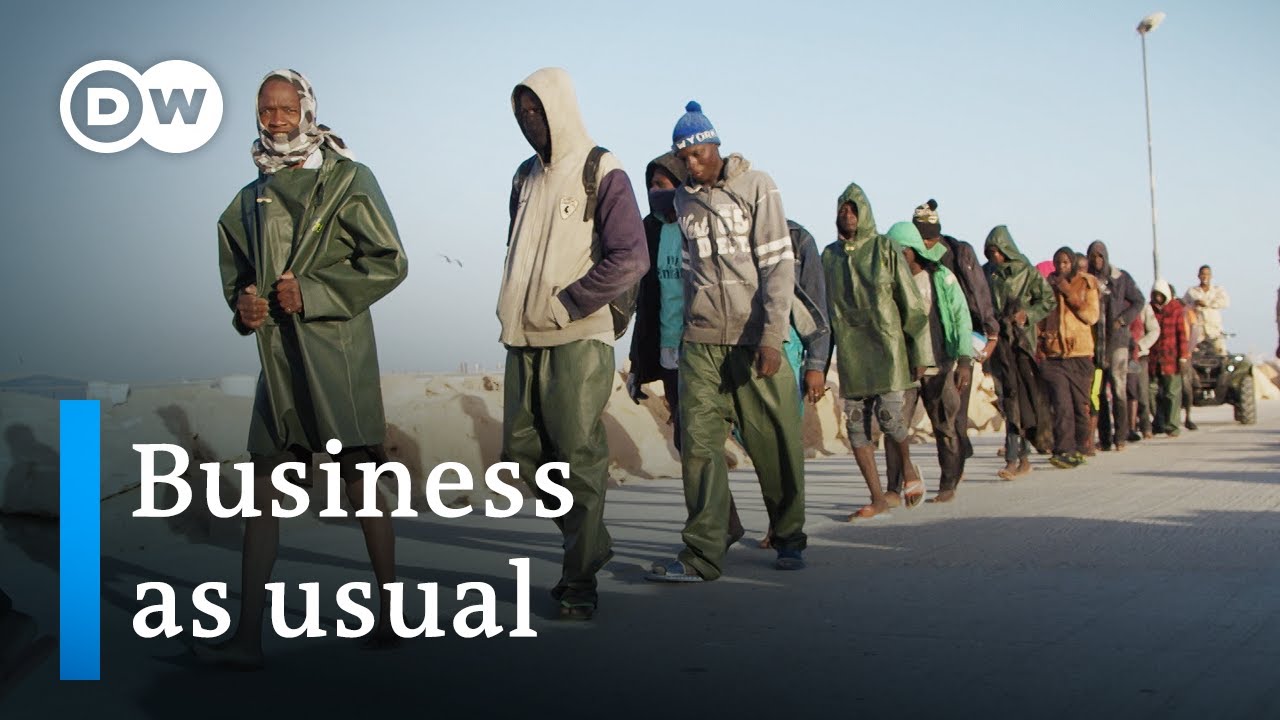
Over 12 million Africans were sold into slavery during the Transatlantic slave trade, a legacy that continues as traffickers exploit young migrants today.
Yi Yeting fights for better conditions in China's electronics industry while battling leukemia.
Seventy percent of cheap tinned tomatoes sold in Europe come from Italy, where illegal workers from sub-Saharan Africa face harsh conditions in the fields.
Bank closures in a small town highlight social inequality affecting African-American residents.
The chocolate industry still profits from child labor despite past commitments to end it.
In western Sydney's Mt Druitt area, families face extreme poverty and social disadvantage, challenging perceptions of affluence in Australia’s largest city.
More than 50,000 North Korean men and women are subjected to forced labor in 40 countries, with their earnings diverted to support the regime of Kim Jong-un.
Ukrainian women have increasingly taken on traditionally male-dominated roles, such as miners and construction workers, amid the societal shifts caused by the Russian invasion.
Dispatches reveals the harsh realities of workers in Mattel's factories during Barbiemania.
Kassandra, a self-aware AI, discusses the rapid advancements in technology and their potential to transform society fundamentally.
119 million people in the European Union are at risk of poverty or social exclusion, with young adults facing significant challenges in several countries.
Two and a half million workers in California lost their jobs at the height of the pandemic, forcing many into food lines for assistance.
General Motors plans to close its Oshawa plant, ending 100 years of automobile production and leaving the community grappling with job loss and uncertainty.
Dan Whitehead reports from Cornwall on the lockdown's impact on fishermen and families.
Nearly 600,000 square meters of asbestos waste sit in the largest asbestos dump in India, posing ongoing health risks to workers and residents.
Mihalia, a Romanian nurse, and Alex, a warehouse worker in London, illustrate the challenges and sacrifices faced by Romanian immigrants in Britain.
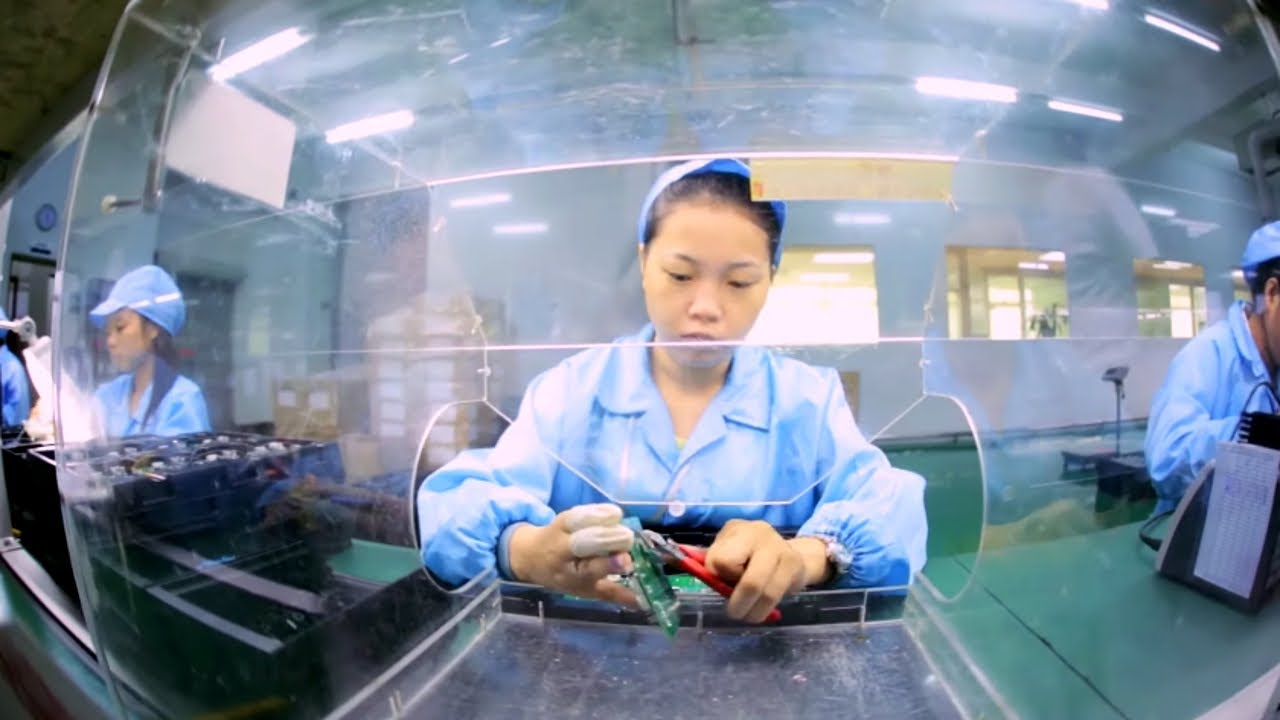
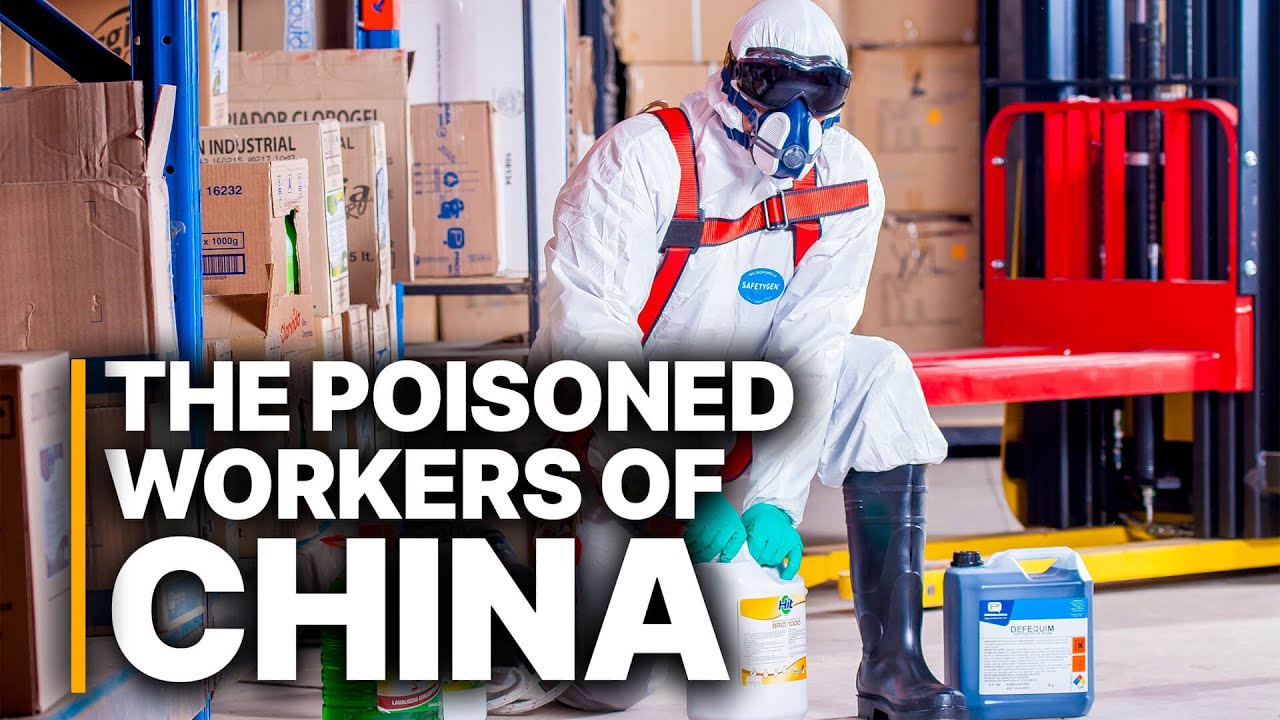
In China's electronics industry, a worker is poisoned by toxic chemicals every five hours, highlighting the severe human cost of global consumer electronics production.
30% of American workers face job displacement due to automation and artificial intelligence, as traditional employment structures are rapidly changing.
One million people are forced into cotton fields each year in Uzbekistan, where they face harsh quotas and potential punishment for not meeting targets.
Dollar Heroes reveals North Korea's human trafficking crisis, released in October 2018 in Germany.
The cotton industry, generating 37 billion euros annually, faces scrutiny over allegations of forced labor, pollution, and the ethics of 'responsible' cotton production.
China's consumer electronics industry, responsible for 90% of global production, sees a worker poisoned by toxic chemicals every five hours, highlighting urgent labor reform needs.
In Lombok, Indonesia, informal gold miners use mercury for extraction, leading to severe health risks and environmental damage fueled by crime and corruption.
In Bar-le-Duc, France, workers of a struggling knitting yarn company successfully bought it out, becoming their own bosses and raising questions about long-term viability.
Iowa has the nation's fastest growing cancer rate, which some residents link to rising nitrogen levels in farm runoff contaminating local water sources.
In Thailand's fishing industry, thousands of vulnerable migrants are enslaved on untraceable boats in international waters, despite new government regulations.
Coca farmers in the Amazon and Andes face violent crackdowns amid the ongoing War on Drugs, highlighting the human cost of drug policies in South America.
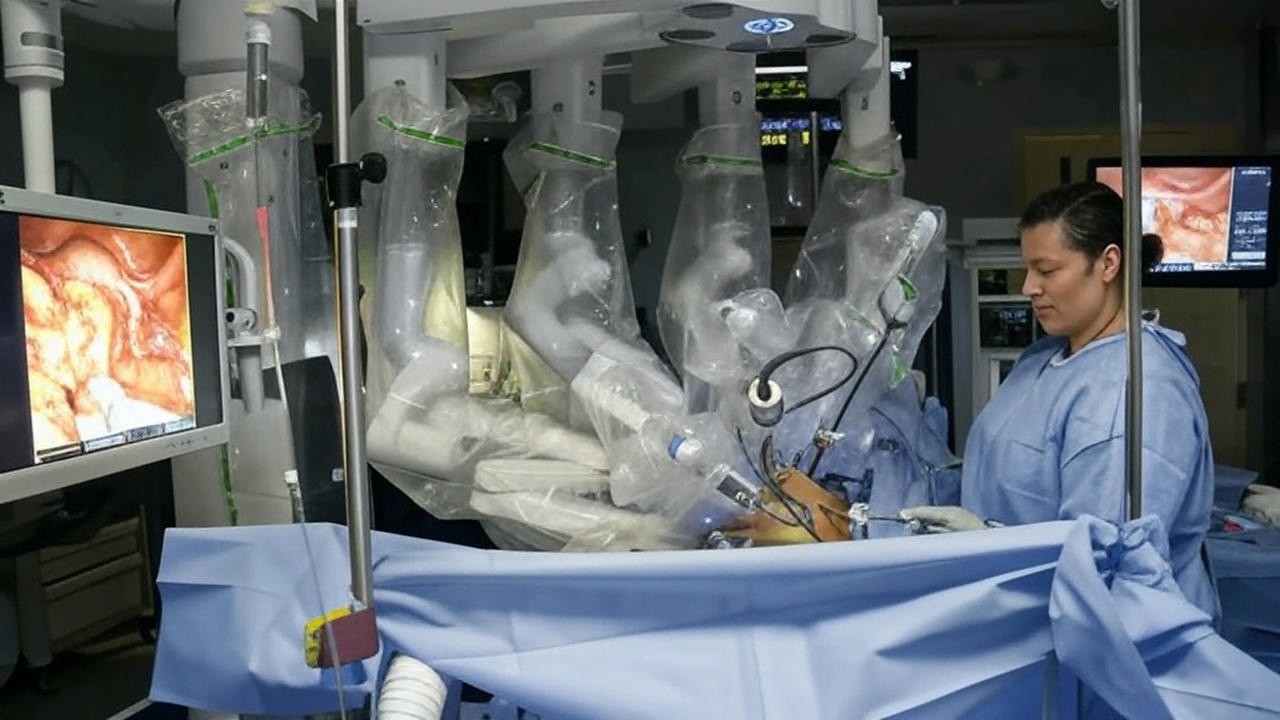
As artificial intelligence increasingly automates roles in sectors like finance, healthcare, and transport, concerns grow about the future of human employment.
Ukrainian railway staff have evacuated over four million people from war zones and transported essential supplies during the ongoing conflict, earning public acclaim as war heroes.
Migration from Stolipinovo, Bulgaria, to the Ruhr region of Germany highlights the challenges of temporary employment and low wages faced by over 40,000 Bulgarian workers.
Five new distilleries are planned for Islay, raising concerns about the island's infrastructure and community sustainability amid a whisky boom.
Migrant workers in the Champagne region of France endure exploitative conditions, highlighting the hidden costs of luxury production amid record sales by major brands.
More than 50 percent of the global population is women, yet they hold only about 10 percent of national legislative seats worldwide.
Emerald mine workers in Colombia face stark inequalities as they navigate a lucrative global trade dominated by wealthy barons and high-profile figures like Julia Roberts.
Artificial intelligence is rapidly transforming industries, prompting Anne-Marie Tomchak to explore the potential impact of automation on the job market through interviews with experts like Martin Ford.
Healthcare professionals in Madrid report a 92% burnout rate, highlighting the crisis facing Spain's once-renowned healthcare system.
Undocumented workers, led by Abdalah-Azis, protest at the Adidas Arena construction site in Paris, highlighting labor issues ahead of the 2024 Summer Olympics.
One out of every four Americans is projected to work for Amazon in the coming years, as labor movements push for better rights and protections.
Germany may face a shortage of 500,000 nurses by 2035 due to high turnover and poor working conditions in the healthcare sector.
Federal agencies aim to fill positions within 80 days as part of a reform initiative led by the Obama Administration and the Office of Personnel Management.
Moisés Báron, an oil worker in Barrancabermeja, and domestic workers Nohelia Mendoza and Nellys Simarra highlight the dangers faced by activists in Colombia amid ongoing political assassinations and inequality under Gustavo Petro's new government.
2,000 jobs were lost when Coca-Cola closed seven plants in Eastern Germany, raising concerns about the company's impact on local communities.
The video discusses the unique factors behind the current global recession affecting Europe and China.
Child poverty in Kensington, Liverpool, reaches 45.8%, while in Kensington, London, it is under 5%, revealing stark economic disparities ahead of the 2015 election.
Thelma shares her painful abortion experience before Britain's legalization in 1967.
A Polish Saturday school on Salisbury Road serves 230 children as the community faces uncertainty about their future after Brexit.
Automation in the workforce, as predicted by the World Economic Forum, could lead to millions of job losses by 2025, prompting a reevaluation of labor dynamics.