From over 100,000 films, discover the handful you'll love.
Free or premium access to the world's largest documentary library.
811 films(Page 4 of 17)
In Civil War-era Washington, DC, women entered the federal workforce for the first time, overcoming discrimination to secure permanent positions.
Pablo, a Chilean emigrant and ex-professor, navigates the challenges of working in a Montréal steel mill while grappling with language barriers and isolation.
Britain's Industrial Revolution is examined through the innovations of engineers like Isambard Kingdom Brunel and Thomas Telford, highlighting monumental structures and social reform.
Pat Schulz, a prominent Toronto feminist and labor activist, is honored for her pivotal role in advancing women's rights, including equal pay and childcare access.
In remote industrial sites, isolated workers contribute to the relentless cycle of production and consumption that fuels modern consumerism.
Two men at a fictional paper company confront a wall of silence that complicates their professional relationship and communication.
Jose proposes to Elizabeth over the phone after losing their mortgage approval, while the film also highlights the struggles of low-wage workers in America.
Calvin Coolidge's administration is highlighted through key events and figures, including Sec. of War James J. Davis and Vice President Charles G. Dawes, in various historical settings.
In 1955, factory seamstress work is portrayed as lacking genuine job satisfaction and advancement, highlighting the contrast between glamor and reality.
15,000 Christmas trees are cut down each year in Denmark, with many sourced from Georgia and other regions.
Women over 40 worked part-time in factories alongside men and schoolboys to meet the demands of war production during World War II in Britain.
Only 3% of clothing sold in the United States is now made domestically, with the remaining 97% produced in developing countries.
In 1975, the United Nations proclaimed International Women's Year to promote equality for women, addressing economic struggles faced by working women.
In Potosí, Bolivia, Stef Biemans examines the historical and contemporary impacts of silver mining on the lives of its residents, where miners face a life expectancy of just 45 years.
Five women share their experiences with workplace discrimination in Canada, addressing the subtle biases that hinder their career advancement.
At strawberry farms across California, immigrant workers labor tirelessly to harvest fruit by hand, embodying the pursuit of the American dream.
In the Dnipropetrovsk region of Ukraine, women miners are filling roles left vacant by men who joined the military following the Russian invasion.
Global shipping routes, from Rotterdam to Los Angeles, reveal the economic complexities and human costs behind the transportation of goods in a consumer-driven world.
In New England, producer Tom Garber highlights the clash between independent fishing traditions and bureaucratic challenges faced by local fishermen.
Elephant tourism raises ethical concerns regarding the working conditions of caretakers in the industry, who often receive little to no compensation for their labor.
Remote work has transformed the workplace and personal lives, exploring its origins, impacts, and uncertainties with humor and intelligence.
Twelve individuals in Allentown, Pennsylvania, share their experiences of financial instability amid rising costs and stagnant wages.
Henry Heinz revolutionized food safety and worker conditions in America, setting new standards in the food industry during the rise of his iconic brand.
Shein's business model has reduced the average unsold inventory level in the fashion industry from 25-40% to single digits.
Ocean fishermen, on-board surgeons, rescue pilots from the French Navy, and icebreaker pilots face extreme challenges and dangers while working on the high seas.
300 drone attacks occur daily in Kherson, where civilians face constant threats as they attempt to carry out their daily routines.
1.5 million children in the United States are homeless, a number three times higher than during the Great Depression.
Over 46.7 million people in the United States live in poverty, despite the creation of more than nine million jobs since the 2009 economic crisis.
Philip Baker, a former hedge fund manager, admits to absconding with $460 million and reflects on the lack of consequences for financial elites after the 2008 crisis.
2.5 million workers in California lost their jobs at the height of the pandemic, forcing many middle-class families to seek food assistance.
Middle-class Americans, like Marc and Selene, face dire economic challenges after the pandemic, struggling with poverty and unexpected medical expenses.
Nine million jobs have been created since the recession, yet many workers struggle to make ends meet while corporate profits continue to rise.
26 states raised their minimum wage in 2014, with Seattle and San Francisco setting the highest at $15 an hour.
Ghanaian farmer Edward migrates to Italy to harvest tomatoes due to market destruction in Africa.
Inflation in Venezuela exceeded 600% in 2021, pushing millions into poverty and forcing many to return to self-sufficient lifestyles in the countryside.
Percy and Beverly Evans, who bought their house 13 years ago for $79,000, now struggle to keep up with mortgage payments amid rising financial pressures.
Nine families in the UK struggle to make ends meet, with a third of workers having less than £100 in savings despite being employed.
Workers like DJ, Jose, Elizabeth, and Percy confront challenges in their fight for fair wages and improved living conditions amid ongoing union activities.
Port-au-Prince faces a gang war, with 80% of the city under control of violent gangs.
One year after the Taliban's takeover, schools for girls are banned, and women like Brishna face threats of violence for advocating their rights.
VICE highlights the matchmaking crisis in China due to the one child policy's gender imbalance.
119 million people in Europe are at risk of poverty or social exclusion, with child poverty threatening to leave another generation behind.
8.2% of Americans faced unemployment during the month covered, as many from the middle class struggle to find stable housing and jobs.
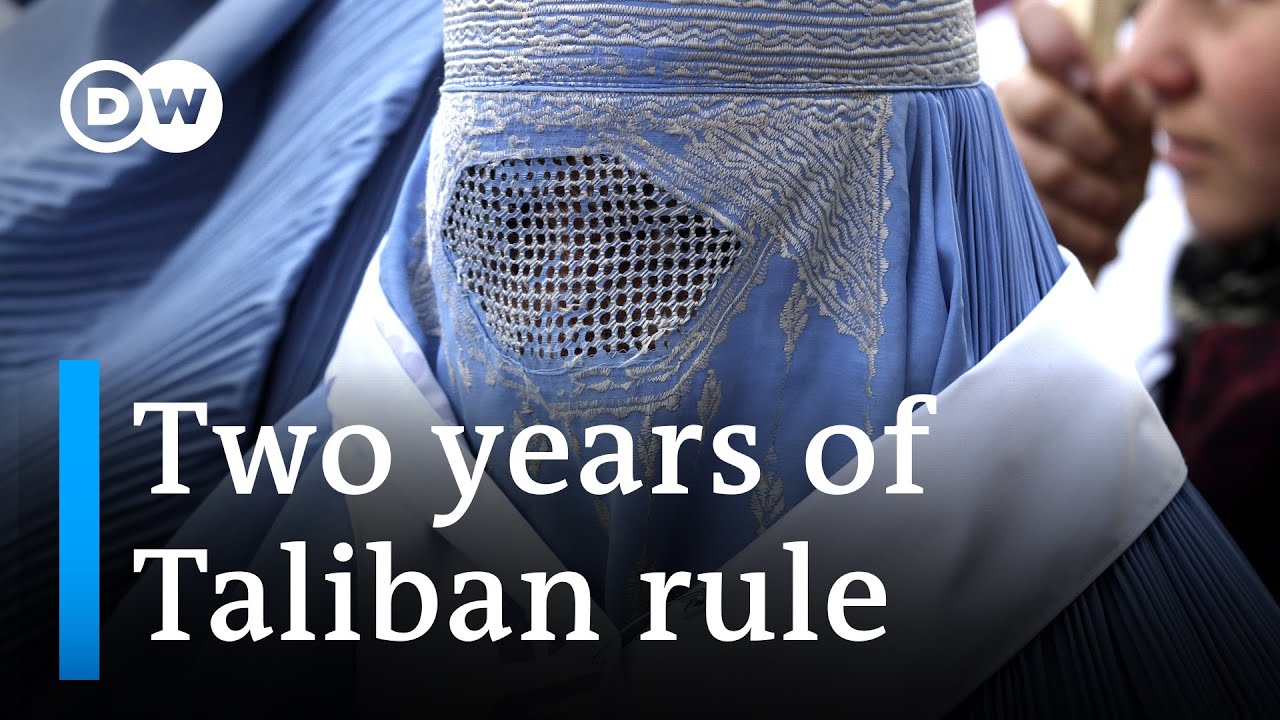
Afghan women face severe restrictions two years after the Taliban's return to power in Afghanistan.
The Mediterranean is becoming increasingly dangerous, with many people risking their lives to reach Spain, where foreign migrants often work for just a few euros an hour.
Children dig in Gaza Tunnels for Hamas, risking their lives in a dangerous conflict.
Kabul's population of four million faces daily threats under Taliban rule, with many residents living in fear of arrest or execution.
One quarter of the world's nickel deposits are located in New Caledonia, where mining operations have been ongoing for several hundred years.