From over 100,000 films, discover the handful you'll love.
Free or premium access to the world's largest documentary library.
1615 films(Page 34 of 34)
Hasan Minhaj spent four years at The Daily Show, where he learned to synthesize news into concise storytelling before creating his own show.
Adam Kinzinger identifies the Charlottesville incident as a significant warning sign about Donald Trump's approach to white nationalism and its implications for democracy.
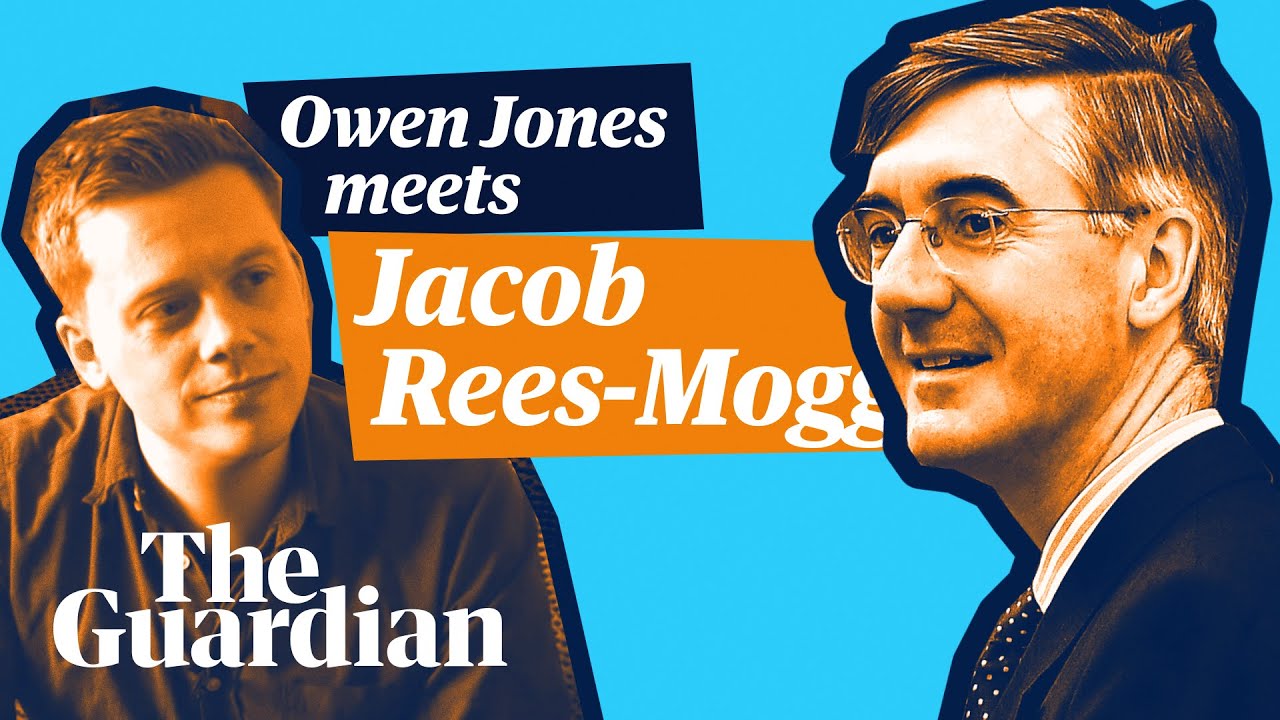
Jacob Rees-Mogg recalls his record for the longest word in Hansard, "floccinaucinihilipilification," during a conversation with Owen Jones.
Jonathan Pie, a fictional news presenter created by Tom Walker, critiques leftist politics and the media's treatment of Jeremy Corbyn during his Labour leadership.
Owen Jones meets Pablo Iglesias, leader of Podemos, on the last day of Spain's general elections to discuss the party's rise and the future of the left in Europe.
In late 2021, President Joe Biden is briefed on Russia's plans for a full-scale invasion of Ukraine, marking a significant escalation since 2014.
Timothy Snyder discusses the urgent intelligence received by Joe Biden's administration in late 2021 regarding Vladimir Putin's plans to invade Ukraine.
In January 2022, President Biden receives a briefing indicating that a Russian invasion of Ukraine is likely to occur soon.
Putin's February 24th speech frames the invasion of Ukraine as a 'special military operation' and identifies the United States as 'Enemy Number One.
In 1999, Antony Blinken recalls optimism about U.S.-Russia relations following the signing of the NATO-Russia Founding Act in Paris.
A 2007 speech by Vladimir Putin marked a shift in Russia's foreign policy, signaling its move from a rule taker to a rule maker on the global stage.
In December 1999, Boris Yeltsin resigned and named Vladimir Putin as his successor, sparking rumors of a deal to protect Yeltsin's family from corruption charges.
David Sanger discusses Putin and Russian interference in the 2016 U.S. election.
Gleb Pavlovsky met Vladimir Putin in the summer of 1998, shortly before Putin became head of the Federal Security Service.
Jake Sullivan discusses the 2009 "reset" meeting between Secretary Clinton and Russian Foreign Minister Sergey Lavrov, aimed at improving U.S.-Russia relations.
James Clapper states that Vladimir Putin views the fall of the Soviet Union as the greatest geopolitical disaster of the 20th century.
On October 7, 2016, Jeh Johnson and Jim Clapper publicly accused the Russian government of attempting to interfere in the U.S. election.
In 2011, Putin viewed the Arab Spring as a threat, fearing it could inspire similar uprisings in Russia and neighboring countries.
Jon Wolfsthal states that Vladimir Putin's paranoia has raised concerns about the potential for conflicts to escalate rapidly to the nuclear level.
By late 1999, President Boris Yeltsin's popularity had plummeted to single digits amid widespread economic turmoil and loss of trust in government institutions.
Mikhail Zygar describes the Russian political system as a "system of collective Putin," where bureaucrats anticipate their superiors' desires without direct orders.
Vladimir Putin served as a midlevel bureaucrat in Dresden during the fall of the Berlin Wall, feeling disconnected from the changes in Russia.
In January 1996, President Clinton's visit to St. Petersburg was marred by his inability to interact with the public, largely due to deputy mayor Vladimir Putin's influence.
Vladimir Putin and his KGB colleagues burned documents in Dresden as they faced the uncertainty of the Soviet Union's collapse in 1991.
On August 9, 1999, Vladimir Putin was named acting prime minister of Russia, a position few expected him to hold for nearly 18 years.
William Burns discusses Putin and Russian interference in the 2016 U.S. election.
Yevgenia Albats discusses Putin and Russian interference in the 2016 U.S. election.
Tariq Ali discusses the 1960s upheavals and his friendship with John Lennon.
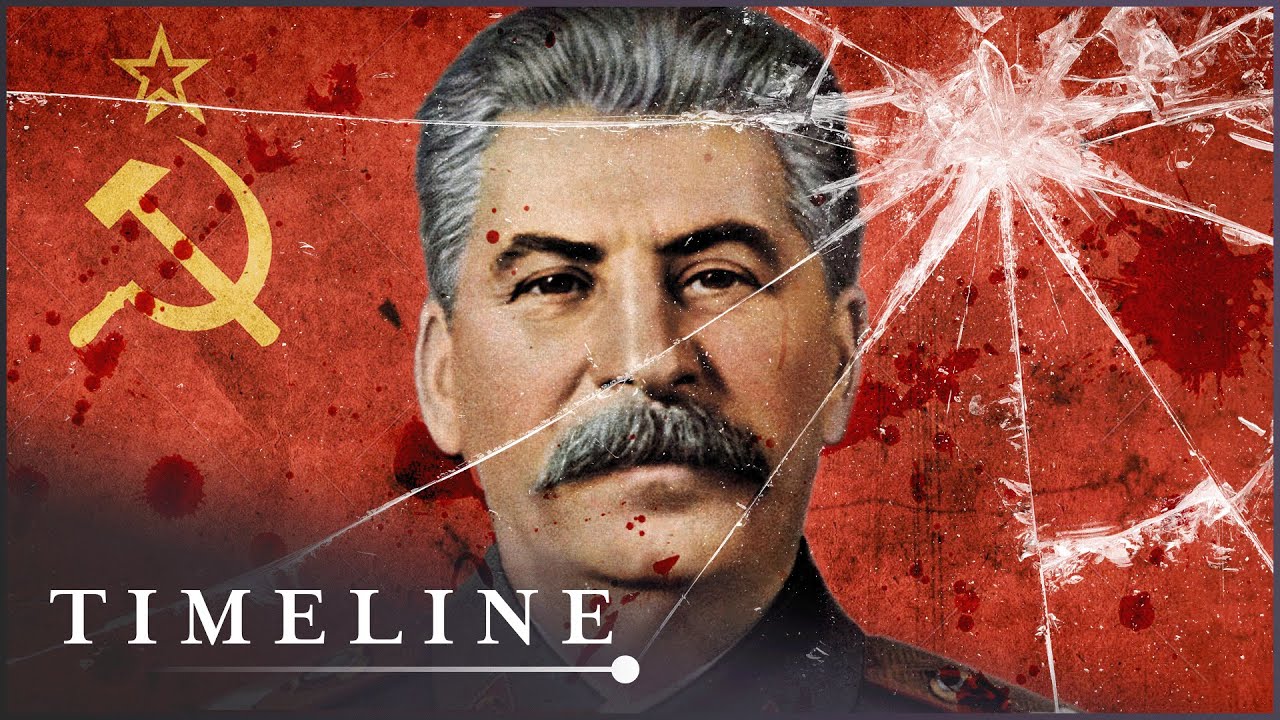
Joseph Stalin rises from Georgian roots to lead the Soviet Union as a feared political figure.
Chancellor Angela Merkel declared multiculturalism a failure, prompting a discussion between Jonathan Freedland and Matthias Matussek on its implications for Europe.
Julia Ioffe discusses national security and foreign policy in her FRONTLINE interview.