From over 100,000 films, discover the handful you'll love.
Free or premium access to the world's largest documentary library.
1615 films(Page 3 of 34)
The Srebrenica massacre on July 11, 1995, saw General Ratko Mladic's forces kill over 8,000 Muslim men and boys, marking a tragic peak in the Bosnian War.
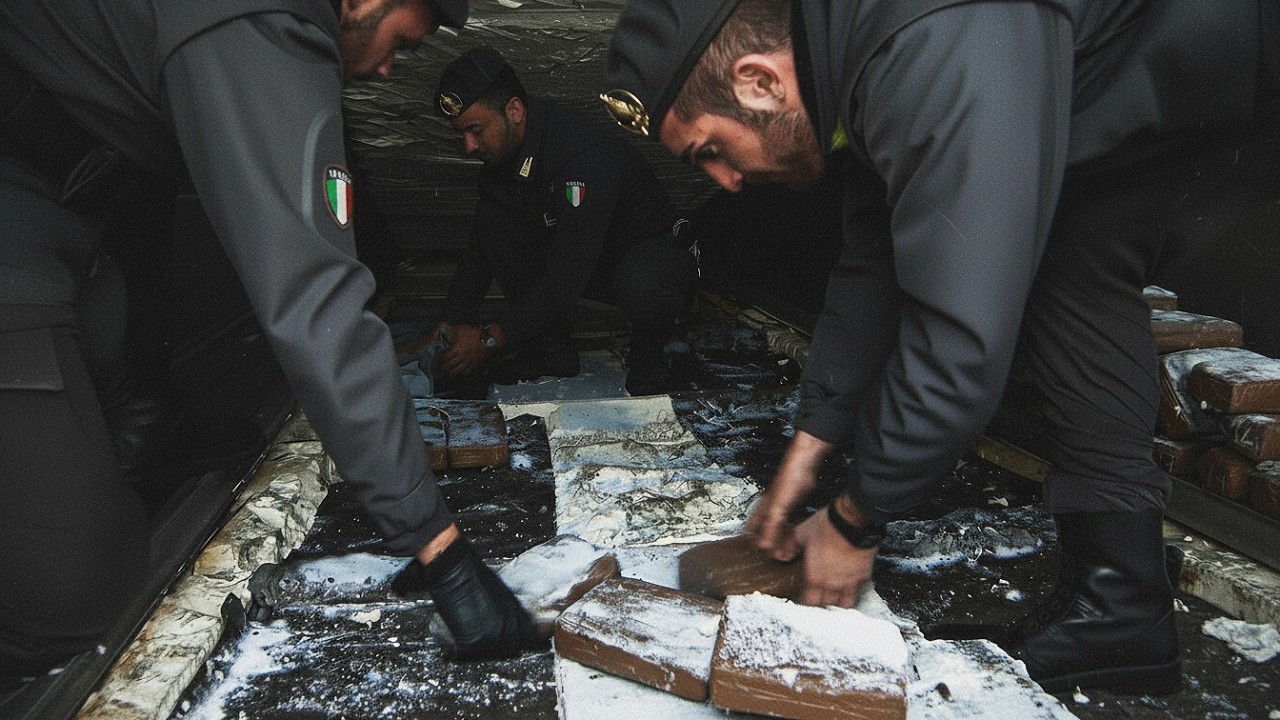
The 'Ndrangheta, a powerful criminal organization from Calabria, generates over €53 billion annually and influences global markets while law enforcement combats its reach.
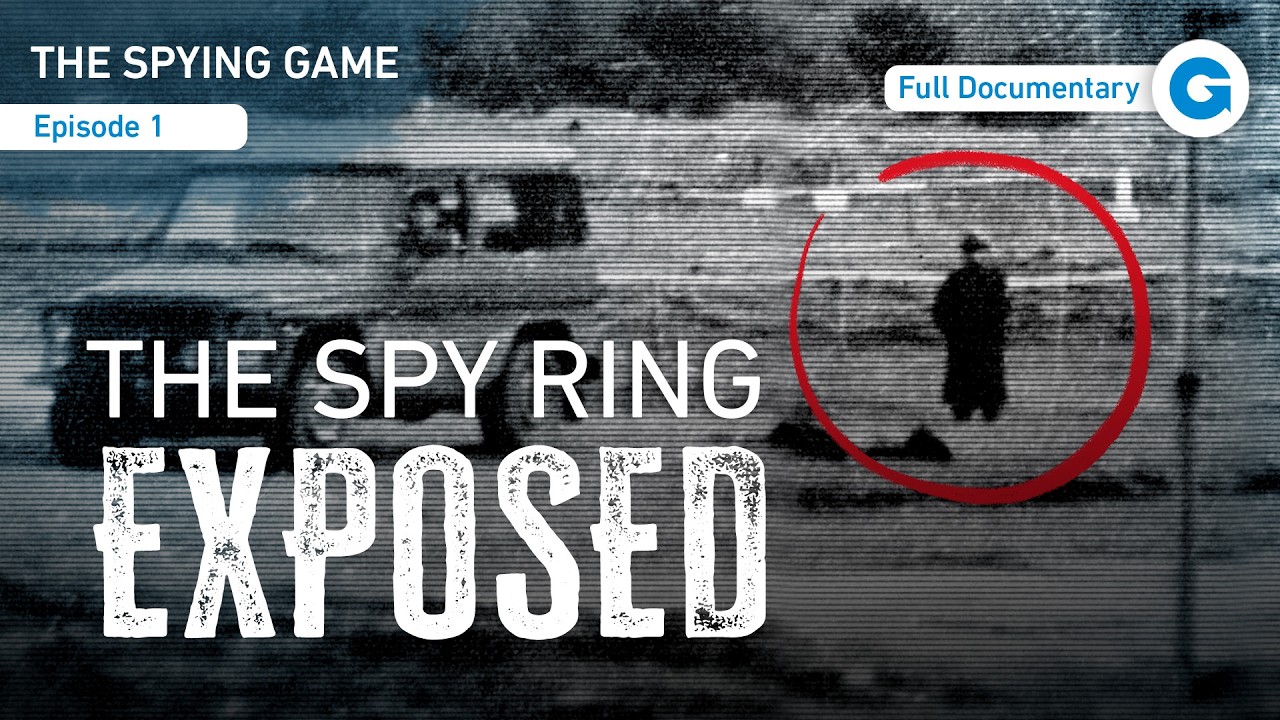
Germany served as a critical intelligence battleground during the Cold War, highlighting espionage efforts by NATO and the USSR, including the 1985 killing of Major Arthur D. Nicholson.
In May 1945, George Stevens captures Germany's unconditional surrender and the subsequent struggles of Berliners amid the devastation of World War II.
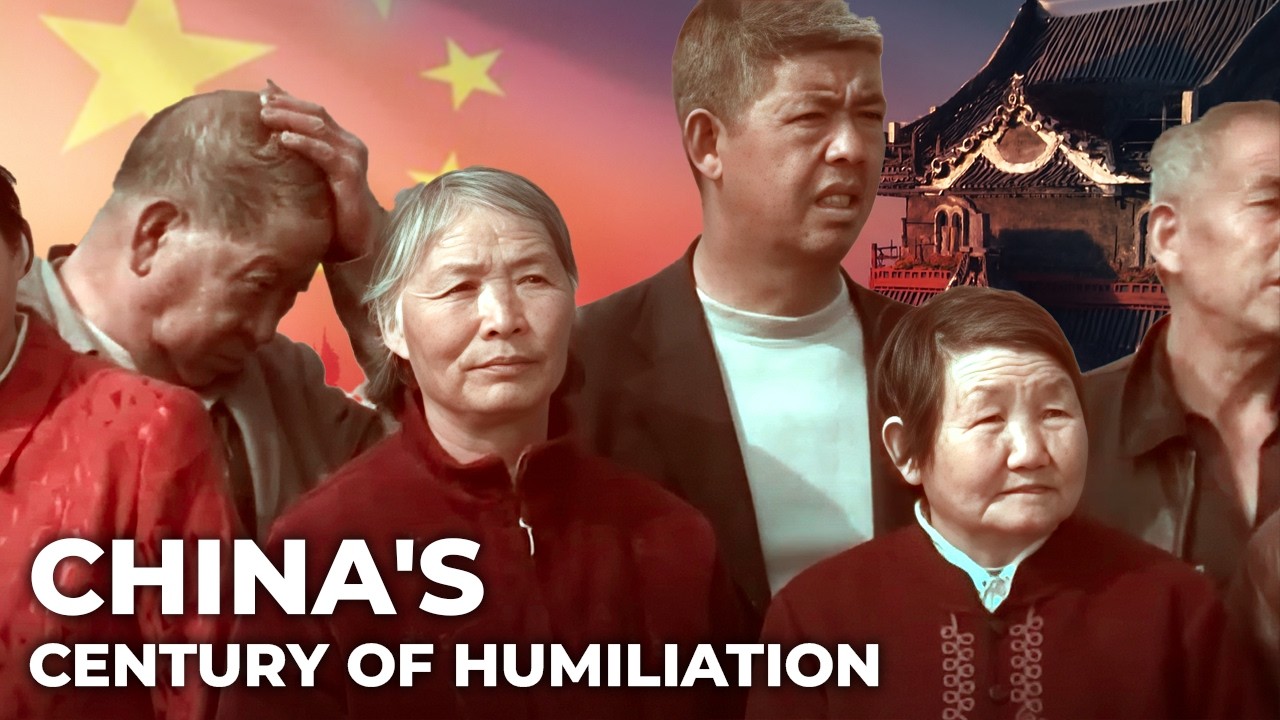
China's interactions with Western powers, particularly during the Opium Wars, shaped its political thought and social systems, influencing its economic development.
More than 40 years after her adoption, Sophie English returns to Vietnam to confront her identity and search for her birth mother.
Madeleine Albright reflects on her childhood in war-torn London, her family's immigration to the U.S., and her historic role as America's first female Secretary of State.
Queen Elizabeth II dedicated her life to public service for over 70 years, becoming a symbol of stability and continuity during significant global changes.
In July 1945, Harry Truman, Winston Churchill, and Joseph Stalin met in Potsdam to negotiate the post-war order in Europe and address the conclusion of World War II.
A gunman shot six employees of the Central Intelligence Agency during rush hour in Langley, Virginia, resulting in three fatalities on January 25, 1993.
In the border towns of Rock Island, Stanstead, and Beebe in Quebec, along with Derby Line in Vermont, residents navigate life divided by an international boundary.
Mustafa Kemal Atatürk's foundational reforms and Recep Tayyip Erdoğan's contemporary governance illustrate Turkey's ongoing struggle between modernity and traditionalism.
197,000 tons of bombs were dropped on France by Allied forces in the nine weeks leading up to D-Day, illustrating the scale of World War II air operations.
Henry Kissinger reflects on his life in Fürth during Adolf Hitler's rise to power and the subsequent impact on his future as a political figure.
Pearl Harbor's bombing, President Roosevelt's war message, and key events leading to World War II are documented through archival footage and commentary.
In Siberia from 1918 to 1919, U.S. and allied troops, including Japanese and Czech forces, engaged in military operations amidst the Russian Civil War.
In November 1991, Nelson Mandela visited Goree Island in Senegal, marking his first trip to Africa after 27 years of imprisonment.
Yehuda Avner's experiences as a chief aide to Israeli Prime Ministers Levi Eshkol and Golda Meir provide insight into pivotal events like the Six-Day War and US-Israel relations.
Barentsburg has 350 inhabitants, primarily Russians and pro-Kremlin Ukrainians, living under the oversight of a Russian state-owned company since 1931.
The United States and Canada drew up plans to invade each other in the 1920s and 1930s, with the U.S. plan declassified in 1974.
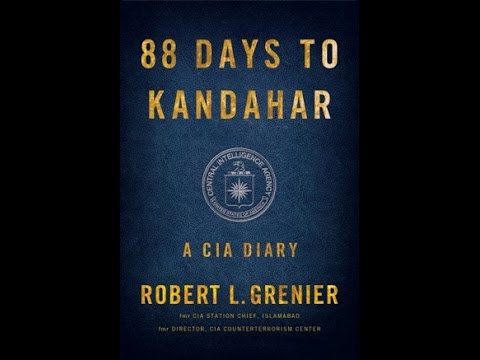
Robert Grenier, a 27-year veteran of the CIA, organized and directed special forces teams that drove the Taliban from southern Afghanistan in 2001.
The United Nations spends $600 million a year on peacekeeping efforts in the Democratic Republic of Congo, where three million people died in a civil war.
The Suez Crisis on 6 November 1956 marked a pivotal moment in British history, revealing Prime Minister Eden's controversial military actions in Egypt and the end of Britain's superpower status.
President Woodrow Wilson's visit to England in December 1918 included meetings with King George V and key political figures, showcasing post-World War I diplomacy.
Tzatzi Sanchez's murder is linked to a mysterious calling card found in Las Vegas and a disturbing discovery in a car trunk in Melbourne, Australia.
Eighteen thousand spectators gather at the People's Sports Palace in Beijing to watch the University of British Columbia's Thunderbirds play hockey in China.
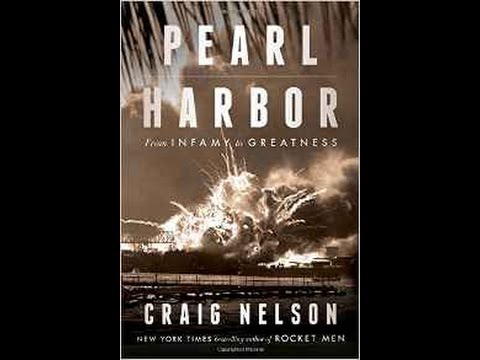
2,403 Americans died during the Japanese attack on Pearl Harbor on December 7, 1941, which led to the United States entering World War II.
Henry Kissinger reflects on his friendship with John McCain, recalling their connection during the Hanoi negotiations and McCain's experiences as a POW.
Tsar Peter the Great shaves noblemen's beards, marking a shift in Russia's geopolitical power.
Since the launch of the first Sputnik satellite in 1957, more than 10,000 satellites have been sent into space, with half still active today.
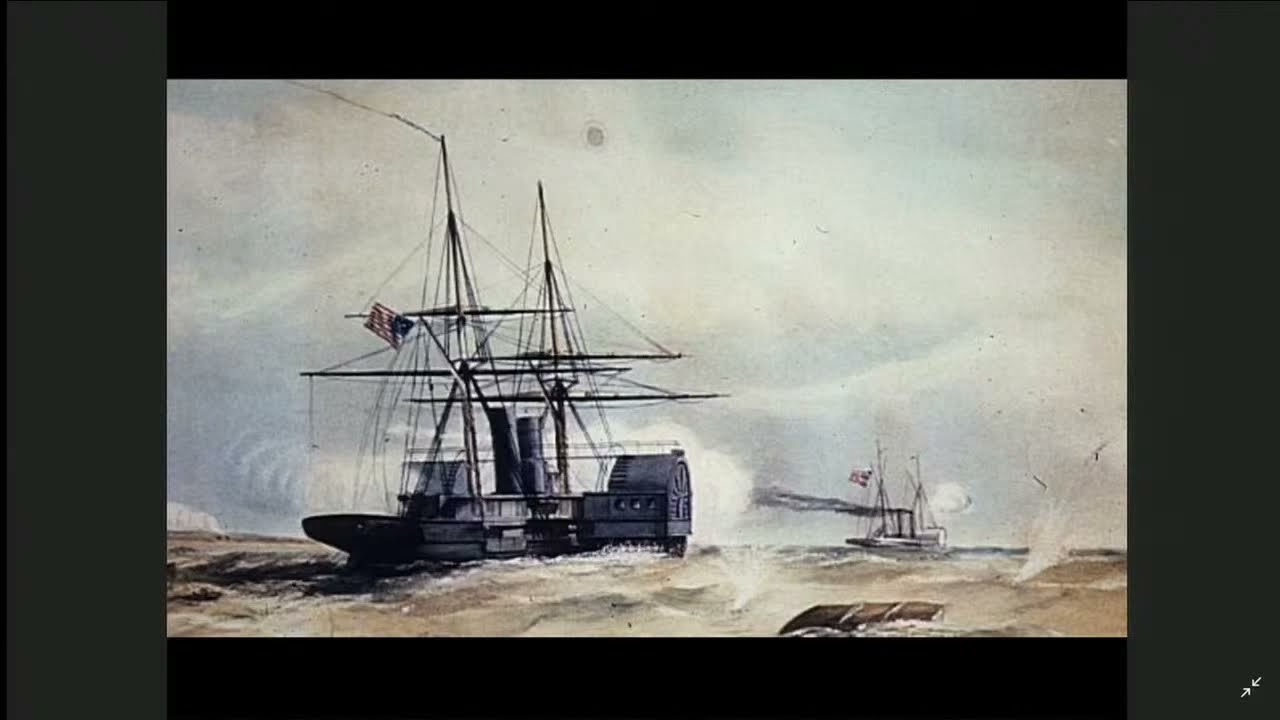
Jonas Wylie commanded the steamer Advance, one of many Scottish blockade runners that supplied the Confederacy during the American Civil War.
Operation Crossroads, the Japanese surrender, and the Tokyo Trials are examined in three episodes highlighting lesser-known aspects of the Pacific War's conclusion.
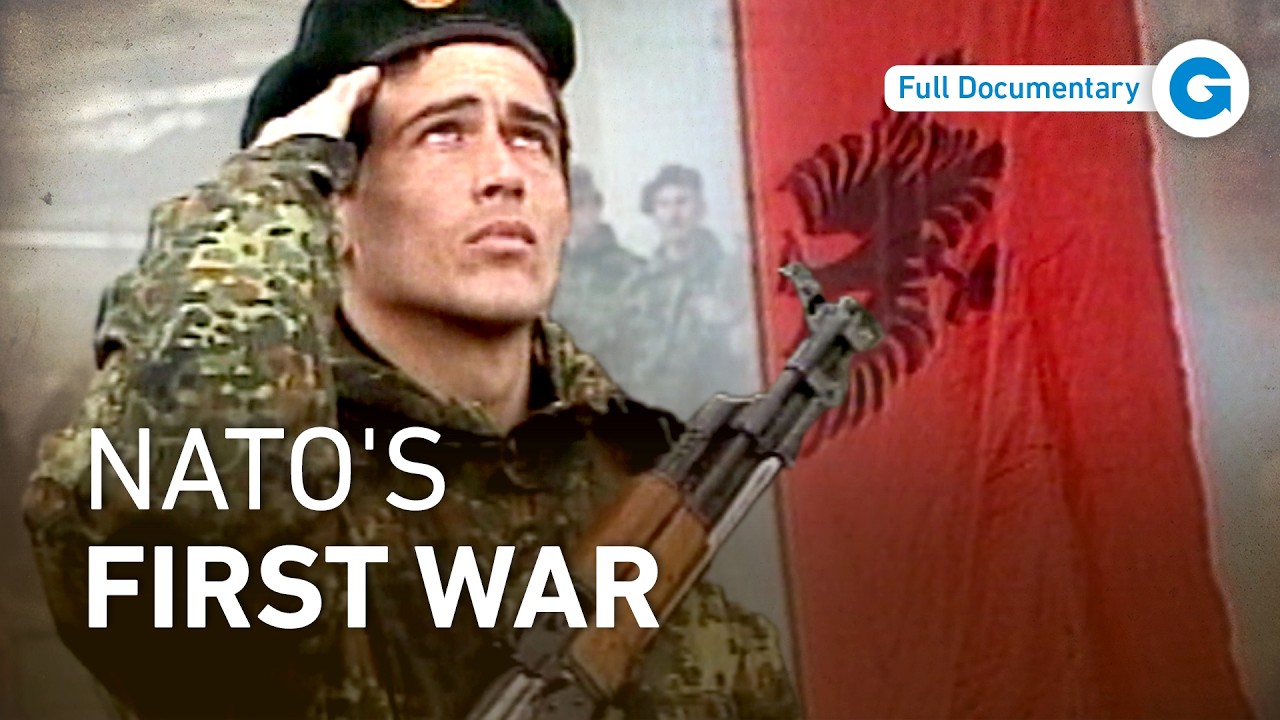
Juncker tours the Western Balkans, urging Serbia and Albania to implement reforms for EU accession.
Rare archival footage and declassified documents reveal the intense espionage, nuclear threats, and proxy wars that defined the Cold War between the United States and the Soviet Union.
A crowd of hundreds in the House of Representatives applauded as Winston Churchill delivered his address on May 19, 1943, during World War II.
Nicholas Reynolds, a former CIA officer, argues that no one had written a comprehensive history of American intelligence in World War II until now.
For two weeks in October 1962, the world faced the threat of thermonuclear war as the Soviet Union deployed nuclear missiles just 90 miles from the U.S.
Eighty-two crew members of the USS Pueblo were captured by North Korean forces on January 23, 1968, and held for eleven months.
President Franklin D. Roosevelt's speech in Chicago on October 5, 1937, called for peace-loving nations to unite against aggressors threatening global stability.
Four American diplomats reported from London, Berlin, Rome, Paris, and Moscow on the rise of Adolf Hitler and the growing threat of Nazi Germany.
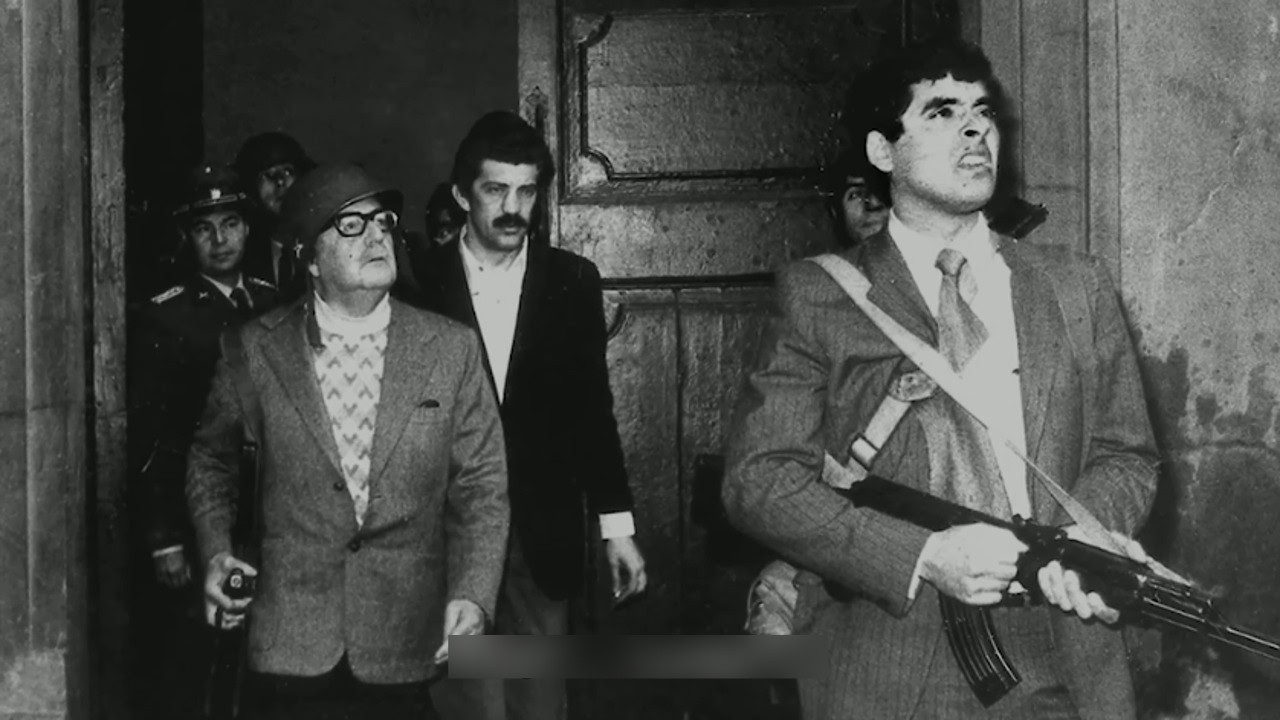
Nanni Moretti recounts the 1973 coup d'état in Chile that ended Salvador Allende's government.
A 34-page message delivered by President James Monroe in December 1823 outlined key principles that shaped U.S. foreign policy in the Western Hemisphere.
In October 1962, the world came the closest it has ever been to nuclear armageddon during the Cuban Missile Crisis between the United States and the Soviet Union.
On March 12, 1947, President Harry S. Truman delivered a speech to Congress that established the U.S. policy to help free nations resist subjugation.
The Revolutionary War's latter years, marked by the American alliance with France and the British southern strategy, culminated in the decisive victory at Yorktown.
Negotiations between Washington and Havana from the Kennedy to Obama administrations reveal a complex history of dialogue and diplomacy.
Donald Trump's distinctive handshake style during his December 2024 meeting with French President Emmanuel Macron at the Élysée Palace illustrates his views on international relations.
The U.S. State Department played a key role in controlling the Pan-American Commission on Women's Rights during the early 20th century.




![Documentary backdrop image for The World at War [1931-1941] (2014)](https://i.ytimg.com/vi/UIkots7wJig/maxresdefault.jpg)