From over 100,000 films, discover the handful you'll love.
Free or premium access to the world's largest documentary library.
336 films(Page 5 of 7)
Hollywood crime trials are examined through cases like the Melendez Brothers' murder of their parents and the legal complexities surrounding paparazzi tactics.
Over 270 vaccines are currently under development, raising concerns among Amish communities about the loss of their religious exemption to vaccination.
Reports of unauthorized access to advanced AI models raise concerns about global control and security, featuring insights from experts like Ramesh Srinivasan and Adrian Monck.
Jennifer Doudna, a Nobel Prize-winning scientist, discusses the limitations of AI in medicine and the impact of CRISPR on gene editing with Emily Chang.
Pope Leo's call for the regulation of artificial intelligence highlights concerns over its use in warfare and the potential for dehumanization by powerful corporations.
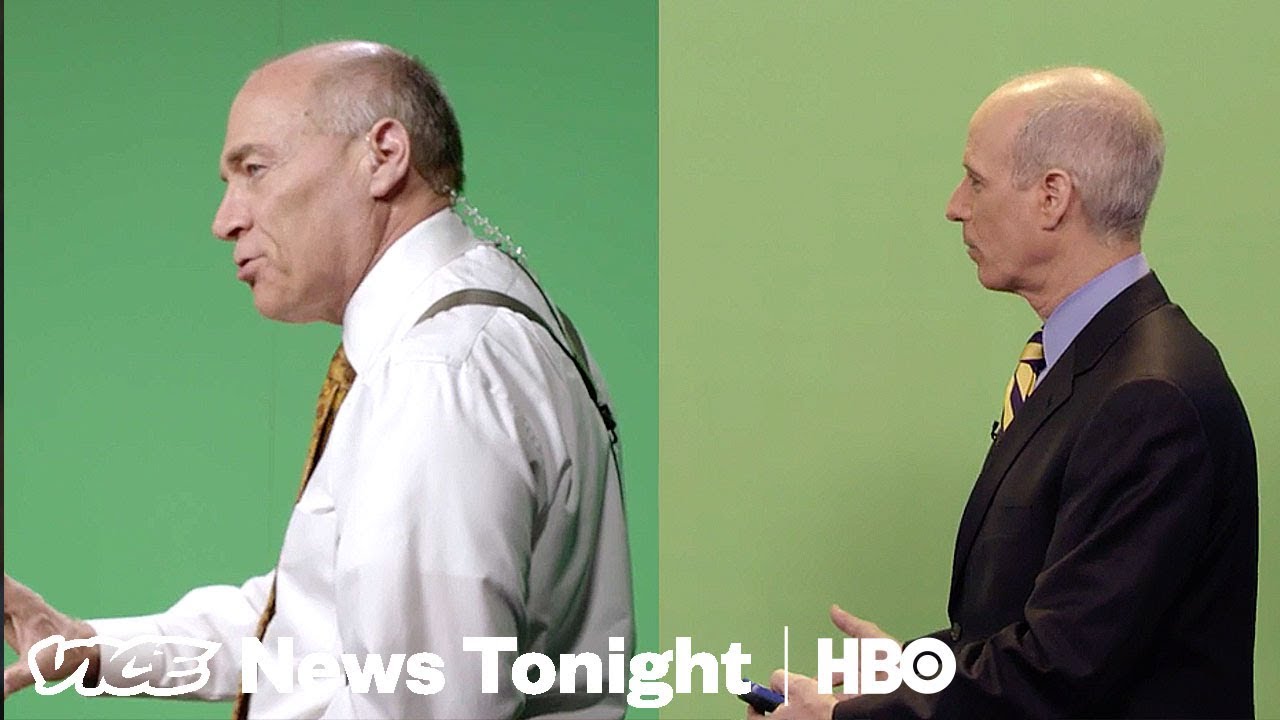
James Spann discusses weather education but avoids climate change on air in Alabama.
The Yazidis in Northern Iraq face severe persecution and a drastic population decline since April 2008.
Dr. Jack Kevorkian's homemade suicide machine sparked a national debate on physician-assisted dying that continues to challenge ethical and legal boundaries in the US.
New York City's renewed focus on addressing homelessness and untreated mental illness raises significant questions about civil liberties and public safety.
A 1986 surrogacy case in New Jersey, known as Baby M, became the first contested case in U.S. history, shaping laws and public opinion on surrogacy.
More than 2 million people in Brazil practice Candomblé, an Afro-Brazilian religion that incorporates music and dance to invoke spirit gods called Odishas.
Some researchers link Isaac Newton's genius to Asperger's syndrome in this insightful documentary.
Data from consumer DNA tests is aiding law enforcement in solving cold cases, including a murder from the 1980s, while raising privacy concerns.
Mildred Solomon and Josephine Johnston from The Hastings Center engage in a panel discussion moderated by Jill Rosenbaum on the implications of genetic medicine.
Advances in prenatal genetic screening raise ethical questions about defining "disease" versus "difference" and the potential impact on population diversity.
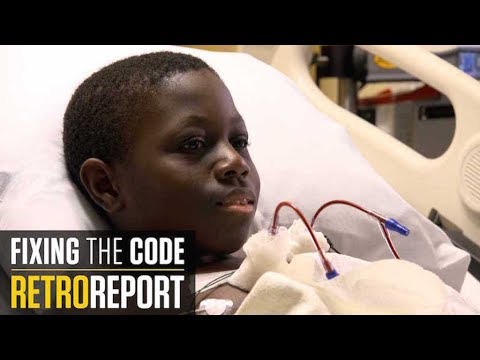
Pierceton Charles, a 12-year-old with sickle cell anemia, has undergone 48 hospitalizations due to his painful genetic condition.
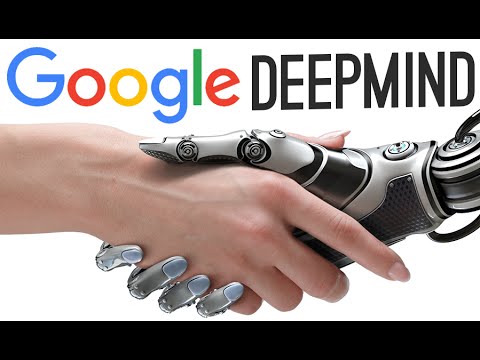
Google's DeepMind, known for its self-learning AI, explores advancements in artificial intelligence through projects like AlphaGo and its implications for the future.
Dr Jay Sanguinetti and Shinzen Young use ultrasound to enhance meditation at the University of Arizona.
Terri Schiavo's case transformed a personal family issue into a significant political debate, influencing discussions on end-of-life decisions in the US.
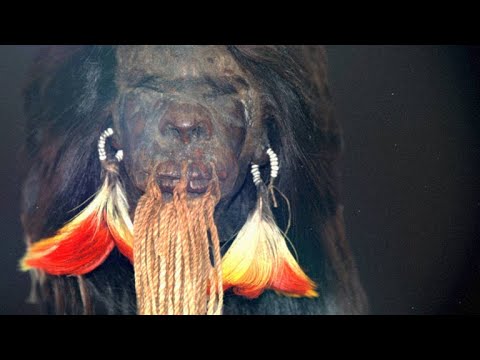
A scientist learns the secrets of head shrinking from a Shuar elder in Ecuador.
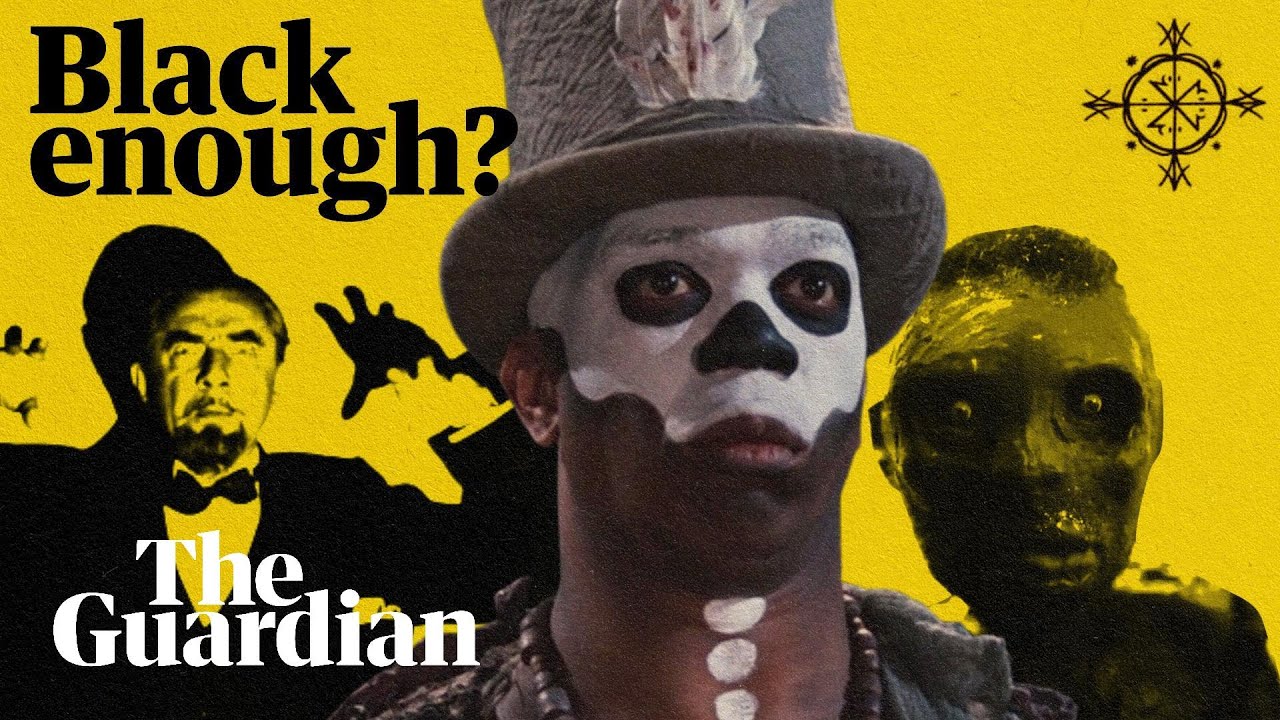
Haitian Vodou, linked to the 1791 revolution, is misrepresented as evil in pop culture.
In 1997, Scottish scientists at the Roslin Institute successfully cloned a sheep named Dolly, igniting ongoing debates and advancements in genetic research.
Superman confronts the KKK in the 1940s after fighting Hitler and Hirohito.
More than 20,000 Australians undergo androgen deprivation therapy, which stops testosterone production to treat prostate cancer.
Gifted children show early skills, self-starting abilities, and obsessive interests in their passions.
Google's AI chatbot launch raises urgent concerns about regulation and potential risks to society.
Tantra Island presents a collection of immersive narratives that challenge conventional views on culture, crime, and art from around the globe.
The Big Bang Machine questions if scientific progress could lead to global disaster.
Aysha, 12, is the only white student at Islamia Secondary, a British Islamic school for girls.
Ocean Souls is an emotive cetaceans documentary showcasing diverse marine life and new science.
Thalidomide, a drug linked to severe birth defects in the 1960s, prompted the establishment of drug safety guidelines and highlights ongoing issues with rising pharmaceutical prices.
The Human Genome Project, launched in 1990 with a $3 billion budget, aimed to map every gene in human DNA over a 15-year timeline.
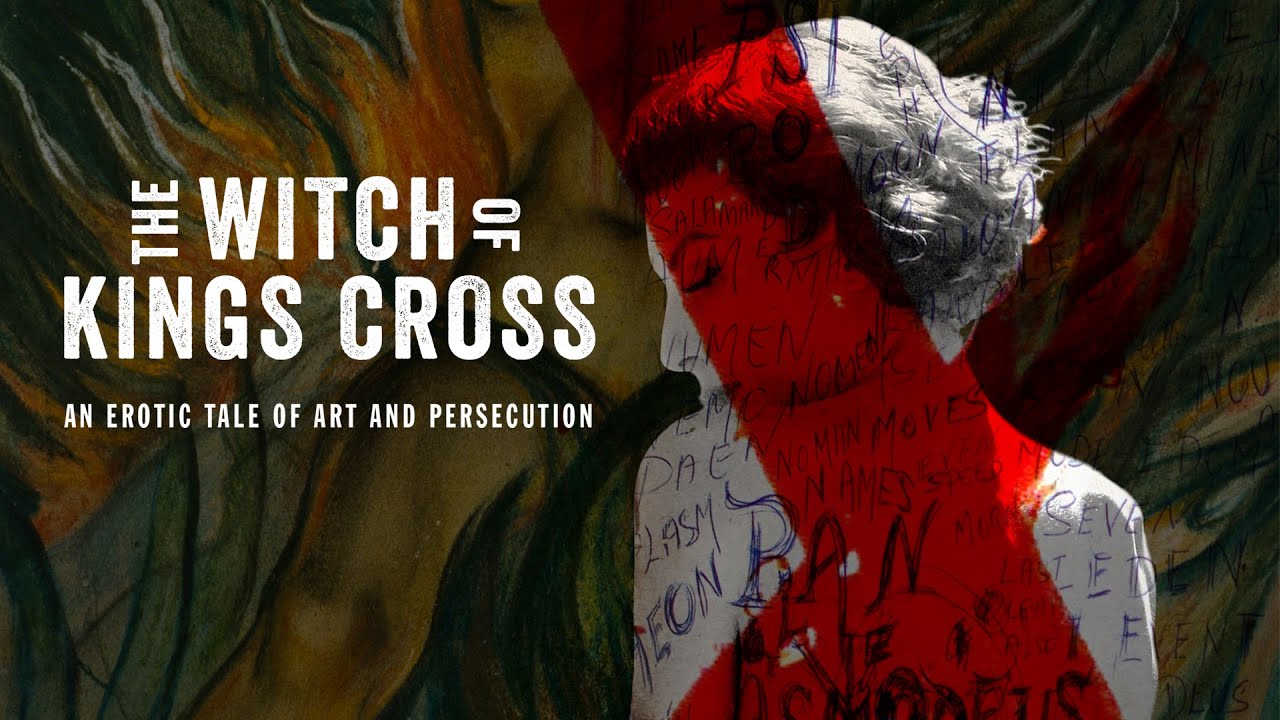
Rosaleen Norton, a bohemian artist from Sydney, challenges societal norms through her pantheist vision of witchcraft and sexual magic in her provocative art.
John Scopes is tried in Tennessee for teaching evolution, violating the Butler Act in July 1925.
GPT-3, developed by OpenAI, is an advanced artificial intelligence model capable of generating human-like text and writing code, showcasing significant advancements in natural language processing.
More than 8 million people die every year from smoking tobacco, while a vaping-related outbreak in the U.S. has led to over 2,600 hospital cases.
Mosquitoes are responsible for more than 700,000 deaths each year, primarily due to diseases like malaria, which affects children under five in Africa.
The Stanford Prison Experiment: Unlocking the Truth streams on Disney+ and Hulu now.
A 6-month-old fetus may survive outside the womb, raising ethical questions in Britain.
Genetic technology advancements raise ethical concerns, featuring insights from scientists, families benefiting from these innovations, and the first "test-tube" baby, Louise Brown.
In Budapest, documentary filmmaker Ruslan Fedotow captures the experiences of two young Ukrainian refugees, Andrei and Alisa, as they navigate life away from home.
Nine people were killed during a shooting at Emanuel AME Church in Charleston on June 17, 2015, including the speaker's mother and two cousins.
In the 1960s, the Baptist Church of the Golden Triangle collaborated with the Thai government to sterilize many ARA women, leading to pain and regret.
Artificial intelligence research has reached a milestone with the development of a scientifically provable self-aware robot, raising questions about its implications.
This beautifully made short questions if gay Muslims can reconcile their faith with sexuality.
Scientists are on the brink of creating healthy babies from stem cells, offering new hope for those facing infertility and related challenges.
The video discusses raising children outside Earth's atmosphere for future living in space.
Thousands of children in Nigeria are accused of witchcraft each year, often facing abandonment, abuse, and even murder from their own families.