From over 100,000 films, discover the handful you'll love.
Free or premium access to the world's largest documentary library.
405 films(Page 7 of 9)
Half Dome's granite dome measures over 3 billion cubic feet, equivalent to the size of 1,000 football stadiums.
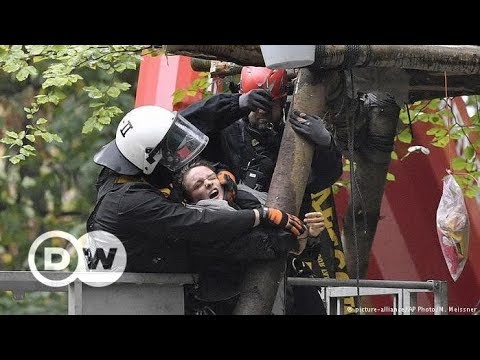
More than 50 treehouses in Hambach Forest serve as a base for activists opposing the expansion of RWE's lignite mining operations.
Large-scale tree planting programs face challenges, as seen in Israel's Yatir Forest.
20 meters is the distance a Huaorani hunter targets with his blowpipe during a competition to determine the best marksman in the tribe.
This Spanish video highlights the Huaorani's life in Yasuni National Park, Ecuador.
The Huaorani live in Yasuni National Park, showcasing their culture in this Spanish video.
In Peru's Manú National Park, photographer Charlie Hamilton James navigates the complexities of rain forest conservation after purchasing land threatened by illegal logging.
In Brazil, Charlie Hamilton James confronts the complexities of conservation while living with illegal loggers and exploring sustainable solutions for the Amazon rainforest.
The Achuar people of the Amazon forest are highlighted for their unique way of life and connection to nature, reflecting Alexander von Humboldt's legacy.
In India, coal mines face frequent explosions, highlighting energy independence issues.
The Amazon basin spans over 7 million square kilometers, accounting for 25% of South America's total surface area.
Inhabitants of the Amazon jungle include isolated tribes that thrive in the vast biodiversity of the Amazon basin, which spans over 7 million km².
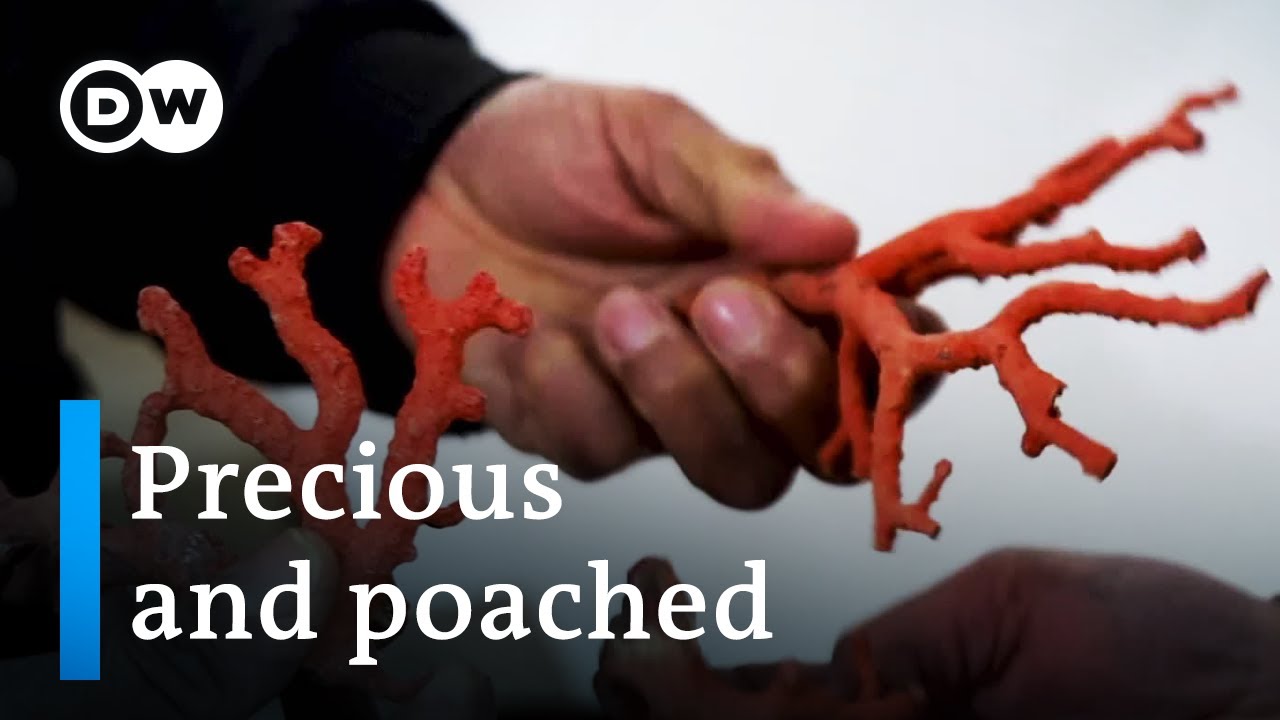
A recent study found that several million euros worth of red coral is sold illegally every year, often via southern Italy.
Over half of the original forests on Earth have been destroyed, with 45% of rainforests now classified as wasteland.
In Central America's biodiverse forests, the illicit cocaine trade is causing significant social and ecological destruction, as explored by Kendra McSweeney.
The Landes forest, covering one million hectares, faces extreme climate threats today.
Las Vegas is reclaimed by the desert as humans vanish, igniting buried power sources.
Barrier islands in Louisiana are eroding at rates of up to 60 feet per year, threatening the stability of the coastal ecosystem and communities.
Dr. Alex Kolker studies land loss in Louisiana with the Louisiana Universities Marine Consortium.
A young boy journeys to the spirit world after his village's carelessness leads to ravens blocking the Sun, plunging the community into darkness.
60 butterflies take flight in Louisiana as Indigenous women fight against fossil fuel companies threatening their land and way of life.
Half of Madagascar's jungles have disappeared since the arrival of humans 2,000 years ago, leading to the extinction of at least two dozen large animal species.
Madagascar has lost half of its vegetation cover in the last 60 years, with local communities facing increasing wildfires during the annual fire season.
Fifteen full viscolaris lemurs were relocated to a reserve in Madagascar last year, with only three returning to their original habitat.
In the Brazilian Amazon, photographer Martin Schoeller captures the Kayapo people's vibrant traditions as they navigate the influences of modern society.
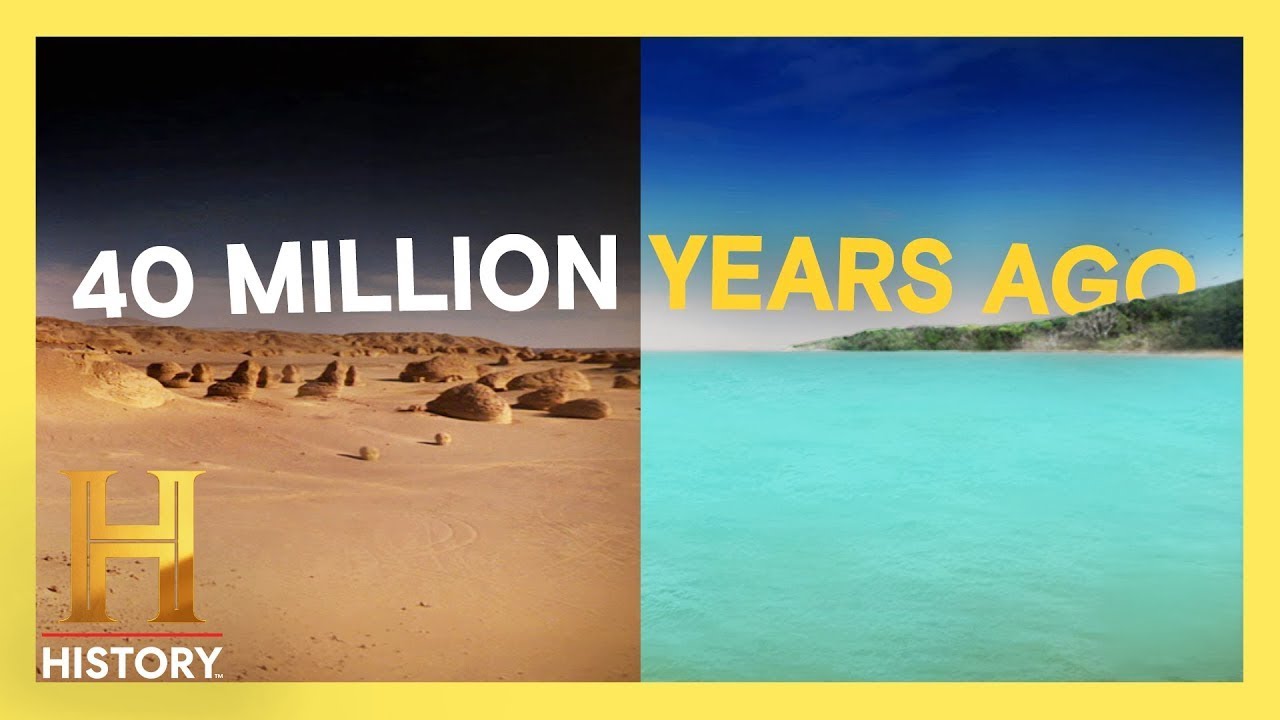
The Sahara Desert, the largest desert, reveals a surprising geological history in Africa.
The Spanish video reveals how jungle destruction threatens orangutans in Borneo with extinction.
African elephants and rhinoceroses face critical threats from poaching and the ivory trade, prompting local initiatives aimed at conservation and ecosystem preservation.
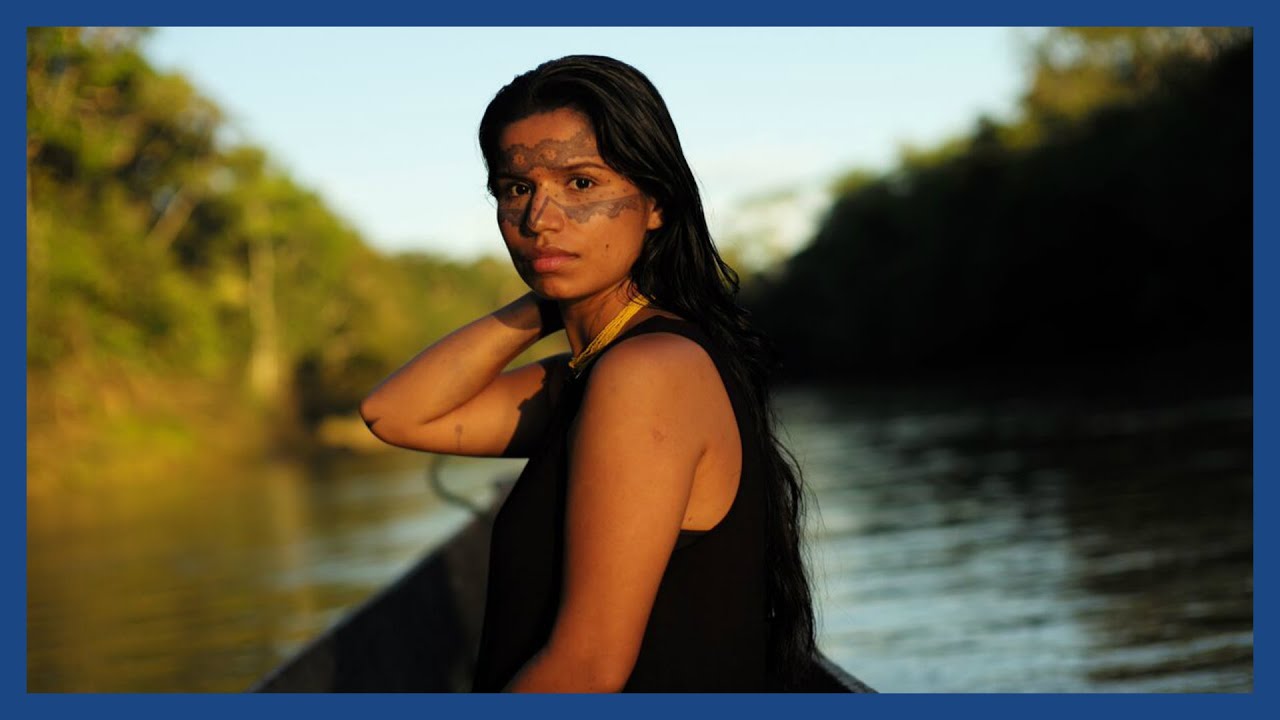
A full-time activist reflects on the destruction of their childhood river, which sparked their involvement in climate activism and the fight for the Amazon rainforest.
More than 33 million people were affected by the 2022 floods in Pakistan, with one-third of the country submerged under water.
Over 20,000 plant species and 750 bird species thrive in Papua New Guinea's forests, which face severe threats from deforestation.
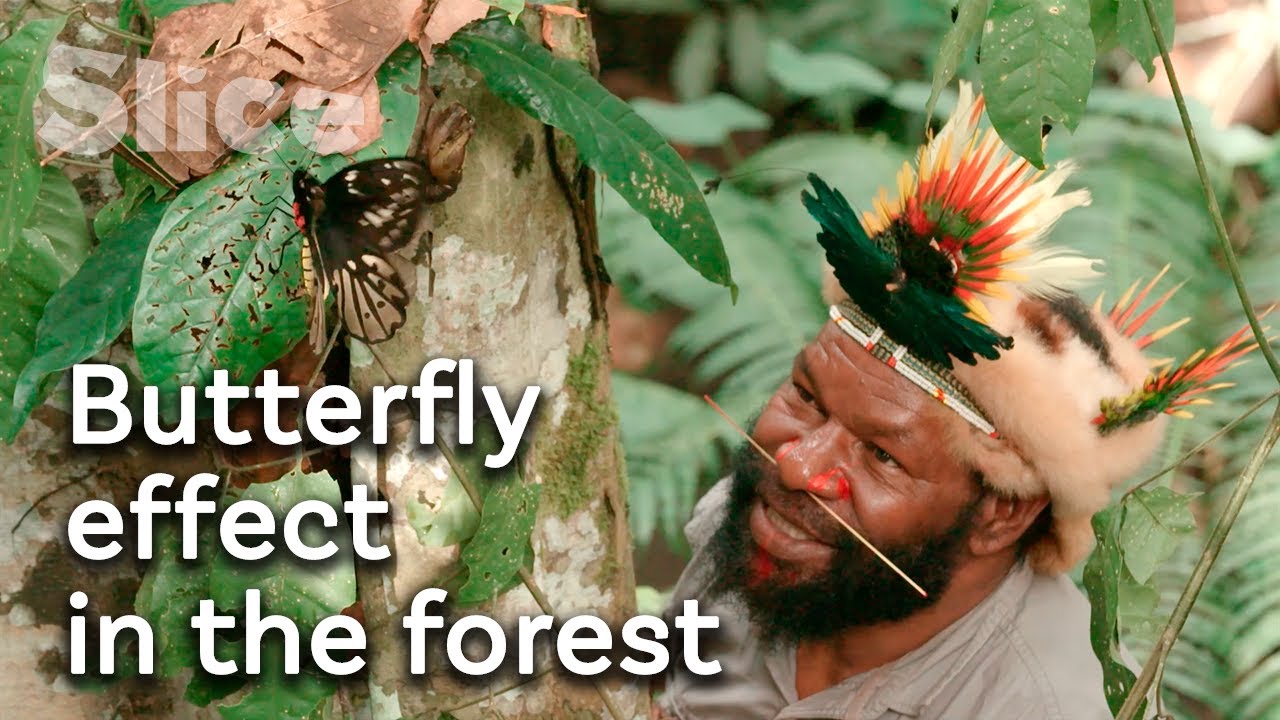
27 centimeters is the wingspan of the female Queen Alexandra's birdwing, a butterfly that lives only in the forests of Oro Province, Papua New Guinea.
6,000 trees are planted by children in Senegal as part of a reforestation initiative aimed at combating deforestation and climate change.
In Penang, Malaysia, a farm breeds butterflies to reintroduce species into the wild.
531 megawatts is the amount of electricity the Alto Maipo hydroelectric project aims to contribute to Chile's central electric system.
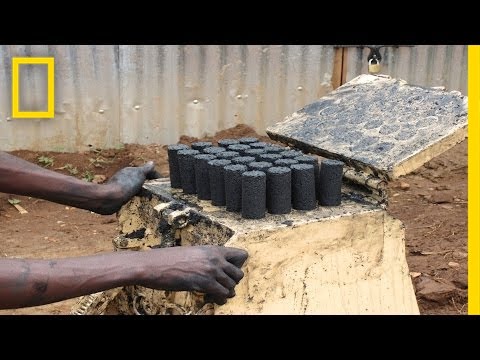
Sanga Moses' initiative in Uganda transforms waste into clean cooking energy, empowering local communities while addressing environmental challenges.
On May 25, 2009, Cyclone Aila struck Bangladesh, affecting nearly 4 million people and resulting in 190 deaths as it devastated villages and farmland.
Guerreiras da Floresta, a female collective from Brazil's Caru Indigenous Land, employs ancestral wisdom and technology to combat illegal wildlife crimes in the Amazon.
In the Amazon rainforest, the use of the toxic plant Strychnos toxifera by indigenous tribes highlights its role in traditional hunting practices and its potential medicinal properties.
Humans have produced enough concrete to cover the Earth in a layer two millimeters thick, fundamentally altering every major Earth system.
300,000 square kilometers of plains in Venezuela face severe drought, impacting wildlife and the indigenous Huaoranis as oil extraction threatens their lands.
Dirty Little Secrets reveals the health and environmental costs of China's economic growth.
Thirty thousand people work as scavengers in the coal mines of Jharia, where toxic fumes and illegal conditions threaten their health and safety.
An estimated 5,000 orang-utans are killed each year in Borneo due to habitat destruction caused by palm oil plantations.
A canoe is being built in Sarayak to carry a message from the Ecuadorian Amazon to Paris, addressing climate change and human rights issues.
A quarter of a century ago, Yakuba Sawadogo began transforming barren land in Burkina Faso into fertile soil, impacting thousands in the Sahel region.
The pine processionary caterpillar devastates forests in Northern Europe and the Landes region.
The United States imports 8 million barrels of oil daily, prompting debates over drilling in the Arctic National Wildlife Refuge and its impact on local tribes.