From over 100,000 films, discover the handful you'll love.
Free or premium access to the world's largest documentary library.
405 films(Page 2 of 9)
Bangkok faces severe environmental challenges from rising sea levels, land subsidence, and extreme weather, threatening its livability and survival.
Sabah, in Malaysian Borneo, features unique wildlife and dense rainforests accessible by boat.
River flows 560 kilometers from its source in Borneo's highland rainforests to the Sulu Sea, supporting diverse wildlife and ecosystems.
Seven wilderness study areas were designated in the Red Desert after local activists marked potential sites on a topo map in the late 1970s.
Costa Rica showcases its rich variety of biodiversity and conservation efforts in Corcovado National Park.
560 kilometers of the Kinabatangan River flow through Borneo, supporting diverse wildlife and local communities while facing threats from human activity.
Easter Island's civilization collapses as forests vanish and Moai statues are toppled.
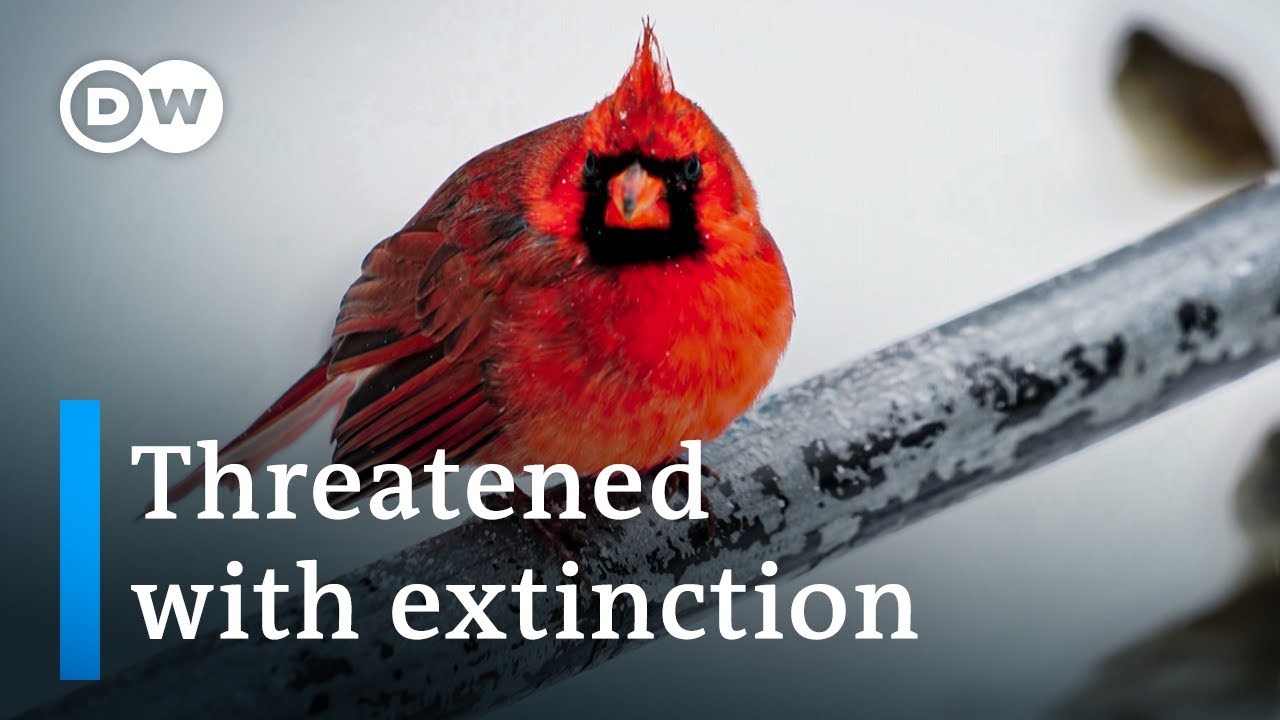
Almost three billion birds have vanished from the United States since 1970, with Europe seeing a 25 percent decline in its bird population.
Norilsk is the world's most isolated and toxic city, showcasing extreme pollution and harsh living conditions.
Borneo's rainforests face significant threats from deforestation and development, as documented by Fellow Mattias Klum over two decades.
Filipino Gold Divers risk their lives in Paracale's Deadly Pits to earn a living through illegal mining.
In the Democratic Republic of Congo, wildlife investigator Ivan Carter joins park rangers in their efforts to combat illegal poaching of Grauer’s gorillas.
Brazil's Mata Atlântica and Pantanal regions showcase a rich biodiversity, featuring species like muriqui monkeys, jaguars, and unique coastal wildlife amid environmental challenges.
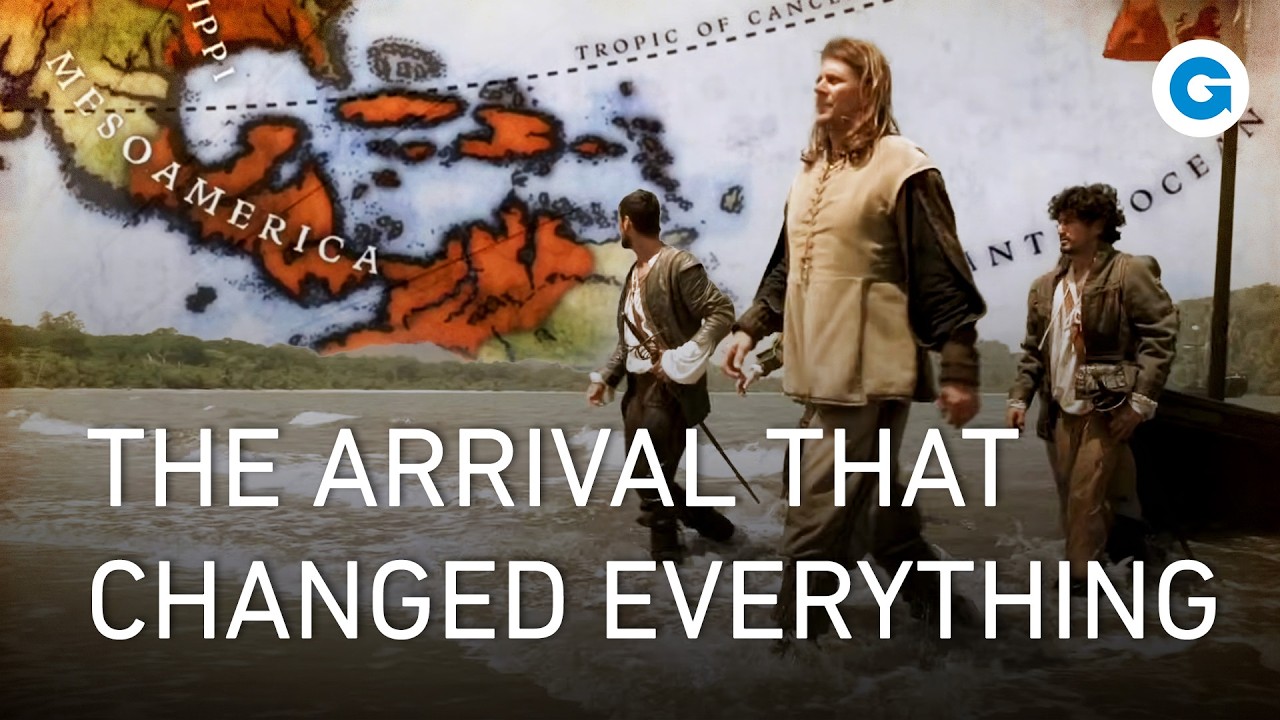
A hundred million people inhabited the Americas in 1491, unaware of the impending changes brought by Columbus and European colonization.
Brazil's River-in-the-Sky, a vital atmospheric phenomenon, sustains ecosystems and agriculture across the country, relying on the Amazon rainforest's health.
Brazil's vast landscapes, including wild forests and a labyrinth of lakes, showcase its unique biodiversity and lesser-known habitats shaped by summer thunderstorms and fire.
In Brazil's Pantanal, the jaguar, a powerful apex predator, faces threats from habitat destruction and livestock conflict while playing a crucial role in its ecosystem.
Globalisation threatens the tribes of the Omo Valley and their traditional lifestyles.
Aurélien Brulé's efforts in Indonesia focus on saving gibbons from habitat destruction caused by oil palm production and the illegal pet trade.
Ana Rafaela D’Amico fights to protect Brazil's Campos Amazonicos National Park from illegal activities.
In Sumatra, Indonesia, critically endangered orangutans face extinction due to rampant deforestation for palm oil, prompting volunteers to rehabilitate survivors.
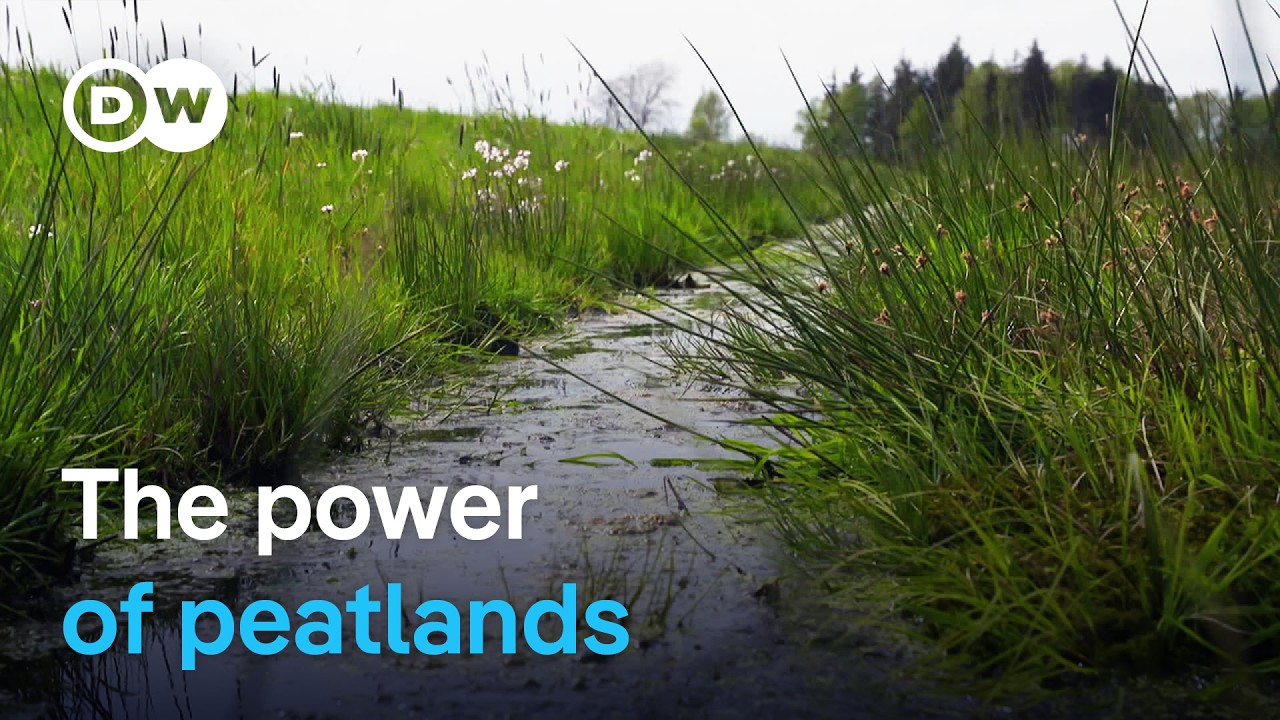
Germany's drained peatlands emit greenhouse gases while efforts to rewet them continue.
Rapidly melting ice sheets in the Arctic and Antarctic reveal critical climate change indicators, prompting scientists to study their ecological impacts and ancient secrets.
The Amazon rainforest covers an area of almost 3.12 million square kilometers and is home to one in ten of all species on Earth.
Dr. Barbara Fruth has conducted research on bonobo apes and their habitats in the Democratic Republic of Congo for 13 years.
In the cloud forests of Sri Lanka, unique species like blue magpies and purple-faced monkeys thrive in isolated microclimates shaped by dual monsoons.
40 million people in the Philippines depend on marine resources, while illegal fishing practices like grenade fishbombing threaten their livelihoods and ecosystems.
Costa Rica, covering only 0.03% of the world's landmass, is home to 5% of global biodiversity and has achieved nearly zero deforestation since 2005.
In the equatorial jungles of Africa, the Pygmies, one of the world's oldest cultures, face existential threats from logging that endangers their traditional way of life.
A hailstone weighing 700 grams fell in Coffeyville, Kansas, in 1972, illustrating the potential severity of storms linked to ancient climate disasters.
In Sumatra, Indonesia, critically endangered orangutans face extinction due to rampant deforestation for palm oil, prompting scientists to intervene and rehabilitate survivors.
In north-eastern Madagascar, an American primatologist and a Malagasy conservationist work to protect the critically endangered Silky Sifakas from illegal logging threats.
Brazil's Atlantic Forest, a global biodiversity hotspot, is explored through its unique wildlife and the challenges faced by endangered species in Serra do Mar State Park.
Sydney Poell undertakes an open-ended expedition into the Amazon to track the uncontacted Fados tribe, known as the Arrow People.
Up to 10 tons of raw sand can be extracted from a single wind turbine blade through a new recycling process.
Deforestation in South America destroys the equivalent of 20 football fields of jungle every minute, threatening vital ecosystems and global climate health.
A football field of land disappears every hour in Louisiana due to erosion and rising sea levels, threatening homes and communities in the Bayou.
The total value of the pollination service provided by bees is estimated at $200 billion, nearly 8% of the total agricultural output on Earth.
The Mofu people of northern Cameroon rely on Jaglavak, a fierce army ant, to combat invading termites that threaten their granaries and homes.
Mongolia's boreal forests, vital to nomadic cultures for millennia, face significant threats from exploitation and environmental challenges, including the plight of the Hell Miners of Potosí.
Nazi Germany builds the third largest whaling fleet, slaughtering 15,000 whales for war efforts.
Ecuador's government proposed to forgo $7 billion in oil revenue from the Yasuni National Park to protect its unique biodiversity and combat climate change.
Rainforests, home to diverse species like jaguars, elephants, and harpy eagles, play a crucial role in supporting complex ecosystems and human evolution.
In Bali, activist Daru confronts Indonesia's ecological crisis driven by plastic pollution, illegal waste imports, and aggressive industrialization threatening local communities.
Eleven workers died in the 2010 Deepwater Horizon disaster, which leaked millions of barrels of oil into the Gulf of Mexico and devastated local ecosystems.
Gold mining in the Amazon rainforest of Bolivia leads to severe deforestation and mercury poisoning, impacting local communities in Potosí and La Paz.
Overfishing has caused a decline in fish populations, with one marine conservationist noting that the spring salmon run has not occurred for years.
Africa's rainforests, second only to the Amazon, host diverse wildlife including chimpanzees, gorillas, and forest elephants within their complex ecosystems.