From over 100,000 films, discover the handful you'll love.
Free or premium access to the world's largest documentary library.
2850 films(Page 5 of 60)
On July 3, 1994, tens of thousands gathered in Gaza City to welcome Yasser Arafat back after decades in exile, marking a significant moment in Palestinian history.
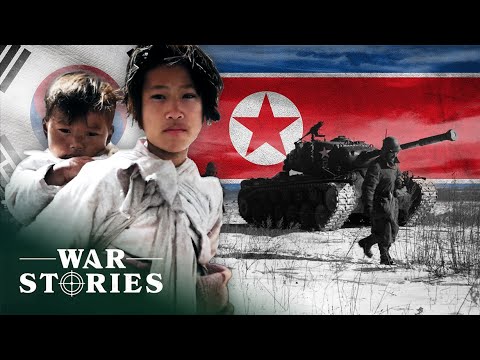
Seoul was captured four times during the Korean War, facing destruction and significant civilian suffering from June 1950 to January 1951.
Pearl Harbor's attack in 1941 prompted a massive enlistment of American soldiers, significantly altering the course of World War II against Japan and the Axis powers.
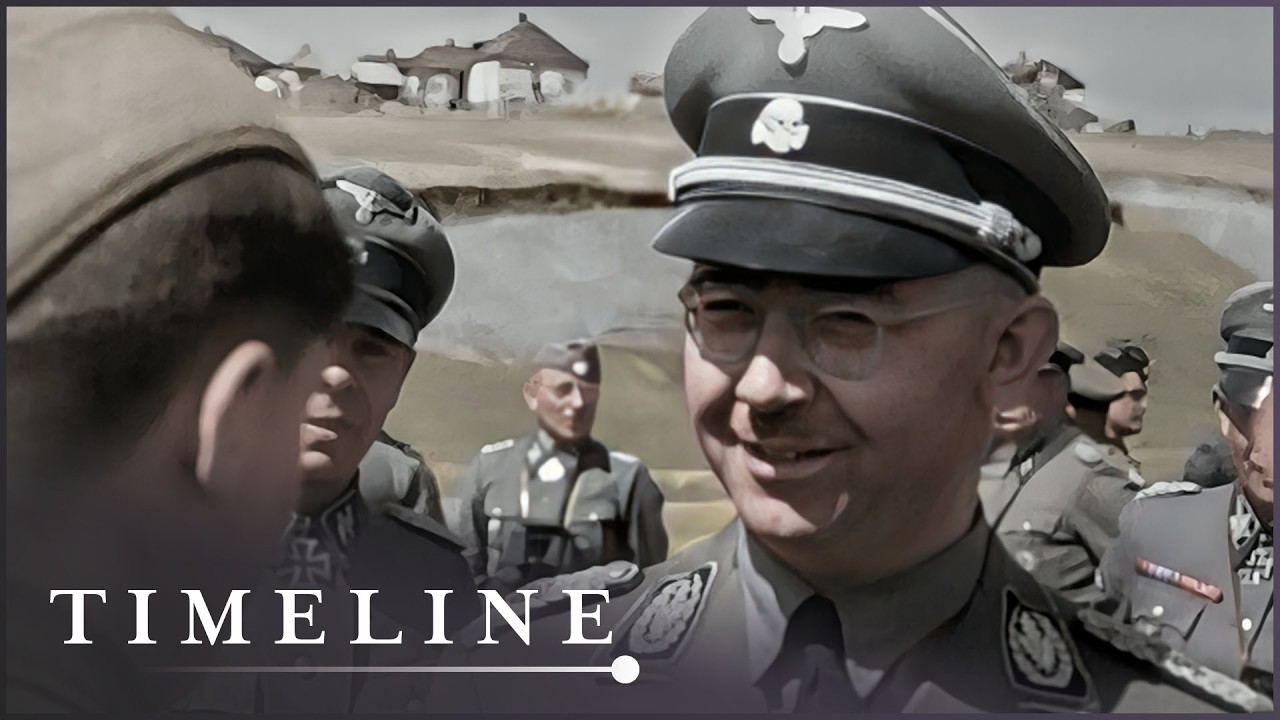
Joachim Peiper commanded SS troops during the Malmedy Massacre, where 82 American soldiers were executed, leading to a controversial war crimes trial influenced by Senator Joseph McCarthy.
Mohamed documents life in Gaza City during the 2014 war, focusing on ambulances and survival.
On 18 June 1815, the Battle of Waterloo marked Napoleon's final defeat, as Sean Bean recounts the experiences of soldiers and their descendants.
Henri Landru, a Parisian serial killer during World War I, preyed on vulnerable women, prompting two determined women to gather evidence and seek justice.
Ella al-Shamahi, a paleoanthropologist, searches for ancient human remains on Socotra, an island in Yemen affected by ongoing civil war.
During the Viking Era, Norsemen established kingdoms across Europe through invasion and warfare, significantly transforming regions such as France, England, and Italy.
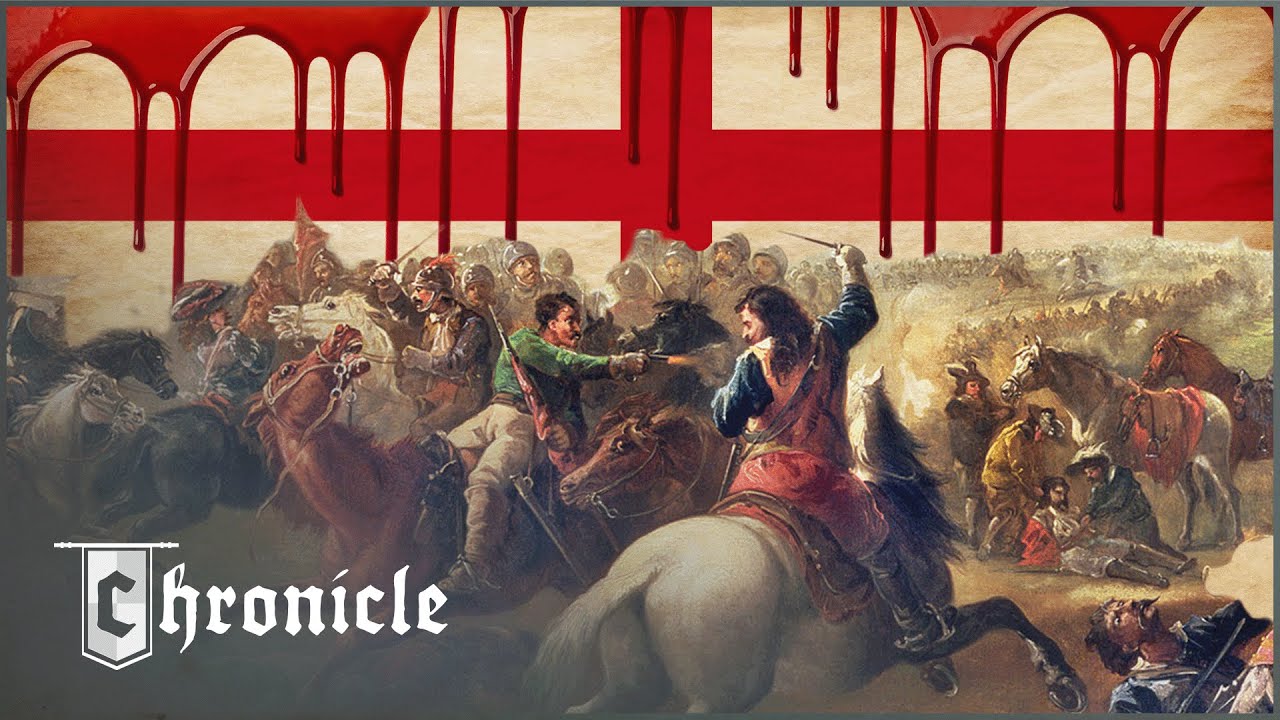
On June 14, 1645, King Charles I's last major field army was destroyed at the Battle of Naseby, leading to a significant shift in the English Civil War.
The Korean War's outbreak is marked by the communist invasion, the defense by South Korean and United Nations forces, and the retaking of Seoul.
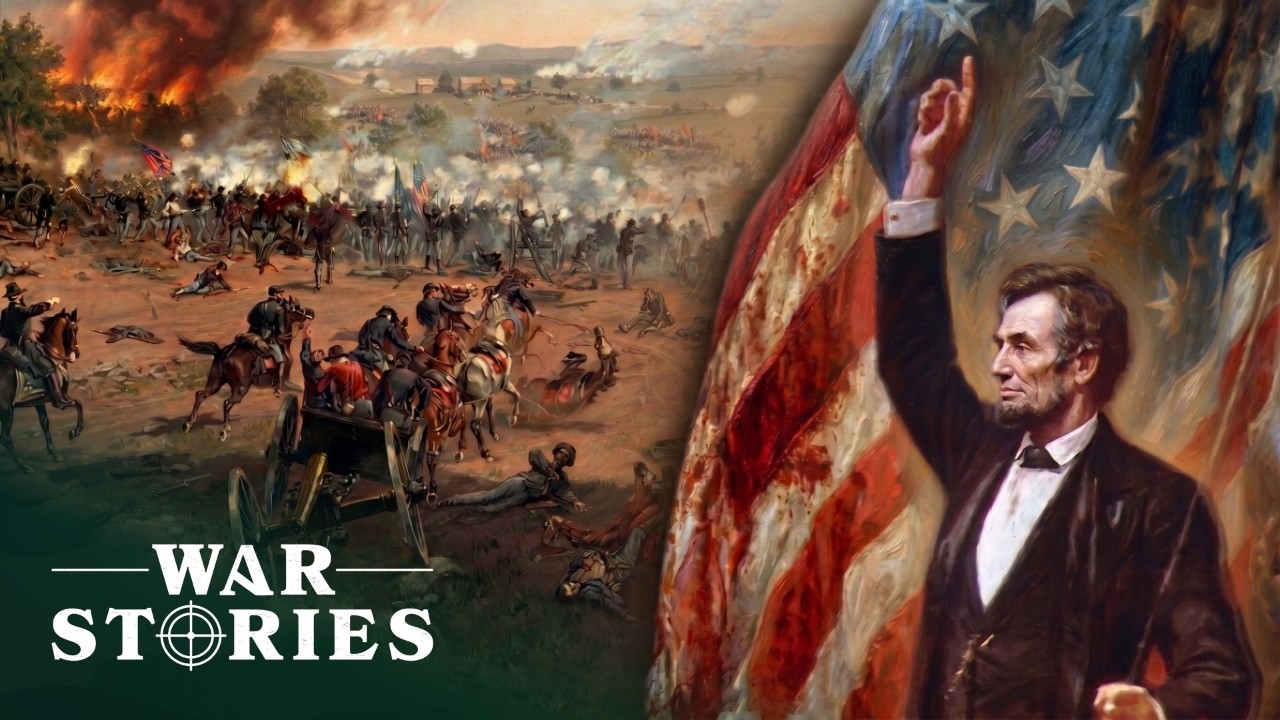
Deep economic, cultural, and ideological rifts between the industrialized North and the slave-dependent South made the American Civil War an unavoidable conflict.
Adolf Hitler and the Nazi Party dismantle German democracy in Berlin during 1933.
On June 6, 1944, the 2nd Panzer Waffen-SS Division Das Reich launched a brutal campaign in France, facing fierce resistance from the French Maquis and British SOE agents.
Franz Stangl, commandant of the Treblinka and Sobibor death camps, orchestrated the murder of nearly 900,000 Jews and later evaded capture in South America.
American soldiers in the Aleutian Islands Campaign during World War II faced extreme winter conditions, prompting innovative survival strategies.
World War II's aerial battles, including the Battle of Britain, Pearl Harbor, and the Doolittle Raid, are examined through key events and tactics that shaped the conflict.
The Crusades, spanning two centuries, were military campaigns by Christian forces to reclaim Jerusalem from Islamic control, significantly impacting the spread of Islam.
Operation Rolling Thunder marked a significant escalation of U.S. military involvement in Vietnam following the Gulf of Tonkin incident in the mid-1960s.
In World War II, the US Navy undertook complex operations to capture German U-Boats, aiming to extract vital intelligence from these submarines.
Britain's colonial policies during and after the First World War shaped the ongoing conflict between Arabs and Jews in the Holy Land.
In the aftermath of World War II, independent Nazi hunters dedicated decades to tracking down high-ranking Nazis who escaped justice by fleeing globally.
In post-WWII Europe, a soldier returns home, bringing with him the brutality and savagery of war, leading to a series of chilling murders.
Three survivors of the 1994 Rwandan genocide recount experiences of sexual violence in refugee camps, including assaults by French soldiers.
Allied air operations targeted German aircraft factories during World War II to disrupt the production of fighter planes that threatened bombing missions.
Wild populations of African lions have declined from around 450,000 in the 1940s to an estimated 32,000 today due to human-wildlife conflict and poison use.
World War I transformed civilian life in Britain, as the home front became integral to the war effort, impacting recruitment, women's roles, and daily existence.
An estimated 10,000 people had their limbs amputated during Sierra Leone's civil war, where child soldiers like Sherieff Koroma were forced to commit atrocities.
American soldiers served in Vietnam for 25 years, facing unique challenges that required constant adaptation and innovation in military tactics.
February 24, 1991, marked the start of the Battle of 73 Easting, where American tanks faced Iraq's Republican Guard in a decisive armored clash.
Landmines from the Khmer Rouge era continue to impact modern Cambodia, injuring an average of 2.5 people daily and complicating recovery efforts.
Civilians in Artsakh face profound challenges and emotional tolls from ongoing conflict, as captured through personal stories and vivid imagery by director Mariam Avetisyan.
387 messages are intercepted by the CIA, with the 388th revealing a direct threat from Muammar Gaddafi to American targets.
50,000 men fought at the Battle of Marston Moor in July 1644, marking one of the largest battles ever fought on British soil.
Babi Yar, near Kiev, was the site of the largest single massacre by Nazi Einsatzgruppen during the rapid escalation of anti-Jewish policies in the Soviet Union.
129 hostages died during a botched rescue operation at a school in Beslan, Russia, in September 2004, following a hostage crisis involving armed terrorists.
Kenya's "Flying Trucks" navigate perilous highways in East Africa, facing bandits, wildlife, and treacherous conditions to deliver essential supplies to remote communities.
The Thirty Years' War began with the Bohemian revolt and the coronation of Frederick V, leading to the pivotal Battle of White Mountain and a continent-wide power struggle.
The Promised Land, considered the most sacred area on Earth, has been contested for millennia, raising questions about its biblical significance and ownership.
The complex relationship between Christianity and Islam is examined through key events such as the Mongol invasion of Baghdad and the Thirty Years' War.
In the Potosí mountains of Mexico, 13-year-old Israel Ramirez navigates extreme temperatures and dangerous wildlife, while 11-year-old Youssef in the West Bank faces military patrols on his daily trek to school.
D-Day's planning involved innovative strategies like Operation Bodyguard and the deployment of Hobart's "funnies," alongside the grim realities faced during the liberation of Bergen-Belsen.
Three New York mothers travel to Iraq for a 10-day mission to document the human impact of the war and advocate for peace.
In 1950, the Korean War tested United Nations and US forces through intense combat, strategic stalemates, and the deployment of advanced military technology.
In Nazi Germany, high-ranking generals plotted to overthrow Adolf Hitler as the regime faced imminent defeat and internal dissent intensified.
On June 6, 1944, the Allied invasion of Normandy prompted the French resistance to intensify their guerrilla warfare against Nazi occupiers in Paris.
Nepal's transition from a feudal system to a republic in 2008 is marked by violence, economic decline, and the rise of Maoist leader Pushpa Kamal Dahal amid significant social upheaval.
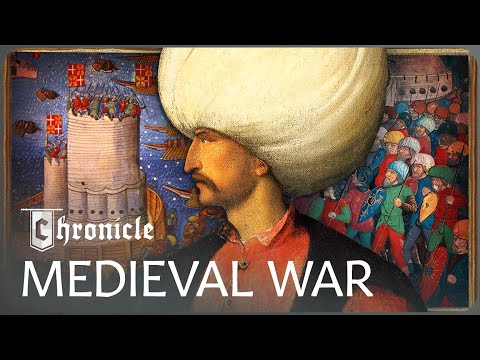
In 1522, the Knights Hospitaller, led by Grandmaster Philip Villiers de L'Isle-Adam, defended Rhodes against a massive Ottoman siege by Sultan Suleiman the Magnificent.