From over 100,000 films, discover the handful you'll love.
Free or premium access to the world's largest documentary library.
2850 films(Page 3 of 60)
The Battle of Goose Green, a pivotal engagement in the 1982 Falklands War, is examined through uncensored footage and firsthand accounts of the intense combat.
Operation Barbarossa, launched by Nazi Germany in June 1941, is chronicled through rare footage and personal accounts, highlighting the Eastern Front's early brutality.
On October 7, 2023, Gaza launches an unexpected attack that shakes Israel's security.
Indochina, encompassing Laos, Vietnam, and Cambodia, is home to the Mekong River and one of the world's most biodiverse ecosystems shaped by monsoon forces.
In north-eastern India and Burma, the Naga tribe, known for their headhunting past, faces cultural threats from evangelism and military raids as historian Visier Sanyu seeks to reconnect with the Khiamnugan Naga.
More than 2 million people have died in Sudan's civil war, driven by the struggle for control over oil resources.
The assassination of Philadelphia mob boss Angelo Bruno in 1980 ignites a violent power struggle between the New York and Philadelphia crime families.
There are over 100 peace walls in Northern Ireland, with nearly 100 located in Belfast, marking the division between communities affected by decades of conflict.
Twin Crusade follows 12-year-old twins from the Karen tribe fighting against the Burmese military.
More than 100 fully equipped German divisions waited on the invasion coasts, poised to attack Britain during World War II.
The Burmese Campaign of World War II, fought between 1941 and 1945, involved Allied forces from Britain, India, China, and the US against Japanese troops in Myanmar.
26,000 young men did not return from the brutal fighting in Burma during World War II, where British and Burmese forces united against Japan.
During World War II, the French Resistance played a crucial role in opposing Nazi occupation, employing sabotage and intelligence operations to aid Allied forces.
The Tet Offensive marked a turning point in the Vietnam War, leading to America's withdrawal and the eventual victory of North Vietnam by 1975.
Ancient Sparta's elite warriors, including the famed Spartan 300, operated a secret death squad targeting the Persian king during their military campaigns.
Japanese aggression during World War II is examined through historical footage of battles, atrocities, and key figures like Chiang Kai-shek and Emperor Hirohito.
828,000 square miles of wilderness were traversed by traders and homesteaders, leading to significant conflicts with Native American tribes.
Over 600,000 troops would die in the four years of fighting that followed the First Bull Run, a battle that shocked Washington and marked a turning point in the Civil War.
Twenty years after the Good Friday Agreement, tensions remain high as the Orange Order parades continue to provoke unrest in Belfast's divided communities.
Warships have evolved from 17th-century galleys to modern aircraft carriers, showcasing over 400 years of naval engineering and military strategy.
In 480 BC, 300 Spartans faced overwhelming Persian forces at Thermopylae, sacrificing themselves to protect Greece from invasion.
In 1942, Adolf Hitler's decision to split his forces between Stalingrad and the oil-rich cities of Maikop, Grozny, and Baku significantly impacted the Eastern Front.
150 bodies of Hezbollah fighters are returned by Israel in exchange for two Israeli soldiers during the conflict that began in 1984.
In 1943, the Axis powers faced significant setbacks in World War II, marking a turning point that shifted the momentum towards the Allies.
15 tribes in Papua New Guinea face escalating conflicts fueled by firearms and the influence of Hollywood on traditional practices.
More than a million men and women died during the 872-day siege of Leningrad as Soviet forces resisted Nazi advances in World War II.
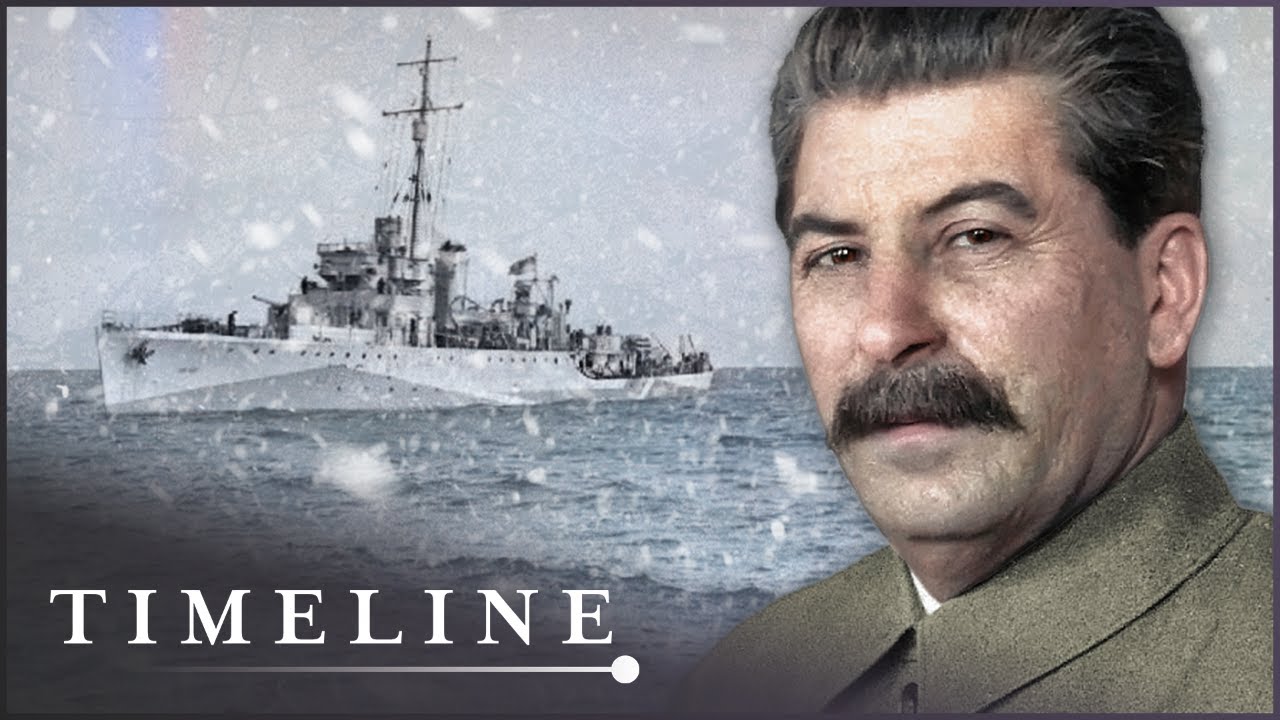
In 1944, British strategists deemed Adolf Hitler a more beneficial presence alive than dead, analyzing his disastrous military decisions like the Halt Order at Dunkirk and Operation Barbarossa.
Five armed fighters join Abd al-Rahman Hayashi in a mission to cut off supply routes to the Syrian regime during the civil war.
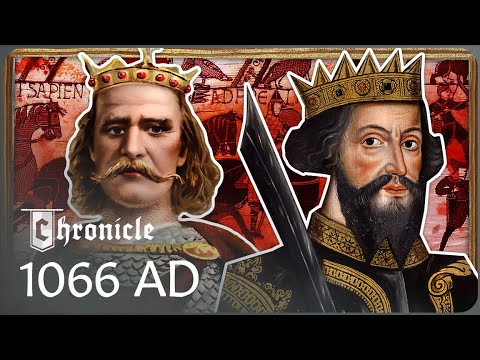
On 14 October 1066, William Duke of Normandy defeated King Harold II at the Battle of Hastings, resulting in thousands of casualties and the end of Anglo-Saxon rule.
Hiroshima's atomic bombing on August 6, 1945, is examined through firsthand accounts from survivors, medical personnel, and the Enola Gay crew.
Mozambique has a history marked by a civil war that lasted 17 years and resulted in nearly one million deaths.
In 1943, the Battle of Kursk marked the largest tank battle in history, involving 6,000 tanks and 2,000,000 troops in a failed Nazi offensive against Soviet forces.
Approximately 40 million people suffered injuries during World War I, a conflict that set the stage for Adolf Hitler's rise to power and the outbreak of World War II.
More than 100,000 people lost their lives during the 10 years of war in Yugoslavia that followed the death of dictator Josip Broz Tito.
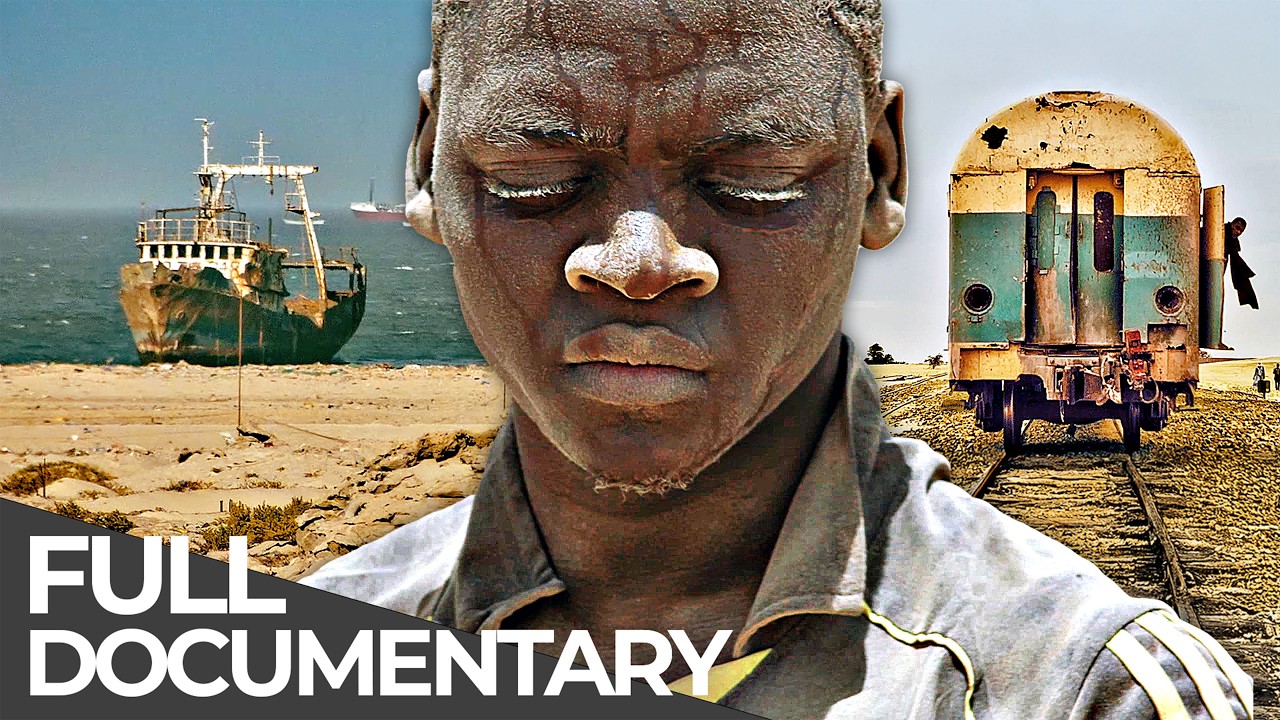
Inhabitants of the Sahara confront the challenges of migration, jihadism, and human trafficking as Bram Vermeulen traverses the desert from west to east.
Foreign nationals played a significant role in the Spanish Civil War (1936-1939), influenced by political ideologies and the fight against fascism.
In August 1941, the Allies launched Operation Dervish to support the Soviet Union during WWII.
In Syria, filmmaker Sargon Saadi examines the severe consequences of ISIS violence on the Assyrian community amidst ongoing conflict since 2011.
Human rights organizations estimate that 6 million people have died over 30 years of conflict in the eastern Democratic Republic of Congo.
Philly O'Donnell was shot in both legs six weeks after a scene was filmed, reflecting the ongoing violence in Derry, Northern Ireland.
Around 14,000 Allied soldiers, including 7,000 Americans, lost their lives in the fight for Papua New Guinea during World War II.
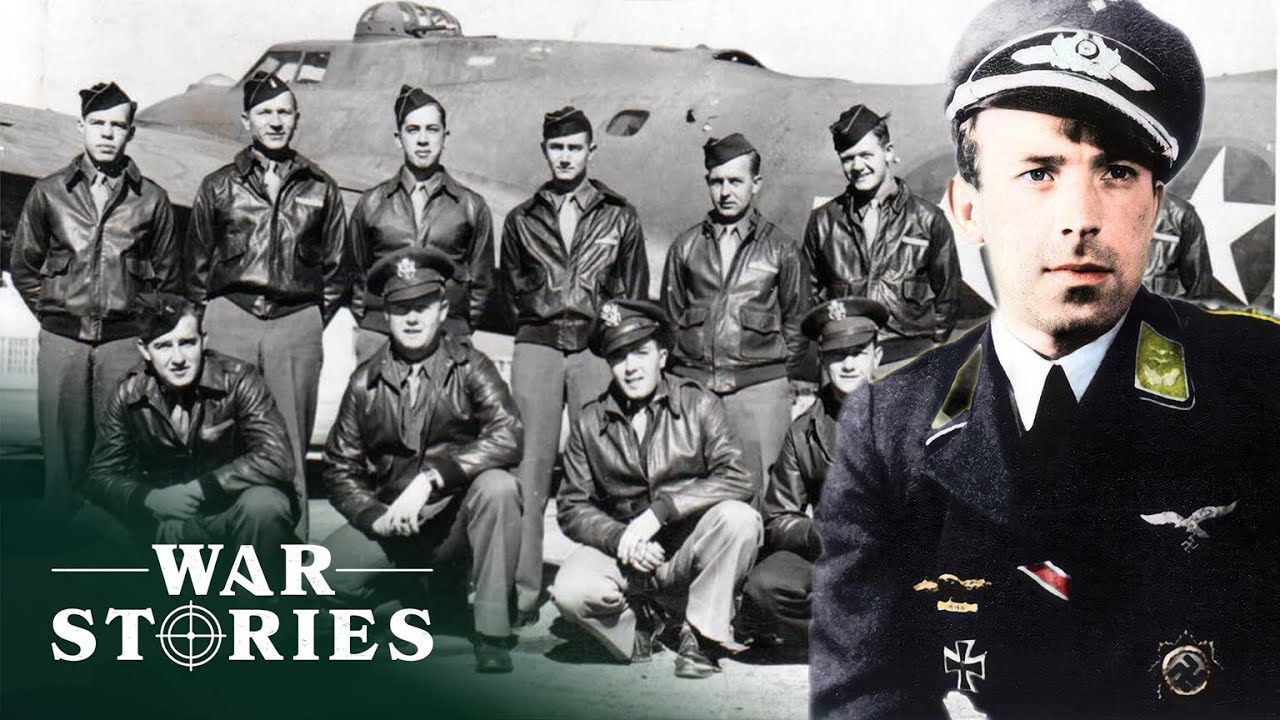
Franz Stigler, a German Luftwaffe pilot during World War II, risked his life to save the crew of an American B-17 bomber after a combat encounter.
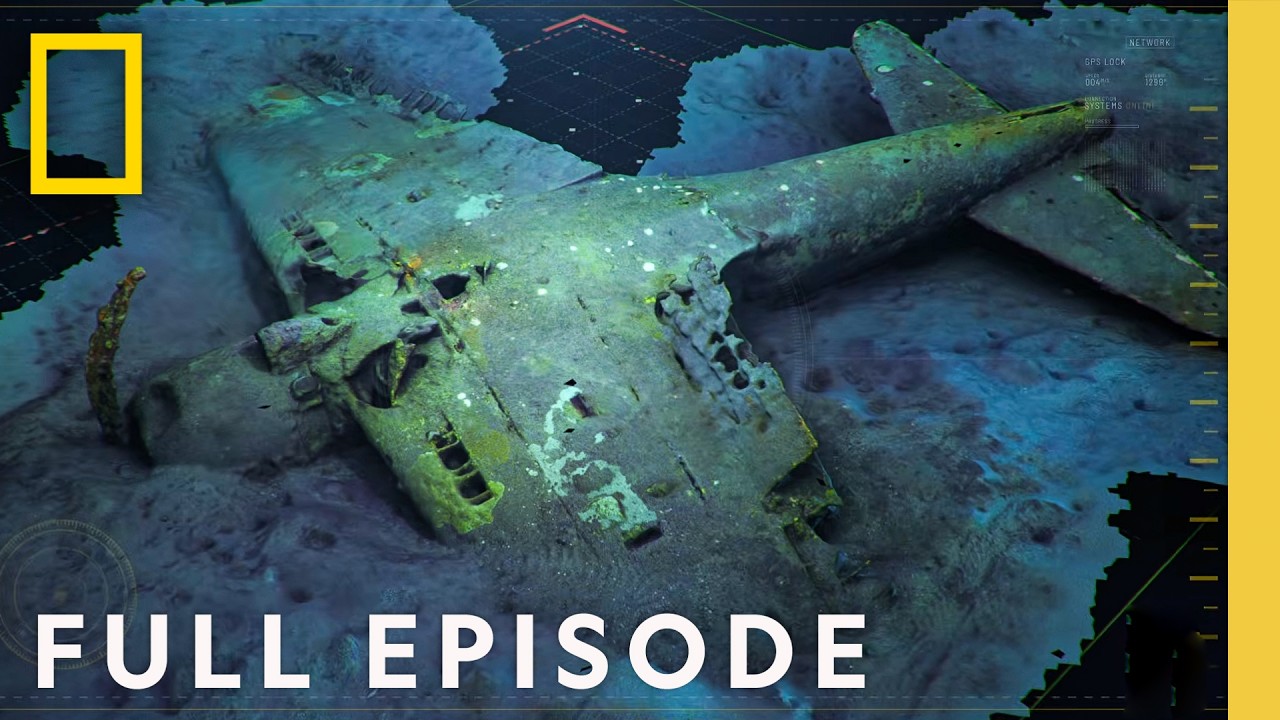
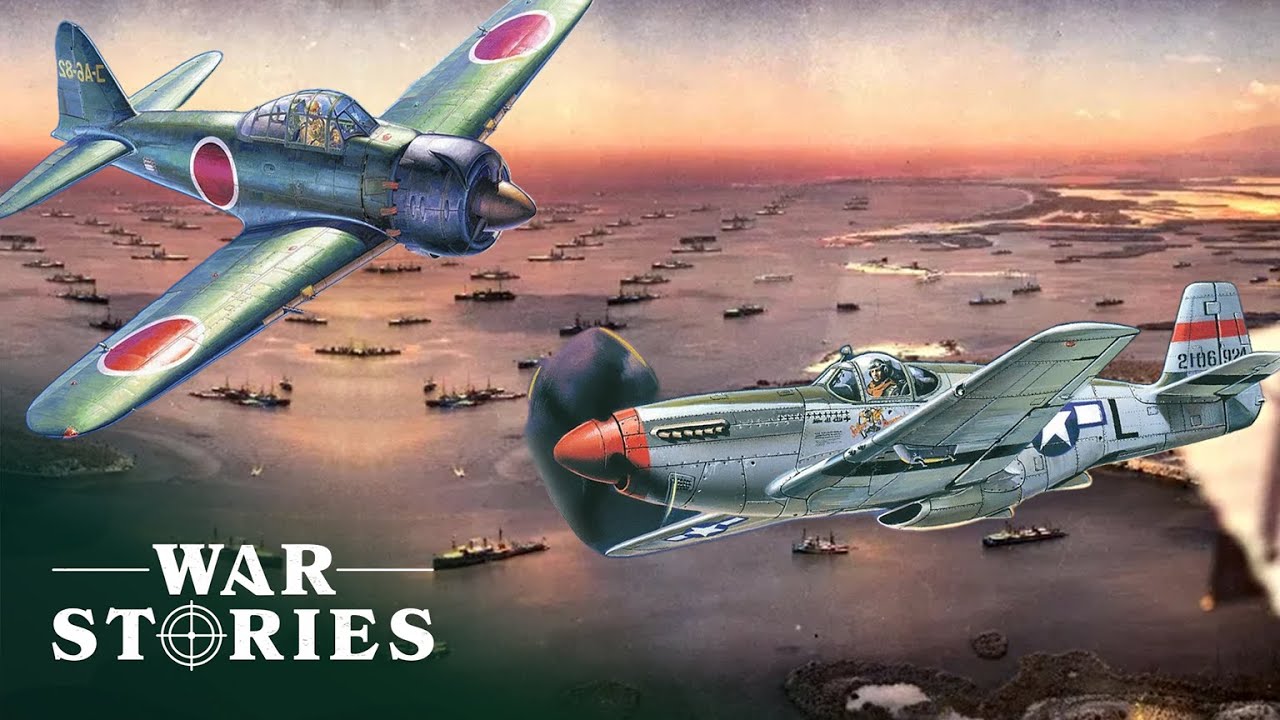
Aerial operations played a crucial role in the Pacific Theatre of World War II, significantly influencing the outcome of key battles across vast oceanic territories.
In 1944, American forces implemented the island hopping strategy in the Pacific, targeting the heavily defended Marshall Islands and engaging in the Bougainville campaign under General Douglas MacArthur.
The military history of the Dukes of Normandy, from Viking invasions to Richard the Lionheart's sieges, spans over 300 years of conflict and conquest.
Viking raids from Lindisfarne to North America are examined through the insights of historians and archaeologists, revealing complex motivations behind their invasions.
Naval aviation's evolution is chronicled from its early gliders and shipboard landings in 1911 to modern supersonic jets and unmanned aerial vehicles.
Key battles of World War II in Morocco, Egypt, and Tunisia highlight the strategic significance of North Africa in the conflict between the Allies and Axis powers.