From over 100,000 films, discover the handful you'll love.
Free or premium access to the world's largest documentary library.
2851 films(Page 4 of 60)
Key battles of World War II in Morocco, Egypt, and Tunisia highlight the strategic significance of North Africa in the conflict between the Allies and Axis powers.
U.S. combat cameramen documented the dual missions of 'Hearts & Minds' and 'Search & Destroy' during key operations like Starlight, Cedar Falls, and Masher in Vietnam.
After the battle of Kursk, Nazi Germany faced a disastrous retreat to Berlin, marked by Hitler's insistence on fighting to the last man despite mounting losses.
Charlemagne's military campaigns against Widukind highlight the violent struggle for power and religious conversion in 8th-century Saxony.
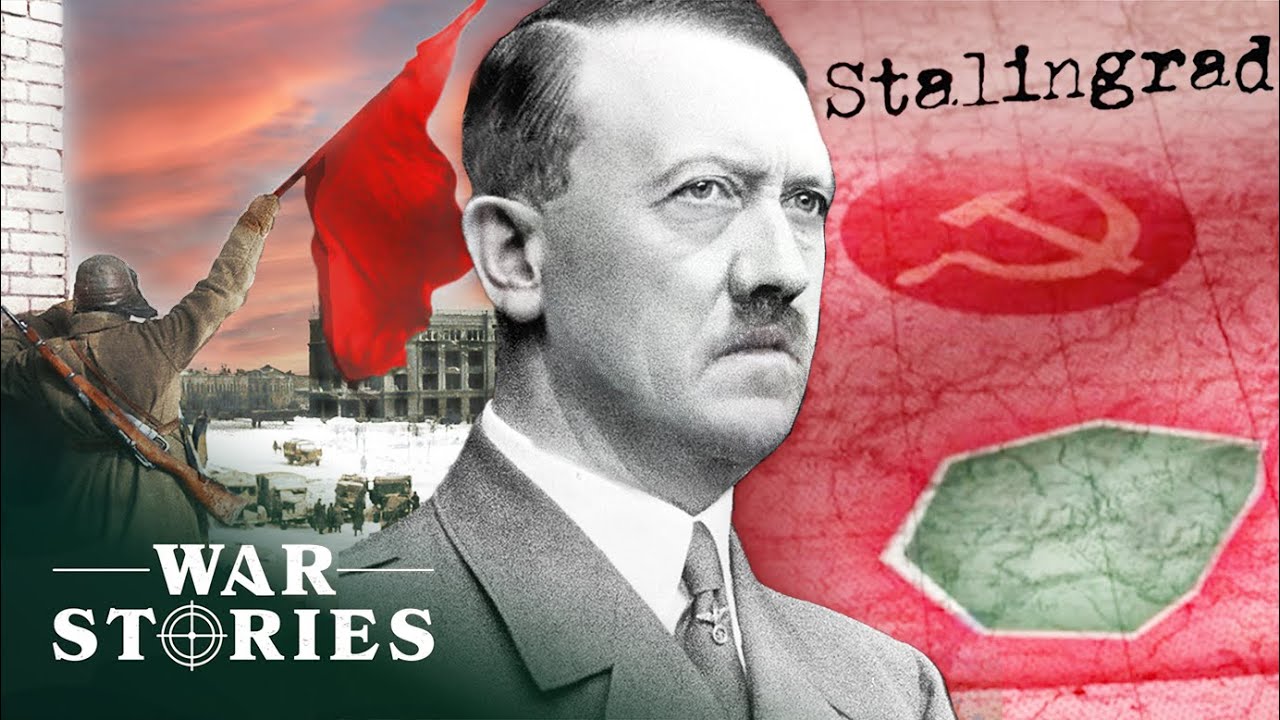
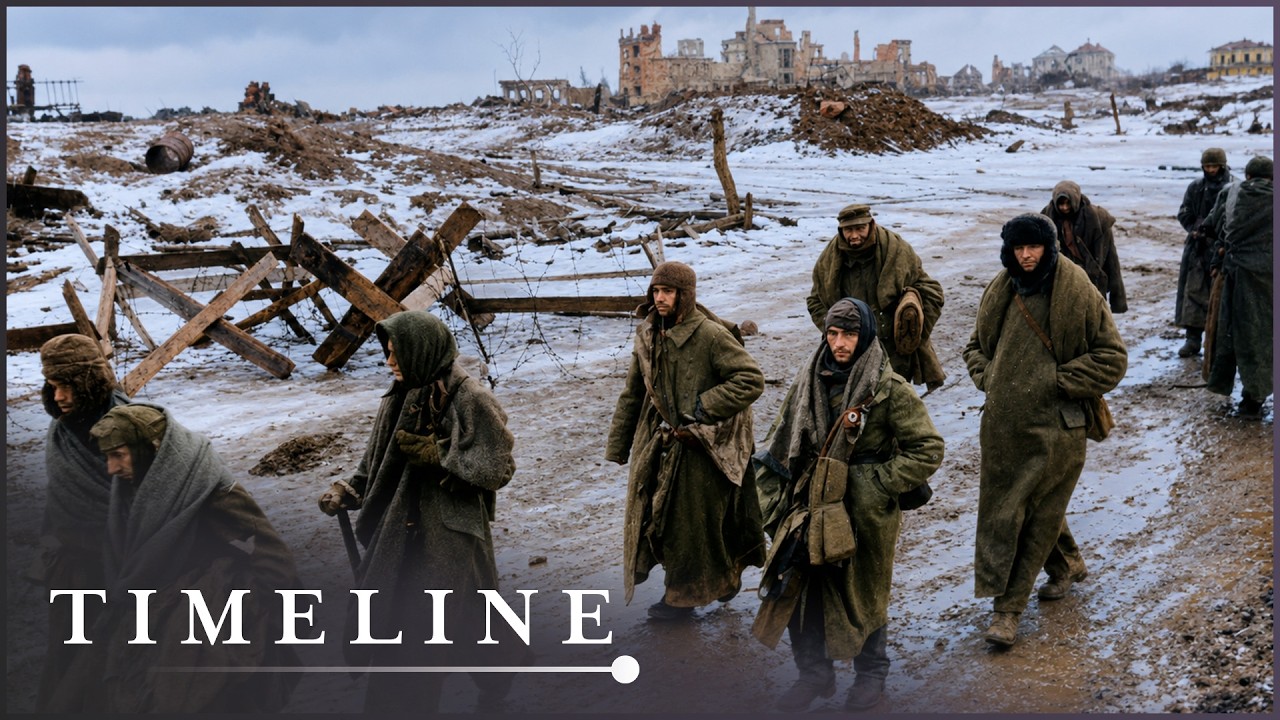
The Battle of Stalingrad marked a pivotal failure for Nazi Germany, contributing to the shift in momentum against Hitler during World War II.
In January 1879, 150 British soldiers successfully defended Rorke's Drift against an overwhelming force of over 3,000 Zulu warriors during the Anglo-Zulu War.
In Yemen, children Ahmed, Rima, and Youssef share their harrowing experiences of living amidst the devastating conflict that has plagued their country since 2015.
Carthage, once the dominant power of the Mediterranean, faced annihilation by Rome due to their intense rivalry as Rome expanded its influence.
Peleliu's Bloody Nose Ridge became the site of intense combat during the Mariana and Palau Islands campaign, marked by fierce resistance from Japanese forces against American troops.
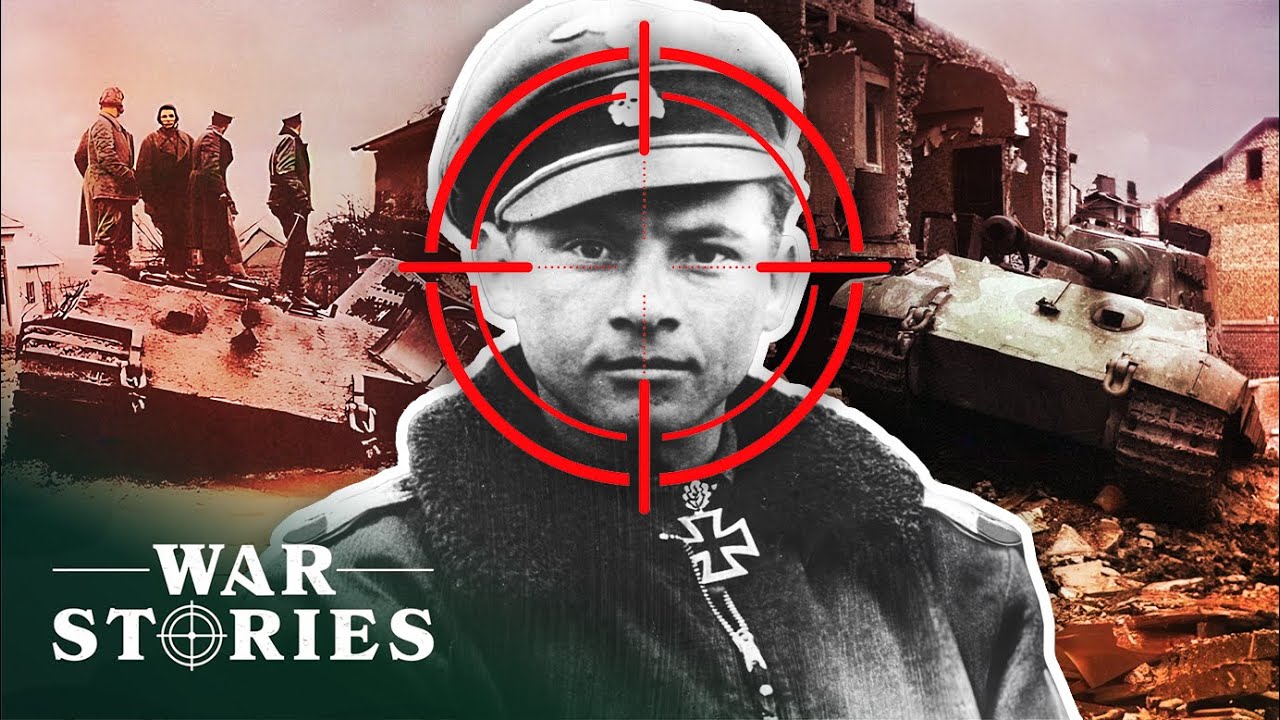
Michael Wittmann, Germany's highest-scoring Panzer ace, met his end in the 1944 Normandy battlefield, with investigations into who was responsible for his demise.
In 1096, Western Europe launched its first crusade to capture Jerusalem from the Fatimid Caliphate and defend the Byzantine Empire against the Seljuk Turks.
Japan's invasion of New Guinea in 1942 marked a significant phase in the Pacific War, featuring key battles at Milne Bay, Lae, and the Bismarck Sea against Allied forces.
Ramesses II's military campaigns against the Hittites solidified his reputation as one of ancient Egypt's most formidable and ambitious pharaohs.
On June 6, 1944, the success of the Allied invasion of Normandy hinged on a critical weather forecast that significantly influenced the operation's timing and execution.
Stalingrad marked a turning point in World War II, showcasing the brutal street fighting and psychological tactics that led to the Axis powers' decline.
Light machine guns, from the WWII-era MG42 to the modern M249 SAW, are examined for their impact on military tactics and capabilities through expert insights and live demonstrations.
The Book of Revelation serves as a focal point for exploring humanity's potential future, addressing themes of conflict and peace through biblical interpretation by David Hugh.
In 1899, the British Empire faced unexpected challenges during the Second Boer War, leading to a costly victory that left lasting political and moral scars.
An 18-year-old soldier recounts fighting in Liberia's Civil War, revealing the harsh conditions and dangers faced by young combatants.
In 146 BCE, Romans destroyed Carthage, massacring its people and erasing the city from existence in an act described as a Roman holocaust.
The Battle of Normandy in June 1944 marked a pivotal moment in World War II, showcasing the brutal realities of armored warfare against Germany's Tiger and Panther tanks.
The First Crusade, initiated by Pope Urban II in 1095, culminated in the brutal Siege of Jerusalem in 1099, resulting in a bloody conquest of the city.
In 1095 AD, the First Crusade initiated a chaotic confrontation among warlords and princes to reclaim the Holy Land from Islamic control amid the Seljuk threat.
German aggression from 1934 to 1940 is illustrated through animated maps, Nazi rallies, and key events such as the Munich Conference and the Polish campaign.
A fissure eight miles long opened during the 2002 eruption of Nyiragongo, destroying 4,500 houses and displacing 400,000 people in Goma City.
Erwin Rommel led the Afrika Korps in a pivotal tank battle against the British Eighth Army, known as the Desert Rats, during the North African campaign.
In 865 AD, Viking forces shifted from raiding to conquering in Britain, establishing winter camps and laying siege to towns while targeting local kings.
In January 1945, Allied bombers attacked Berlin, resulting in 12 deaths, 23 injuries, and leaving 1,324 people homeless in the city.
Between 1940 and 1942, Britain and her Commonwealth sent every available soldier to the North African Campaign against Axis forces.
Tony Blair's political career is examined through personal insights and key events, including his leadership of the Labour Party and the Northern Ireland peace process.
Tactics employed by the US in the Korean War included the strategic deployment of paratroopers behind enemy lines to disrupt communist forces.
The battles between England and France, including the Battle of Hastings in 1066 and the Battle of Agincourt in 1415, shaped medieval military history.
Sudan, ancient Nubia, holds many unique treasures yet remains isolated from the world.
The Civil War's legacy continues to impact American society long after 1865, revealing ongoing struggles and conflicts rooted in that era.
England faces great bitterness as the Civil War divides families and tests loyalties.
More than 30,000 East Germans fled to the West in the late 1980s, prompting massive uprisings and significant political changes in Eastern Europe.
In the Peruvian Amazon, the Mashco Piro, believed to be the world's largest isolated Indigenous tribe, face increasing contact with outsiders amid debates on their future.
The CIA conducts Operation Celestial Balance to stop Al Qaeda's 1998 embassy bombers.
In 1939, Nazi Germany implemented Blitzkrieg tactics, a revolutionary form of mechanized warfare that led to rapid territorial expansion across Europe.
The Vietnam War features American forces fighting the Viet Cong while seeking local support.
Eighty-seven-year-old Tim Slessor and his team traverse Myanmar and India, encountering royalty and tribal conflicts while retracing a historic road trip route.
A young cameraman risks his life to interview Fidel Castro in Cuba, marking the start of a career that spans over 50 years of conflict reporting.
In March 1945, U.S. troops document the fall of Nazi Germany in color, capturing the devastation and surrender through the lenses of George Stevens and Major Kirke B. Lawton.
Over 600 journalists have been killed since the United Nations Security Council passed Resolution 1738 in December 2006 to improve their safety in conflict zones.
In 1940, Adolf Hitler and Winston Churchill engaged in a fierce war of words, with each leader's propaganda portraying the other as a tyrant bent on destruction.
Anton Mussert, Ioannis Rallis, and Finnish Marshal Gustaf Mannerheim exemplify the complex moral choices faced by collaborators during World War II.
In 1918, Germany launched the Kaiserschlacht offensive on the Western Front, aiming for a decisive victory before American forces could impact the war.
The Peloponnesian War, fought from 431 to 404 BCE, resulted in the destruction of Athens' long walls, crippling its ability to import essential food supplies.