From over 100,000 films, discover the handful you'll love.
Free or premium access to the world's largest documentary library.
260 films(Page 2 of 6)
Paul O'Sullivan climbs 108 steps daily to help visitors kiss the Blarney Stone, believed to bestow the gift of eloquence.
Krista, a high-performance cow in East Frisia, becomes a symbol of excellence in cattle breeding as farmer Jörg aims to establish her as a trademark in Europe's food industry.
Eighty-six vessels, including battleships and cruisers, lay anchored in Pearl Harbor on the morning of December 7, 1941, before the surprise attack.
Traditional mixed orchards in central Europe are rapidly disappearing due to industrial farming, threatening diverse ecosystems and species like nuthatches and migratory birds.
The moon's role as a symbol of the unconscious is examined, questioning its influence on early agricultural practices and contemporary beliefs.
As the days shorten, the team re-enacts Christian harvest traditions like Michaelmas and explores herbal remedies to combat winter ailments.
Wool production contributed to approximately half of England's wealth during the Middle Ages, with monasteries relying on sheep for various resources.
In southwestern Ontario, transient field workers harvest tobacco in late July, a labor-intensive process referred to as "the back-breaking leaf."
In southern Germany, farmer Herman Meer conducts an experiment with nearly 300 cattle living outdoors year-round, promoting natural behaviors and humane farming practices.
Only 25% of the Ebro Delta remained untouched by human activity by 1983, prompting the creation of a natural park to ensure its conservation.
Farmers in Paraguay, like Geronimo Arevelos, struggle against corporate GMO soy expansion.
Early Saskatchewan settlers faced harsh conditions while establishing the foundation of the co-op movement on the Prairies.
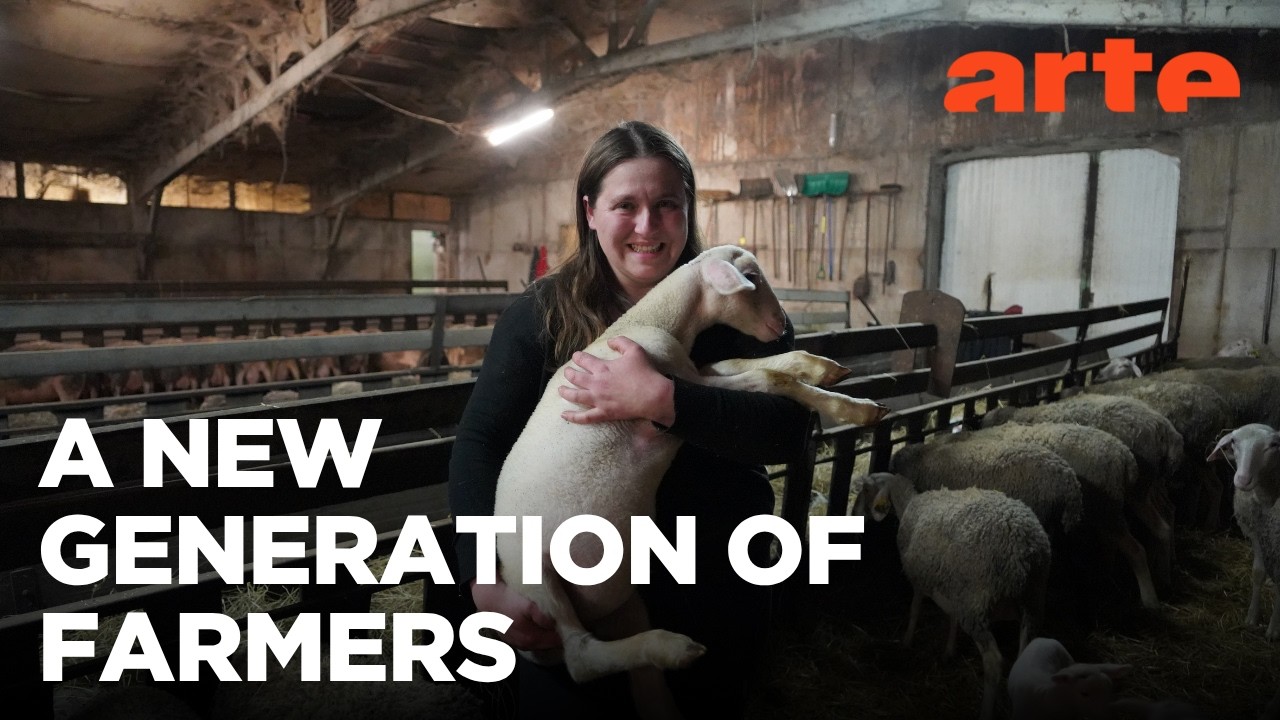
As many French farmers approach retirement, a new generation from urban areas is stepping in to sustain the nation's agricultural production.
At Wing Fong Farm in Ontario, Lau King-Fai, her son Yeung Kwan, and migrant Mexican workers cultivate Asian vegetables for Chinese markets and restaurants.
In 1935, a herd of 2,700 reindeer was transported from Alaska to northern Canada to enhance the economic conditions of the Inuit population through herding.
Over four and a half million people live in Mexico City, the largest Spanish-speaking city in the world.
A team of scientists studies the transfer of energy through the desert ecosystem, examining interactions among plants, insects, and animals.
Records from the Extension Service at the National Archives provide valuable insights into rural life in the early 20th century, enriching family history research.
George Washington's innovative farming practices and his struggle to reconcile them with slavery ultimately led him to free his enslaved workers after his death.
In Québec, a farm prepares for spring as ice melts from the stream, signaling the time for cleaning, ploughing, and planting.
Monsanto's herbicide Roundup faces scrutiny for its health impacts, prompting bans in various countries while the United States remains the largest user.
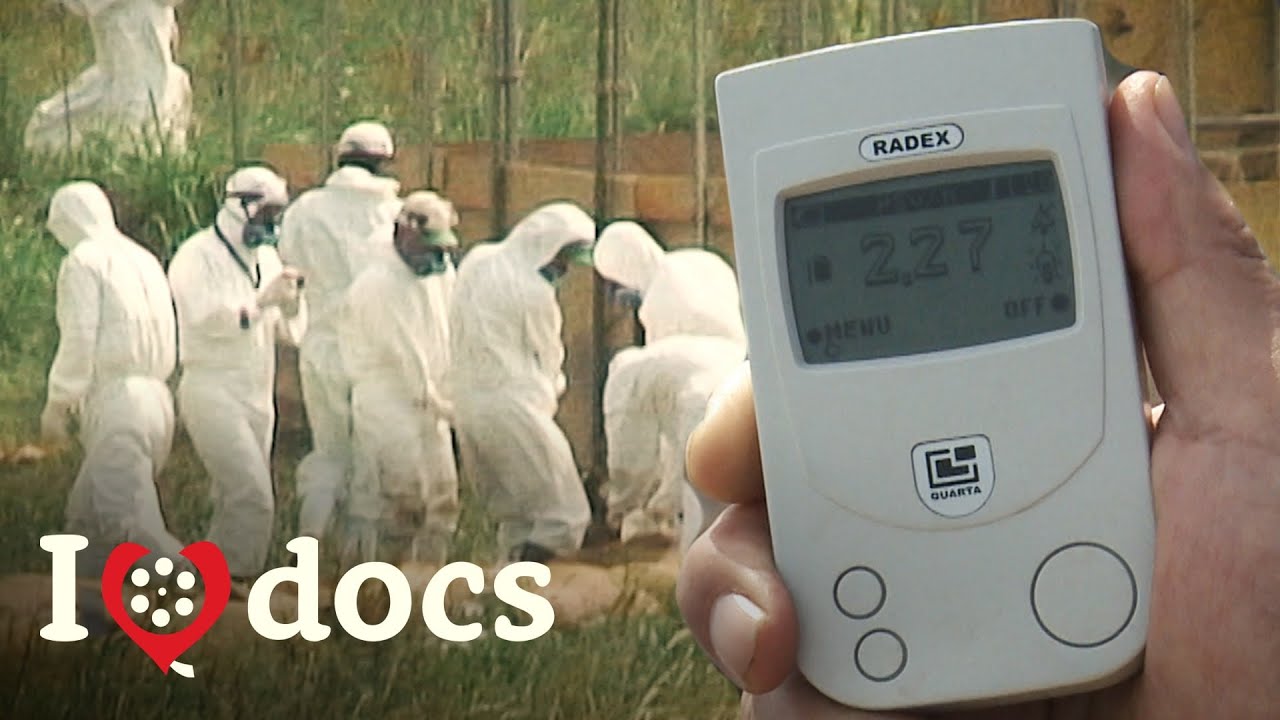
In Fukushima, five cattle farmers struggle to care for their radioactive livestock, which have become symbols of the ongoing consequences of the 2011 nuclear disaster.
In Kamouraska, Quebec, Patrice Fortier cultivates rare plant seeds at La société des plants, promoting biodiversity and heritage through his seed bank.
A group of Maine dairy farmers collaborates to establish a milk company, facing the risks and challenges that could determine their business's future.
Southern Spain's Almeria region features 32,000 hectares of greenhouses that rely on approximately 100,000 migrant workers to produce fruits and vegetables for European markets.
Cocoa producers in Ghana face challenges from global warming, illegal mining, and pest infestations, prompting innovative solutions for a sustainable chocolate industry.
Inle Lake, a vital ecosystem in Myanmar, faces ecological threats from modern agricultural practices as local farmers use pesticides and fertilizers on floating gardens.
Pierre Girard investigates how integrating cows and sheep into sustainable agriculture can enhance crop yields and reduce carbon emissions in farming practices.
In the sub-Arctic town of Dawson City, Yukon, a diverse group of farmers cultivates crops in the harsh boreal forest, showcasing their resilience and connection to the land.
In a southern community, county agents implement a cattle dipping program to eradicate ticks, facing resistance from farmers and culminating in a dramatic resolution.
In Texas, the Ogallala Aquifer faces severe depletion, prompting conflicts among farmers and communities reliant on its vital water resources.
1920 acres of farmland in British Columbia's Peace River Valley face threats from development, prompting concerns from women farmers about future food production.
Marilyn Waring advocates for valuing clean air, water, and ecosystems in New Zealand, drawing on the insights of local farmers and Māori traditions.
Alain Philoctète, a Haitian artist and activist, pursues a permaculture project in Haiti while battling cancer, as documented by Will Prosper.
At strawberry farms across California, immigrant workers labor tirelessly to harvest fruit by hand, embodying the pursuit of the American dream.
Invasive species like raccoons, tiger mosquitoes, and grey squirrels pose significant challenges to agriculture and public health while also offering unexpected benefits in ecosystems.
Lanzarote, the easternmost island in the Canary Islands, features a dramatic landscape shaped by volcanic activity, fertile vineyards, and a thriving surfing culture.
Amboseli National Park, home to over 50 mammal species, faces increasing threats from human encroachment and climate change, impacting wildlife and local farmers.
In Adams County, Pennsylvania, Nick Kessler and Brian Fulmer explore apple country, meet the Apple Queen, and experience a historic tavern and a wild west gunfight.
A couple in rural France spent three years developing a glamping site that promotes sustainable agriculture and community engagement.
Stijn Hilgers plans to move 150 sheep to France as he seeks to balance traditional shepherding with the demands of a changing economy.
Gene-editing technologies are being utilized by scientists globally to enhance food crops, prevent famines, and accelerate reforestation efforts.
iCizzle's garden project illustrates how cultivating a garden can enhance human connections with plants and wildlife, promoting environmental stewardship.
Calving begins around April 1 at the Chico Basin Ranch, where Duke Phillips manages cattle operations alongside his family in Colorado.
In the Gaspé region, the neo-rural phenomenon highlights community strength and environmental challenges as the seasons change and harvests unfold.
In the Gaspé region, spring signifies the start of planting and land work, highlighting the benefits of cooperative efforts and mutual aid among neo-rural communities.
People from five countries along the 15th meridian east, including Spitsbergen, Sweden, Austria, Poland, and Chad, share their culinary traditions and food production methods.
Enter the wonderful world of the woods and treat yourself to a fascinating forest experience.