From over 100,000 films, discover the handful you'll love.
Free or premium access to the world's largest documentary library.
235 films(Page 4 of 5)
The Royal Aircraft Establishment in Farnborough was a global center of aviation research for over a century, influencing aircraft development and technology.
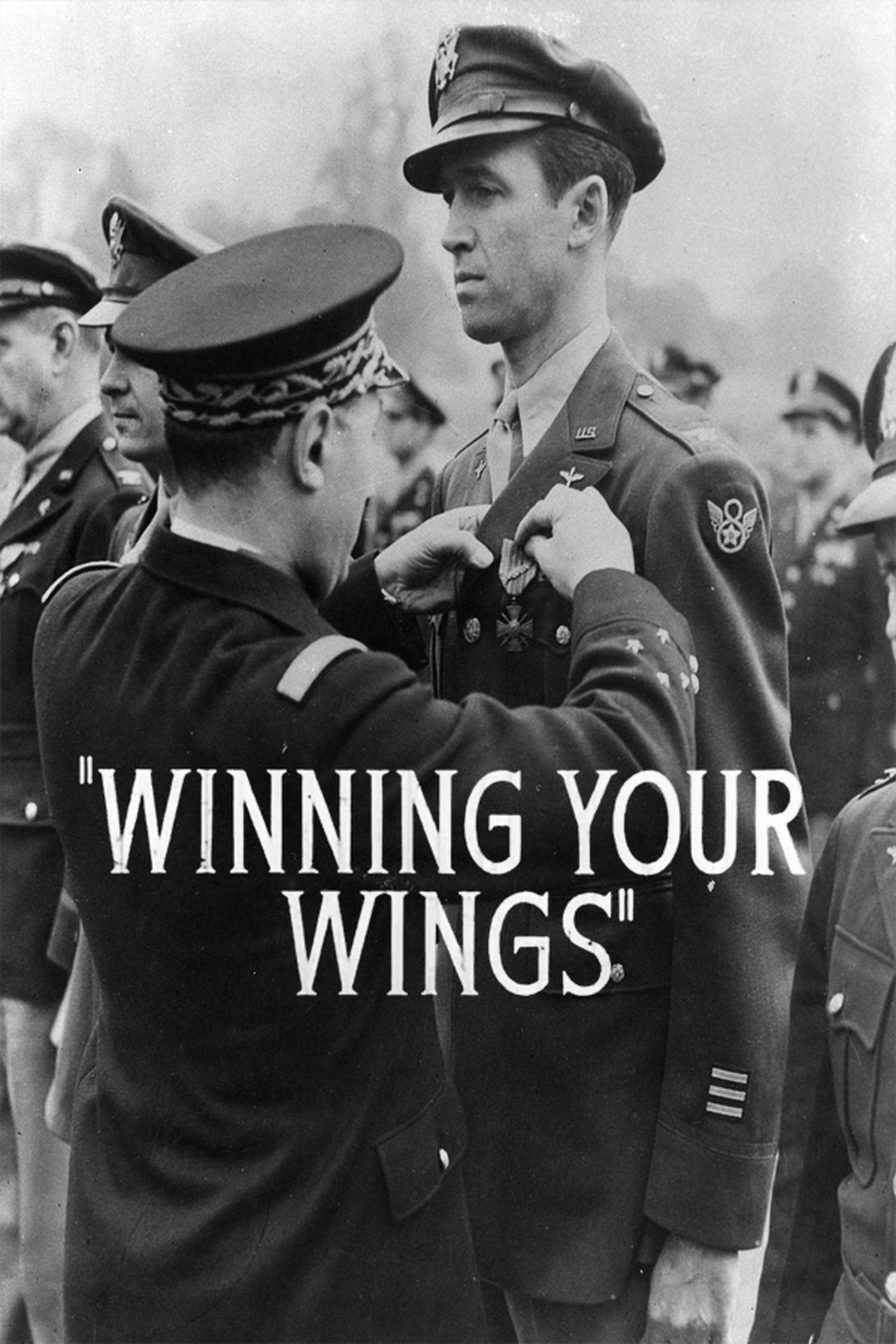
A wartime call to arms showcasing the thrill of flying for the Air Force.
A project to build the first real-time machine has just begun, with scientists aiming to master time itself within this century.
Air superiority played a crucial role in World War II, particularly in the intense aerial battles between the RAF and the Luftwaffe.
Duxford airfield, a key base during World War II, was home to the U.S. Eighth Air Force and played a vital role in the Battle of Britain.
The United States and Canada drew up plans to invade each other in the 1920s and 1930s, with the U.S. plan declassified in 1974.
Growth is the fundamental principle of capitalism, but Karl Marx warned that it could eventually lead to the system's collapse.
In April 1953, Queen Elizabeth II offered Winston Churchill the Order of the Garter, recognizing his service as her first Prime Minister.
By the mid-1600s, Berlin's population exceeded 20,000, marking its growth as a significant city in Europe before the turmoil of the 20th century.
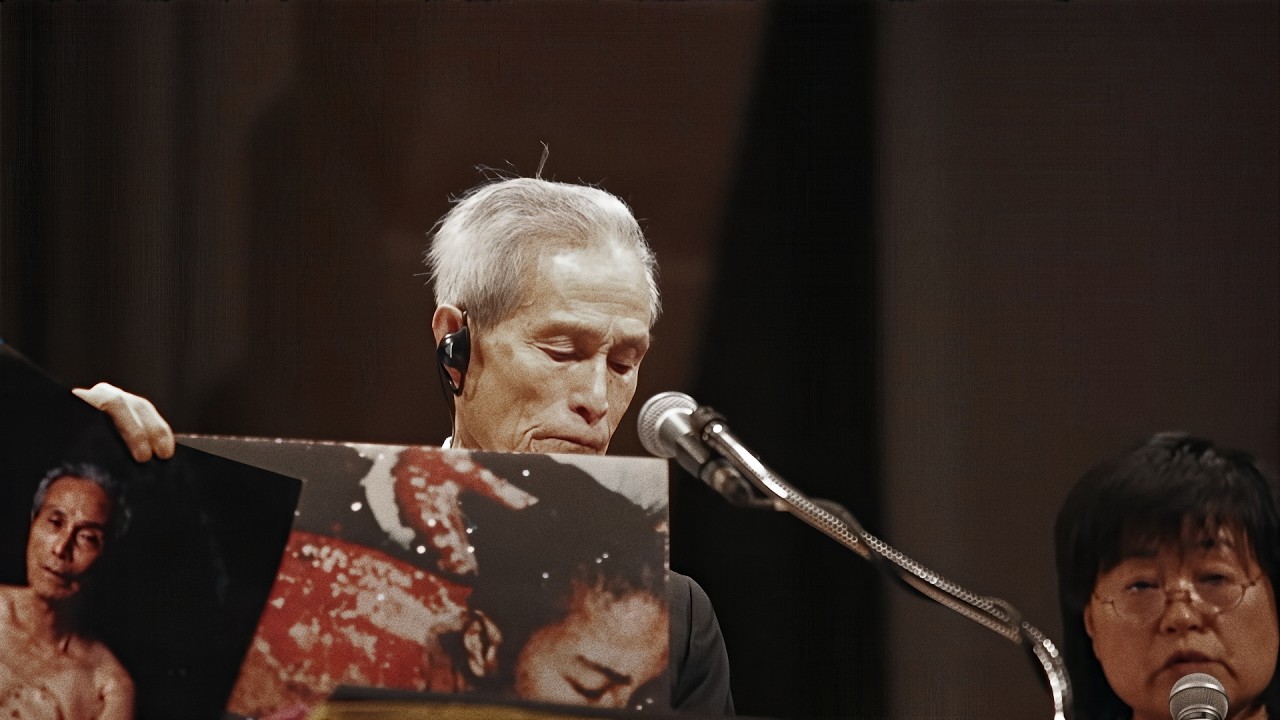
In August 1945, Sumiteru Taniguchi was 16 years old when he survived the atomic bombing of Nagasaki, an experience that deeply influenced Peter Townsend's writing.
2,403 Americans died during the Japanese attack on Pearl Harbor on December 7, 1941, which led to the United States entering World War II.
Daniel Dancis, an archivist at the National Archives, discusses the creation of Spanish language posters commissioned during World War II to engage Hispanic Americans.
128 aircraft from six countries participate in the largest air combat exercises at Nellis Air Force Base in Nevada, known as Red Flag.
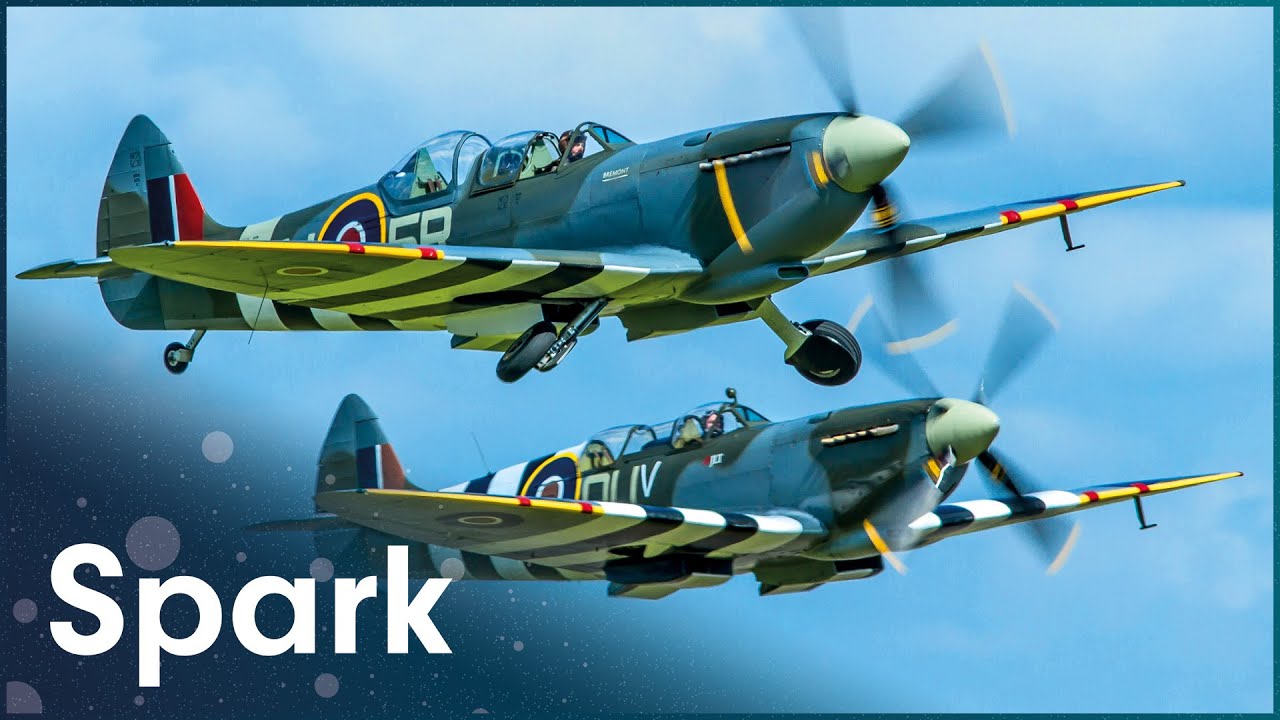
24,000 Spitfires were built during World War II, and a team at a British airfield works to restore one of the few remaining models to flying condition.
On the 227th anniversary of the U.S. Constitution, a panel discusses its relevance and recent court cases at the National Archives in Washington, D.C.
In a 2002 BBC poll, Winston Churchill was voted the greatest Briton ever, largely for his leadership during World War II.
The Allied Invasion of Europe and the subsequent victory over Nazi Germany during WWII are chronicled through archived footage from the 1945 US Office of War Information.
The USS Indianapolis sank on July 30, 1945, resulting in the worst sea disaster in U.S. naval history, with survivors facing five days adrift in the Pacific.
Rutka Laskier's diary, written in 1943, remained hidden for over 60 years before being discovered in 2006, revealing her experiences in a Polish ghetto.
The 100th bomber group of the Eighth Air Force, known as the "bloody hundredth," faced significant losses while conducting bombing missions over Europe during World War II.
Hill 400, standing at 1,300 feet, became the site of a brutal battle in December 1944 as Lt. Col. James Rudder's 2nd Ranger Battalion advanced into Germany.
Harry Miller, who was just 16 years old when he fought in the Battle of the Bulge, shares his experiences during a program at the National Archives.
A new group of Army nurses arrives in Korea, quickly assigned to hospital duties while adapting to the challenges of military life.
In February 1945, a cargo of car wheels from Hannibal, Missouri, was loaded onto a ship in San Francisco to support U.S. military efforts in the Pacific.
David M. Rubenstein has spoken with the world's highest performing leaders over the past five years to compile insights into a leadership guidebook.
Richard Brookheiser discusses 13 key documents from 1619 to 1987 that define America's unique relationship with liberty.
Longacres Race Track, built in just 33 days in 1933, became a significant venue for Thoroughbred racing in the Pacific Northwest.
Rachel Salyer discusses records from record group 242, which includes foreign records seized during World War II, at the National Archives in Washington, D.C.
Thirteen modern Vice Presidents are examined for their complex relationships with Presidents in a discussion led by author Kate Andersen Brower.
The National Archives holds well over 400,000 films, making it one of the three largest film collections in the United States.
Twelve shows are performed in 14 weeks at the Barn Theatre, a venue that has launched the careers of many actors, including Diane Ladd and Jennifer Garner.
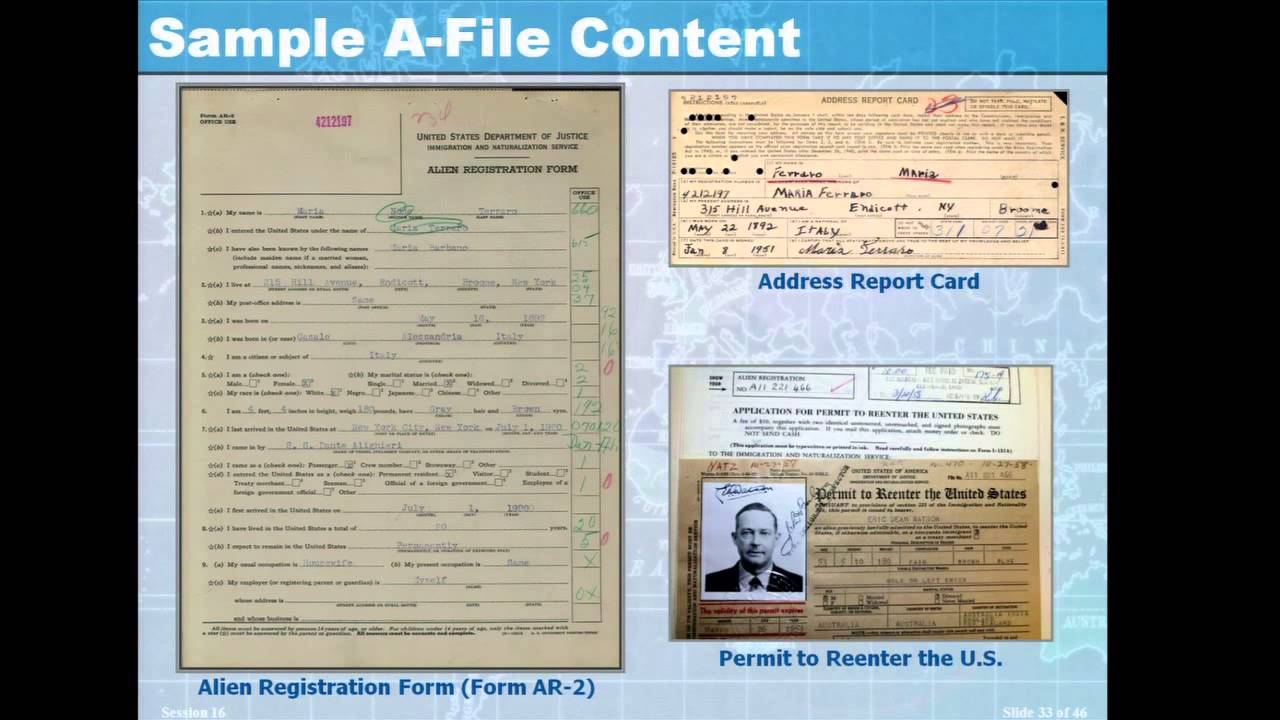
Records from the Immigration and Naturalization Service between 1906 and 1964 are screened for privacy issues, including personal medical and legal information.
A panel discussion at the National Archives emphasizes that the First Amendment guarantees freedom of speech and of the press, linking independent media to the rule of law.
Historic panoramic photographs from the Alaska Territory, taken by U.S. Geological Survey topographers between 1910 and 1932, are displayed at the National Archives.
In 1941, as German forces advanced on Moscow, Stalin declared martial law and ordered the execution of looters and suspected spies.
The Latvian steamer Rasma sank in 1941 near Mohni Island, carrying bicycles and sewing machines that changed the lives of local residents.
Federal agencies documented aliens living in the United States during the Civil War, World War I, and World War II, as discussed by archivist Elizabeth Burnes.
Frankie San, a Japanese immigrant during WWII, provided hope to fellow inmates in an American prison, highlighting themes of resilience and humanity.
In 1946, three Holocaust survivors at the Ben Shemen school in Palestine share their experiences of trauma and healing in the aftermath of World War II.
Over the past 100 years, the Karuna to Narvik railway line has transported over 1 billion tons of iron ore, shaping the region's economy and infrastructure.
In 1934, Nikola Tesla announced his invention of a particle beam weapon, known as the death ray, which could bring down airplanes from thousands of miles away.
2,500 concrete piles were used to support the Market Hall in Rotterdam, a massive arch structure built on swampy ground that combines housing and marketplaces.
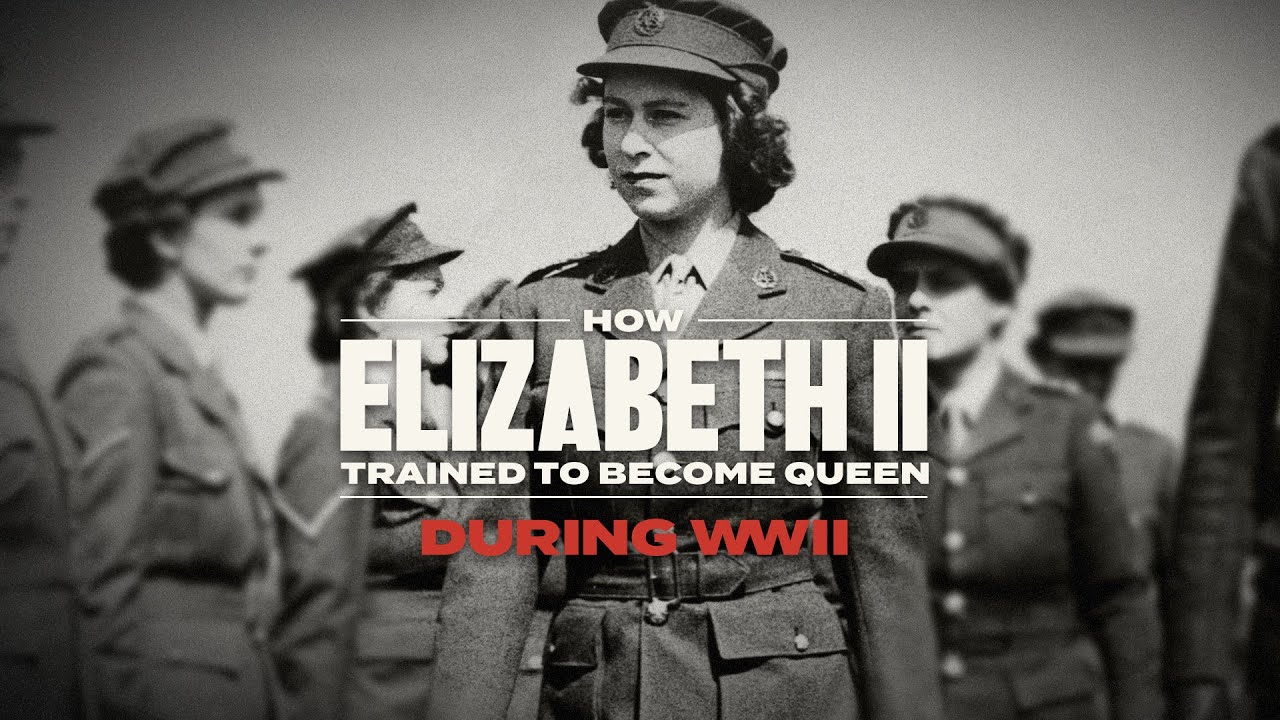
Elizabeth II's early life during World War II shaped her path from a royal child to the Queen of England, highlighting her resilience amid global conflict.
35,000 airborne troops were dropped into German-occupied Holland during Operation Market Garden in September 1944, one of the largest military operations in history.
The battleship HMS Hood was a powerful battlecruiser that faced the German battleship Bismarck in a fateful clash during World War II.
In June 1944, thousands of American soldiers landed on the beaches of Normandy, marking the beginning of the D-day invasion during World War II.
In 1943, the government evacuated Imber, a village with a history dating back at least a thousand years, leaving it abandoned and under military control.
Elizabeth II's ascent to the throne following World War II is explored, highlighting her transformation from a wartime child to the Queen of England.