From over 100,000 films, discover the handful you'll love.
Free or premium access to the world's largest documentary library.
234 films(Page 2 of 5)
Emperor Jimmu is said to have ruled from 660 BC, making the Japanese Imperial family the oldest hereditary monarchy in the world.
150 years ago, Karl Marx warned that economic growth, the foundation of capitalism, could ultimately lead to the system's collapse.
Five million people from the Commonwealth served in World War II, with four Singaporeans fighting in distant theaters against the Nazis.
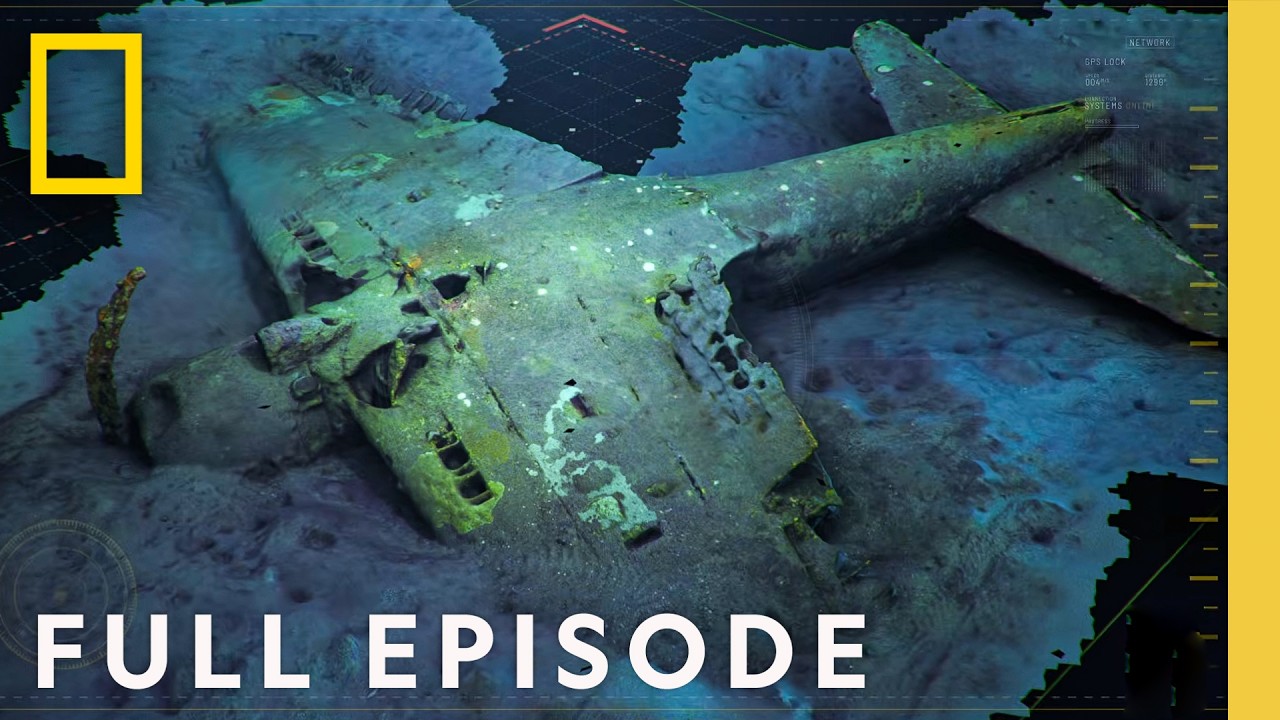
A US submarine, 311 feet long, sank in the Gulf of Thailand during World War II, taking the lives of 86 crew members who remain entombed beneath the waves.
In March 1945, two men, Michael Le and Roy Faron, disobey orders to launch a surprise attack on a German headquarters in northern Italy.
On March 28, 1940, the Franco-English supreme council decided to mine Norwegian waters, marking a critical escalation in the conflict with Germany.
August 13, 1937 marks the day when China stood up against Japanese militarism in the Battle of Shanghai, a conflict often overlooked in World War II narratives.
1,177 men died on the USS Arizona during the attack on Pearl Harbor on December 7, 1941, which now lies submerged as a war memorial.
Finland, a nation of 3.5 million people, fought alongside Nazi Germany during World War II to avoid being overtaken by the Soviet Union.
Paul Touvier, a Nazi collaborator, was found guilty of crimes against humanity and sentenced to life in prison, becoming the first French citizen to face such charges.
188 aircraft were destroyed during the Japanese attack on Pearl Harbor on December 7, 1941, marking a significant escalation in World War II.
In October 1943, a formal agreement between the Allies led to the formation of a United Nations commission on war crimes against the Axis powers.
Duško Popov drained German intelligence of $85,000 during World War II, significantly impacting the success of D-Day and the Allied war effort.
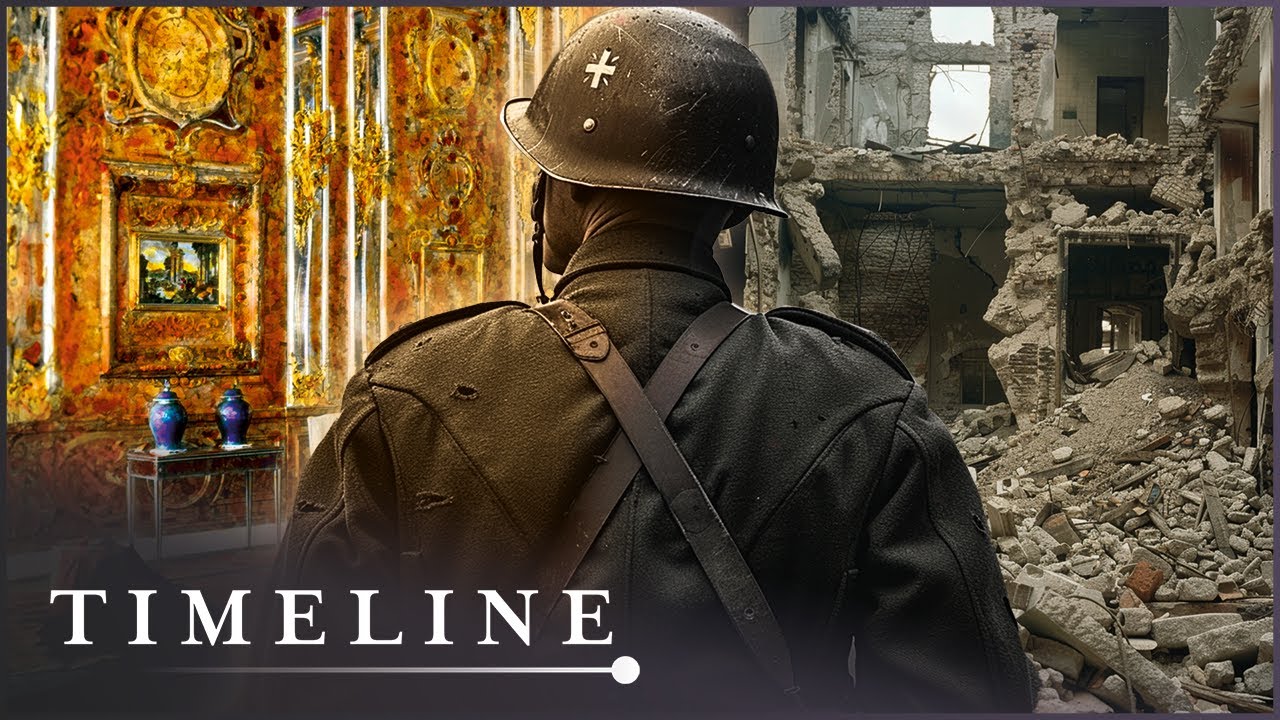
R. Hattenhauer has searched approximately 150 miles of mines in southeast Germany for the missing Amber Room, looted by Nazis during World War II.
By late 1943, the Allies had dominated the Atlantic, leading to the loss of nearly 800 German submarines and 32,000 Allied sailors.
In 1945, Franklin D. Roosevelt faced tensions with Winston Churchill and Joseph Stalin while grappling with chronic heart disease and a troubled marriage.
Operation Barbarossa, Hitler's 1941 invasion of the Soviet Union, marked the largest and costliest land offensive in history during World War II.
Allied forces suffered over 12,000 casualties, including 2,000 dead and 3,500 missing, during the invasion of Sicily from July to September 1943.
In 1943, the genocide of European Jews reached a quasi-industrial stage, prompting desperate resistance from Polish Jews in the Warsaw Ghetto.
The Fritz X bomb, an early precision weapon, had a success rate over 80 times higher than conventional bombs during its combat debut in 1943.
On March 7, 1945, US forces captured a bridge near Remagen, allowing the Allies to penetrate deep into German territory.
The Battle of Stalingrad marked a pivotal turning point in World War II, representing Hitler's first major defeat and a significant shift in the conflict's momentum.
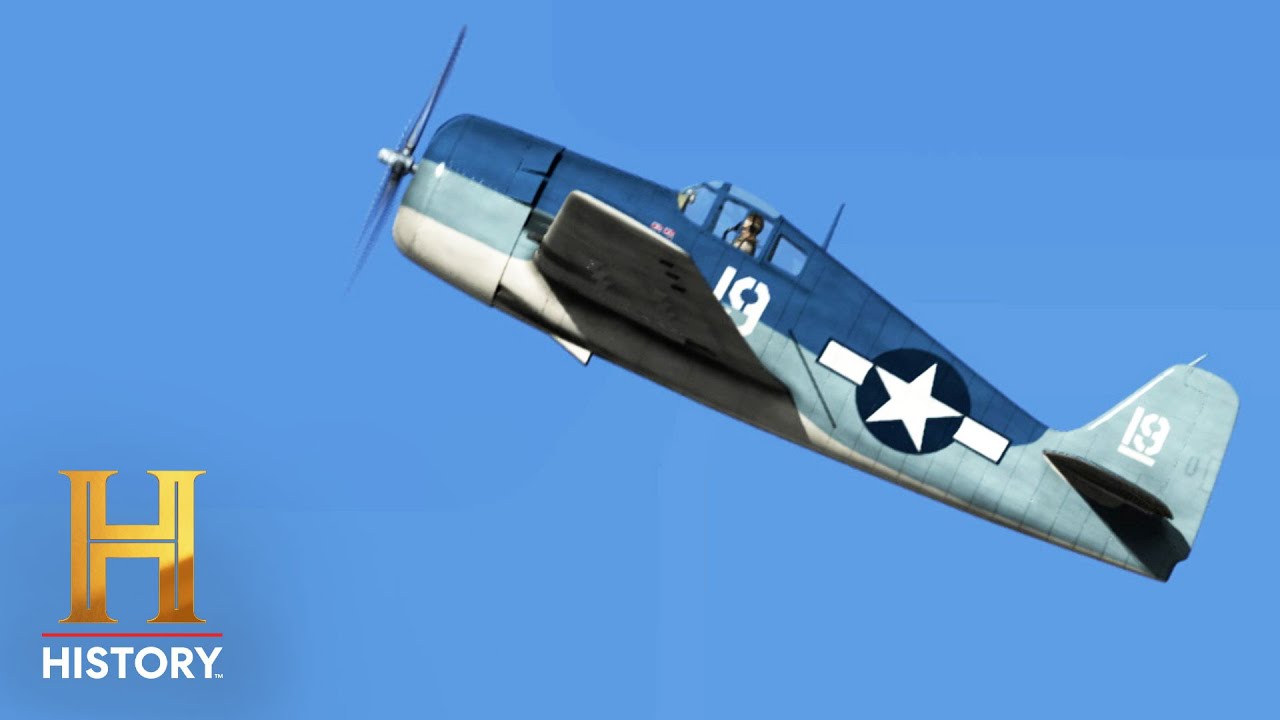
130 Japanese planes are lost in a single day during an intense aerial battle over Truk Atoll, marking a significant moment in World War II.
20 million Germans fled as the Berlin Wall was erected in 1961, dividing families and altering lives for nearly three decades.
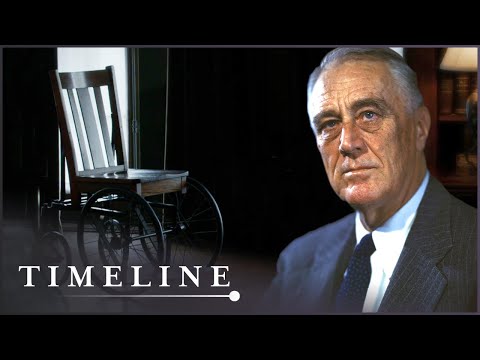
Franklin D. Roosevelt was diagnosed with chronic heart disease and lived as a secret paraplegic during his 12 years in office.
Over 6,000 tanks participated in the Battle of Kursk in July 1943, marking the largest tank battle in history and a turning point in World War II.
Auschwitz could incinerate several thousand people in just 24 hours, raising urgent questions about the Allied response to the Holocaust in 1944.
A flamethrowing tank could fire a jet of flame for up to 50 yards, designed to force enemy infantry out of fortified positions during World War II.
The siege of Leningrad lasted 872 days, resulting in the deaths of over a million men and women as German forces attempted to conquer the city.
21 ships of the U.S. Pacific Fleet were sunk or damaged during the Japanese attack on Pearl Harbor on December 7, 1941.
26,000 young men did not return from the brutal fighting in Burma during World War II, where British and Burmese forces united against Japan.
5,000 men, women, and children attempted to flee the Soviet army aboard the General Von Steuben before it sank in the Baltic Sea in 1945.
More than 20 million veterans from American wars face challenges in receiving adequate care and support from the Veterans Administration.
Clubs in Berlin operate for up to 36 hours straight, attracting partygoers from around the world to its vibrant nightlife scene.
More than a million men and women died during the 872-day siege of Leningrad as Soviet forces resisted Nazi advances in World War II.
Operation Blue marked a pivotal moment in World War II as the German Army's attempt to capture Stalingrad resulted in one of the deadliest battles in history.
1,700 crew members were aboard HMS Ark Royal when it sank after an explosion, with only one reported death during its tragic end.
More than 512,000 Poles were killed during World War II, leading to the near-total destruction of Warsaw, which was rebuilt in just 15 years.
A Typhoon jet, costing 60 million pounds and capable of flying at almost twice the speed of sound, represents the Royal Air Force's advanced technology.
Around 14,000 Allied soldiers, including 7,000 Americans, lost their lives in the fight for Papua New Guinea during World War II.
Nazi Germany's advance in 1940 forces Winston Churchill to defend Britain from aerial attacks while Franklin D. Roosevelt mobilizes wartime production.
Allied air forces engage in a costly battle against the German Luftwaffe during World War II, highlighting the strategic significance of aerial combat in Europe.
April 3, 1941, marked a significant advance for Erwin Rommel's Africa Korps as they seized control of the second Libyan city, Benghazi.
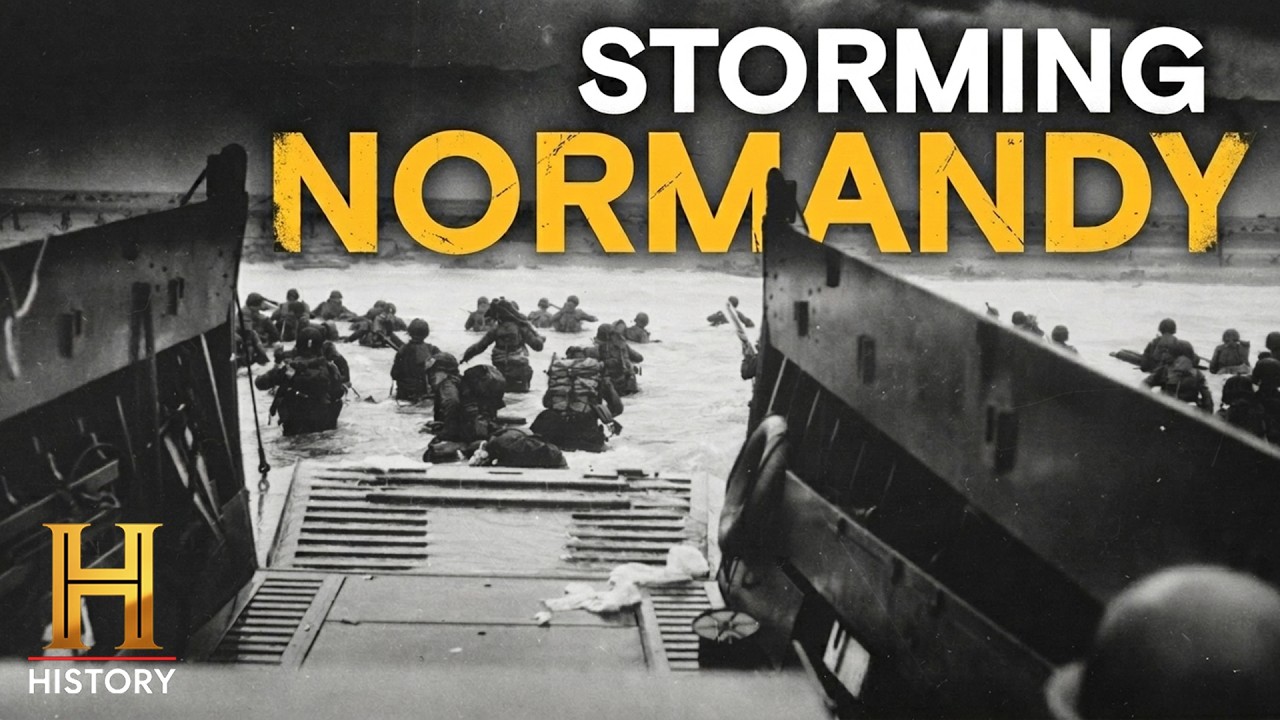
Operation Overlord, a pivotal military campaign during World War II, marked the Allies' largest amphibious invasion, leading to the liberation of Western Europe.
Tony Vaccaro captured more than 8,000 images during World War II, documenting the daily life and death of soldiers on the front lines.
A team of British Commandos infiltrated German-held Libya to capture General Erwin Rommel, but their mission faced unexpected challenges and chaos.
30,000 American lives were lost in the Hürtgen Forest, the site of the longest and bloodiest battle in U.S. Army history during World War II.
The Allied forces faced a prolonged and challenging campaign in Italy during World War II, resulting in significant casualties and strategic setbacks.