From over 100,000 films, discover the handful you'll love.
Free or premium access to the world's largest documentary library.
235 films(Page 3 of 5)
In 1933, Adolf Hitler became chancellor of Germany, allowing the Nazi regime to seize complete power and begin its rapid ascent.
Albert Göring, brother of Nazi official Hermann Göring, leveraged his position as director of the Skoda factory in occupied Czechoslovakia to save numerous Jews during World War II.
Morai Kim Rovski ran one of the largest Jewish ghettos in Poland during World War II, facing the choice of collaboration or death for his people.
As many as 800 young Canadian women worked in New York City for British security coordination during World War II, contributing to intelligence efforts.
As the Axis powers faced defeat, Germany and Japan implemented contrasting home front strategies that significantly influenced their wartime outcomes.
Nearly 2,000 tons of bombs were dropped on Rabaul in October 1943 as part of the US Navy's campaign against Japanese forces in the Pacific.
Dinko Sakic, commandant of a notorious death camp during World War II, faces trial in Croatia for crimes committed over 50 years ago.
During the May Blitz of 1941, over 2,000 people in Liverpool were either killed or injured as German bombers targeted the city's docks.
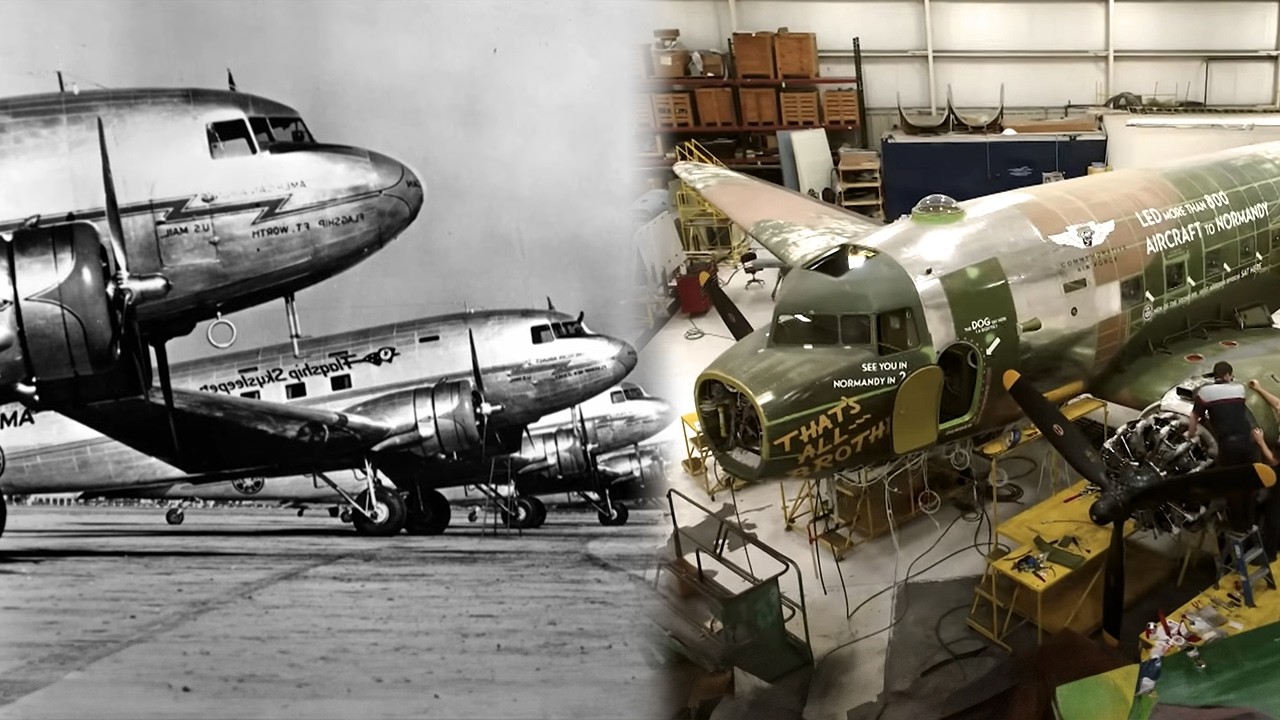
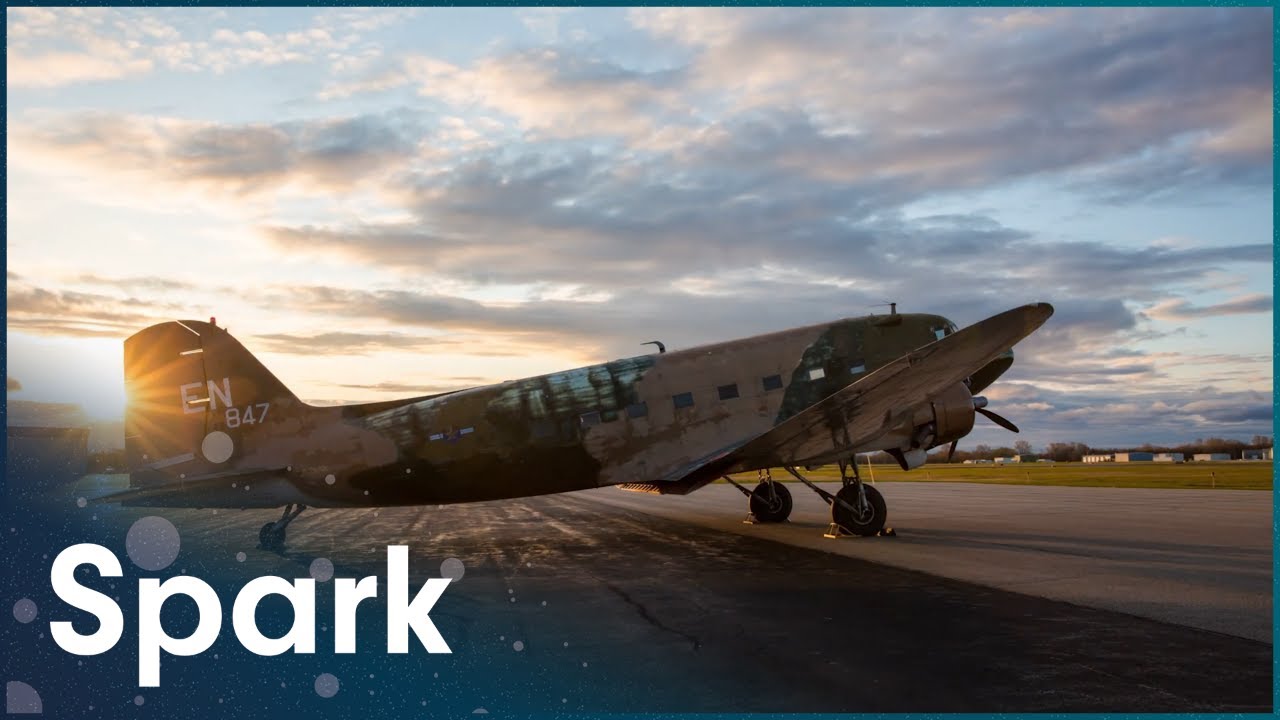
More than 16,000 Douglas DC-3 aircraft were produced, playing critical roles in World War II and the Cold War, and many still fly today.
Forty-three German sailors abandon their sinking U-boat in shark-infested waters after a nine-day battle with Allied aircraft off the coast of Venezuela.
Eight people lived in the Secret Annex, where Anne Frank documented her life in hiding from 1942 until her arrest in 1944.
517 V2 rockets struck London during World War II, killing 110 people in a single attack on Smithfield Market in March 1945.
Over 330,000 Allied soldiers were evacuated from Dunkirk, France, between late May and early June 1940 during Operation Dynamo.
Derek Bentley was executed in 1953 for the murder of Police Constable Sidney Miles, despite not pulling the trigger during the incident in Croydon.
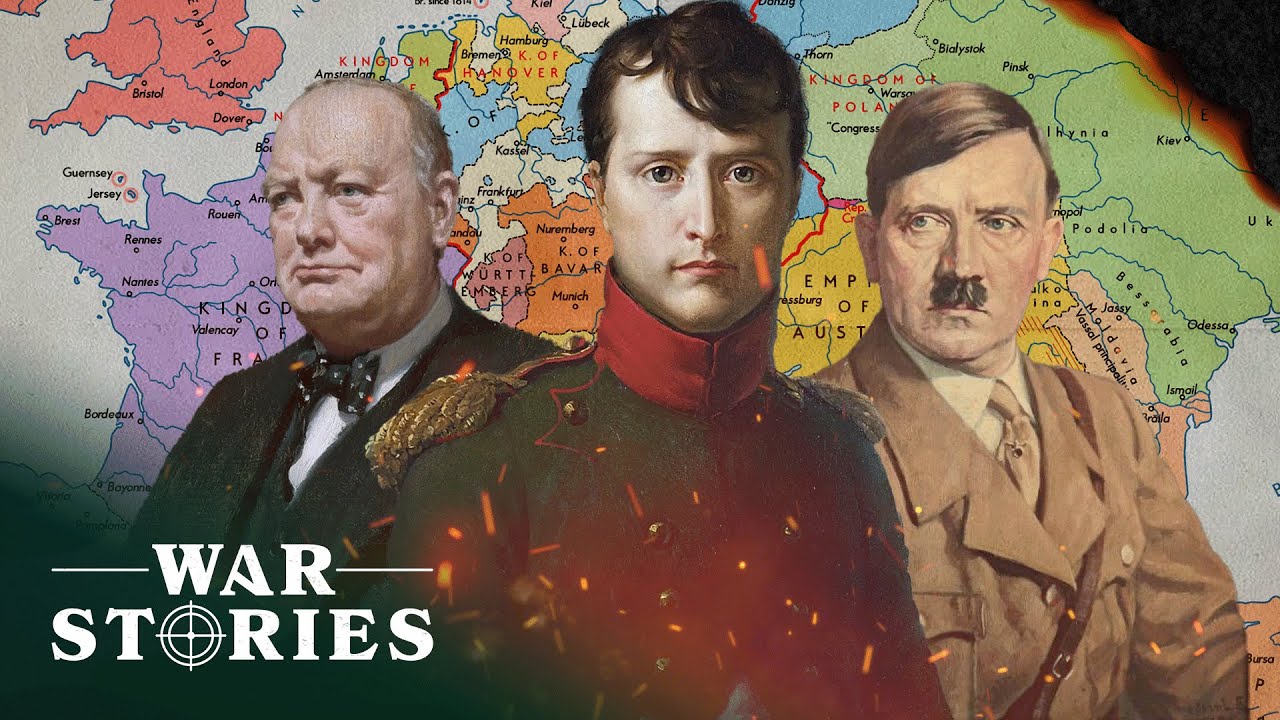
Winston Churchill's early life and political career are examined to illustrate how his determination contributed to Britain's victory over Nazi Germany in World War II.
The Second World War officially ended at 8:09 AM on September 2, 1945, when Japan signed the surrender document, marking a significant moment in history.
In the final days of World War II, Germany faced a profound reckoning as survivors recount their experiences of defeat and the transition to peace.
Over 300,000 Allied soldiers were evacuated from the beaches of Dunkirk in May and June 1940, as German forces advanced from the north.
Codenamed the White Mouse, Nancy Wake became the Gestapo's most wanted woman for her role in the French resistance during World War II.
A 94-year-old woman who was a member of the Hitler Youth shares an apartment in Berlin with a Syrian refugee named Amer.
Over 20,000 German soldiers are commemorated at a cemetery in Le Combe, many of whom were conscripted schoolboys caught in Hitler's plans.
More than 10 million men lost their lives in World War I, setting the stage for Britain's fierce determination to defend against tyranny in World War II.
Of the 125,000 air crew who served in Bomber Command during World War II, 73,000 became casualties, with 55,573 killed in action.
A team of experts investigates the implications of a German victory in World War II and the potential outcomes if Hitler had died early.
Four children in Germany attend a class that covers 33 key events related to the Holocaust, reflecting on their country's history and its impact today.
Adolf Hitler's leadership led to a catastrophic war of extermination across Europe, marked by deception and a relentless pursuit of territorial expansion.
1,177 men died aboard the USS Arizona during the Japanese attack on Pearl Harbor on December 7, 1941, marking a significant moment in American history.
B-24 Liberators were deployed in August 1943 to support the French Resistance by delivering supplies and gathering intelligence on German troop movements.
The Act of Germany's Capitulation was signed in Berlin on May 8, 1945, marking the end of World War II in Europe.
Operation Carpetbagger was a covert British and US initiative aimed at supplying the French resistance with resources to undermine Nazi Germany before the Allied invasion.
66 million people were killed during World War II, which officially ended on September 2, 1945, with Japan's surrender aboard the USS Missouri.
Featherstone Castle, built around the 11th century, is said to be haunted by the ghosts of Abigail Featherstonehaugh and her wedding party, who were murdered.
Over 10,000 C-47 aircraft were built between 1943 and 1945, with one, nicknamed That’s All, Brother, leading the D-Day invasion in June 1944.
D-Day, the Blitzkrieg in France, the Battle of Britain, and the Battle of Austerlitz are pivotal conflicts that shaped Europe's military history.
In 1944, Adolf Hitler survived a near-fatal assassination attempt at Wolf's Lair, marking one of 15 documented plots against his life.
As many as 70,000 people are instantly killed by the atomic bomb dropped on Hiroshima on August 6, 1945, marking the start of the nuclear age.
The Pacific campaign from 1944 to 1945 marked a brutal escalation in World War II, highlighting key battles and strategies that defined the conflict.
A team of British intelligence officers found Hitler's will and searched for his hidden wealth after World War II.
The atomic bomb's deployment in Hiroshima marked a pivotal moment in World War II, significantly altering the conflict's trajectory in the Pacific.
1.2 million Soviet troops and 1,500 tanks launched an offensive in January 1944, overwhelming German forces in the Baltic States.
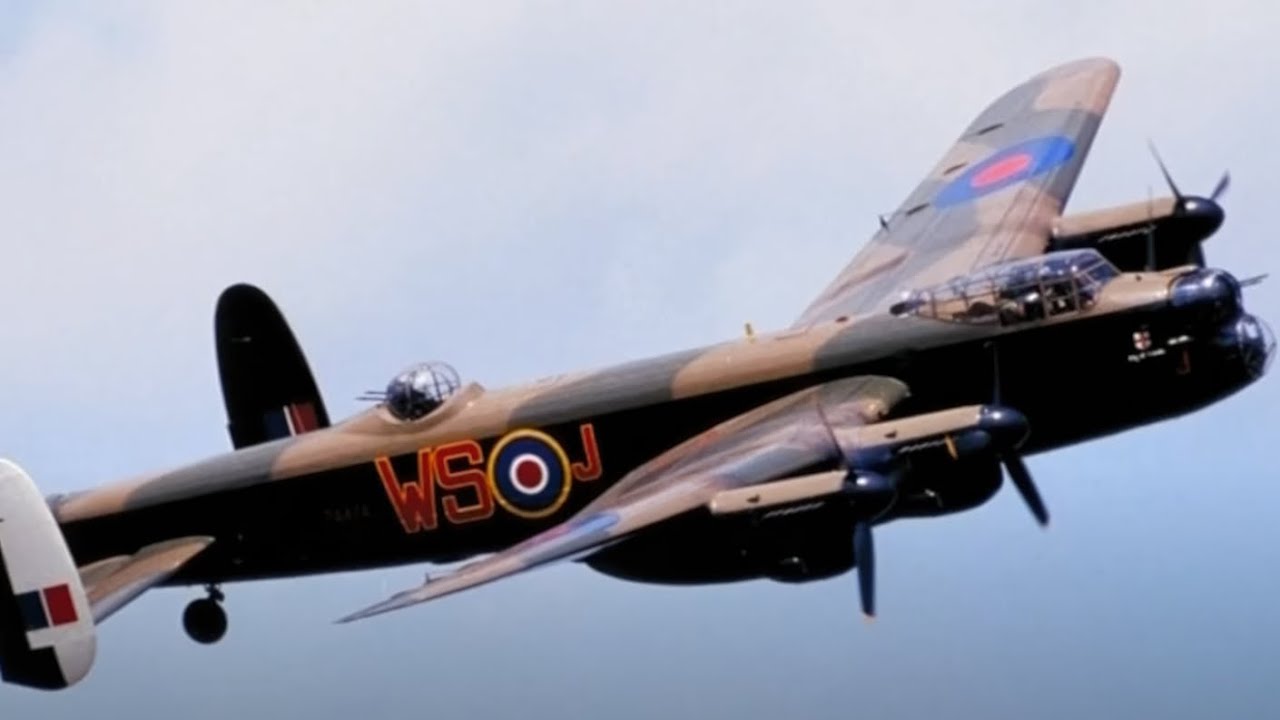
Only a few operational Lancasters remain today, including the NX611, which resides at Lincolnshire's Aviation Heritage Centre in East Kirkby.
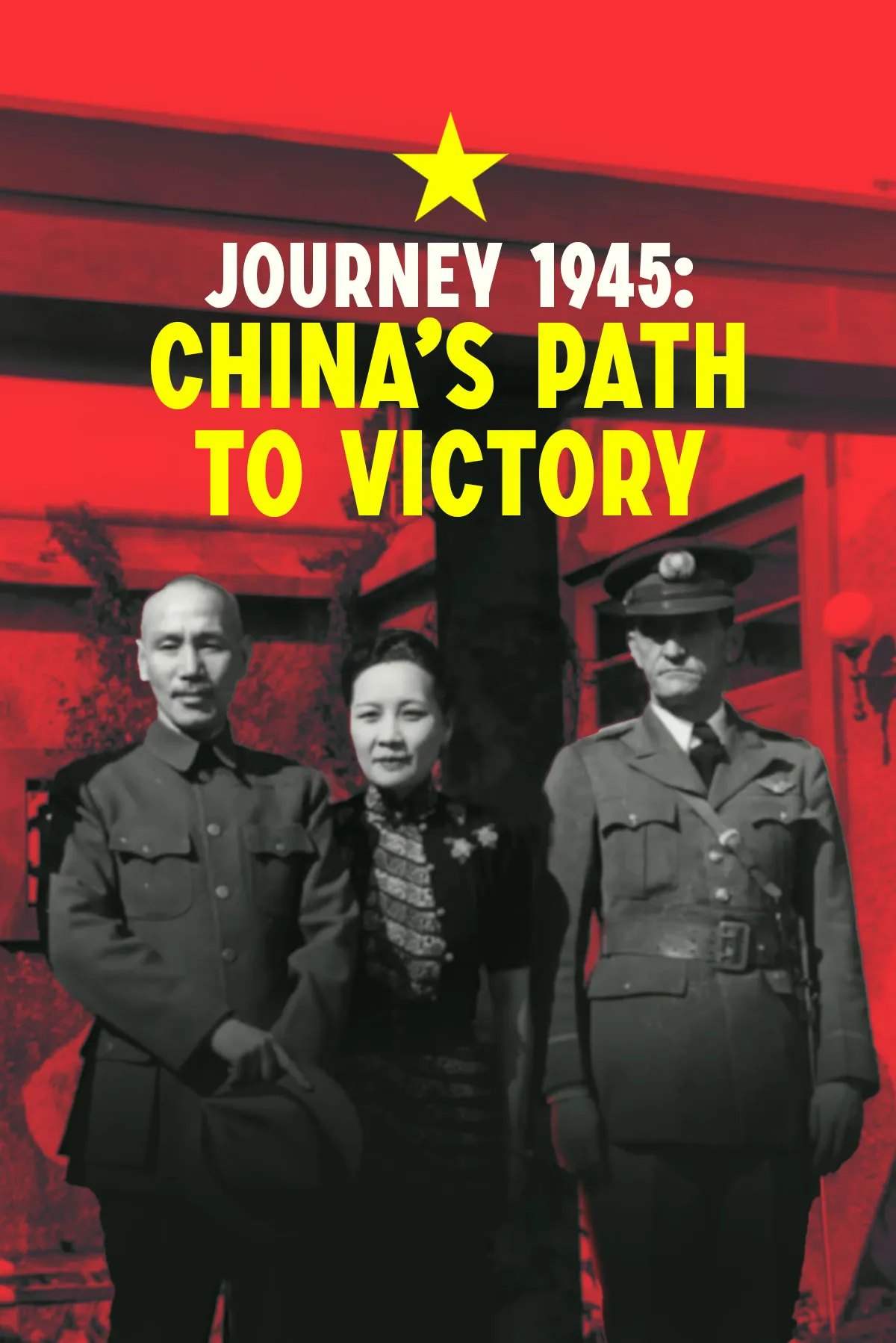
General Patrick Chen reflects on his experiences as a Flying Tiger veteran, highlighting the collaboration between American and Chinese airmen during World War II.
The end of World War II marked the transition from allied cooperation between the United States and the Soviet Union to a tense adversarial relationship.
A single Ohio class submarine carries 24 ballistic missiles, each capable of striking with little or no warning under extreme stealth.
700,000 people attend Moscow's annual parade to honor World War II victims while state media spreads disinformation to influence foreign elections.
By the time the railway was completed, only 400 of the original 1,700 British prisoners of war remained alive.
Two urban explorers visit an abandoned film set in the Sahara Desert, once used for the series Game of Thrones, and rate its thrill a five.
Eight ships sank in Darwin Harbor during a Japanese air raid on February 19, 1942, marking a significant moment in the Pacific theater of World War II.