From over 100,000 films, discover the handful you'll love.
Free or premium access to the world's largest documentary library.
161 films(Page 3 of 4)
Astronomers have used telescopes to search for Comet Ison, but it remains elusive.
Watch the full episode on Cosmic Journeys about the birth of a black hole in space.
Nigel, an internationally acclaimed science popularizer, explains the concept of a light-year as a measure of astronomical distance equivalent to about 9 trillion kilometers.
In 2006, the International Astronomical Union reclassified Pluto as a dwarf planet, reducing the Solar System's recognized planets to eight and highlighting its unique characteristics.
55 Cancri e, a planet composed largely of diamond, raises questions about the potential for human habitation in extreme extraterrestrial environments.
Space archaeologist Sarah Parcak utilizes satellite imagery to monitor the destruction of cultural heritage sites around the world.
Dark matter, which constitutes five times more of the universe than ordinary matter, remains undetected despite its significant gravitational influence on visible matter.
Scientists prepare for the Day of the Asteroid and the risks of future impacts on Earth.
There are 180 meteor impact points scarring Earth, raising concerns about future impacts.
Astonishingly beautiful images from the International Space Station showcase Earth’s beauty.
This video discusses gravitational lensing and Einstein's rings from Hubblecast's intriguing episode.
Black holes, with their intense gravitational pull and warping light near the event horizon, challenge the laws of physics at their singularity.
Watch this to understand how solar flares impact Earth and technology.
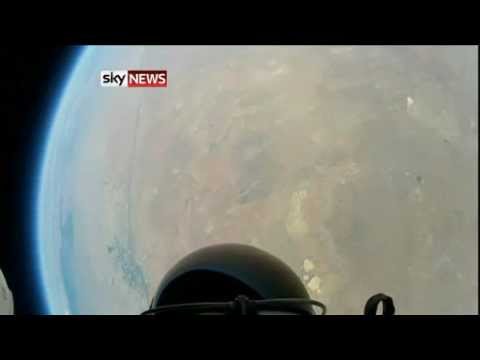
Felix Baumgartner makes history with the highest skydive from 128,097 feet.
The Hubble Space Telescope captures the First Image of an Alien Planet, revealing its mass.
Russia loses contact with a satellite full of geckos studying mating in space.
Black holes pose extreme dangers due to their intense gravitational forces, leading to two popular theories on how they would kill an unsuspecting victim.
Artificial light is erasing stars, disrupting wildlife, and impacting human health, highlighting the urgent need to address light pollution in urban areas.
Scientists capture the very first image of a black hole at the center of Galaxy M87.
Hubble Space Telescope's launch in 1990 promised unprecedented views of the Universe, but a distorted mirror necessitated a costly repair mission.
Today, Hubble helps scientists measure and image the effects of black holes in space.
This episode features answers about Hubble's observations of empty space and distant objects.
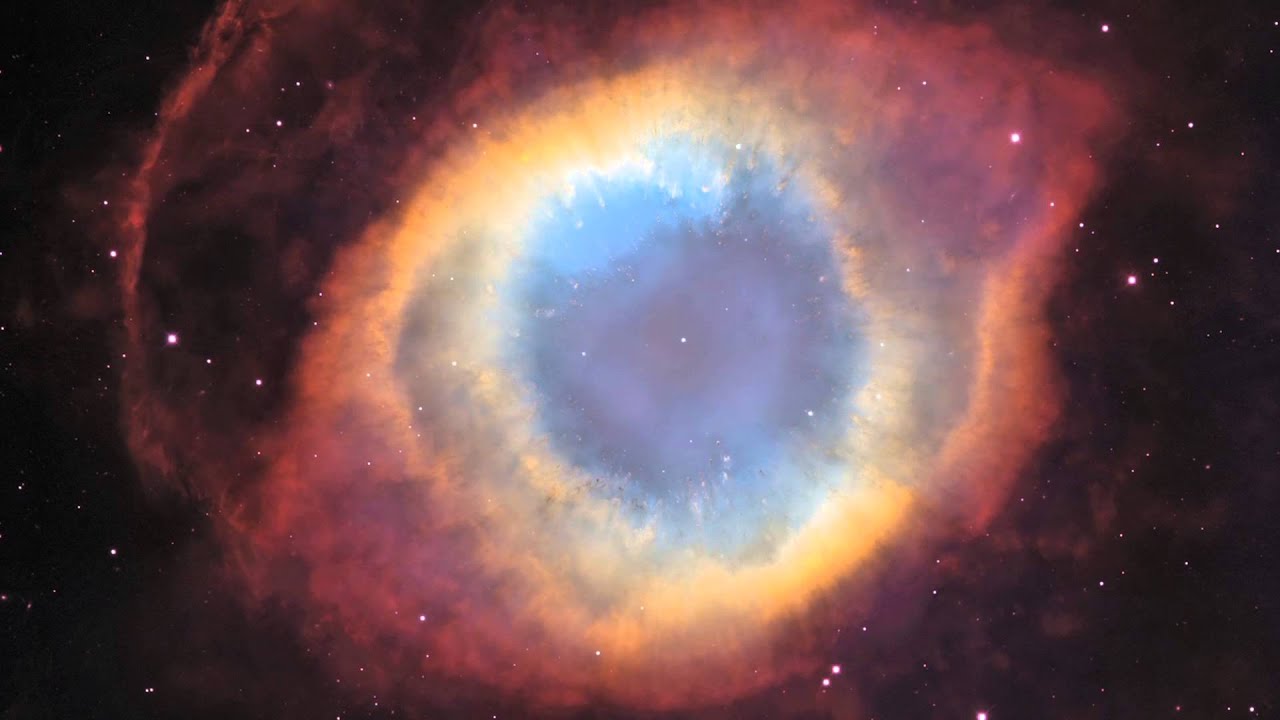
The video features a 1080p collection of Hubble's best images of nebulae, galaxies, and black holes, accompanied by Frédéric Chopin's Nocturne in D Flat Major.
Hubble captures its best images year by year, starting with Saturn in April 1990.
Hubble reveals key discoveries about Pluto before New Horizons' flyby in July 2015.
Astrobotics is developing a GPS system that enables precise lunar landings, essential for future moon colonization and supply deliveries from Earth.
India successfully lands a spacecraft on the moon's south pole and conducts a hop experiment.
Icy moons of Jupiter, such as Europa, are explored as potential habitats for extraterrestrial life in Kevin Hand's presentation at Live.
NASA studies Mars' inhospitable conditions and prepares for human exploration challenges.
In Budapest, Hungary, offers a 360-degree live experience from the sets of the series MARS, featuring cast interactions and audience questions.
In a visual exploration of the cosmos, the film showcases Earth's atmosphere, neighboring planets, and the vastness of the universe using advanced CGI.
In a visual exploration of the cosmos, the film showcases the beauty of the universe, from Earth's aurorae to distant galaxies and the edge of the universe.
Scientists predict a collision between the Milky Way and Andromeda Galaxy in 4 billion years.
Saturn 5 engines missing their serial numbers are restored for public display after recovery.
Life on Earth originated from single-celled organisms in deep-sea vents, evolving over 3.5 billion years into complex forms, including Eukaryotes.
New infrared images from the Vista Telescope showcase the fabled Orion Nebula's beauty.
Our sun, a G-type main sequence star, is shown to be calmer than other yellow dwarfs, revealing insights into its stability and characteristics.
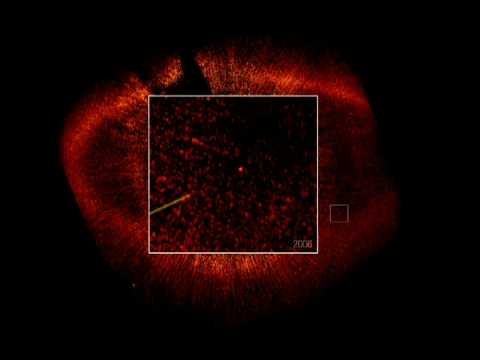
The video discusses the search for Planet X and its significance in our solar system.
The video showcases a 26,000 light year zoom into Sagittarius A*, revealing its mass and significance.
Astronomers detect Proxima b, a planet orbiting Proxima Centauri, our nearest stellar neighbor.
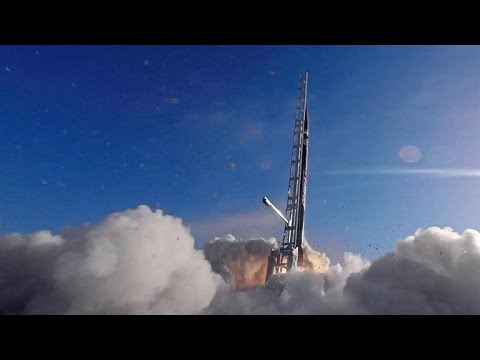
A new team attempts to break the GoFast Rocket's world record of 72 miles into space.
Mars rovers, including Perseverance, gather crucial data about the planet's surface and environment to support future human colonization efforts.
Last year, Saturn moved into a position allowing Hubble to image its dual aurorae simultaneously.
Enceladus, one of Saturn's moons, features a bright icy surface, extreme temperatures, and intriguing geological characteristics that suggest potential for scientific exploration.
They believe our galaxy teems with planets, despite the stars having offered little evidence of life.
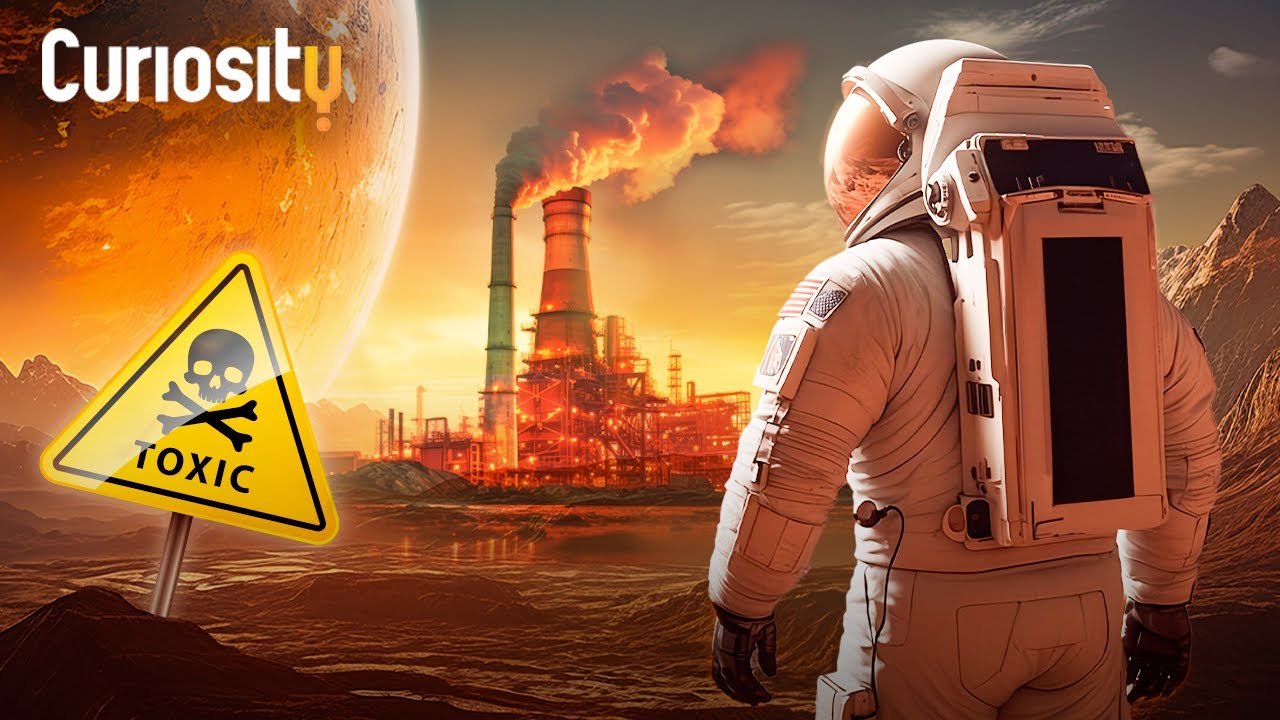
Some billionaires suggest moving pollution-heavy industries to space for Earth's protection.
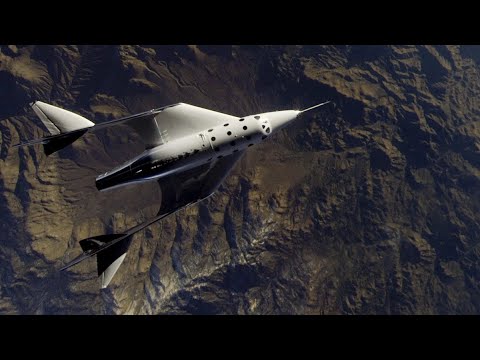
Virgin Galactic and SpaceX prepare to launch commercial space tourism in 2018, offering flights beyond the stratosphere and around the Moon.
A new image from ALMA reveals unprecedented detail in a young star's planet-forming disc.