From over 100,000 films, discover the handful you'll love.
Free or premium access to the world's largest documentary library.
161 films(Page 2 of 4)
Cosmic rays, originating from exploding stars, are examined by scientists at CERN and observatories in Spain and Argentina for their role in shaping life on Earth.
Light pollution threatens stargazing in developed countries, while Spain emerges as a premier destination for astro-tourism, promoting sustainable travel and cultural appreciation.
Katherine Johnson's mathematical expertise was crucial in launching America into space, guiding missions such as Apollo 11 and Apollo 13 at NASA.
The launch of Sputnik by the Soviet Union ignited the Space Race, leading to NASA's Apollo program and the historic Moon landing by American astronauts.
NASA's mission to Mars drives advancements in nanotechnology, focusing on microscopic robots and nanomedics that aim to revolutionize disease detection and treatment.
In the summer of 1977, Ohio radio astronomers detected the Wow!
Astronomer Gary Fildes travels from the UK to Chile's dark skies, exploring powerful observatories like Paranal and ALMA to highlight the importance of dark sky preservation.
View relaxing visuals of the universe, featuring new planets and distant galaxies, while highlighting the vastness of space and inspiring exploration.
A meteorite strike that ended the Cretaceous era is linked to various unexplained pilgrimage sites worldwide, shaping cultural beliefs and practices.
Astrophysicist Nikodem Poplawski examines the theory that the universe may exist within a black hole rather than originating from a Big Bang.
Astronomers explore the search for extraterrestrial life, examining exoplanets and the potential for contact with intelligent beings beyond Earth.
UFO phenomena in the United States have been shaped by government investigations and cover-ups since 1947, including a secret $20 million research program.
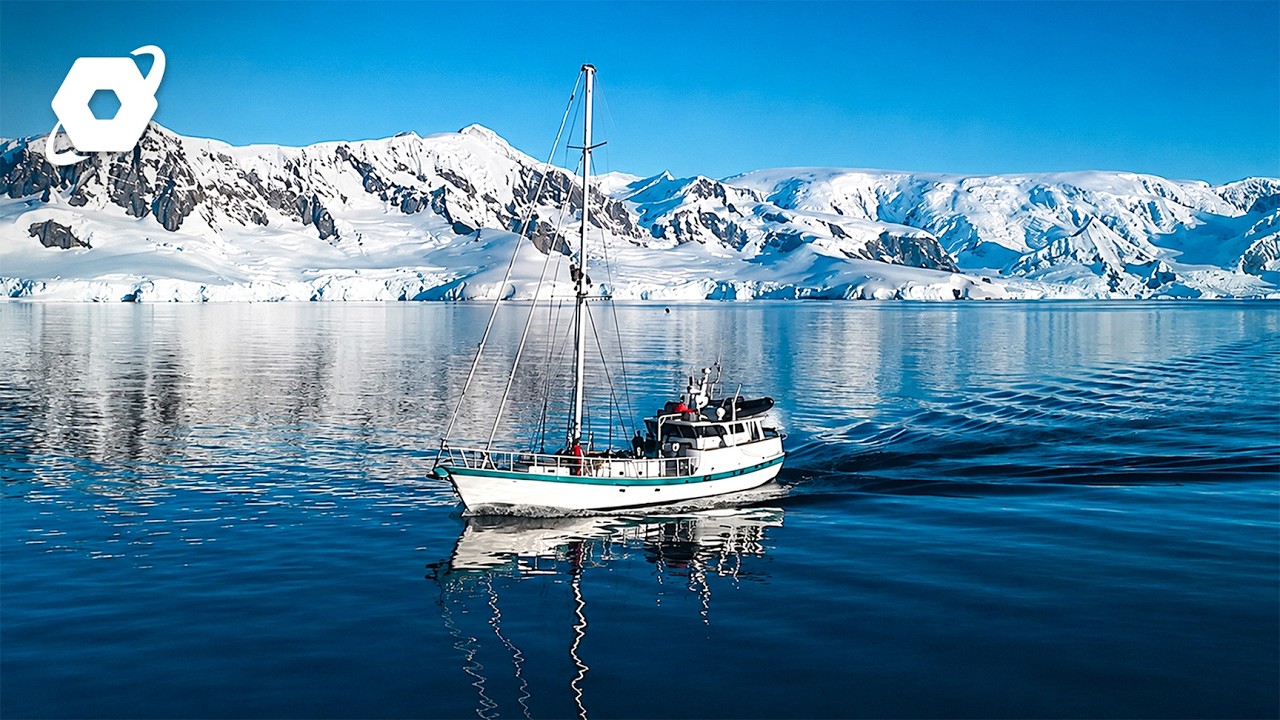
A team of scientists navigates the Antarctic Peninsula aboard a small sailing vessel, collecting crucial climate and biodiversity data amid extreme conditions.
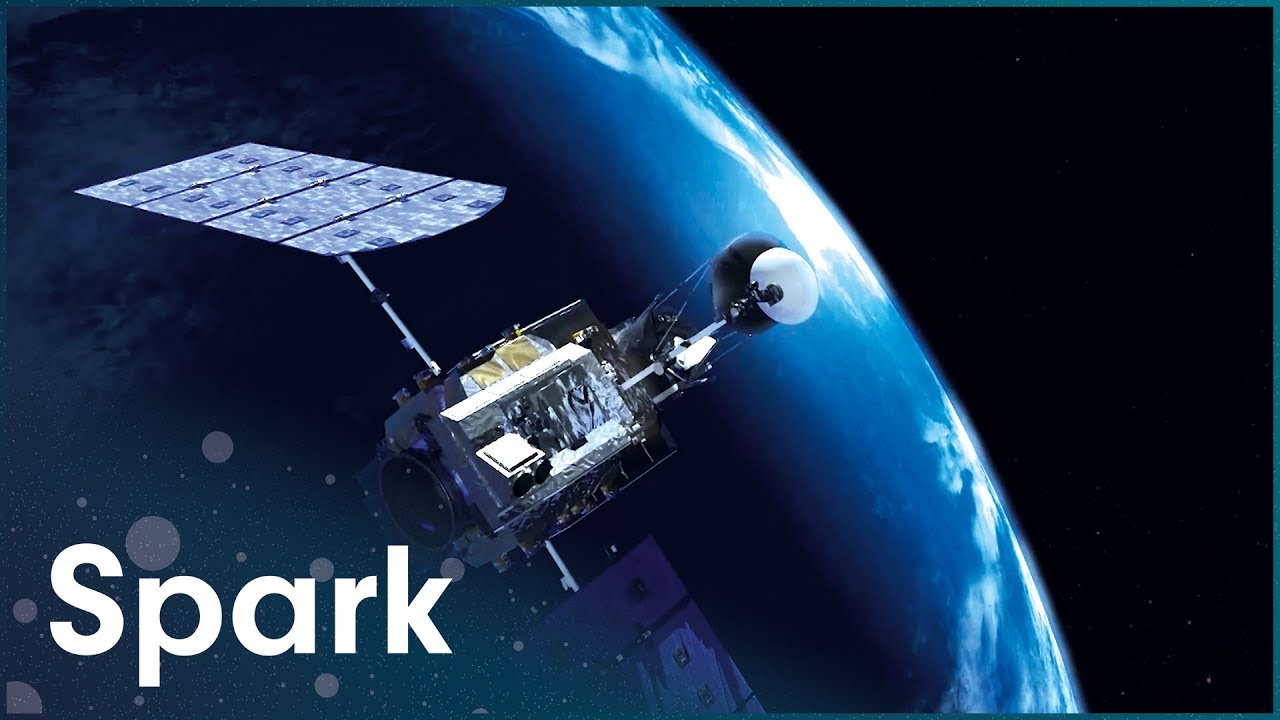
Hurricane Beryl and Europe's newest weather satellite highlight advancements in AI forecasting, cloud seeding, and supercomputers in extreme weather prediction.
NASA's Apollo program, following the Gemini missions and marked by the Apollo 1 tragedy, culminated in Neil Armstrong's historic Moon landing on July 20, 1969.
Approximately 1,000 operating satellites in Earth's orbit are essential for monitoring climate change and advancing technology to protect the planet.
NASA's innovations from the space race have significantly influenced everyday life on Earth, impacting GPS, food safety, and medical technology.
Trillions of microbes influence human digestion, immunity, and mental health, highlighting the microbiome's role in medicine and recovery strategies.
Crouch Recovery's operators tackle high-pressure roadside rescues, including freeing bogged lorries and recovering a stranded 44-ton truck on a major dual carriageway.
A lorry carrying 44 tonnes of frozen chips crashes into a ditch, prompting Lantern Recovery to tackle a complex seven-hour rescue operation.
NASA's early artificial intelligence systems, originally designed for spacecraft, evolved into algorithms that now facilitate online dating and influence various aspects of daily life.
Mars harbors vast cave networks and permafrost that may melt into liquid water, suggesting it could be a hidden habitat for alien life.
A 26-tonne flatbed truck becomes stuck in a muddy public park, prompting recovery operator Steven Hodges to execute a complex rescue operation.
Between 1969 and 1972, NASA's Apollo program enabled twelve astronauts, including Neil Armstrong and Buzz Aldrin, to walk on the moon's surface.
Michael Mosley investigates the human body's functions, including blood donation, hip replacement surgery, and the science behind sound perception in blind individuals.
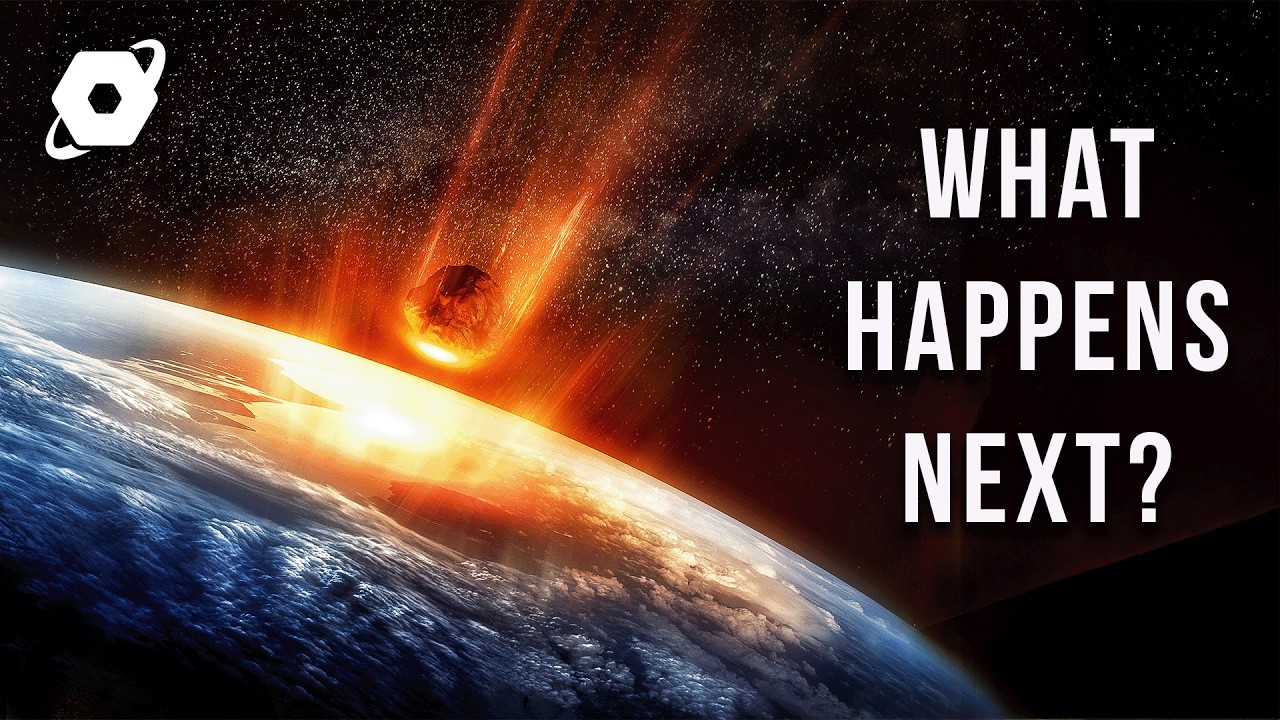
An asteroid impact in Yucatan in 2007 triggers global devastation, plunging major cities like Paris and New York into darkness and leading to widespread extinction.
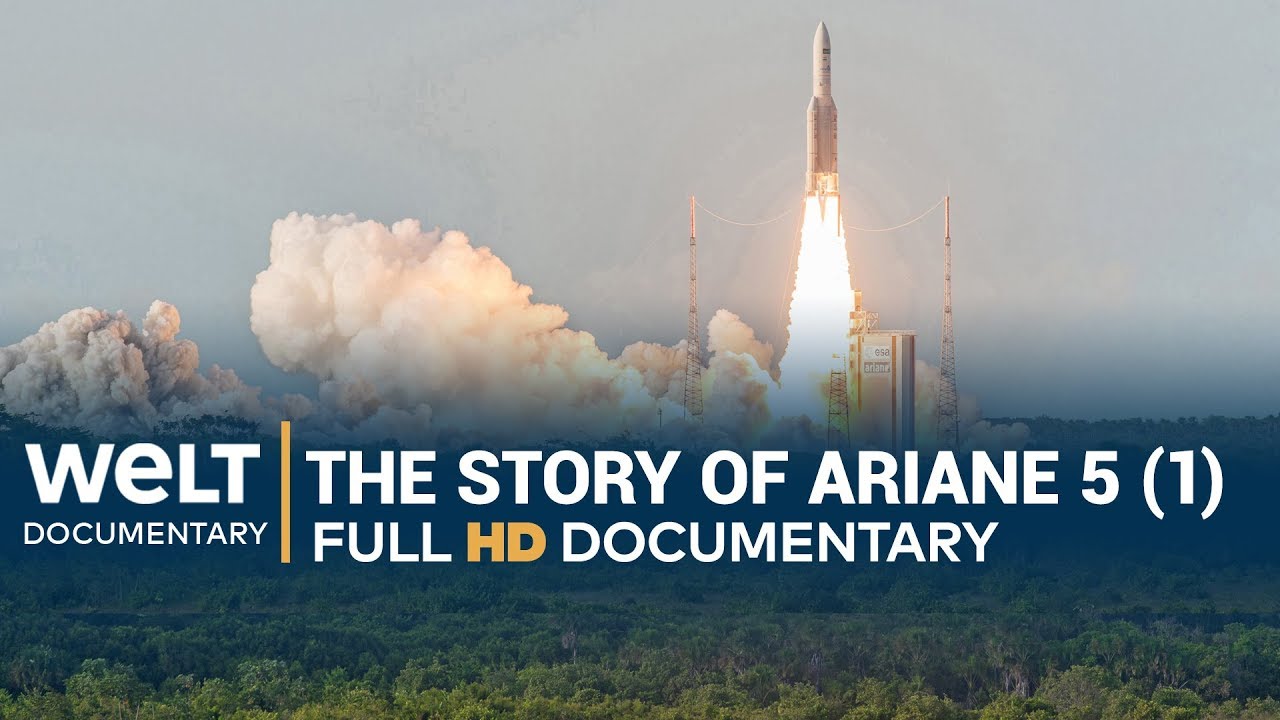
Ariane 5, Europe's most reliable rocket, plays a crucial role in transporting satellites into space, supported by a vast network of aerospace professionals.
Seven influential architects, including Peter Zumthor and Diébédo Francis Kéré, share insights on the importance of context and collaboration in global architecture.
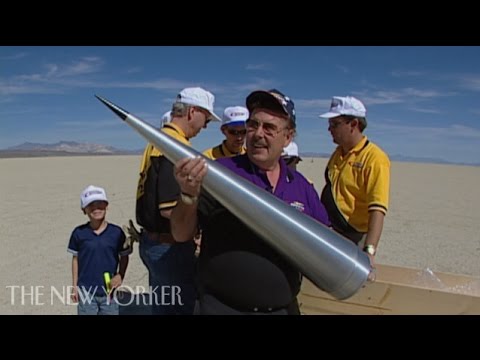
In 1997, Conan and his team faced bureaucratic challenges from the Office of Space Transportation while striving to launch their first civilian rocket into space.
Advancements in powerful telescopes and supercomputers have provided a new perspective on the universe's large-scale structure, revealing the limitations of current understanding.
Japan's Hitomi satellite provides detailed measurements of X-ray gas motion in the Perseus cluster of galaxies, located 240 million light-years away.
NASA Astrophysics shows a supercomputer simulating the Milky Way's formation from small galaxies.
Thousands of tons of space junk threaten Earth’s satellites, but scientists propose solutions.
Alicja Kwade, a Polish mixed-media artist, explores the concepts of time, space, and gravity through her thought-provoking sculptures in her Berlin studio.
Chariklo, an asteroid in South America, is discovered to have two narrow rings.
Joe Edwards discusses the challenges of living aboard a spacecraft in zero gravity.
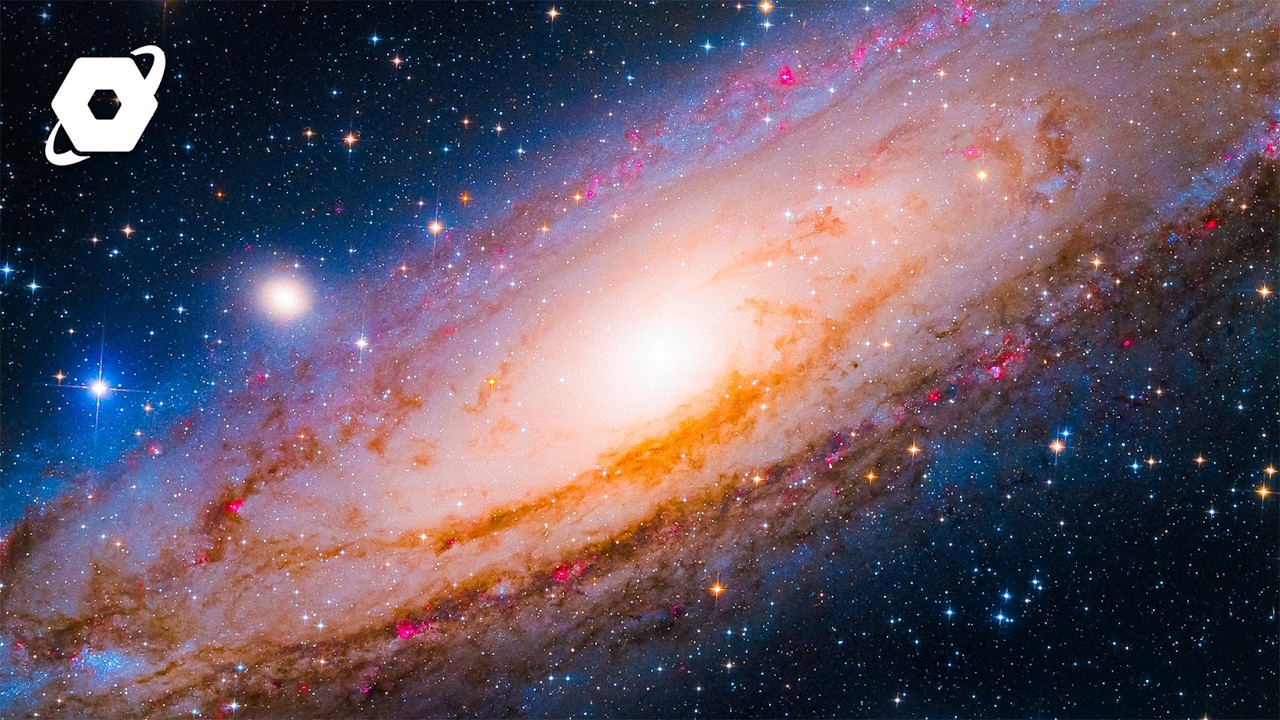
The video features Dr. J and showcases The Andromeda Galaxy using four Hubble Space Telescope observations to reveal its disc and surrounding halo.
Chris Hadfield shares how astronauts handle laundry in space, including throwing it out.
Christina Koch, an engineer and astronaut, set a record for the longest spaceflight by a woman with 328 days aboard the International Space Station.
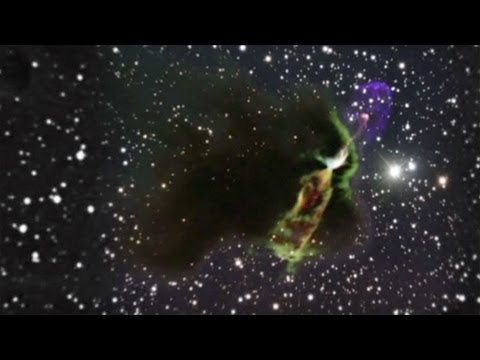
Images from a Chilean observatory capture a new star ejecting gas at speeds of up to 1 million km per hour, revealing details of stellar formation.
In 10 million years, a cloud will collapse onto a black hole in the Milky Way galaxy.
In the center of the Milky Way, approximately 25,000 light years from Earth, a giant black hole interacts dynamically with surrounding stars.
Atlantis's mission showcases the ascent into space and the intricate descent of solid rocket boosters, highlighting advancements in space travel technology.
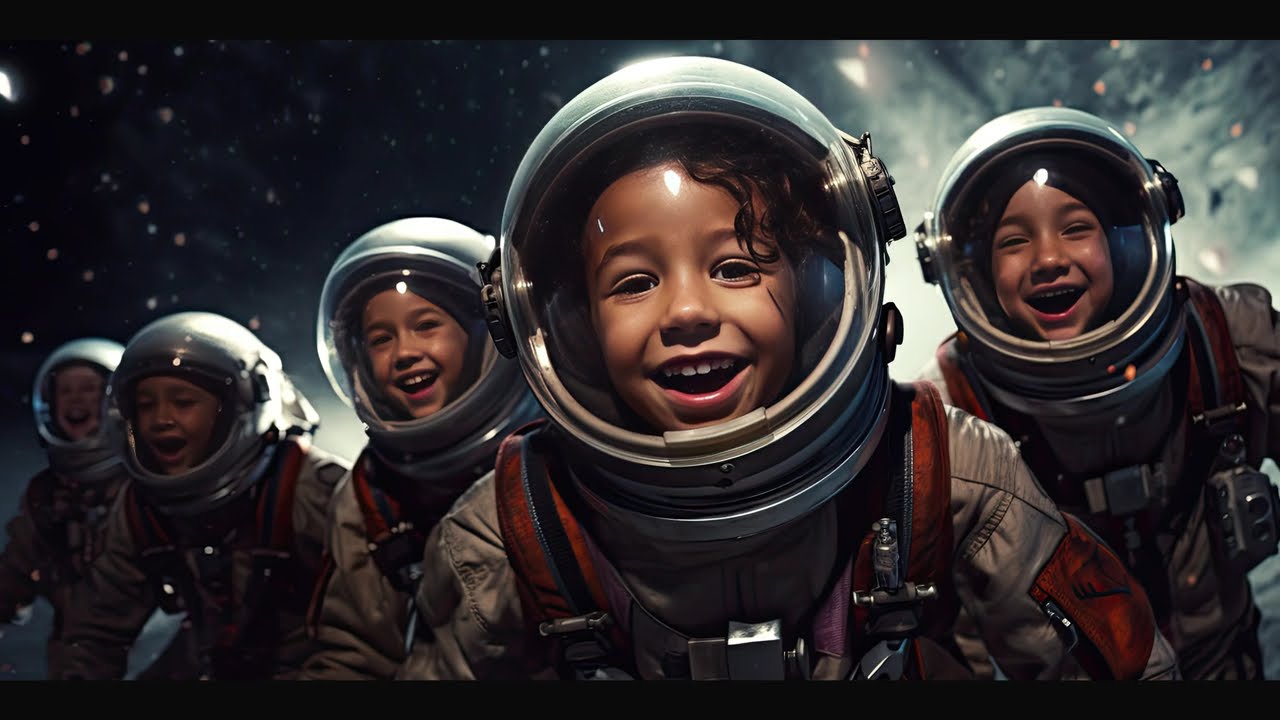
The video discusses raising children outside Earth's atmosphere for future living in space.
Astronauts capture amazing pictures of illuminated cities at night from space.
Asteroid 2005 YU-55 makes a very close approach to Earth on November 8, 2011.
Apollo astronauts brought Moon rocks to Earth, leading to the Giant Impact Theory's development.