From over 100,000 films, discover the handful you'll love.
Free or premium access to the world's largest documentary library.
161 films(Page 1 of 4)
Hana and Joon Seung, key characters in the series MARS, are explored through their dramatic backstory in the lead-up to humanity's colonization of Mars.
Jim Al-Khalili explores the profound relationship between "everything" and "nothing," revealing how our understanding of the universe has evolved through science and mathematics.
Advancements in modern astronomy, including giant telescopes and computer modeling, provide insights into the universe's potential infinity and cosmic history.
Humanity's exploration of the universe is examined through insights from scientists and rich narratives of achievements and challenges in space exploration.
NASA's Juno mission explores Jupiter's extreme environment, revealing its massive ocean of liquid metallic hydrogen and the technology that enables this research.
Jim Al-Khalili examines revolutionary discoveries in modern physics, including Einstein's General Theory of Relativity and the concept of a holographic universe.
Titan, Saturn's largest moon, is explored for its potential to support life and the challenges of future colonization efforts by scientists and researchers.
Astronomers utilizing the Kepler Space Telescope are investigating the existence of billions of potentially habitable planets beyond our solar system.
In a two-part exploration, professor Jim Al-Khalili examines the concepts of everything and nothing, revealing how the universe and mathematics are interconnected.
Advancements in spacecraft technology and a Maglev launch system aim to make space tourism accessible, transforming Earth's orbit into a bustling construction site.
Planet Earth, with its 5 billion years of history, continues to reveal astonishing scientific discoveries about itself and the solar system.
Professor Brian Cox explores the Earth's atmosphere from the heights of Alaska, contrasting it with Saturn's moon Titan and emphasizing its vital role in the solar system.
Professor Jim Al-Khalili examines the 600-million-year evolution of the human brain, tracing its development from simple nervous systems to complex cognition.
Space and our solar system are explored through seven episodes of the acclaimed series 'Zenith', offering a comprehensive look at our galaxy and beyond.
The penultimate episode examines telescopes and their role in understanding the cosmos.
Four episodes from the series 'Secrets of the Universe' explore the vastness of space, highlighting significant discoveries and mysteries that shape cosmic understanding.
Mankind's deep curiosity drives exploration of Mars and the universe through technology like Hubble.
Astrophysicists, including Michel Mayor and David Charbonneau, explore the search for exoplanets and the conditions necessary for extraterrestrial life.
Jim Al-Khalili explores the profound relationship between everything and nothing, examining the universe's nature through the lenses of math and science.
Asteroids have silently roamed the solar system, threatening Earth with catastrophic impacts.
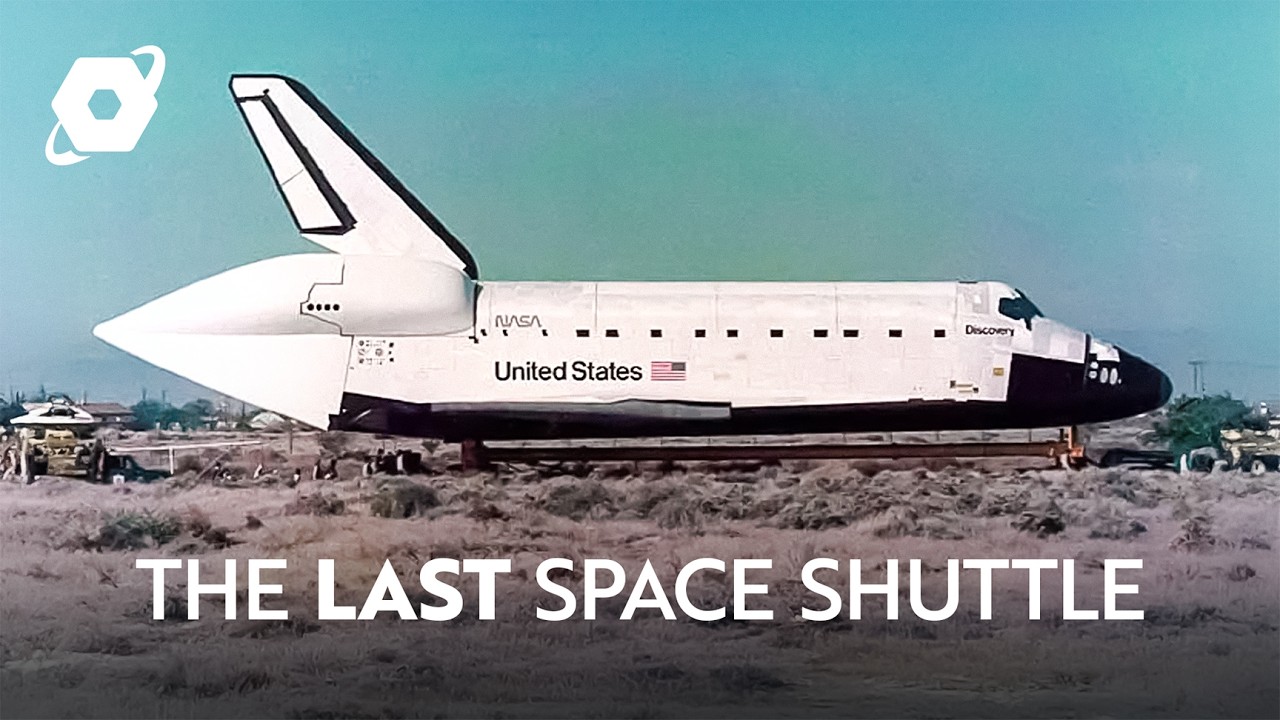
NASA's space shuttle Discovery, with over 27 years of service and 148 million miles traveled, completes its final flight to the Smithsonian National Air and Space Museum.
Jim Al-Khalili explores 600 million years of evolution to explain the development of the human brain, the most complex structure in the universe.
This video reveals how physics describe interactions in our Universe and the solar system.
Einstein's theory of general relativity, quantum mechanics, and the concept of a holographic universe are examined through groundbreaking scientific breakthroughs.
Extreme planets are examined through supercomputer simulations that visualize their violent conditions and the cosmic events surrounding supermassive black holes.
NASA's Apollo 11 mission is examined through archival footage, astronaut interviews, and artifacts from the Smithsonian's National Air and Space Museum.
NASA's Apollo program faced challenges from budget cuts and public disinterest, culminating in the critical Apollo 13 mission that tested engineering limits and teamwork.
Astronomers search for Earth-like planets among four hundred billion stars in our galaxy.
NASA's Artemis program aims to return astronauts to the Moon for the first time in over 50 years, focusing on sustainable lunar exploration and future Mars missions.
Earth's weakening magnetic field, generated in its molten core, raises concerns among scientists about the potential loss of protection from harmful space radiation.
Gravity is the force keeping us grounded, with secrets revealed through The Ionosphere.
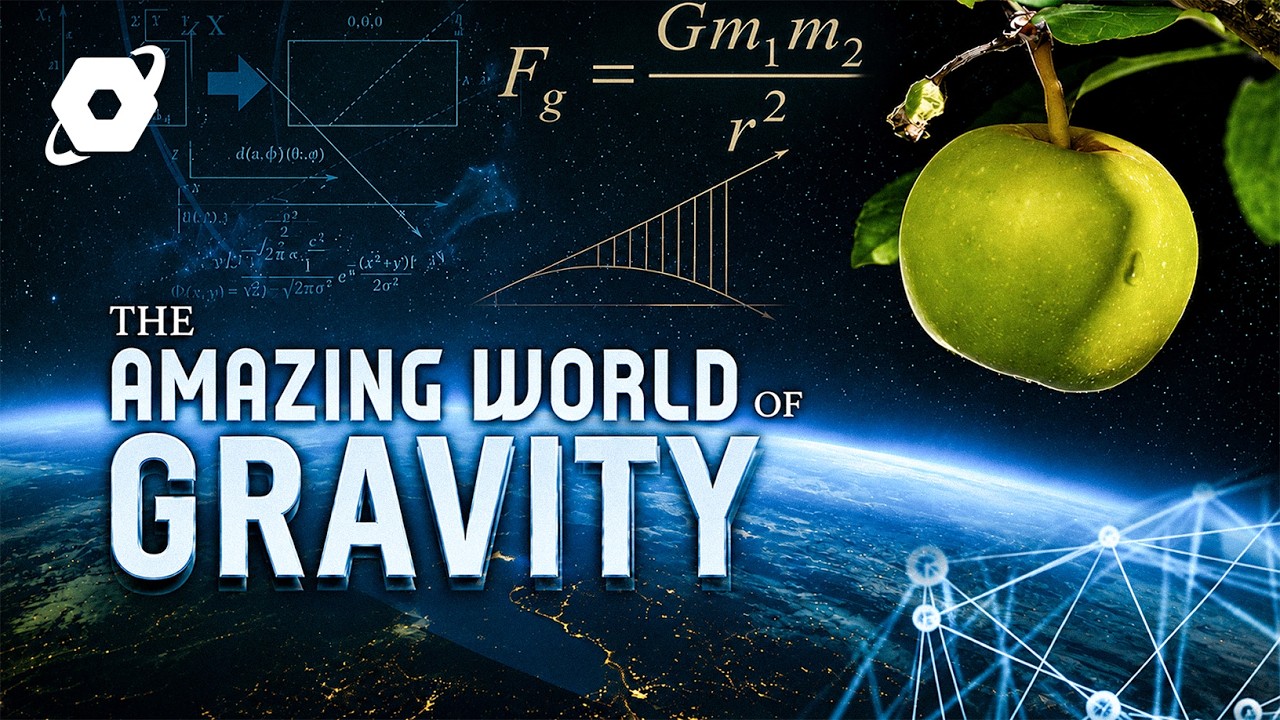
Astrophysicist Jim Al-Khalili examines gravity's role in the cosmos, from Newton's laws to Einstein's theory of relativity and its impact on black holes.
Aboard the International Space Station, French astronaut Thomas Pesquet and his colleagues conduct experiments to prepare for future long-duration missions to Mars.
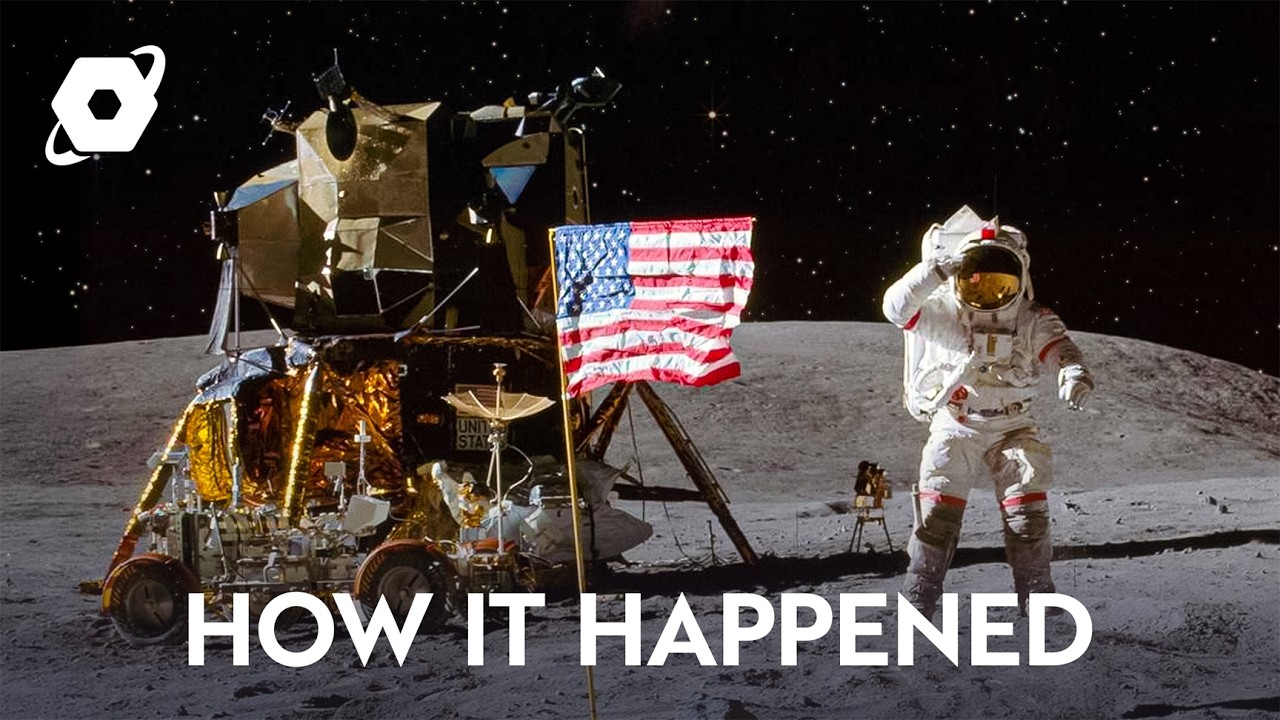
Neil Armstrong's historic moon landing in 1969 marked a pivotal moment in the space race, leading to further lunar missions and future exploration plans.
The Rosetta mission, launched by the European Space Agency, successfully landed on comet 67P/Churyumov-Gerasimenko to study the origins of the solar system and life.
Gravity influences light in space, affecting its emission, absorption, and reflection, which shapes our perception of stunning nebulae and galaxies!
NASA's Saturn V rocket, an engineering marvel, played a crucial role in the Moon landings, overcoming significant challenges during the Space Race.
The construction of the pyramids in Egypt, built over 4,500 years ago, is examined through the lens of archaeology, engineering, and historical analysis.
In 1922, an international team of scientists traveled to a remote location to observe a solar eclipse, confirming Einstein's theory of General Relativity and revolutionizing astronomy.
NASA's Apollo program trained astronauts through rigorous survival courses and simulations, enabling successful lunar missions from 1969 to 1972.
The moon plays a crucial role in sustaining life on Earth by influencing tides, day length, and seasonal rhythms, despite its ever-changing distance from our planet.
Researchers learn about black holes and their life cycle in this informative documentary.
Five leading astronomers, including Fred Hoyle and Margaret Burbidge, explore profound questions about the universe's creation and humanity's place within it.
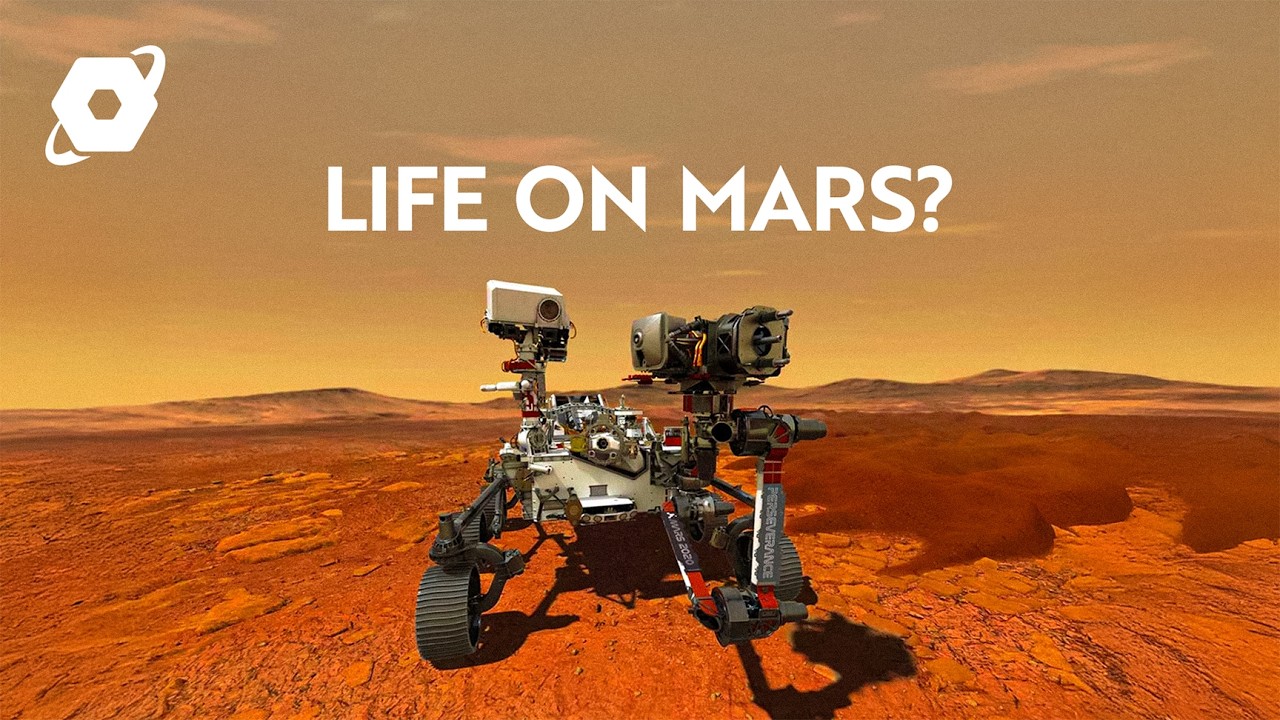
Mars exploration has advanced with NASA's Perseverance rover, equipped with advanced technology to analyze the planet's surface for signs of past life.
Astronauts aboard the retired Space Shuttle Endeavour observe Earth from 233 kilometers above, highlighting the shuttle program's missions and scientific research.
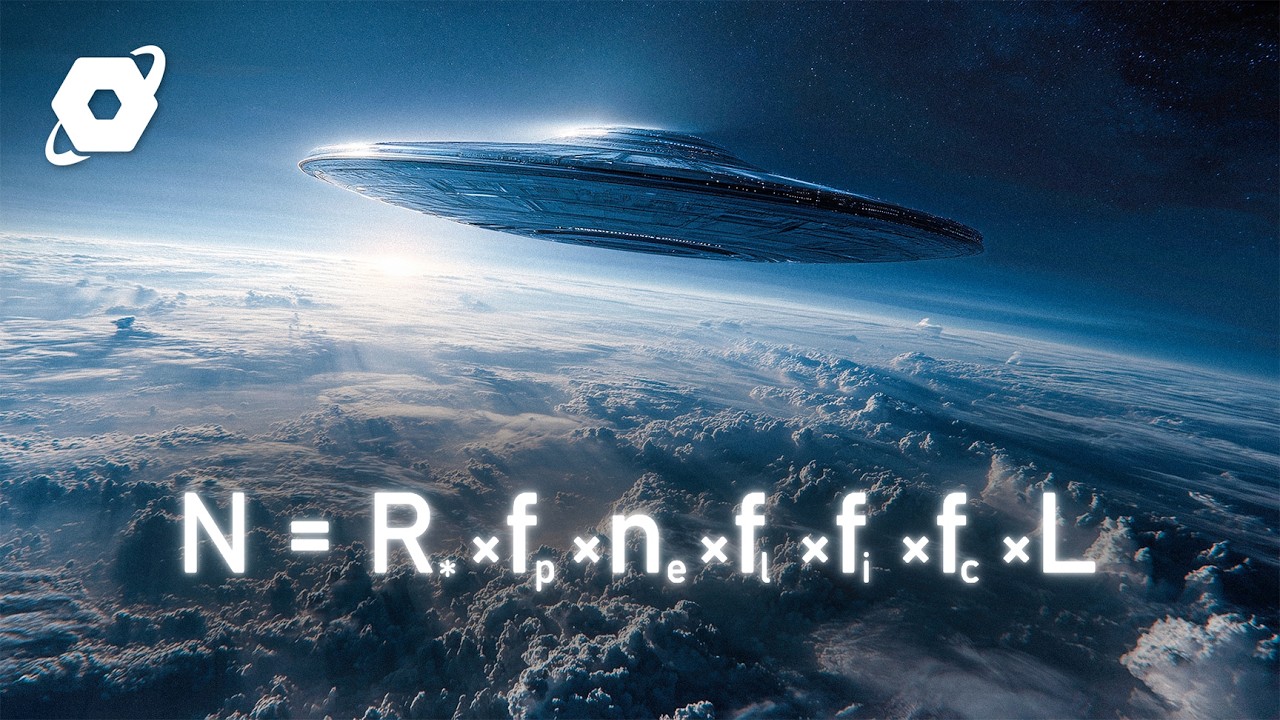
Frank Drake's groundbreaking equation transforms the search for extraterrestrial life, examining radio telescopes, exoplanets, and the silence of the universe.
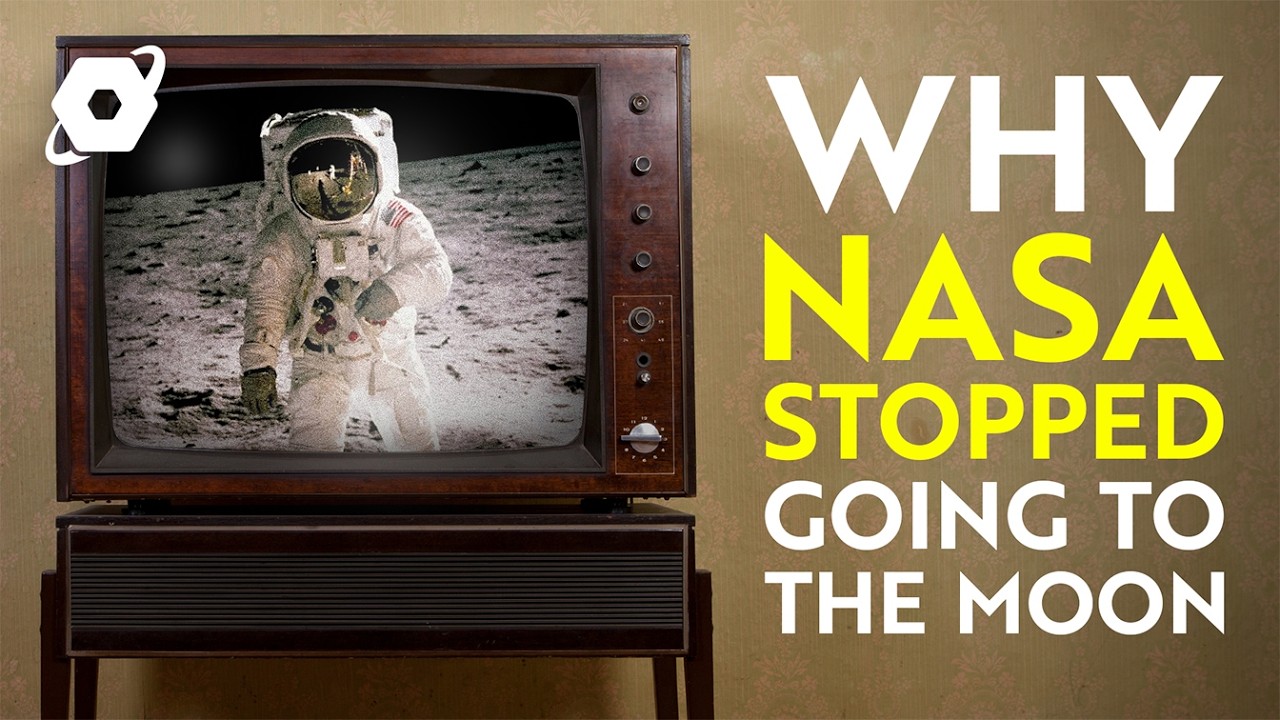
NASA's Apollo program faced political and public pressure as it concluded its lunar missions, raising questions about the future of human space exploration.
Stars, from their explosive births to their eventual demise, shape the universe through processes like supernovae and the formation of black holes.