From over 100,000 films, discover the handful you'll love.
Free or premium access to the world's largest documentary library.
145 films(Page 3 of 4)
Julius Streicher, a key figure in the Nazi party, played a significant role in promoting antisemitism through his publication Der Sturmer, alongside Joseph Goebbels.
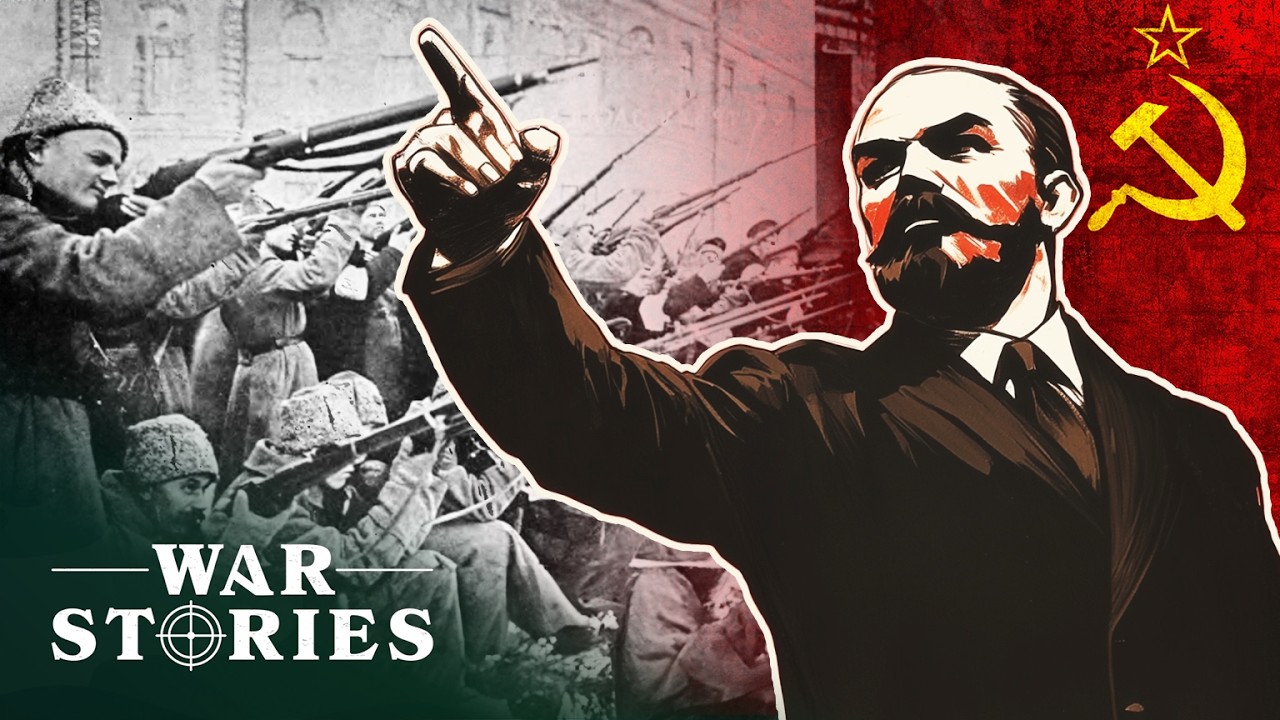
Vladimir Lenin's transformation from a privileged youth to a revolutionary leader was driven by personal tragedy and political turmoil in early 20th-century Russia.
Albert Speer, chosen as Hitler's personal architect, designed the monumental structures that embodied the Nazi regime's vision for the Third Reich.
World War II air combat is explored through accounts of dogfights, bombing raids, and torpedo attacks, highlighting key battles and strategies.
The Battle of the Somme in 1916 exemplified catastrophic military strategy, resulting in immense casualties for Kitchener's Army and shaping the Western Front's dynamics.
The 1916 Easter Rising in Ireland resulted in nearly 500 deaths and over 2,000 injuries, significantly influencing the movement for Irish independence.
Joseph Goebbels, as Hitler's chief propagandist, employed manipulative rhetoric to incite hatred and facilitate the atrocities of Nazi Germany.
Oskar Schindler, a German industrialist, saved 1,200 Jews during the Holocaust by employing them in his factories and bribing Nazi officials to protect them.
The Italian Campaign during World War II presented significant challenges for Allied troops, influencing strategic decisions and impacting the overall course of the war.
Osama bin Laden's life, from his Saudi upbringing to his leadership of al-Qaeda and the September 11 attacks, culminated in his death during a U.S. raid in Abbottabad, Pakistan, on May 2, 2011.
Eva Braun's influence and role within Adolf Hitler's inner circle and the dynamics of the Third Reich are examined through historical analysis and expert commentary.
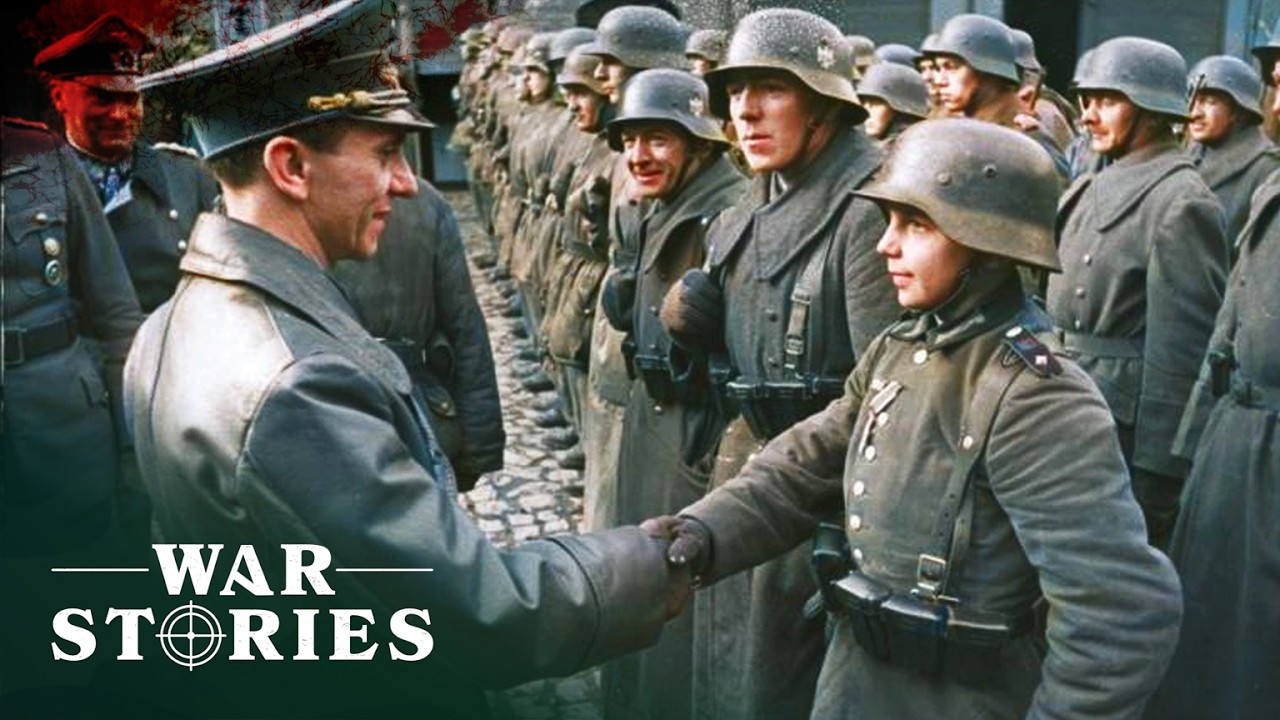
After World War II, American forces at the Attichy POW camp in France implemented a controversial program to rehabilitate former members of the Hitler Youth.
In 1945, Winston Churchill faced a landslide defeat in Britain’s general election due to his disconnect with the public and a desire for post-war change.
Barnes Wallis's innovative design of a bouncing bomb enabled the Avro Lancaster bomber to successfully target and destroy German dams during Operation Chastise.
Pearl Harbor's attack in 1941 prompted a massive enlistment of American soldiers, significantly altering the course of World War II against Japan and the Axis powers.
The 101st Airborne Division, US Army Rangers, Desert Rats, and US Eighth Air Force are highlighted for their critical roles and bravery during World War II.
Hermann Göring's life is examined, highlighting his transition from a decorated WW1 pilot to a prominent Nazi leader involved in key events like the Reichstag Fire and the Nuremberg Trials.
As Allied forces advanced on Berlin, Nazi Germany faced the consequences of its defeat, leading to the dismantling and punishment of Hitler's regime.
Operation Rolling Thunder marked a significant escalation of U.S. military involvement in Vietnam following the Gulf of Tonkin incident in the mid-1960s.
Radar technology, developed by Robert Watson Watt, and the iconic Spitfire fighter played crucial roles in Britain's defense during the Battle of Britain in World War II.
In 1940, Adolf Hitler's strategy to invade Britain faltered as the Luftwaffe struggled to achieve air superiority over the English Channel.
Operation Carpetbagger was a covert British and US initiative aimed at supplying the French resistance with resources to undermine Nazi Germany before the Allied invasion.
Nazi U-boats, under the command of Karl Dönitz, nearly crippled Britain during the Battle of the Atlantic until strategic innovations by the Wrens shifted the outcome.
Heavy bombers like the Lancaster and B-29 Superfortress played a crucial role in World War II, reshaping aerial warfare and leading to significant destruction in cities such as Hamburg, Dresden, and Hiroshima.
Operation Gunnerside highlights the Norwegian commandos' covert mission to sabotage the Vemork plant in occupied Norway, crucial to Nazi Germany's nuclear ambitions during World War II.
Adolf Hitler's speeches and writings, combined with testimonies from his inner circle, reveal his conflicting beliefs about victory and defeat during World War II.
Adolf Hitler's military strategy during World War II, marked by critical errors such as the Dunkirk evacuation and Operation Barbarossa, significantly weakened the German war effort.
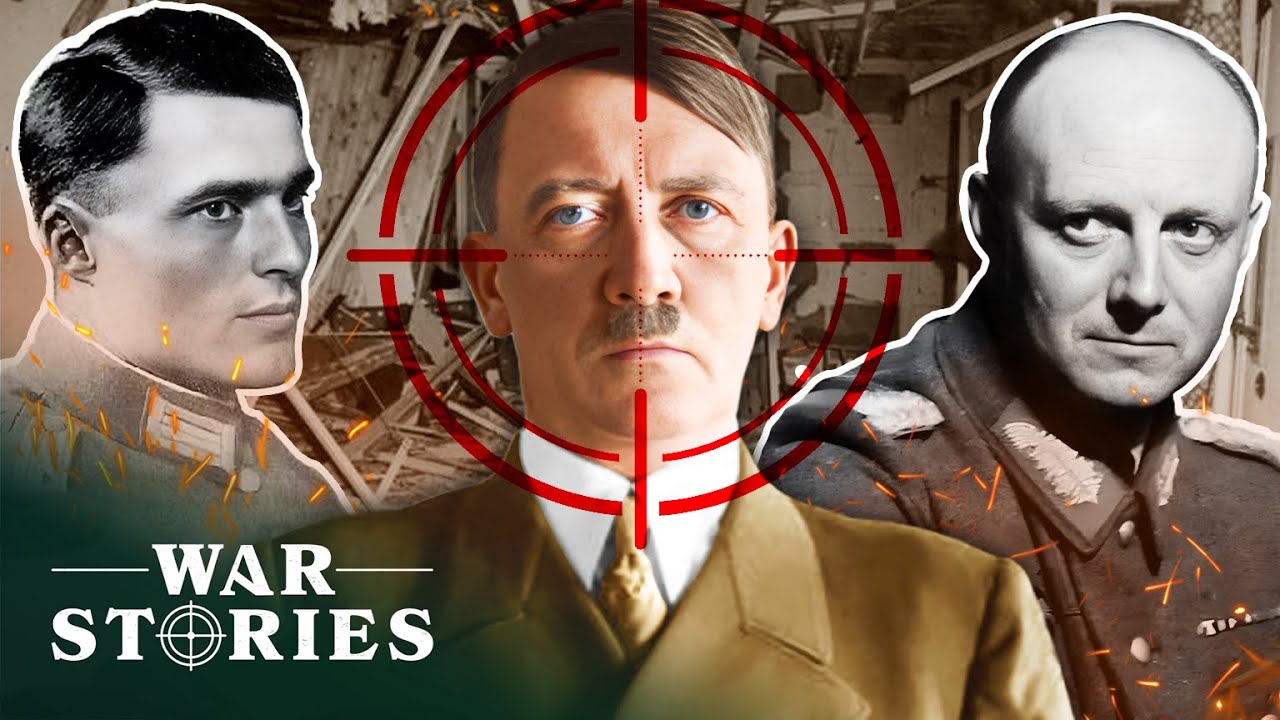
In Nazi Germany, high-ranking generals plotted to overthrow Adolf Hitler as the regime faced imminent defeat and internal dissent intensified.
Winston Churchill, Nikita Khrushchev, George S. Patton, and Anwar Sadat employed military deception tactics that significantly influenced key 20th-century conflicts.
On September 1, 1939, Hitler's invasion of Poland marked the beginning of World War 2, highlighting the urgent diplomatic efforts and military strategies of the time.
In 1942, German saboteurs landed on American shores as part of Operation Pastorius, aiming to disrupt US industry, but were thwarted by the FBI's rapid response.
The aircraft carrier played a crucial role in the United States Navy's strategy to combat Japan during World War II following the attack on Pearl Harbor.
Hitler's Berghof in the Bavarian Alps served as a Nazi hub and features an extensive underground bunker system, ultimately destroyed by Allied bombing in 1945.
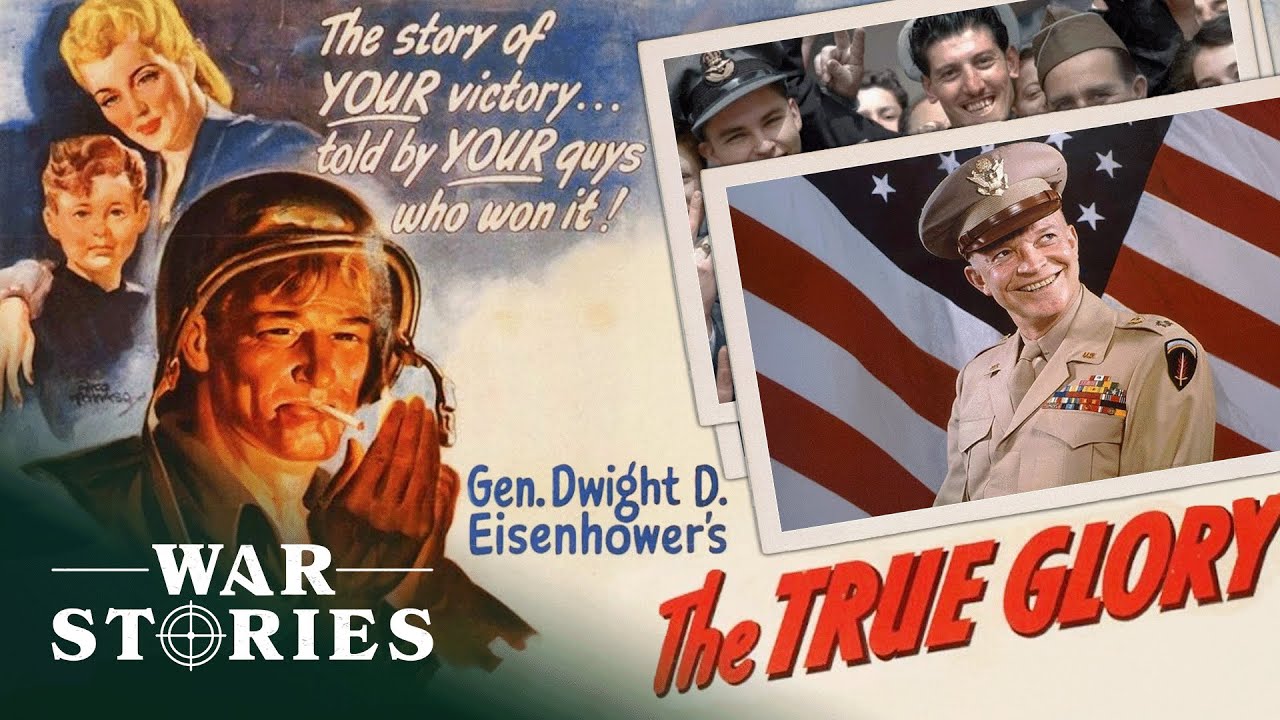
In 1945, Dwight D. Eisenhower introduced an archive film co-produced by the US Office of War Information and the British Ministry of Information, capturing the Allied nations' sentiments as they advanced against Nazi Germany.
On November 8, 1918, German, British, and French delegates negotiated the armistice in a railway carriage, setting the stage for future conflicts.
The Eastern Front of World War II highlights the brutal conflict between the Red Army and Nazi Germany, featuring key events like the Siege of Leningrad and the Battle of Stalingrad.
Adolf Hitler's life is examined from his early years in Austria through his rise as the Nazi dictator responsible for World War II and the Holocaust.
In 1914, as World War I erupted in Europe, most Americans remained indifferent, focused on their own prosperity and the perceived insignificance of the conflict.
The Bruneval Raid in 1942 marked a pivotal moment in the "Radar War" of World War II, as British paratroopers captured a German Würzburg radar.
Pervitin, a potent methamphetamine, was distributed to Wehrmacht soldiers during World War II, significantly impacting Nazi Germany's Blitzkrieg strategy and leading to widespread drug dependency.
From the Battle of Britain to the final dogfights over Japan, major World War II air battles are examined through iconic aircraft and tactical innovations.
Air superiority played a crucial role in World War II, particularly in the intense aerial battles between the RAF and the Luftwaffe.
Adolf Hitler's early years are explored through his own writings, detailing his childhood experiences and time as a soldier in World War I.
Four Singaporean heroes, including pilot Tan Kay Hai and Captain Ho Weng Toh of the Flying Tigers, faced extraordinary challenges during World War II.
In Senegal's coastal waters, fishermen employ traditional handline techniques to engage in intense battles with giant marlin, showcasing their resilience and skill.
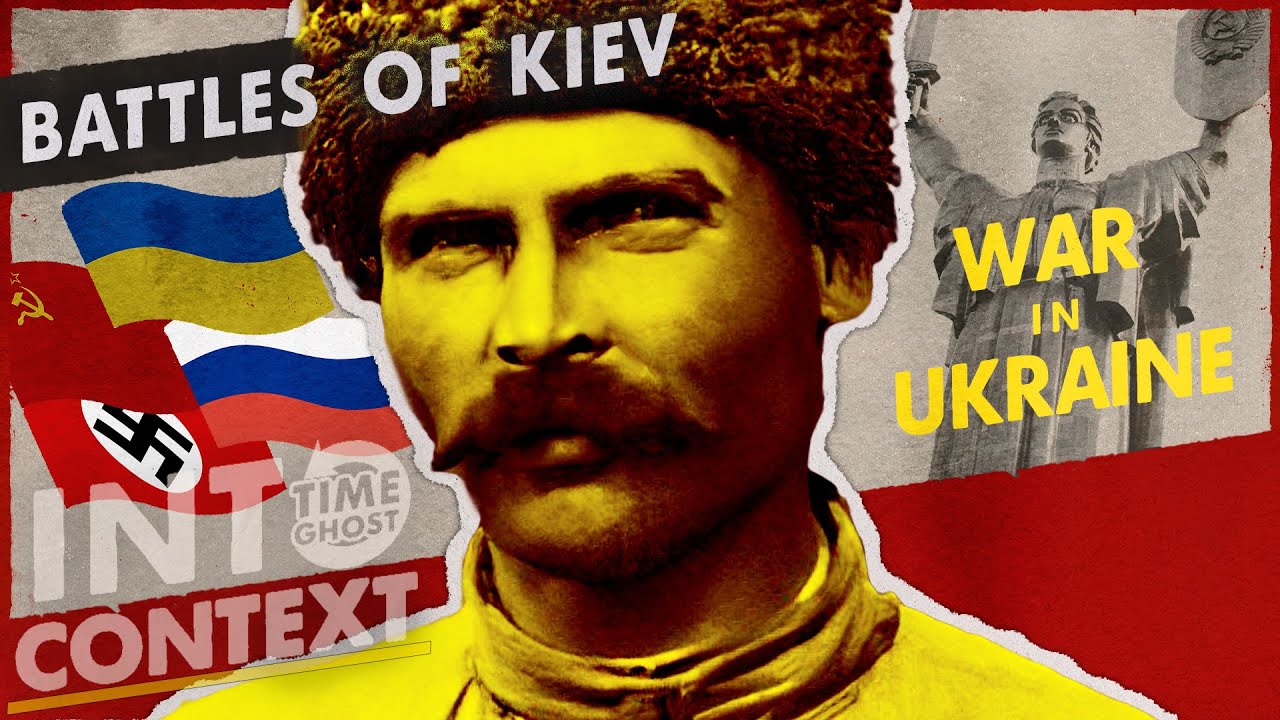
Kyiv's tumultuous history is marked by significant battles, including Mongol sieges and Blitzkrieg encirclements, shaping its cultural and political landscape.
Samurai naval warfare during the Sengoku period is examined through the battles of Kizugawaguchi, highlighting strategies and historical significance.
Kawanakajima, site of the largest Samurai conflict in eastern Japan, was shaped by a decade of rivalry between Takeda Shingen and Uesugi Kenshin.