From over 100,000 films, discover the handful you'll love.
Free or premium access to the world's largest documentary library.
145 films(Page 1 of 4)
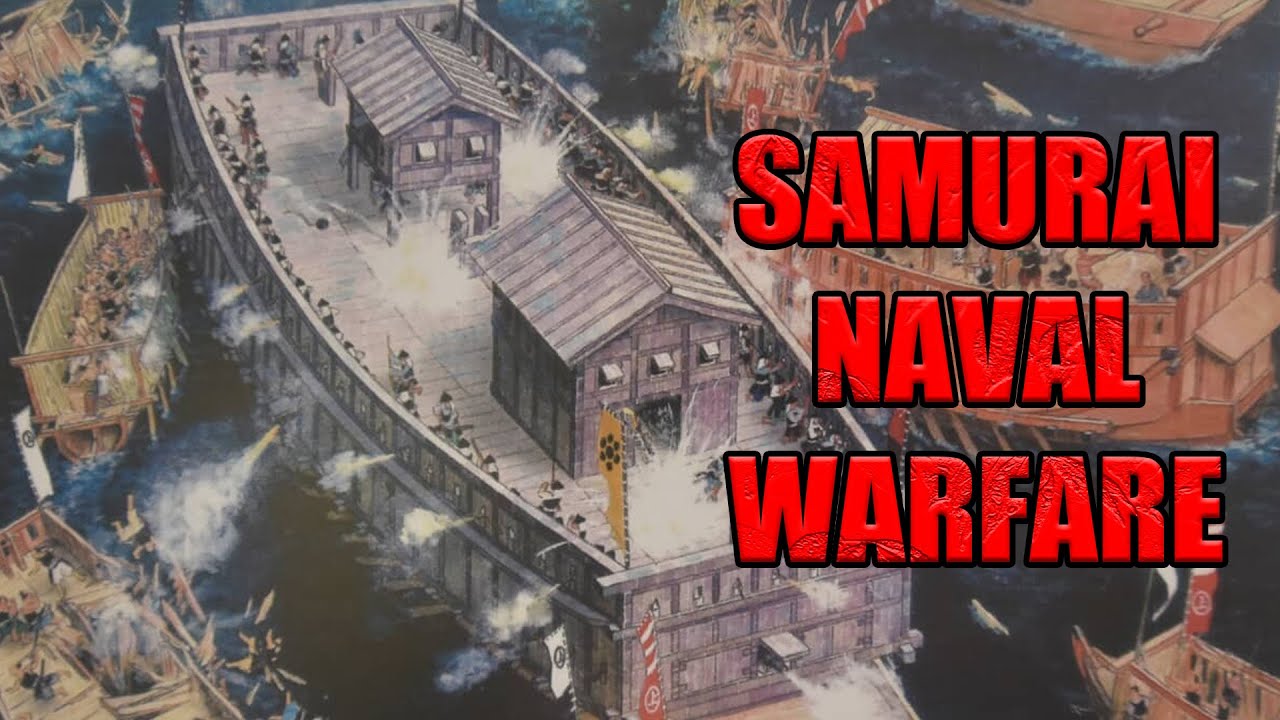
Samurai naval warfare evolved significantly from the late 1100s to the late 1800s, showcasing unique ship designs and strategic battles throughout Japanese history.
Operation Mushtarak in 2010 marked a significant Allied offensive to reclaim Marjah in Helmand Province, highlighting the intense combat faced by US Marines.
Samurai last stands are examined in detail, highlighting key figures and battles that shaped Japan's feudal history and the legacy of these warriors.
Europe faced a monumental cleanup after World War II, complicated by ongoing violence and reprisals among the exhausted population.
Thailand's Marine Recon training course challenges recruits with intense physical and mental tests over 13 weeks, culminating in the prestigious Marine Recon badge.
Mischlings, or individuals of mixed Jewish heritage, fought for Nazi Germany during World War II despite facing persecution as enemies of the state.
In July 1945, Berlin was a city in ruins under Soviet control, where the daily struggles of "rubble women" and political tensions at the Potsdam Conference marked the beginning of the Cold War.
James Holland examines the design flaws and operational challenges of Nazi Germany's Panzer tanks, including the Panzer II and Tiger models, during World War II.
Amin al-Husseini, Grand Mufti of Jerusalem, allied with fascist Italy and Nazi Germany during World War II due to his anti-Zionist beliefs.
Nazi Germany's ambitious industrial takeover during World War II, which included control of major factories, ultimately contributed to its military failures.
Life on the frontline during the Afghanistan War from 2001 to 2021 is depicted through six personal accounts in the acclaimed series 'War Story: Afghanistan.
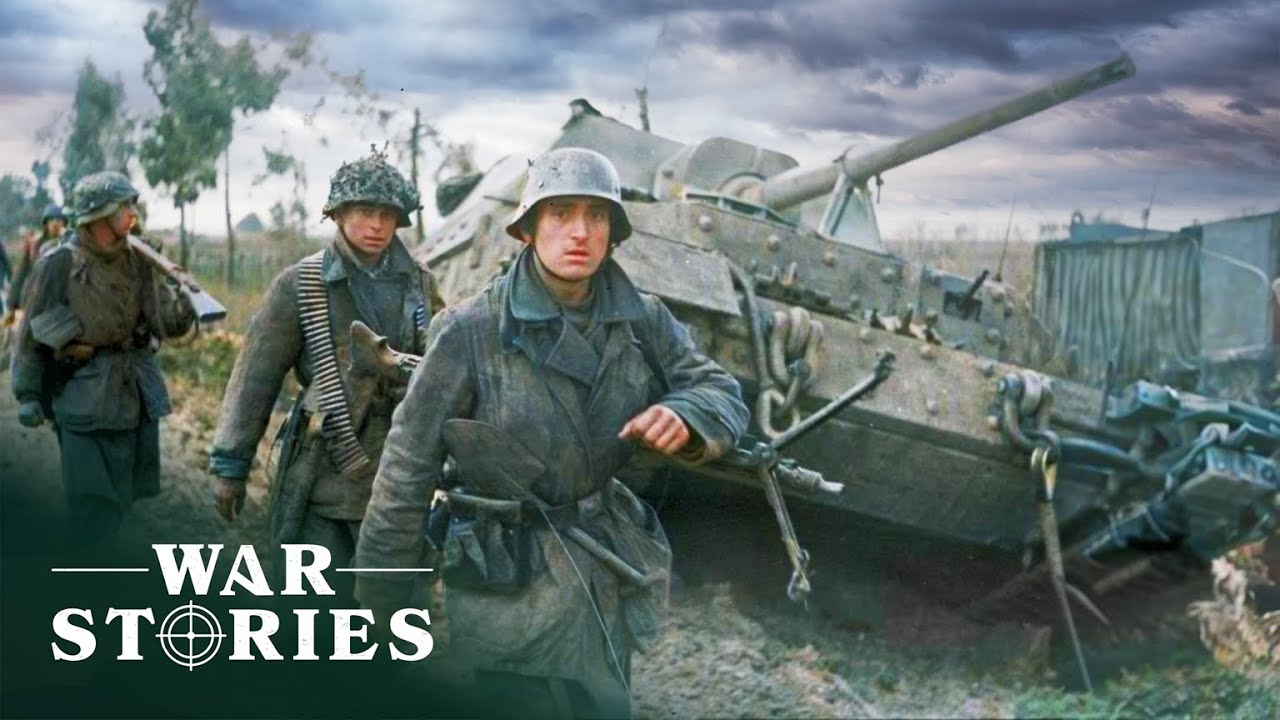
In 1941, Adolf Hitler launched Operation Barbarossa, initiating a brutal conflict with the Soviet Union that would become one of history's deadliest wars.
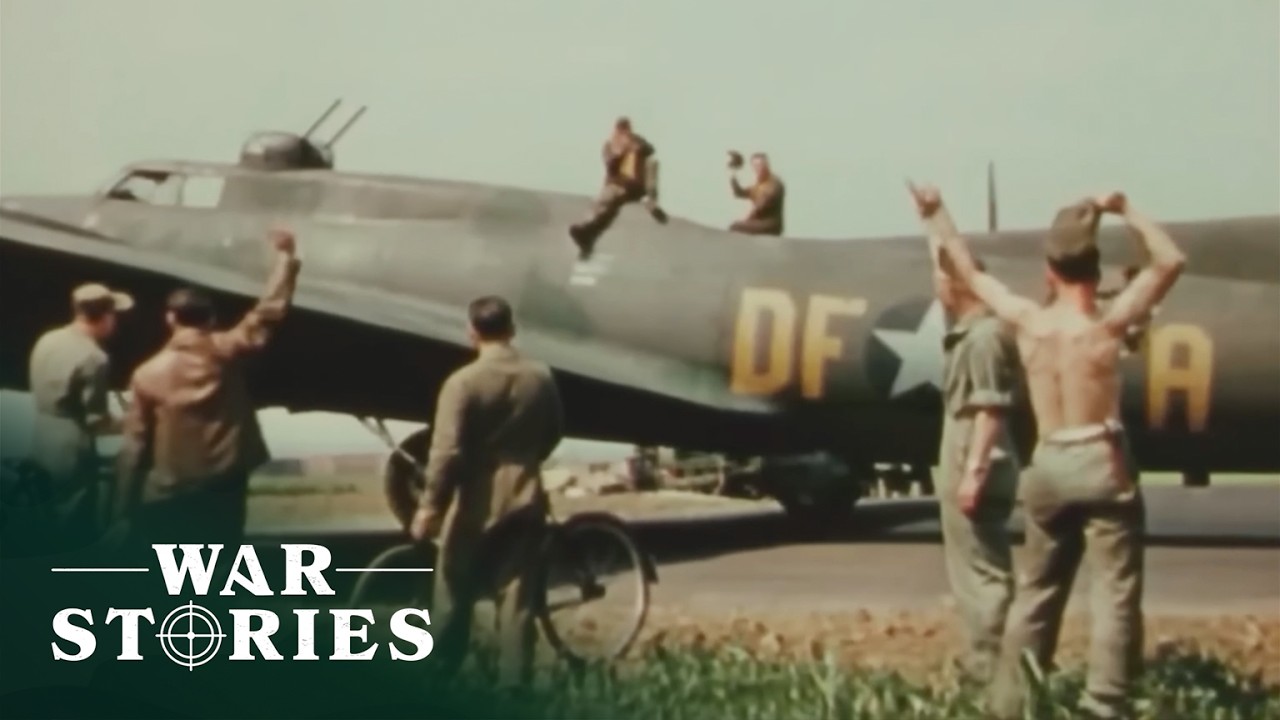
The crew of the Memphis Belle faces intense flak and fighter attacks during a World War II bombing mission over Germany, highlighting their courage and teamwork.
The catastrophic Battle of Stalingrad in 1942 marked a pivotal turning point in the Second World War, significantly weakening German forces and altering Hitler's strategy.
The Battle of Okinawa, lasting 82 days, marked one of the bloodiest campaigns of World War II, highlighting the strategies of Generals Buckner and Ushima.
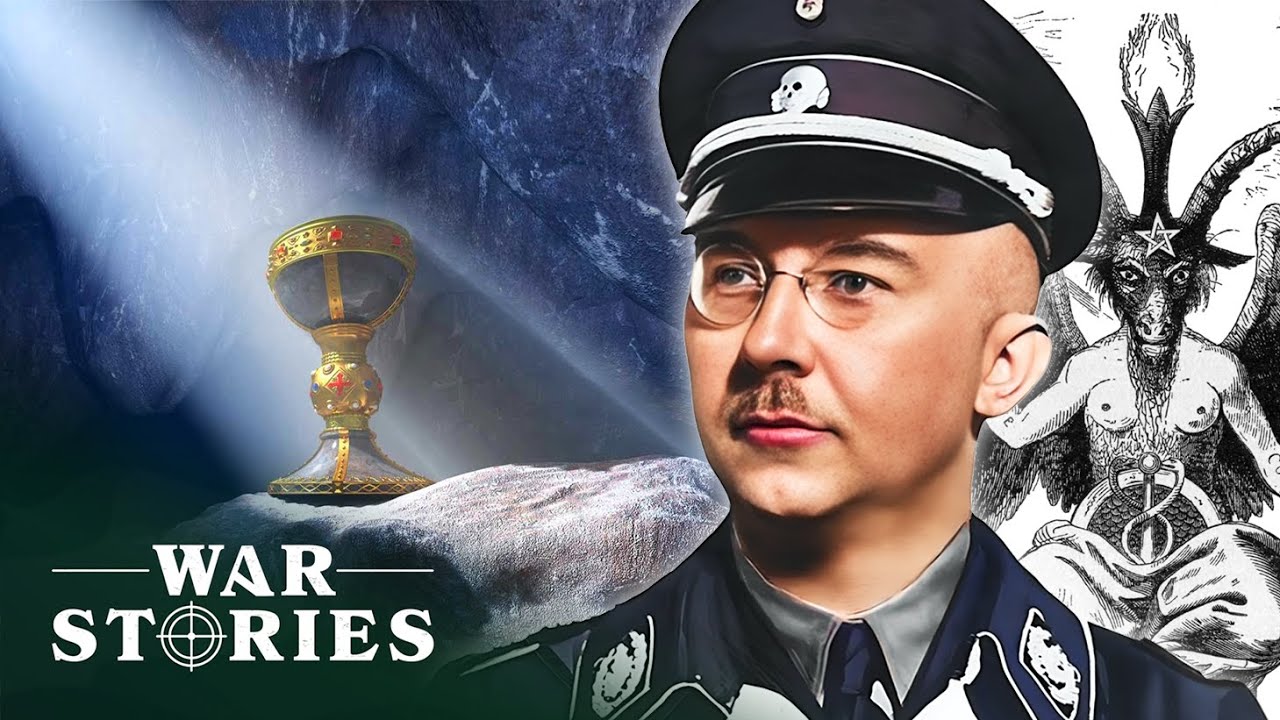
Heinrich Himmler's fascination with the Holy Grail, the Nazis' interest in the Book of Power, and their quest for Atlantis are explored in this examination of occultism and mythology.
On June 6, 1944, a small force of British light infantry executed Operation Deadstick, capturing Pegasus Bridge to secure the D-Day invasion in Normandy.
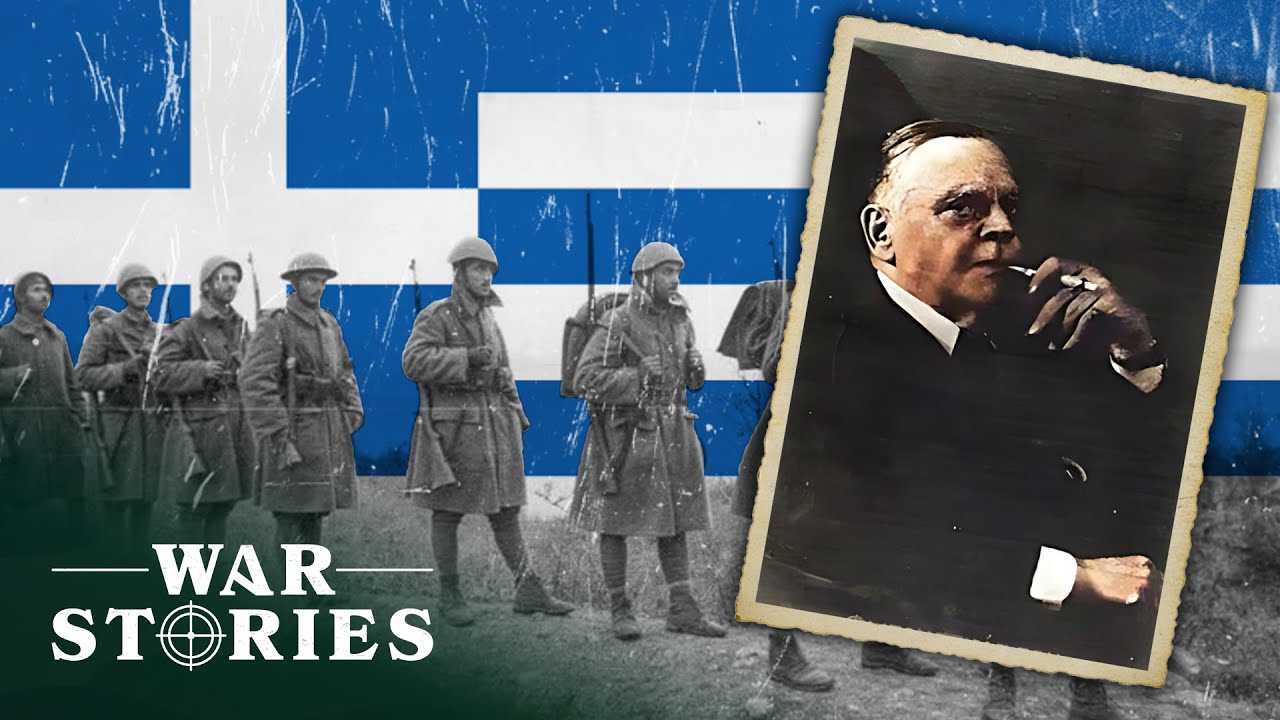
Ioannis Rallis, the last Prime Minister of Nazi-occupied Greece, collaborated with German forces to suppress communism, betraying his fellow citizens.
From Lenin's death to Gorbachev's reforms, the evolution of the Soviet Union is marked by political turmoil, war, and the eventual collapse in 1991.
Hugh Dowding's leadership and strategic foresight were crucial in enabling RAF Fighter Command to defend Britain during the pivotal Battle of Britain in 1940.
Willow Run in Michigan served as a pivotal B-24 Bomber production facility during World War II, symbolizing America's industrial might in the war effort.
Hitler's failed invasion of the Soviet Union, the Allied Normandy landings, and the atomic bombings of Hiroshima and Nagasaki are pivotal events of World War II.
Operation Barbarossa, launched by Nazi Germany against the Soviet Union in 1941, was marked by strategic errors and brutal war crimes that led to its eventual failure.
The American Civil War, marked by fierce battles and significant loss, fundamentally transformed the United States between 1861 and 1865.
In April 1945, Adolf Hitler reflects on the strategic errors that contributed to Nazi Germany's defeat as the Red Army and Allied forces close in.
Heinrich Himmler's obsession with the occult and mystical beliefs significantly influenced his vision for the Nazi regime, intertwining ideology with terror.
The legendary conflict between Takeda Shingen and Uesugi Kenshin on the Kawanakajima plain is explored through the first three pivotal battles of their rivalry.
In April 1982, British forces launched a significant nighttime raid on Port Stanley in response to Argentinian aggression during the Falklands War.
Ferdinand Porsche's design of super tanks for Nazi Germany ultimately failed due to technical issues and inefficiencies, contributing to the Axis defeat in World War II.
Rare color footage filmed by American military cameramen, including George Stevens, captures the Allied advance into Germany during the final months of World War II.
Heinrich Himmler and the Nazi high command sought the origins of the Aryan race, believing it linked to Atlantis and leading them to Tibet.
Vidkun Quisling's collaboration with Nazi Germany during World War II led to his execution by the Norwegian people, cementing his legacy as a symbol of treachery.
Anton Mussert, leader of the Dutch Nazi party, collaborated with Hitler during WWII, leading to the betrayal of the Dutch people and tragic consequences for the Jewish population.
Juan Pujol Garcia, known as Agent Garbo, created a fake intelligence network that misled Nazi Germany and played a crucial role in the success of D-Day.
Heinrich Himmler directed elite German troops in wartime Italy to search for Tacitus' 'Germania', aiming to fabricate a mythical Aryan history to justify Nazi policies.
In 1917, as First World War casualties exceeded 5 million, German commanders faced the challenge of reversing their army's decline amid unprecedented loss.
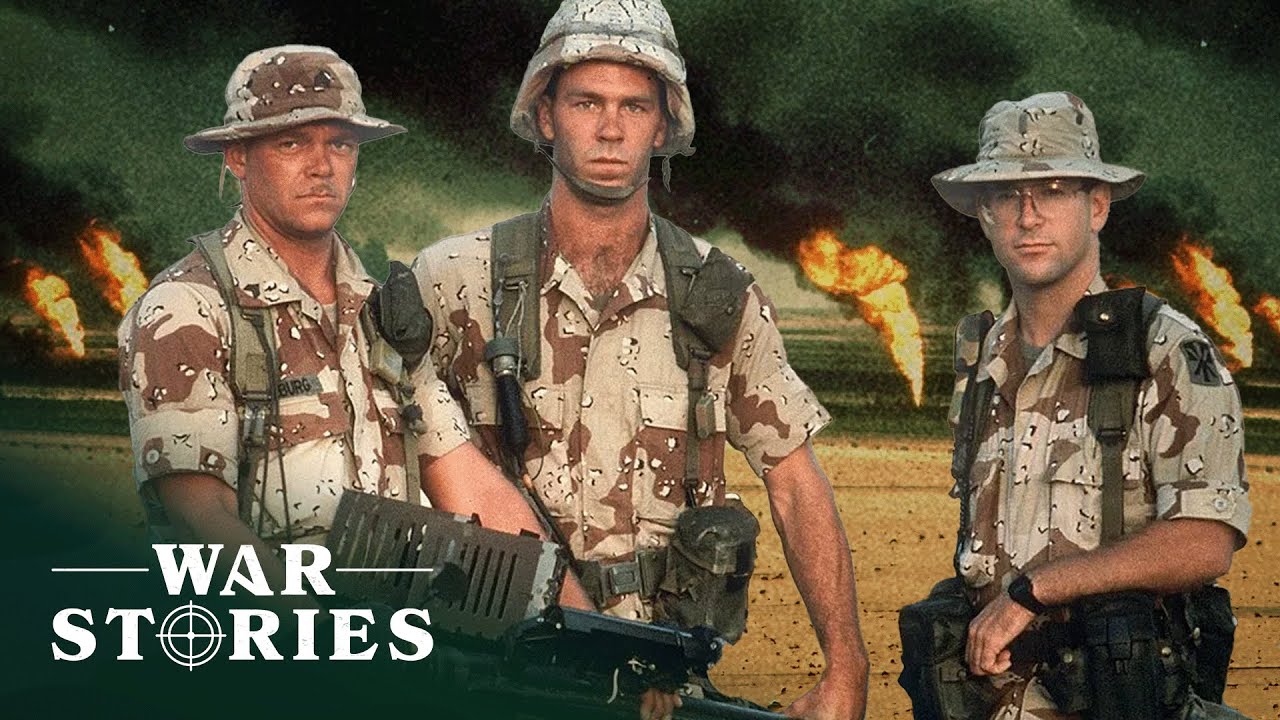
In 1991, Iraq's once-mighty army faced a swift and overwhelming defeat by Coalition forces during the Gulf War, collapsing in just 100 hours.
Dinko Sakic, a Croatian Nazi collaborator, commanded the Jasenovac concentration camp, notorious for its extreme brutality during World War II.
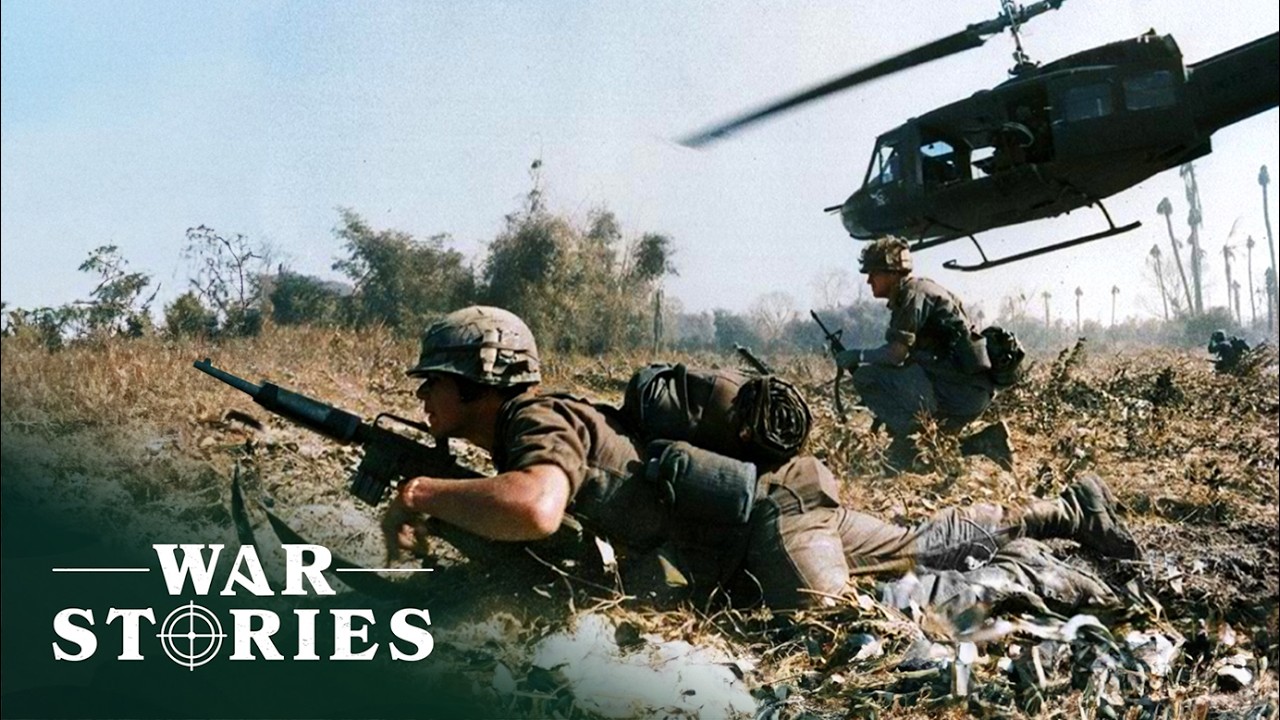
The Vietnam War, rooted in colonial tensions and Cold War ideologies, escalated from 1955 to 1975, culminating in the fall of Saigon and North Vietnam's victory.
The Battle of Stalingrad marked a pivotal turning point in World War II, representing Hitler's first major defeat and a significant shift in the conflict's momentum.
In the final weeks of World War II, American soldiers experienced intense combat in Nuremberg and participated in the liberation of Dachau concentration camp.
The Kokoda Track Campaign in 1942 marked a significant turning point in the Pacific theater of World War II, as Australian forces repelled Japanese advances in New Guinea.
Nazi Germany's advanced aircraft technology, including the Me 262 jet fighter and V2 rockets, faced significant military shortcomings during World War II.
Operation Barbarossa, Hitler's invasion of the Soviet Union in World War II, faced insurmountable challenges due to Nazi racial ideology and the Red Army's fierce resistance.
Adolf Hitler's rise from a troubled childhood and World War 1 service to his role in shaping World War 2 highlights the impact of the Weimar Republic and Nazi propaganda.
Dusko Popov, a key secret agent during World War II, played a crucial role in sabotaging Hitler's D-Day defenses through his espionage activities.
The Burmese Campaign of World War II, fought between 1941 and 1945, involved Allied forces from Britain, India, China, and the US against Japanese troops in Myanmar.
Several lesser-known Panzer models from World War II, produced in limited quantities, are examined for their historical significance and design features.