From over 100,000 films, discover the handful you'll love.
Free or premium access to the world's largest documentary library.
145 films(Page 2 of 4)
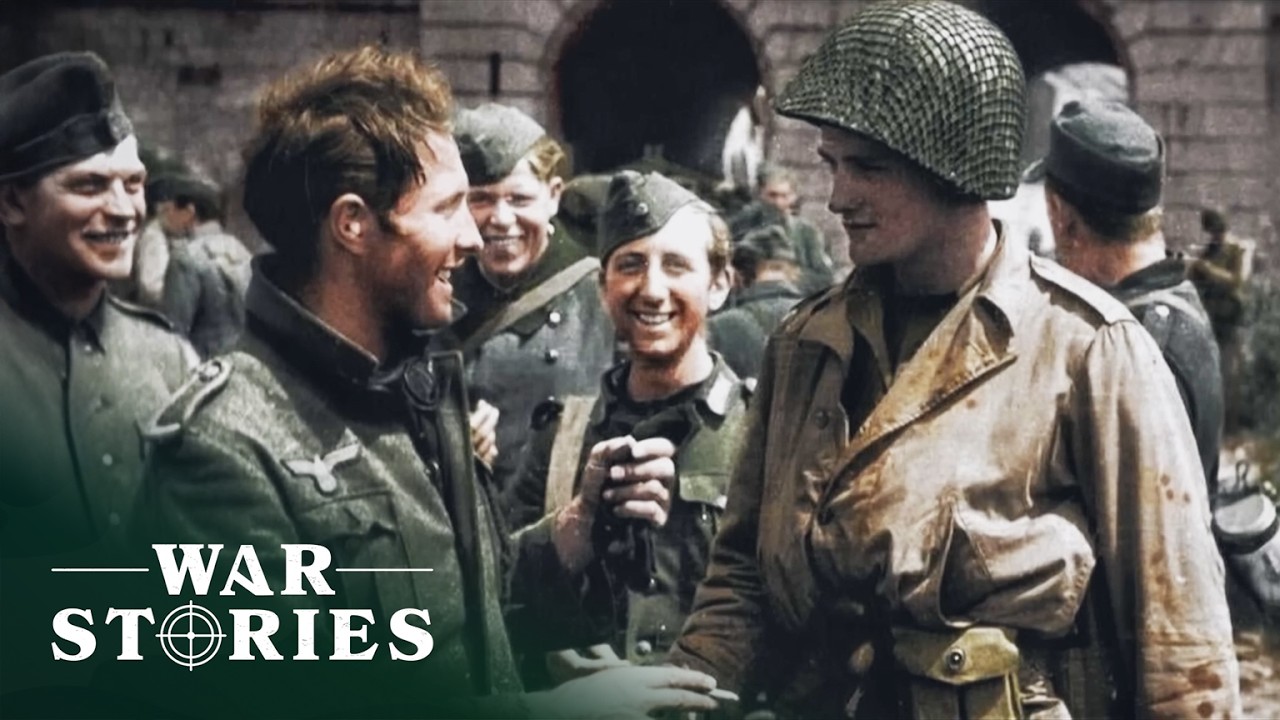
On May 5, 1945, American soldiers and defected Wehrmacht troops joined forces to defend Castle Itter in Austria against an SS attack, protecting French VIP prisoners.
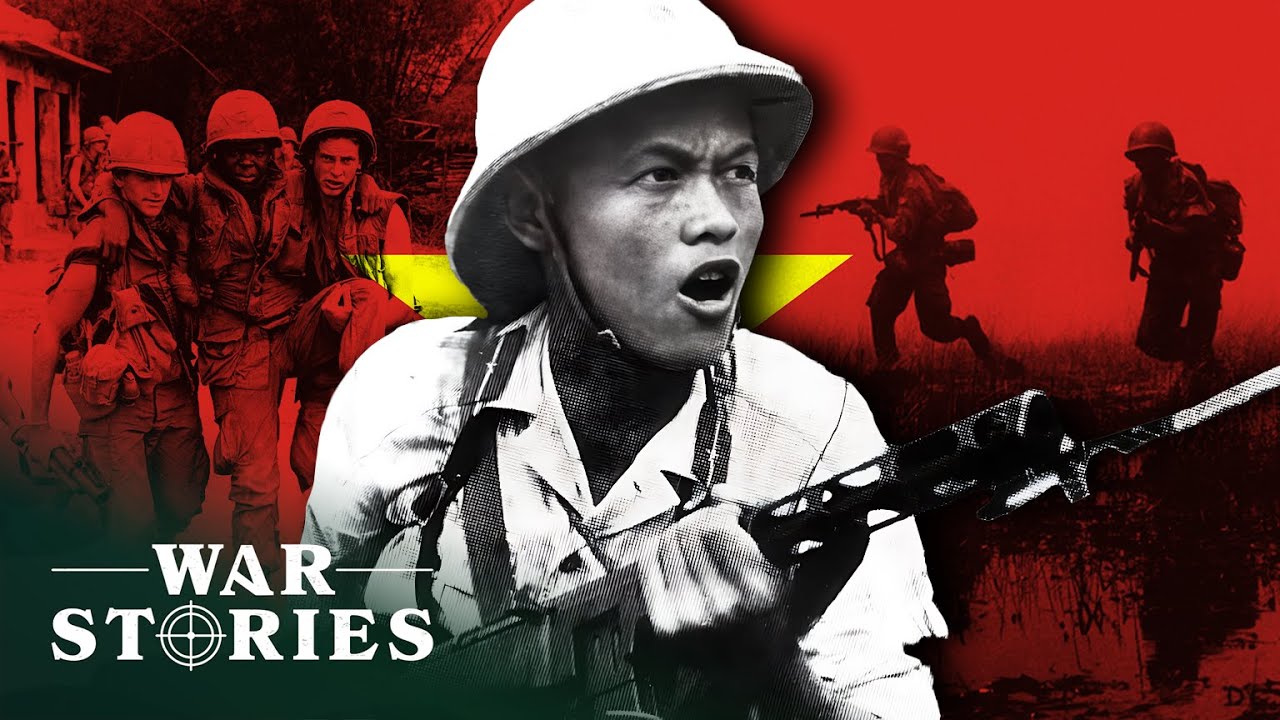
The Tet Offensive marked a turning point in the Vietnam War, leading to America's withdrawal and the eventual victory of North Vietnam by 1975.
Adolf Hitler's rise to power in post-WWI Germany was marked by the exploitation of national trauma, antisemitism, and propaganda, transforming ordinary citizens into supporters of Nazism.
Pol Pot, born Saloth Sâr in 1925, led Cambodia as General Secretary of the Communist Party, overseeing a regime responsible for the deaths of 1.5 to 2 million people during the Cambodian genocide.
In 1942, the aftermath of Pearl Harbor catalyzed Japan's rapid conquests and Germany's U-boat campaign, while the United States mobilized its industrial power to shift the war's momentum.
The Allied victory at El Alamein marked a pivotal moment in World War II, showcasing the defeat of Erwin Rommel's German forces by Bernard Montgomery's troops.
Between 1964 and 1973, the U.S. conducted extensive bombing campaigns in Laos, dropping two million tons of bombs to disrupt North Vietnamese supply lines.
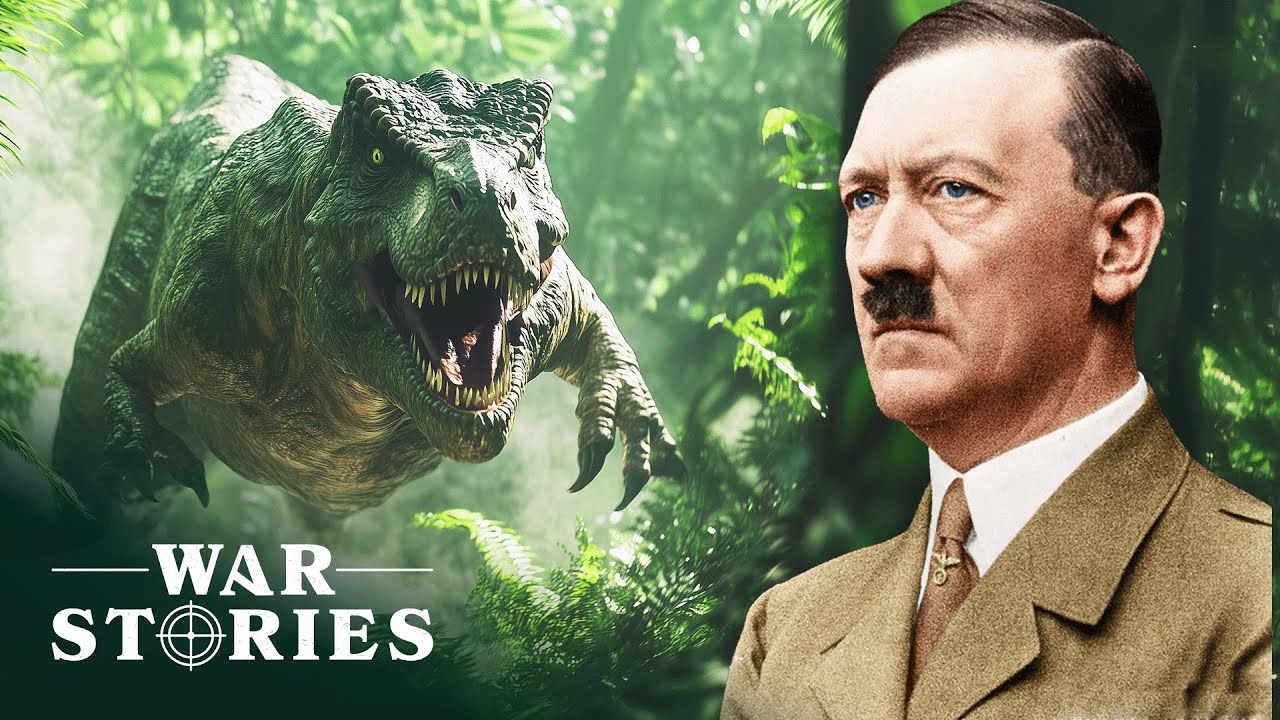
Nazi leaders Hermann Göring and Heinrich Himmler initiated a program of genetic manipulation aimed at creating Aryan animals and altering nature to support their vision of a thousand-year Reich.
In 1960s America, former WWII enemies Gus Maisel, a U.S. Army soldier, and German paratrooper Fred James Steck reflect on their combat experiences in Sicily and Stalingrad.
Josef Stalin's ascent from a poor Georgian background to the leader of the Soviet Union illustrates his ruthless consolidation of power and the resulting human cost.
In May 1945, the Battle of Berlin marked the brutal end of World War II in Europe as Soviet forces overwhelmed Hitler's defenses, leading to the fall of the Nazi regime.
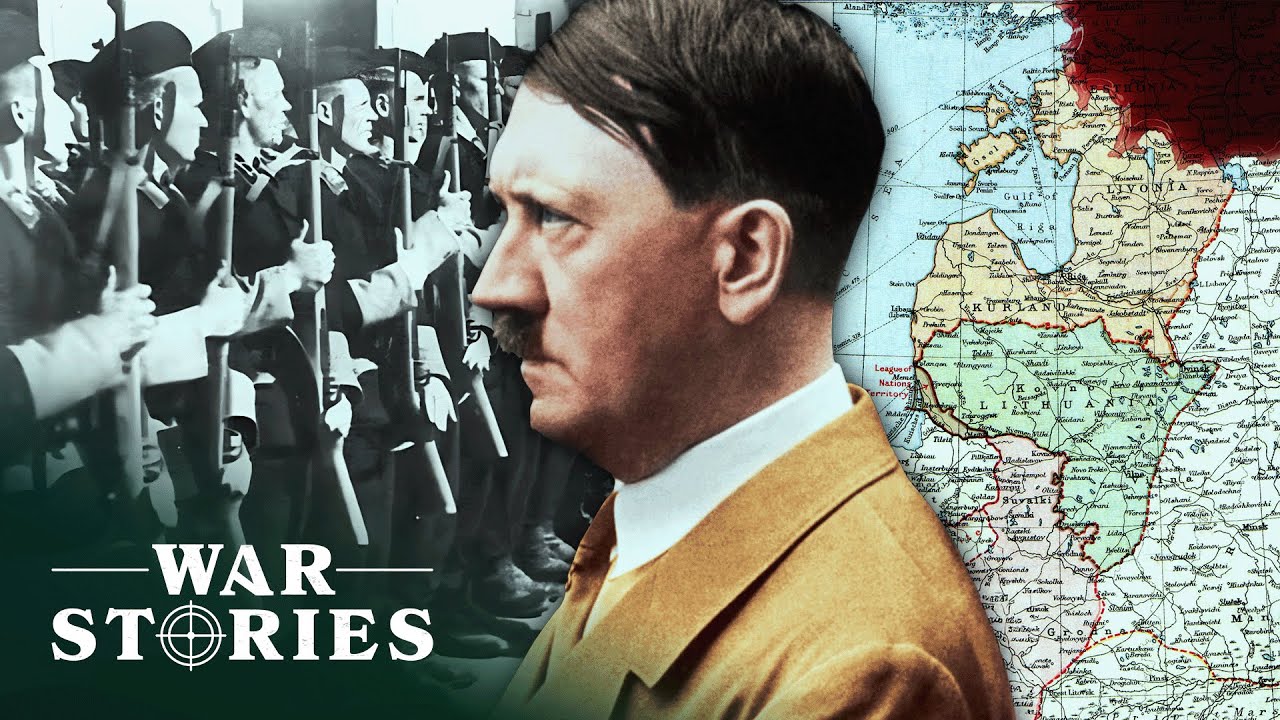
The Schutzmannschaft, formed in Nazi-occupied Baltic states and the Soviet Union, comprised pro-Nazi nationals responsible for the deaths of countless civilians.
Fast attack boats, including E-boats and US PT boats, played a crucial role in naval battles across the English Channel, North Sea, and Pacific during World War II.
After the attack on Pearl Harbor, the US Navy mobilized for extensive naval battles and land invasions across the Pacific during World War II.
Chicago's factories and the University of Chicago's atomic research played crucial roles in supporting the Allied war effort during World War II.
Codebreaking during World War II emerged as a crucial strategy, with six episodes highlighting key battles where deciphering enemy communications determined outcomes.
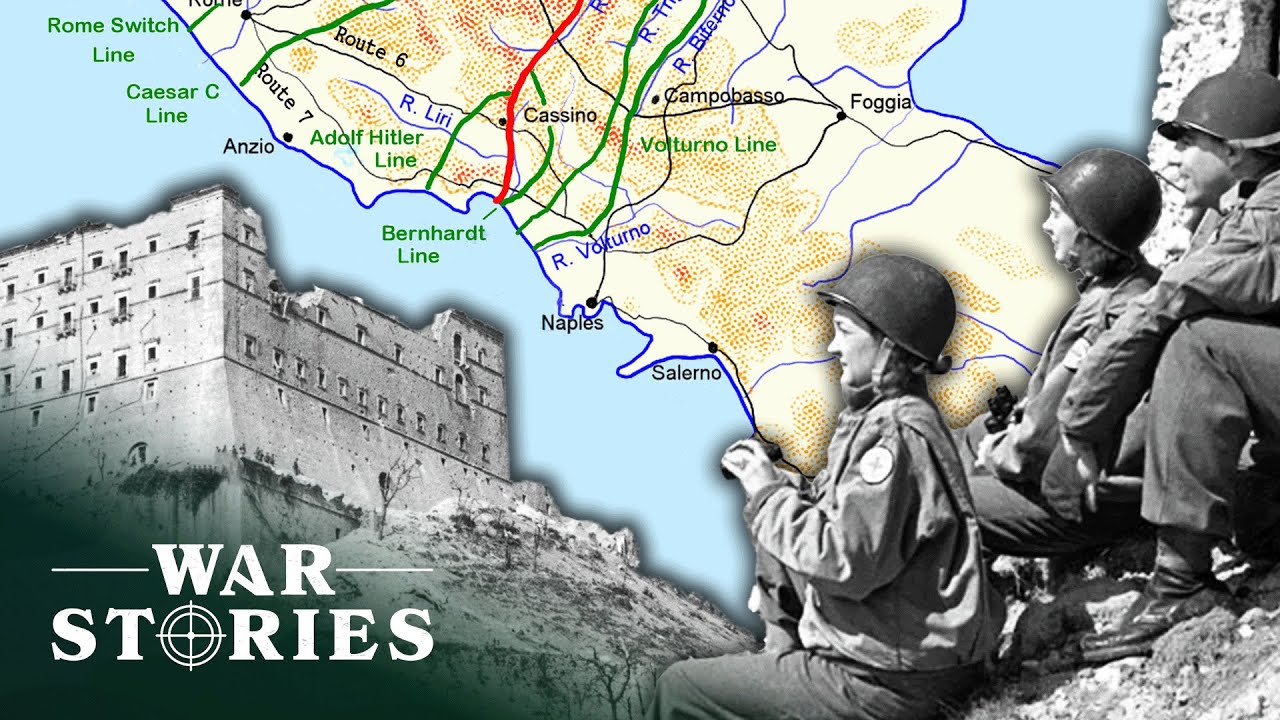
In Southern Italy, Allied forces faced formidable German defenses along the Gustav Line, particularly in the strategically significant town of Cassino during World War II.
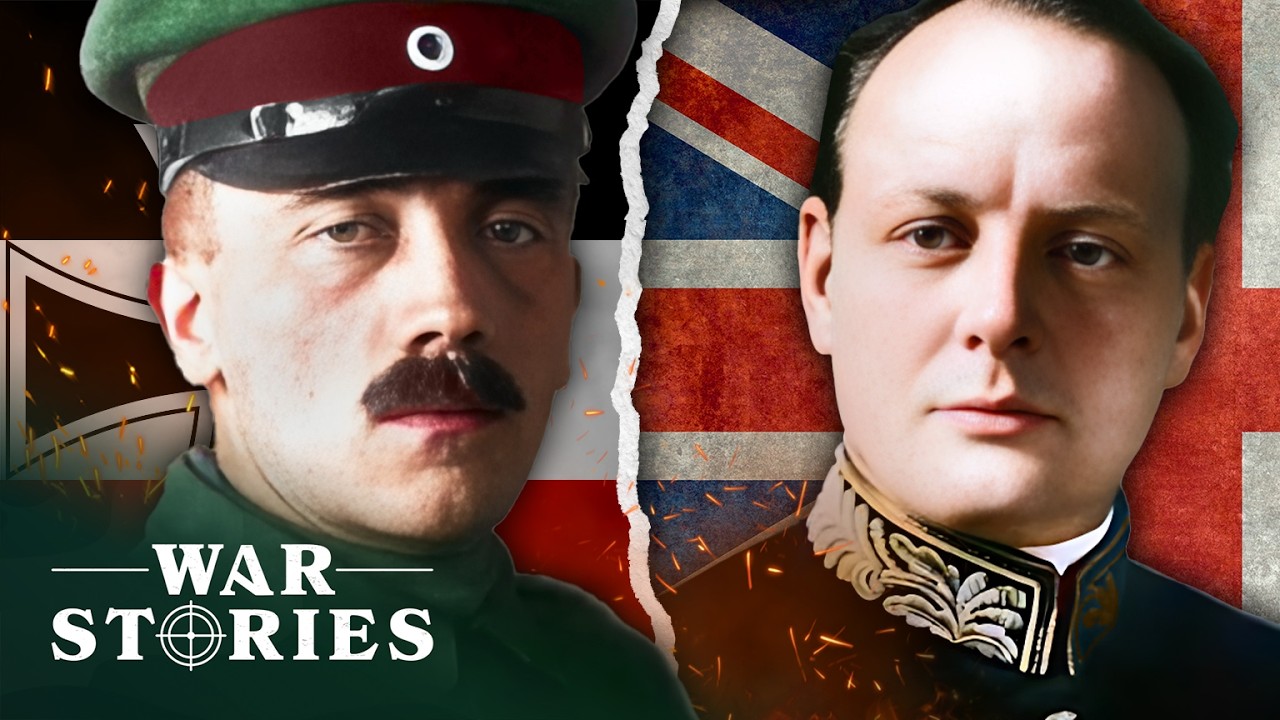
The intertwined histories of Adolf Hitler and Winston Churchill, shaped by their experiences in World War I, set the stage for their conflict in World War II.
Idi Amin's dictatorship in Uganda, marked by brutal repression and manipulation of ethnic divides, exemplifies the challenges of post-colonial governance in Africa.
Bletchley Park served as the secret hub where Polish codebreakers and British cryptanalysts cracked the German Enigma code, significantly influencing World War II outcomes.
Adolf Hitler's recruitment strategies for Nazi high command are examined through the roles of key figures like Heinrich Himmler and Joseph Goebbels in shaping the regime.
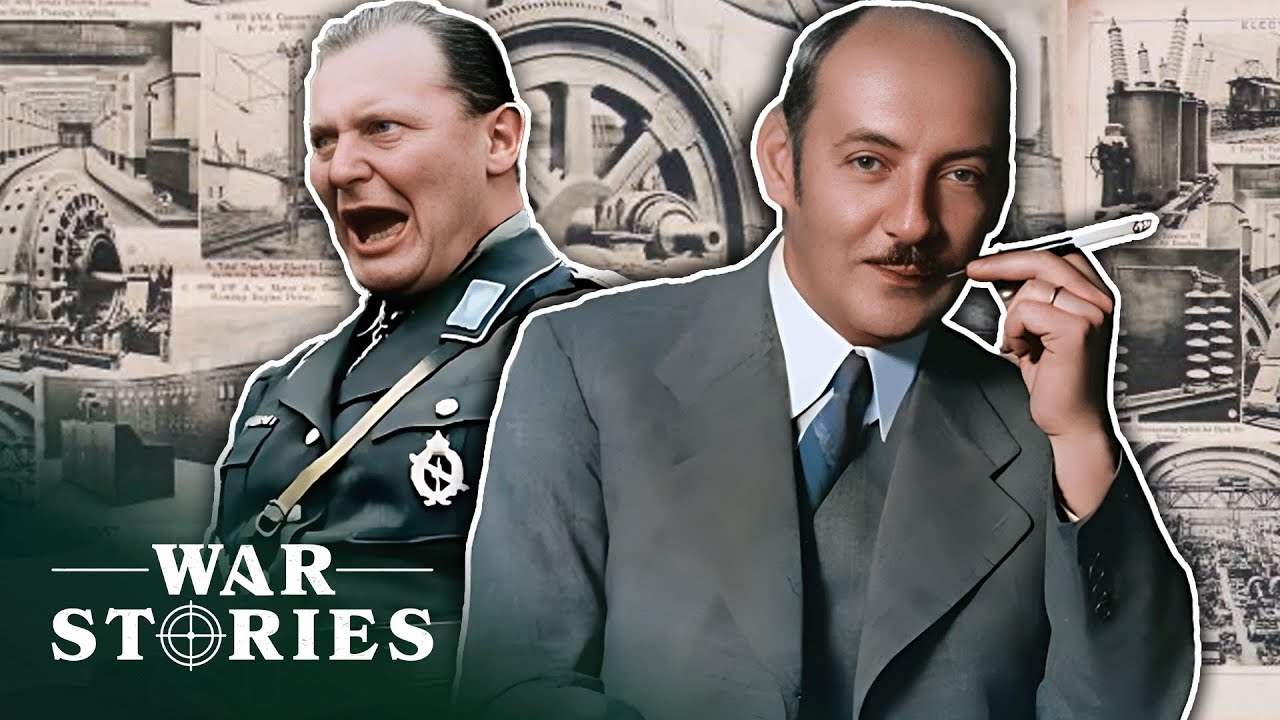
Albert Göring, brother of Nazi official Hermann Göring, leveraged his position as director of the Skoda factory in occupied Czechoslovakia to save numerous Jews during World War II.
The final years of World War II are examined through rare color footage, highlighting key events such as D-Day, the Battle of the Bulge, and the atomic bombings.
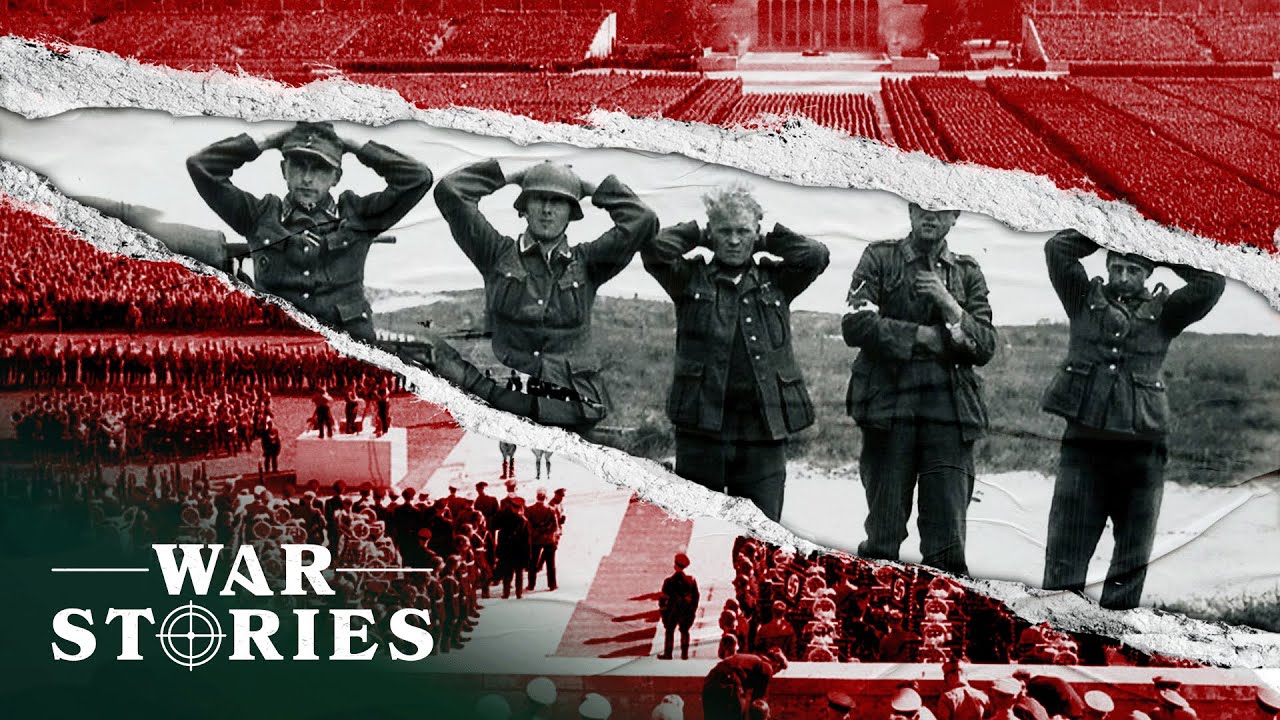
Hitler's invasion of the Soviet Union, the Holocaust, and the Allies' denazification efforts highlight the brutal final acts of Nazi Germany and its aftermath.
Operation Barbarossa, Hitler's 1941 invasion of the Soviet Union, marked a critical turning point in World War II due to severe miscalculations and harsh winter conditions.
Post-World War II Germany faced immense challenges, including occupation, famine, and the management of millions of refugees amid a devastated infrastructure.
In the Führerbunker, Adolf Hitler and his closest allies struggled to maintain power for 105 days as the Red Army advanced on Berlin during World War II.
J. Robert Oppenheimer's role in the Manhattan Project is examined alongside his personal struggles and ethical dilemmas following the atomic bomb's creation.
The Vietnam War's origins are rooted in centuries of cultural and geopolitical tensions, from French colonialism to Ho Chi Minh's rise and Cold War ideologies.
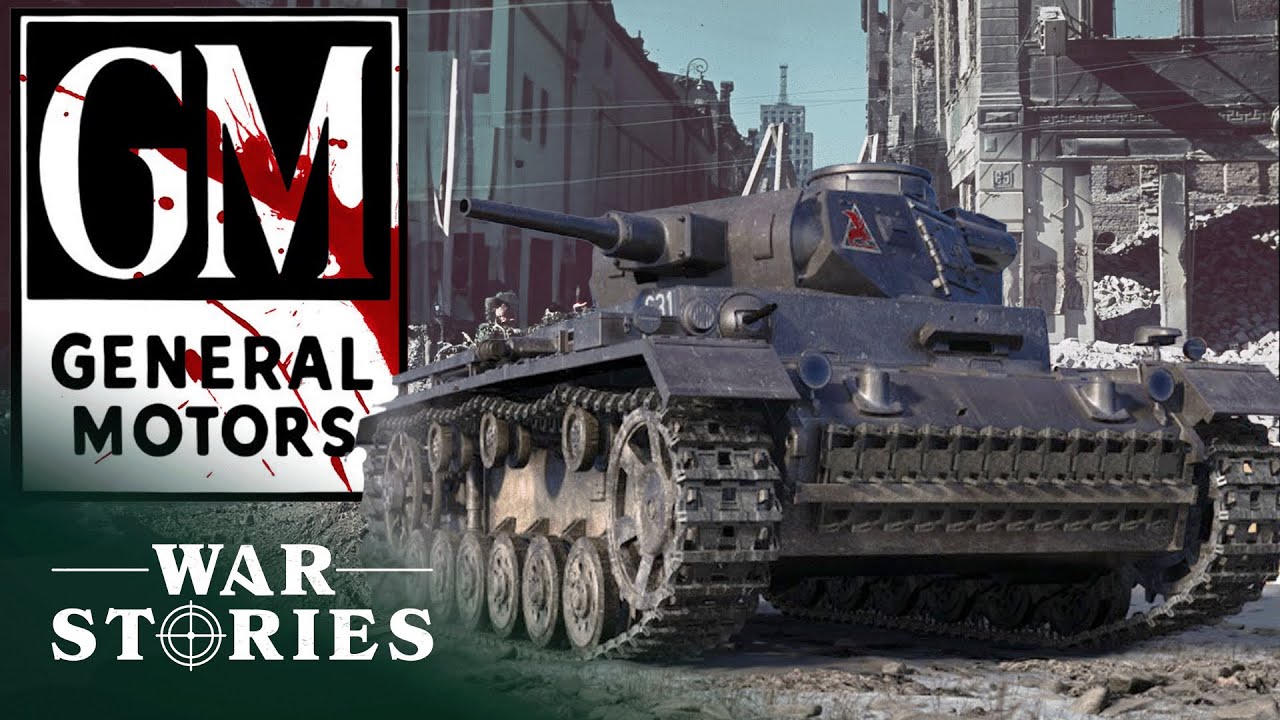
Opel Blitz trucks, produced by the American company General Motors, played a crucial role in supporting Hitler's Blitzkrieg by establishing vital supply lines for the German military.
Rudolf Höss, the commandant of Auschwitz, oversaw the systematic murder of over a million people during the Holocaust, reflecting his chilling efficiency and lack of remorse.
In 1933, Rolls-Royce developed the Merlin engine, which powered iconic aircraft like the Spitfire and Lancaster bomber, significantly influencing World War II.
The Doolittle Raid in 1942 marked a significant American military operation against Japan, with Chinese civilians and soldiers risking their lives to assist stranded airmen.
Operation Overlord marked the beginning of a brutal twelve-week Battle of Normandy, featuring fierce German resistance and pivotal confrontations for liberation.
The SS Cap Arcona, once a symbol of German luxury, became a floating prison for concentration camp survivors before its tragic sinking by the RAF in 1945.
Combat trauma, from the 'shell shock' experienced by World War I soldiers to contemporary PTSD, highlights the ongoing challenges in understanding and treating mental health in veterans.
Japan's attack on Pearl Harbor on December 7, 1941, marked a pivotal moment that led to America's entry into World War II and altered the course of the conflict.
In June 1967, Israel's strategic preemptive strikes and leadership under Moshe Dayan led to a swift victory over Egypt, Jordan, and Syria in the Six-Day War.
Heinrich Müller, the head of the Gestapo, played a crucial role in Nazi Germany's repression and the Holocaust, with his fate after 1945 remaining a mystery.
The Zimmermann Telegram, an intercepted German message during World War I, played a crucial role in shaping Britain's military strategy and its alliance with America.
Winston Churchill's early life and political career are examined to illustrate how his determination contributed to Britain's victory over Nazi Germany in World War II.
The machine gun, developed by inventors like Hiram Maxim and exemplified by the German MG08, transformed warfare during WW1 by enabling unprecedented lethality on the battlefield.
Anton Mussert, Ioannis Rallis, and Finnish Marshal Gustaf Mannerheim exemplify the complex moral choices faced by collaborators during World War II.
In the final days of World War II, Germany faced a profound reckoning as survivors recount their experiences of defeat and the transition to peace.
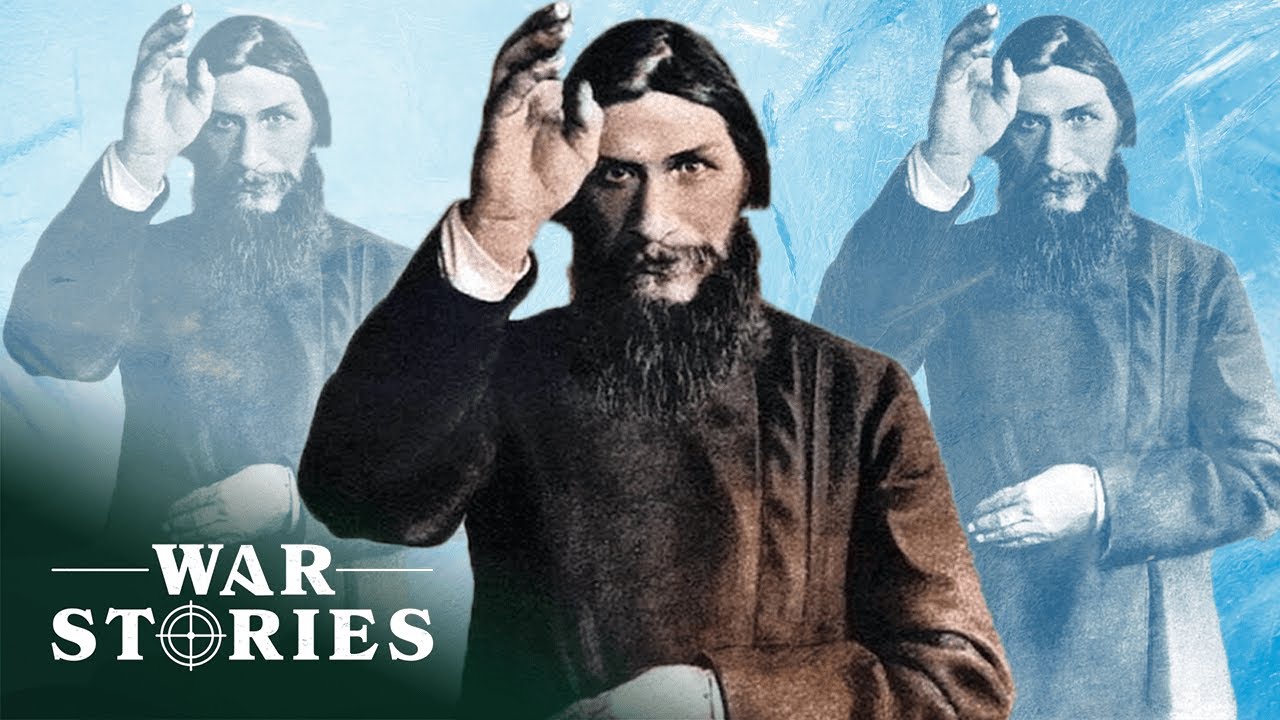
Rasputin, a confidant of the Russian royal family, is examined for the possibility that a British agent was responsible for his assassination.
The USS Enterprise's mid-battle repair at Guadalcanal, the Rolls Royce Merlin Engine, and the Skoda Arms Factory's resistance against the Nazis highlight WWII engineering feats.
Covert operations during the Cold War, featuring double agents and intelligence missions, reveal the complex lives of spies from the KGB to the FBI.
Life in the trenches of the Western Front during World War I was marked by constant fear of death, squalid living conditions, and severe psychological torment.