From over 100,000 films, discover the handful you'll love.
Free or premium access to the world's largest documentary library.
1338 films(Page 9 of 28)
Single evangelical Christians navigate the complexities of modern dating through church events, festivals, and speed-dating in their quest for love.
Modern witches engage in practices like talking to plants and experimenting with love potions, as explored by host Tevya Heller in this examination of Wicca.
In the first century, ancient health care practices varied widely, revealing both the medical knowledge and misconceptions of people during Jesus' time.
Over 90% of the global population believes in an afterlife, prompting diverse cultural practices aimed at ensuring a favorable existence beyond death.
Jesus, revered as the Son of God and central figure of Christianity, is examined through historical and theological perspectives in this episode of Bible Secrets Revealed.
Himmler's obsession with the Holy Grail highlights the intersection of Nazi ideology and the quest for religious artifacts throughout history.
Reverend Joy Carroll's life in inner-city Streatham starkly contrasts with the idyllic portrayal of her character in the BBC comedy series.
Eyewitness accounts of Jesus Christ's life, attributed to the Gospels, are scrutinized for their historical validity and authorship amid a significant time gap.
Christianity, Judaism, and Islam have profoundly influenced Europe's cultural and historical landscape from ancient times through the Middle Ages.
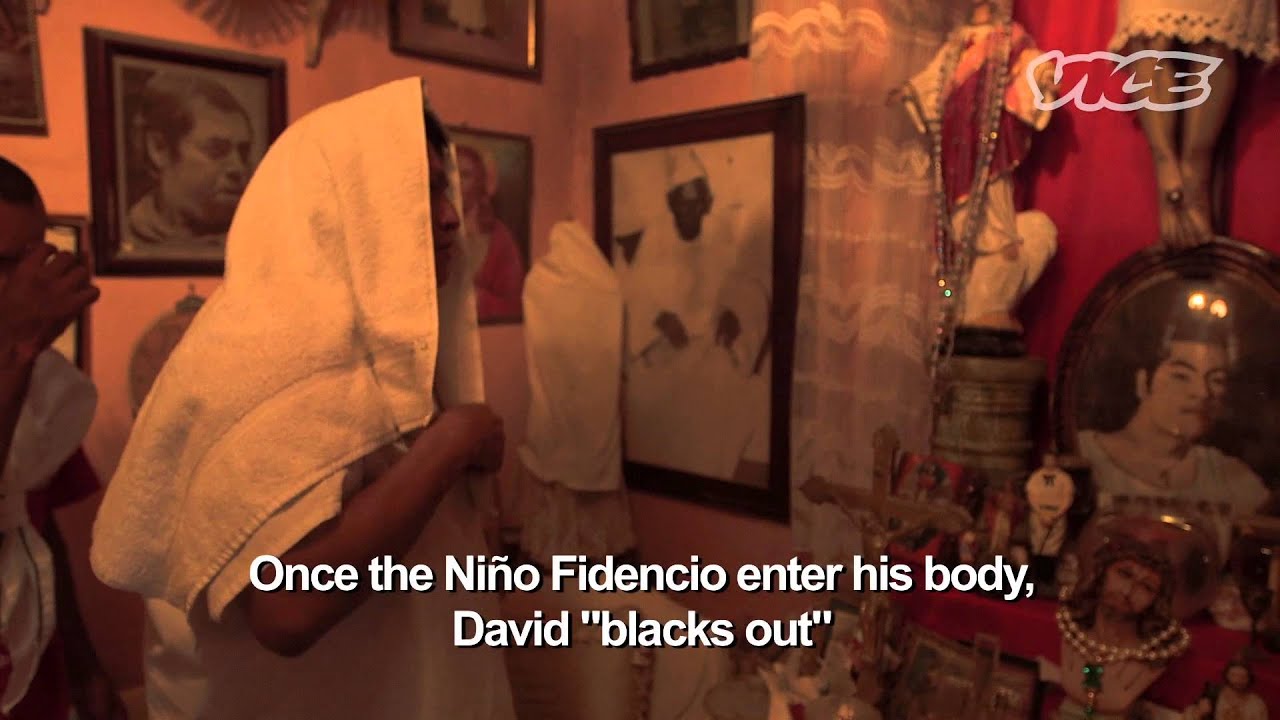
El Niño Fidencio, a revered figure in Mexico, attracted thousands to his annual celebration, where followers believe his spirit continues to heal through ritualistic practices.
Saint Paul, once a persecutor of Christians, became a pivotal figure in spreading Christianity and authored significant portions of the New Testament.
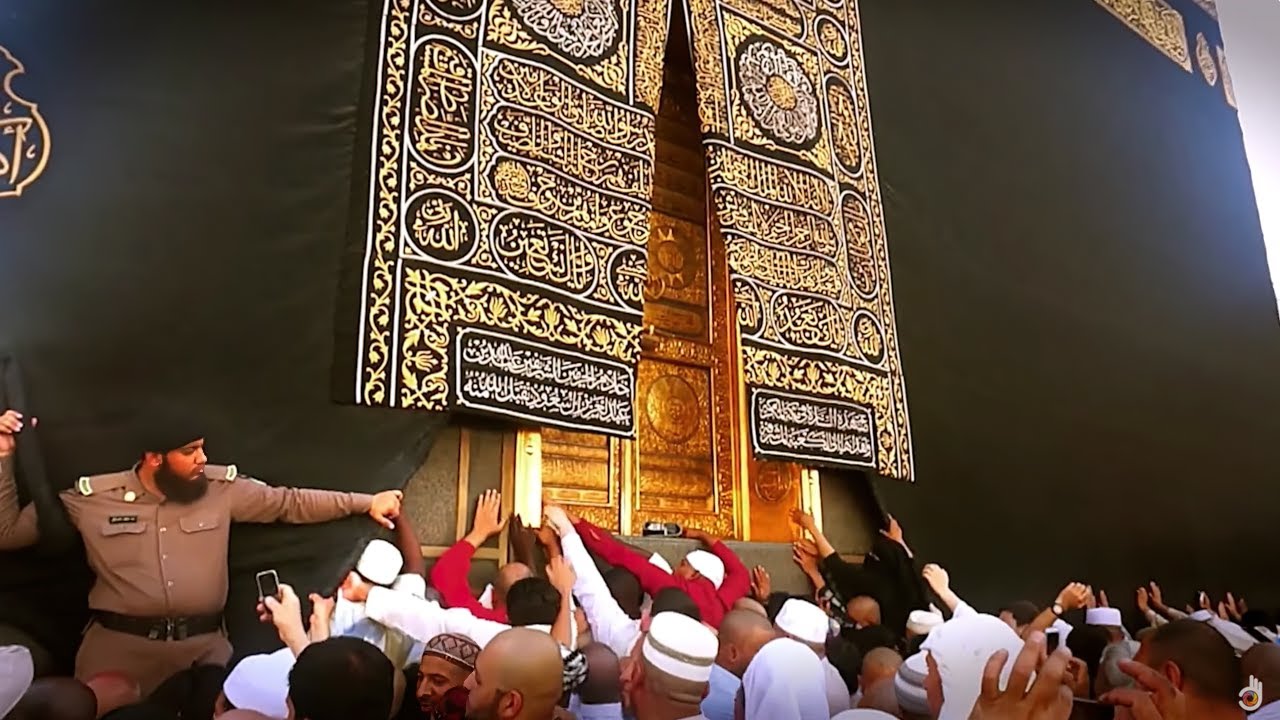
Over a billion Muslims pray five times a day towards a Black Rock in Mecca, while new research questions the city's historical significance in Islam.
Bathsheba, Delilah, Eve, Jezebel, and Esther are examined for their complex roles and reputations in biblical narratives.
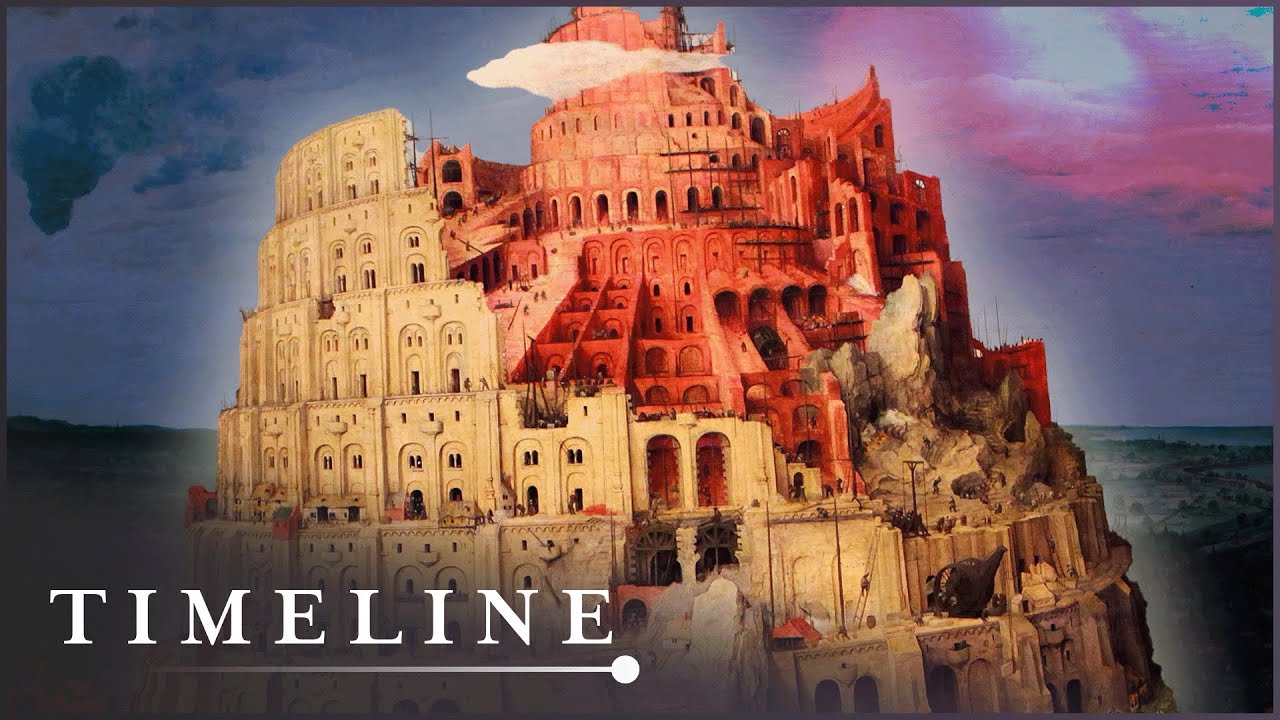
Ancient biblical mysteries, including the tower of Babel, are examined by historian Dan Snow and experts on History Hit, highlighting their historical significance.
Mary Magdalene's life and legacy are explored through artistic interpretations by renowned artists such as Caravaggio, Rembrandt, and van Gogh.
A piece of wood displayed in a church in Rome is claimed to be the Titulus Crucis, bearing the inscription "Jesus of Nazareth, King of the Jews."
In Siberia's Taiga forest, Vissarion, a cult leader claiming to be the voice of God, leads 4,000 followers with beliefs in UFOs and apocalyptic prophecies.
Thomas the Apostle, often called "Doubting Thomas," is explored for his teachings, legacy, and influence on the Christian community in South India.
The Hillazon, a creature described in the Bible as part fish and part snake, is linked to end-of-the-world prophecies and the source of ancient Jewish blue dye.
Samuel Stefan's decade-long experience in a cult highlights the psychological manipulation and violence used to control vulnerable individuals.
Archaeological research in ancient sites, including the potential remains of the oldest known leper, provides new insights into the history and impact of leprosy.
Biblical texts and ancient lore describe winged beings that may represent either divine messengers or extraterrestrial visitors, raising questions about their origins.
For two weeks, rabbis Yossi and Ari travel almost the size of England in a mobile synagogue, searching for Jews in remote Australian communities.
A million viewers tune in daily to a popular Islamic breakfast show in Jakarta, where rural women seek religious advice and entertainment.
Hieroglyphs found in the tombs of Saqqara reveal Ancient Egyptian religious beliefs and rituals aimed at granting immortality to the deceased.
Archaeological remains of three sets of gates in ancient cities may provide evidence supporting the biblical narrative of King David's kingdom.
Fifteen siblings grapple with the legacy of their father, a man described as a cult leader and scam artist, as they seek to understand their family's struggles.
Ancient texts, including gospels and epistles excluded from the Holy Bible, are examined for their historical and theological significance in this episode.
Pope Pius XII's controversial papacy during World War II is examined through newly accessible Vatican documents, raising questions about his silence on the Holocaust.
Ephraim and Amanda, an Amish couple, face excommunication while navigating modern life and their child's medical needs, alongside Jesse and Elsie's emotional struggle to leave their community.
Gay priests in France share their experiences and challenges within the Catholic Church, highlighting the conflict between their identities and institutional beliefs.
Frederic Raphael explores the intersections of God, religion, and modernity through pilgrimages to Jerusalem, Asia, Spain, and the USA.
Monasteries served as vital social hubs in the Middle Ages, providing hospitality and support to individuals from various social classes, as explored by historian Ruth Goodman.
Renowned archaeologist John Romer examines the authorship and historical context of the Bible through archaeological evidence from sites like Jericho and Jerusalem.
In the aftermath of the fall of Rome, monks in Scotland and Ireland played a crucial role in preserving Christianity, paving the way for Charlemagne and the Holy Roman Empire.
Mary Magdalene is portrayed as a significant figure in Christianity, recognized as the 'Apostle of the Apostles' and a powerful feminist voice in religious history.
Rev. George Exoo, a Unitarian minister, faces FBI arrest after assisting over 100 individuals, including non-terminally ill patients, in committing suicide.
The Promised Land, considered the most sacred area on Earth, has been contested for millennia, raising questions about its biblical significance and ownership.
Renowned archaeologist John Romer examines the influence of the Babylonian exile and Alexander the Great's conquests on the writing of the Hebrew Scriptures.
The complex relationship between Christianity and Islam is examined through key events such as the Mongol invasion of Baghdad and the Thirty Years' War.
Monotheistic religions in the Middle East, particularly Judaism and Islam, emerged from historical and cultural developments in ancient Mesopotamia and surrounding regions.
Mennonite communities, with over 2 million members, maintain distinct customs and beliefs, living without modern conveniences and engaging in traditional practices like farming and quilting.
Recent archaeological findings challenge the historical accuracy of the Israelites' conquest of Canaan as described in the Book of Joshua, suggesting a local revolt instead.
Seventy monks prepare for the annual Tshechu festival in Bhutan, performing traditional dances to purify negative emotions and connect with deities.
In Loch Nell, Scotland, forensic geologist Scott Walter investigates a serpent-shaped mound, revealing connections to Ohio's Serpent Mound through ancient rituals and celestial alignments.
The Ark of the Covenant, a biblical relic associated with immense power and danger, is examined alongside the historical figure of Moses and ancient scientific theories.
In ancient Europe, Druids served as judges, astronomers, and healers, wielding both divine knowledge and brutal power, while engaging in ritualistic human sacrifice.
John the Apostle, exiled on the Greek island of Patmos, is examined alongside the other twelve apostles for their historical and contemporary significance.